Why an Old Abyssinian Needs Lower Steps
It’s a tough truth that even the most energetic and acrobatic Abyssinian can’t defy time forever. Watching your once-fearless climber hesitate before a jump or struggle to reach their favorite high perch can be truly heartbreaking. This comprehensive guide is here to walk you through exactly why your senior Abyssinian needs lower steps and how to adapt your home to keep them safe, comfortable, and still enjoying their vertical world, even as their body starts to tell a different story.
The Inevitable March of Time: How Aging Affects Your Abyssinian's Agility
You’ve probably seen your Abyssinian sail across a room, scale a bookshelf in a single bound, or leap onto the highest point of your fridge with breathtaking ease. This breed is renowned for its incredible athleticism and insatiable desire to be up high, observing its kingdom. But just like us, as our beloved Abyssinians age, their bodies undergo changes that impact these very abilities. It's not a sudden switch, but a gradual process that, if unaddressed, can lead to pain, injury, and a decline in their quality of life.
Joint Degeneration and Arthritis
One of the most significant changes an aging Abyssinian faces is the wear and tear on their joints. Years of high-impact jumps, daring landings, and constant motion take their toll. Cartilage, which acts as a cushion between bones, begins to thin and degrade. This process can lead to osteoarthritis, a chronic and progressive condition that causes pain, stiffness, and reduced range of motion. Imagine having stiff, aching knees, and then being expected to jump off a kitchen counter. It’s not just uncomfortable; it’s painful and potentially dangerous. Your once-effortless leaps become guarded, and you might notice your cat taking a moment to "think" before committing to a jump or a climb. This hesitation is a huge red flag that their joints aren't what they used to be. You might even observe them limping slightly after a nap or showing less interest in games that involve vigorous chasing and pouncing. How Arthritis Shows in an Abyssinian That Used to Climb delves deeper into these specific signs.
Muscle Loss and Weakness
Beyond joint issues, senior Abyssinians also experience sarcopenia, the age-related loss of muscle mass. Those powerful hindquarters that propelled them to impressive heights start to weaken. Even with a healthy diet, maintaining muscle mass becomes harder. This muscle loss not only makes jumping harder but also compromises their balance and stability, especially on landings. A weakened senior Abyssinian might misjudge a jump or land awkwardly, increasing the risk of sprains, strains, or even fractures. Think of it this way: less muscle means less support for already aching joints, creating a vicious cycle. Their agility, which once seemed boundless, begins to wane, making them more prone to falls. This is a primary reason why What an Old Abyssinian Slows Down From is a must-read for owners observing these changes.
Sensory Decline and Impaired Vision
While less directly tied to the physical act of jumping, declining vision and hearing can also contribute to an older Abyssinian’s reluctance or inability to navigate heights safely. Their depth perception might not be as sharp, making it difficult to accurately gauge distances to perches. A cat with impaired vision might hesitate, bump into things, or miss their landing spot entirely. While Abyssinians are incredibly adaptable and can learn to navigate their environment even with significant vision loss, sudden or unexpected movements from other pets or humans can startle them, leading to missteps, particularly if they’re already in an elevated position. Keeping their environment predictable and accessible becomes even more important in these cases.
The Risks of High Places for the Senior Abyssinian
It's natural for your Abyssinian to want to maintain their vertical lifestyle, even when their body is protesting. They're wired to climb and observe. However, allowing an older cat to continue attempting high jumps can pose significant risks. The consequences of a misstep can range from minor discomfort to serious, life-altering injuries.
Increased Risk of Injury from Falls
This is perhaps the most obvious and immediate danger. A younger Abyssinian has the muscle strength, bone density, and reflex speed to often recover from an awkward landing, even if it looks a bit clumsy. A senior Abyssinian, with weaker muscles, stiffer joints, and perhaps compromised vision, is far less fortunate. A fall from a significant height can result in sprains, fractures, concussions, or internal injuries. A broken leg or hip can be devastating for an older cat, potentially requiring complex surgery, prolonged recovery, and a significant impact on their quality of life. Furthermore, a painful fall can create a lasting fear of heights, completely stripping them of an activity they once loved. It's not just about getting hurt once; it's about the psychological trauma that can linger.
Chronic Pain and Discomfort
Even if a senior Abyssinian doesn't suffer an acute injury from a fall, the repeated impact of jumping from heights contributes to the progression of arthritis and general joint discomfort. Every jarring landing sends stress through their weakening joints. Over time, this constant microtrauma can exacerbate existing conditions, leading to more intense chronic pain. This pain can manifest in subtle ways – a slight limp, a reluctance to move, increased irritability, or a change in litter box habits if entry and exit become painful. It's our responsibility to minimize these daily stressors to keep them as comfortable as possible. Imagine the constant ache that never quite goes away, simply from trying to navigate their familiar environment.
Reduced Quality of Life and Isolation
When jumping becomes painful or risky, many senior Abyssinians will naturally start to avoid high places. This is heartbreaking because being up high is often central to their sense of security, observation, and even play. Why an Old Abyssinian Stops Using the Top Shelf highlights this behavioral change. They might stop using their favorite cat tree, or no longer join you on the kitchen counter for morning cuddles. This forced isolation from their preferred vantage points can lead to boredom, frustration, and even depression. Their world, once expansive and vertically rich, shrinks to ground level. Our goal isn't just to prevent injury but to enable them to safely continue enjoying the activities that define their Abyssinian spirit for as long as possible.
Adapting Your Home: Creating a Senior-Friendly Vertical World
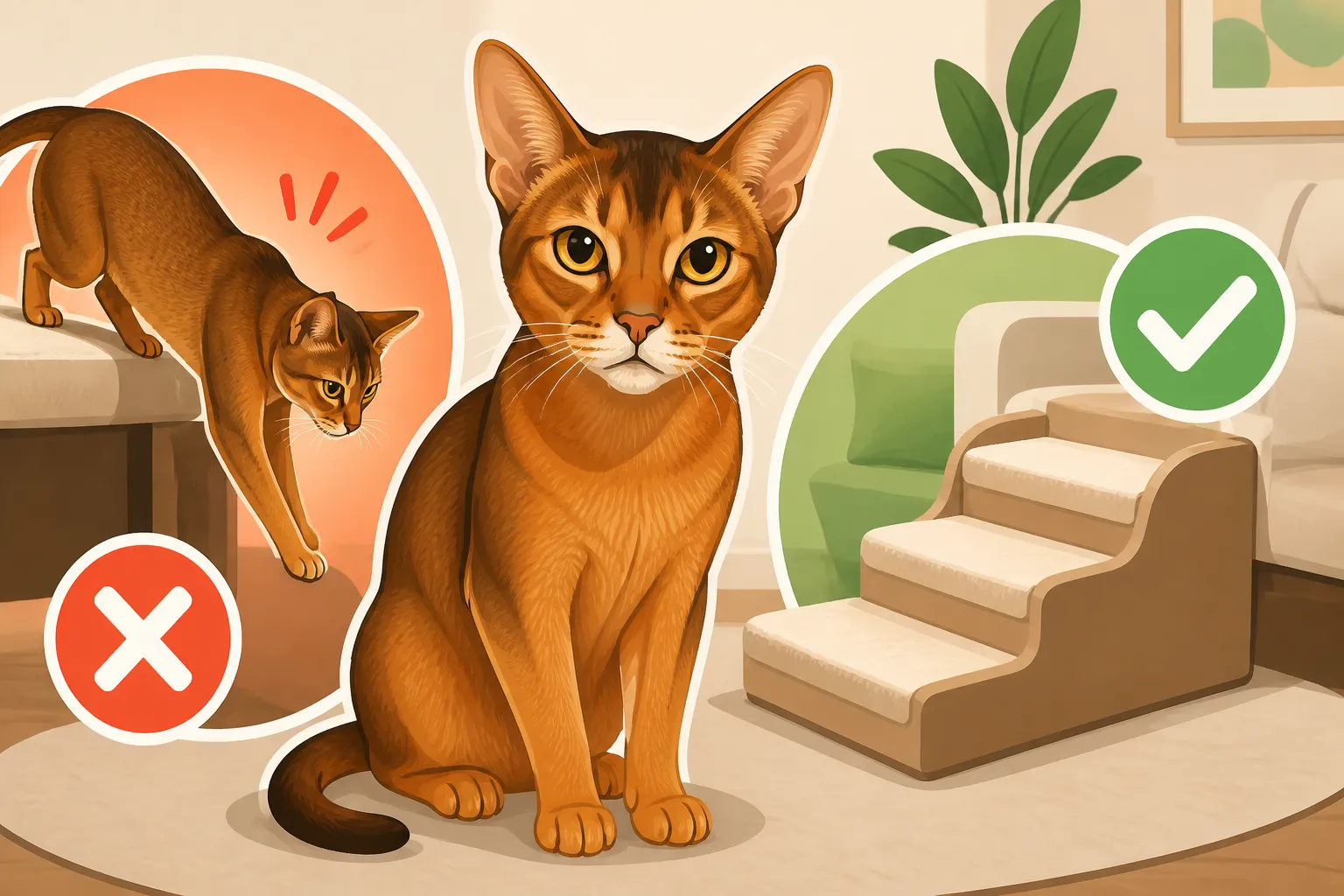
The good news is that you don't have to ban your senior Abyssinian from all heights. Instead, the key is to adapt their environment to make those coveted high spots accessible and safe again. This means creating a series of "lower steps" – gentle transitions that allow them to ascend and descend without straining or risking a fall.
Strategic Placement of Pet Steps and Ramps
This is your first line of defense. Instead of expecting them to leap from the floor to the windowsill, provide a series of intermediate steps. Think modular pet steps made from sturdy foam or wood. You can find excellent options on Amazon or Chewy that come in various heights and configurations. Place them strategically:
- Next to their favorite window perch: A two or three-step unit can turn a daunting leap into an easy stroll.
- Leading up to your bed or sofa: If your Abyssinian loves to snuggle, make it easy for them to get up and down without jumping.
- Beside cat trees or shelving units: Even existing cat trees can be made more accessible by adding smaller steps leading to the first platform, or by adding additional intermediate platforms if possible.
Ramps are also fantastic, especially for very frail or arthritic cats, as they provide a smooth, continuous incline with no jarring steps. Ensure ramps have a non-slip surface, like carpet or textured fabric, for good grip. When selecting, consider the weight and stability of the product. Flimsy steps will only create new hazards.
Modifying Existing Vertical Structures
Sometimes, you don't need to buy new; you just need to rethink what you have.
- Lowering perches: Can a beloved shelf or window perch be moved a few inches or even a foot lower? Even a small reduction in height can make a huge difference.
- Adding intermediate levels: If your cat tree has large gaps between platforms, consider adding small, sturdy wooden shelves or even tightly secured storage cubes to create extra "stepping stones." This creates a gradual staircase effect. You want to make it so they never have to make a jump that feels too far or too high for their current abilities.
- Providing soft landings: Underneath their favorite high spots, place thick rugs, pet beds, or even a stack of soft cushions. While not a substitute for proper steps, these can cushion an accidental fall, reducing the severity of injury.
- Utilizing existing furniture: A sturdy ottoman, a low bookshelf, or a strong side table can become an invaluable intermediate step to a higher area. Just make sure the furniture is stable and won't tip over when jumped on.
The Role of Safe, Non-Slip Surfaces
Beyond the steps themselves, consider the surfaces your Abyssinian is navigating. Slick hardwood floors or tiled areas can be treacherous, especially for an older cat with compromised balance.
- Rugs and carpet runners: Place non-slip rugs or carpet runners in high-traffic areas and especially where your cat might launch or land from a jump. This provides better traction and also a softer landing surface.
- Textured covers: If your Abyssinian insists on jumping onto a smooth, slippery surface like a wooden dresser or a kitchen counter, consider placing a non-slip mat or towel there to give them a more secure foothold. Even though we want to encourage lower steps, sometimes old habits die hard, and mitigation is key.
Here’s a quick overview of options for making high places accessible:
| Aid Type | Description | Pros | Cons | Ideal Use |
|---|---|---|---|---|
| Pet Steps | Multi-tiered steps, usually foam or wood, resembling miniature stairs. | Clear steps, easy to understand for cats, stable options. | Can be bulky, may not suit all heights, some cats avoid steps. | Beds, sofas, low window sills, base of cat trees. |
| Pet Ramps | Gradual incline ramp, often carpeted for grip. | No steps, easier on very stiff joints, continuous support. | Can be longer/larger than steps, steeper ramps can be intimidating. | Beds, larger furniture, window sills requiring a longer run. |
| Modular Shelves | Individual shelves installed on a wall at varying heights. | Customized climbing routes, space-saving, aesthetically pleasing. | Requires installation, needs careful planning for safe spacing. | Creating vertical pathways up walls, leading to high perches. |
| Ottomans/Stools | Sturdy, stable furniture used as intermediate landing spots. | Multi-functional, can blend with decor, readily available. | May not be specifically designed for pet use, can move if not stable. | Any high surface, as a single intermediate step. |
Beyond the Steps: Holistic Support for Your Senior Abyssinian
While physical modifications to your home are crucial, supporting your senior Abyssinian's mobility and comfort involves a holistic approach. It’s about more than just preventing falls; it’s about nurturing their overall well-being as they age.
Nutritional Adjustments and Supplements
Proper nutrition plays a huge role in joint health and maintaining muscle mass.
- High-quality protein: Ensure their diet contains ample high-quality protein to support muscle maintenance. As cats age, their ability to utilize protein can decrease, so slightly higher percentages might be beneficial. Consult your vet or a feline nutritionist for specific recommendations. Brands like Chewy and Amazon offer a variety of senior-specific cat foods formulated with these needs in mind.
- Joint supplements: Many veterinarians recommend joint supplements containing ingredients like glucosamine, chondroitin, and omega-3 fatty acids. These can help support cartilage health, reduce inflammation, and alleviate pain. Always discuss new supplements with your vet before introducing them to ensure they are appropriate and don't interact with any existing medications.
- Weight management: Keeping your Abyssinian at a healthy, lean weight is paramount. Extra pounds put immense strain on aging joints, exacerbating arthritis. Why a Lean Abyssinian Puts Less Load on Its Joints emphasizes the importance of a healthy weight. If your Abyssinian has gained weight, work with your vet to create a safe and effective weight loss plan. Conversely, if your senior cat is losing weight, Why an Abyssinian's Weight Loss Is Never Minor explains why this is a red flag requiring immediate veterinary attention. Adjusting their food, as discussed in How to Adjust an Old Abyssinian's Food, is critical for senior cats.
Regular Veterinary Check-ups and Pain Management
As your Abyssinian moves into their senior years (typically around seven to ten years old, as discussed in When an Abyssinian Counts as Senior), regular veterinary check-ups become even more vital.
- Early detection: Your vet can monitor their joint health, assess their muscle condition, and catch any underlying issues early. They might recommend specific tests or examinations to gauge the extent of joint degeneration.
- Pain assessment: Cats are masters at hiding pain. Your vet can help identify subtle signs of discomfort and discuss appropriate pain management strategies. This might include anti-inflammatory medications, physical therapy, or alternative therapies like acupuncture. What Pain Relief an Arthritic Abyssinian Can Take provides more details on options.
- Ongoing care: Discuss with your vet about proactive measures for maintaining their mobility. They can recommend specific exercises, massage techniques, or even refer you to a veterinary physiotherapist. It's about staying ahead of the game, rather than just reacting to problems. How to Keep an Old Abyssinian Climbing Safely also offers excellent advice for managing their activity.
Encouraging Safe Play and Mental Stimulation
Just because your Abyssinian is aging doesn't mean they stop needing mental and physical enrichment. You just need to modify how they play.
- Ground-level games: Focus on play that doesn't require high jumps or intense bursts of speed. Laser pointers, feather wands, and puzzle feeders can still be incredibly engaging when played at ground level.
- Gentle climbing: Encourage them to use the newly installed steps and ramps by placing treats or toys on them. Celebrate their successes! This positive reinforcement helps them associate the new pathways with good things.
- Warmth and comfort: Arthritic joints often feel worse in the cold. Provide warm, comfortable sleeping spots, perhaps an orthopedic bed or a heated cat mat. Many excellent options are available from retailers like Chewy or Amazon that cater specifically to senior pets. A cozy, warm bed can do wonders for aching joints, making them feel more relaxed and less stiff.
By implementing these strategies, you're not just preventing injury; you're actively enhancing your senior Abyssinian's quality of life, allowing them to remain engaged, comfortable, and feeling loved in their twilight years. What an Old Abyssinian Needs Once It Stops Jumping offers further insights into adapting their lifestyle.
Disclaimer
This article is for general informational purposes only and does not constitute professional advice. Laws, prices and regulations vary by location and change over time. Consult a qualified professional for guidance on your specific situation.