Why an Abyssinian Looks Like a Wall Painting
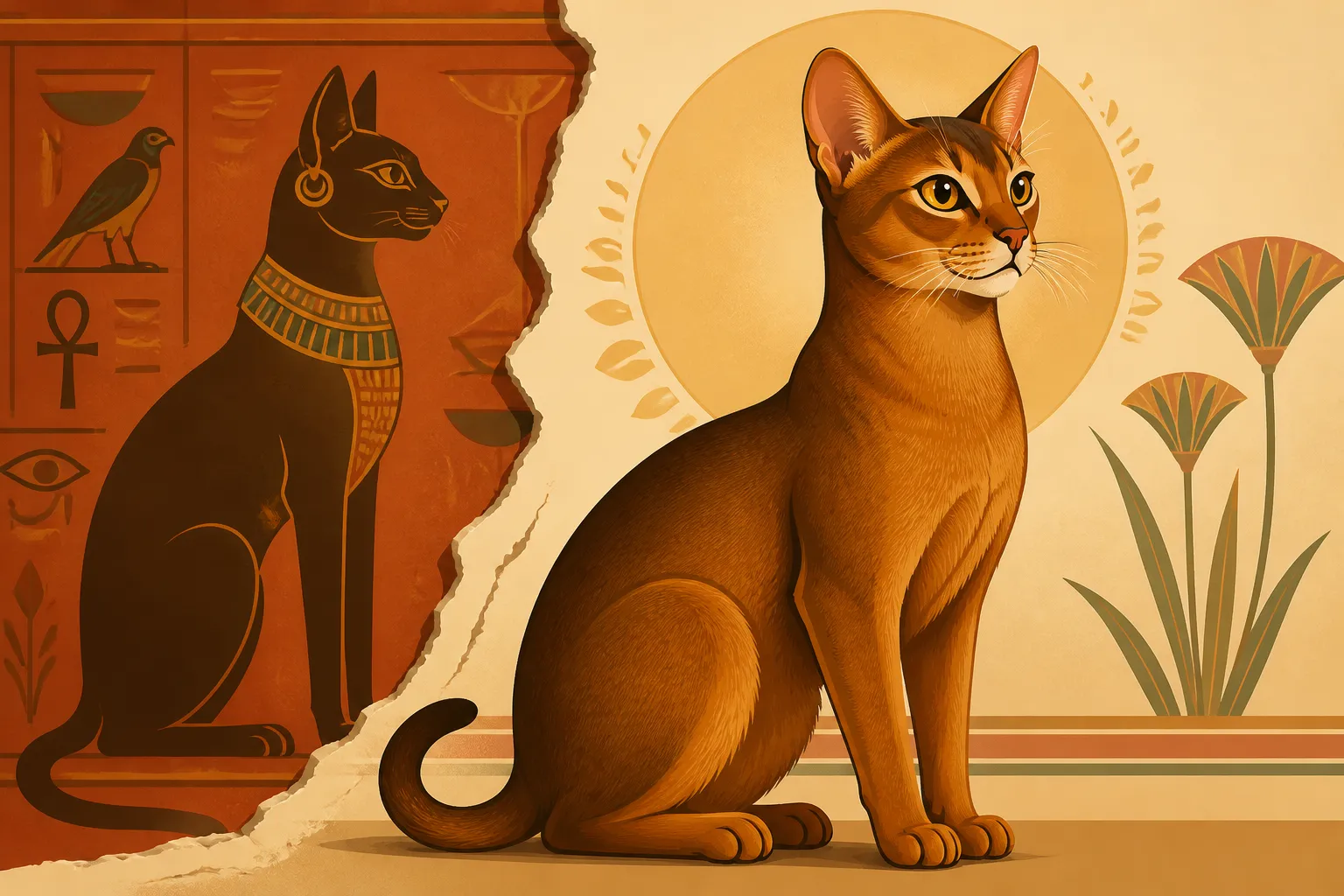
Many Abyssinian owners, and even those just admiring the breed, often remark that their cat looks like it stepped right out of an ancient fresco or an old Egyptian tomb painting. It’s a common observation, and for good reason! This isn't just a quirky coincidence; it speaks to the unique genetic heritage and distinct physical traits that give the Abyssinian its remarkably timeless and almost regal appearance. This guide will delve into the specific features and historical connections that make the Abyssinian truly a living work of art.
The Timeless Appeal of the Abyssinian Aesthetic
Unpacking the "Ancient" Look: What Does It Mean?
When people say an Abyssinian looks "ancient" or like a "wall painting," they're often referring to a combination of distinct features that evoke images from historical art, particularly from ancient Egypt. It's not just about their striking coat color, but the entire gestalt: their lean, graceful bodies, their large, alert ears, and those captivating almond-shaped eyes that seem to hold centuries of wisdom. There’s a certain elegance and wild beauty that feels untouched by modern breeding trends, connecting them visually to cats depicted in art from millennia ago. This perception is deeply rooted in how these cats carry themselves and the refined lines of their physique.
It’s easy to feel a sense of wonder when you observe an Abyssinian. They possess an almost ethereal quality, a stark contrast to some of the more "designer" breeds we see today. Their movements are fluid and agile, their posture often poised and observant, as if they are perpetually surveying their kingdom. This isn't just a physical trait; it contributes significantly to the aura of antiquity. They often appear to be deep in thought, their intense gaze suggesting a profound connection to their lineage, making that "wall painting" comparison feel incredibly apt and not at all an exaggeration. It's a feeling of seeing a piece of history moving and breathing right in front of you.
Features That Evoke Antiquity: Ears, Eyes, and Body
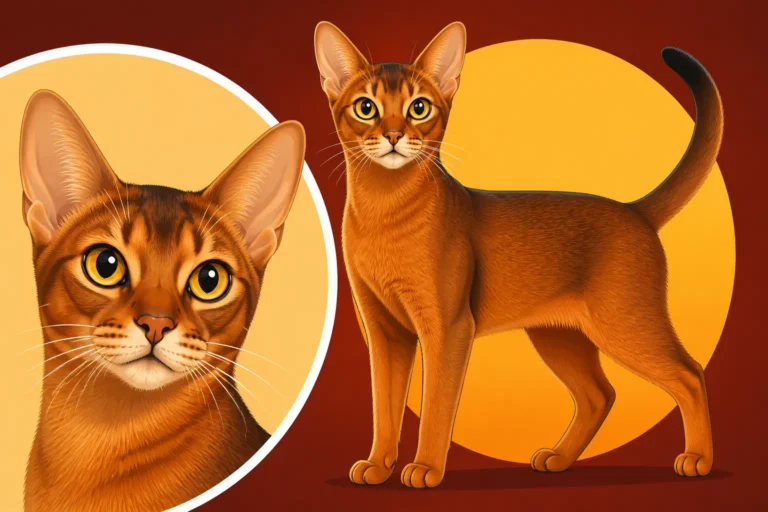
Several specific features truly cement the Abyssinian's ancient appearance. Their large, expressive ears, for instance, are set wide apart on a wedge-shaped head, often with a slight cupping that enhances their alert, attentive look. These ears are not just for hearing; they contribute significantly to the breed's "wild" aesthetic, reminiscent of desert felines. The subtle tufting on the ear tips, though not always prominent, further enhances this primal connection, making them appear ready to pick up the faintest sound from a vast, open landscape.
Then there are those eyes—large, almond-shaped, and incredibly captivating, typically gold or green, outlined with a fine dark line, almost like natural eyeliner. This dark rim gives their eyes an intense, soulful depth, a feature often exaggerated in ancient Egyptian paintings of cats. The eyes convey intelligence and curiosity, and their somewhat serious expression, combined with that dark outline, makes them seem incredibly observant and almost mystical. It's a look that holds your gaze, drawing you in, much like the compelling eyes of subjects in ancient portraiture. Finally, the Abyssinian's body itself is a testament to agility and power. They are medium-sized cats, but they carry themselves with a grace that makes them appear larger and more statuesque. Their long, slender legs and finely-boned structure contribute to an elegant, almost dancer-like silhouette, perfectly balanced and agile. This lean, muscular build, without being overly bulky, is often depicted in historical art, symbolizing grace and strength. What an Abyssinian Looks Like Against the Show Standard goes into even more detail about these specific conformational elements.
Unraveling the Genetic Blueprint of the Abyssinian's Appearance
The Ticked Tabby Gene: A Coat Like No Other
The defining feature of the Abyssinian's "ancient" coat is its unique ticked tabby pattern, often described as agouti. Unlike other tabby cats that display stripes, spots, or swirls, the Abyssinian's coat has virtually no barring or traditional tabby markings on its body. Instead, each individual hair shaft is banded with alternating light and dark colors—usually three or four bands—with the dark tips. This sophisticated genetic trait means that as the cat moves, its coat shimmers and appears to change color, creating a dynamic, iridescent effect that is simply breathtaking. This subtle banding creates an incredibly soft, warm, and naturalistic texture that is rarely seen in other domestic breeds.
This ticking is what truly sets the Abyssinian apart and contributes heavily to its wild-animal resemblance. It's a camouflaging pattern found in many wild felines, helping them blend seamlessly into their natural environments. For an Abyssinian, this means a coat that isn't loud or patterned, but rather a rich, deep hue that shifts with the light, mimicking the variegated textures of sand, earth, or dappled sunlight. It gives them a depth of color that a solid coat simply can't achieve. This subtle, almost understated beauty makes their coat a marvel of genetic artistry, contributing immensely to why they seem so primordial. How an Abyssinian's Agouti Banding Works delves further into the science behind this stunning coat.
The Body Type: Graceful and Athletic
Beyond the coat, the Abyssinian's athletic and graceful body type is a crucial component of its ancient aesthetic. They possess a moderately foreign body, meaning they are neither cobby (stocky) nor extremely svelte, but rather a perfect balance of musculature and elegant lines. Their frame is fine-boned but surprisingly well-muscled, allowing for incredible bursts of speed, impressive climbing prowess, and an overall fluid gait. You’ll often see an Abyssinian poised on its toes, ready to spring into action, which further emphasizes their dynamic and energetic nature.
This lean, athletic build is a hallmark of many depictions of cats in ancient art, where they are often shown in powerful, elegant stances, hunting or observing their surroundings. The Abyssinian's long, tapering tail, in proportion to its body, adds to this sense of balance and completes their elegant silhouette. They are built for movement and exploration, and every curve and line of their body seems to contribute to an overall impression of refined athleticism. It’s a design that has proven successful over centuries, allowing them to excel as active, agile companions. You might find quality cat trees and climbing shelves at retailers like Chewy that cater to their natural inclination for vertical exploration. How an Abyssinian Uses a Catio explains more about their need for climbing.
Head Shape and Facial Features: The Expressive Face
The Abyssinian's head is a perfectly proportioned wedge, gently rounded with no flat planes, mirroring the balanced facial structures seen in many classic feline artworks. Their muzzle is neither pointed nor blunt, but rather a soft contour that contributes to their gentle yet alert expression. The most striking features on their face, apart from those magnificent eyes, are their large, prominent ears. Set wide apart and moderately pointed, they are constantly swiveling, picking up every sound, giving the Abyssinian an ever-curious and intelligent gaze.
A common, though not universally present, marking that further enhances their ancient look is the subtle "M" shape or scarab beetle marking on their forehead. While not as pronounced as in some tabby breeds, it sometimes offers another nod to ancient Egyptian symbolism, where the scarab was a revered icon. The slightly convex curve of their forehead flowing into their nose also contributes to a profile often described as "regal." These facial features, combined, create an expression that is both keen and contemplative, making it easy to imagine them as cherished companions in an ancient world. It is this distinctive combination that makes their faces so memorable and gives them that unique "wall painting" quality.
Echoes of the Past: Connecting Abyssinians to Ancient Art
Art History and Feline Depictions: A Visual Link
The striking resemblance between the Abyssinian cat and felines depicted in ancient Egyptian art is truly uncanny. For millennia, cats held a sacred place in Egyptian society, revered for their hunting prowess and domestic companionship, and often featured prominently in murals, sculptures, and hieroglyphics. These ancient depictions frequently show cats with lean bodies, large, upright ears, almond-shaped eyes often accentuated with kohl, and a general air of dignified grace—a description that perfectly fits the modern Abyssinian. It’s almost as if the artists of antiquity had an Abyssinian sitting right there as their model.
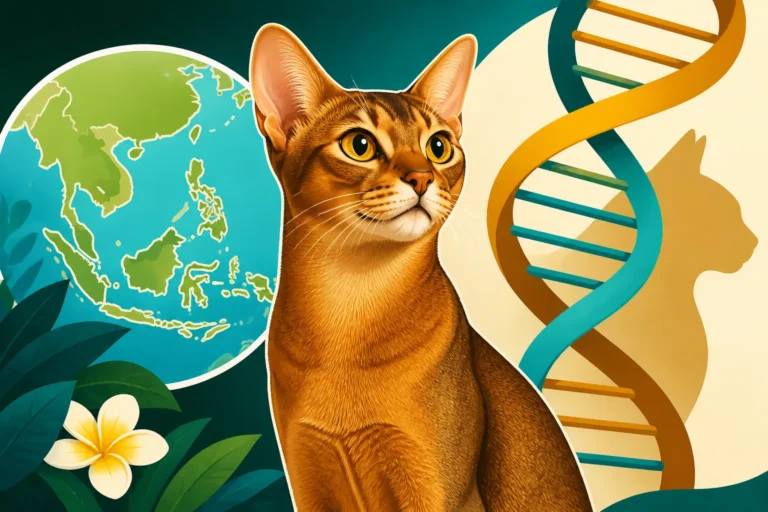
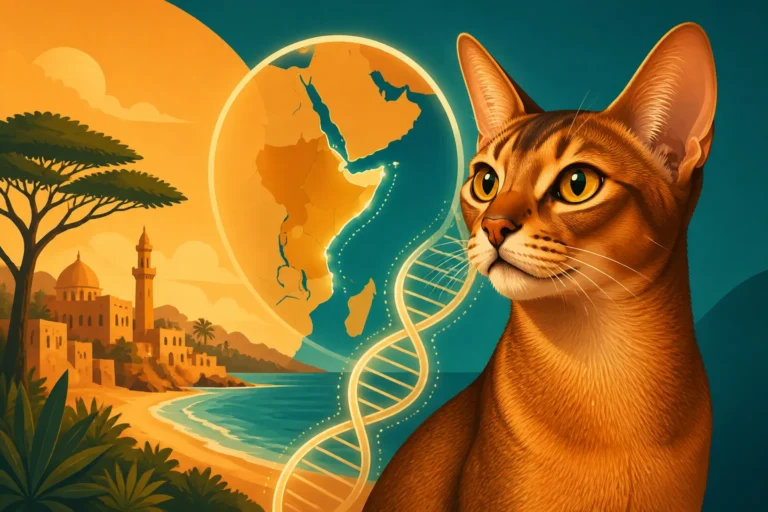
While modern DNA studies suggest the Abyssinian's direct lineage might trace more closely to cats from Southeast Asia and the Indian Ocean coast rather than directly from ancient Egypt, the visual parallels are undeniable and contribute heavily to the breed's mystique. It's the archetypal cat image that has been preserved. This visual continuity from ancient frescoes to living, breathing Abyssinians today makes them feel like a bridge between eras, a living embodiment of history. This connection adds a layer of depth and fascination for anyone lucky enough to share their home with one of these magnificent creatures. You can learn more about their disputed origins in The Abyssinian Is Probably Not From Abyssinia.
The "Bunny Cat" Nickname and Wildcat Resemblance
Another element contributing to the Abyssinian's "ancient" appearance, and indeed to its popular nickname, is its striking resemblance to small wild felines, especially the African wildcat. Early fanciers even called them "bunny cats" due to their ticked coats, large ears, and nimble, almost rabbit-like movements. This wild, untamed aesthetic harks back to a time before extensive domestication, when cats were closer to their wild ancestors. The ticked coat, as discussed, is a superb form of camouflage in natural environments, further enhancing this primal link.
Their athletic build and keen, intelligent eyes also reinforce the impression of a creature perfectly adapted to the wilderness, even though the modern Abyssinian is a thoroughly domesticated companion. This isn't to say Abyssinians are wild cats; far from it, they are famously affectionate and people-oriented. However, their physical traits—the lean muscularity, the alert stance, the large ears, and that distinctive ticked coat—all combine to give them an aura of being a small, elegant predator. This blend of wild beauty and domestic charm is a significant part of their unique appeal, making them stand out in a crowd of more overtly "cute" or "fluffy" cat breeds. Their behavior, too, can sometimes feel a bit wild, with their intense curiosity and boundless energy, which you can read more about in The Abyssinian Is the Busiest Cat in the House.
The Abyssinian's Enduring Popularity and Modern Breeding
Maintaining the Classic Look: Breeder's Role
Responsible breeders play an absolutely vital role in preserving the distinctive "ancient" look of the Abyssinian while simultaneously prioritizing health and temperament. They carefully select breeding pairs to ensure that the offspring inherit the desired physical traits—the correct head shape, ear set, eye shape, and, critically, that flawless ticked coat without unwanted barring. This commitment to the breed standard is what keeps the Abyssinian looking consistent and true to its historical aesthetic generation after generation. It's a challenging task, requiring deep knowledge of genetics and a keen eye for conformation.
Beyond aesthetics, ethical breeders are deeply concerned with the overall well-being of their cats. They conduct genetic health screenings to prevent the spread of hereditary diseases, ensuring that these living works of art are also robust and healthy. This dedication ensures that when you bring an Abyssinian home, you're not just getting a beautiful cat, but one that has been carefully nurtured to represent the best of the breed. It’s a painstaking process, but it’s essential to prevent the dilution of these unique traits and to maintain the Abyssinian's integrity. What an Abyssinian Breeder Should Have Tested Before You Buy outlines the tests that are crucial.
Living with a "Living Work of Art": Practical Considerations
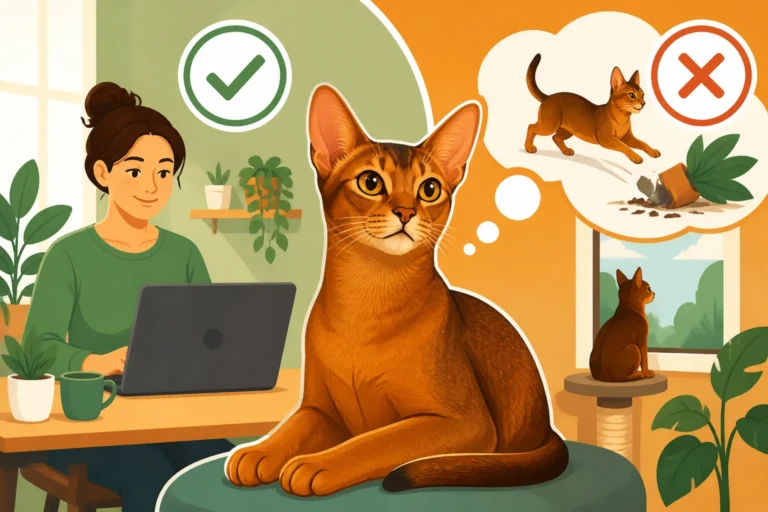
Living with an Abyssinian is truly an experience. Their striking appearance often means they draw admiring glances and comments, but it's important to remember they are also highly intelligent, energetic, and interactive companions. Their "wall painting" looks might suggest a serene, decorative cat, but Abyssinians are anything but sedentary! They demand engagement, play, and plenty of vertical space to climb and explore. Providing them with tall cat trees, shelves, and interactive toys is paramount to their happiness and prevents them from "redecorating" your home in ways you might not appreciate.
Their short, fine coat, while stunning, also requires minimal grooming, which is a blessing. A quick brush once a week to remove loose hairs is usually all it takes to keep them looking pristine. For their overall health and enrichment, consider regularly refreshing their toy collection or trying different puzzle feeders, available through online stores like Chewy, to keep their sharp minds stimulated. Ultimately, an Abyssinian is not just a beautiful ornament; they are a vibrant, active member of the family who will bring endless joy and conversation, reminding you daily of their captivating, ancient charm. Their presence truly transforms a house into a home with a living, breathing piece of art.
| Feature | Abyssinian Characteristic | Evokes Ancient Art By… |
|---|---|---|
| Coat Pattern | Ticked (agouti) with distinct banding | Absence of stripes/spots, wildcat camouflage |
| Body Build | Lean, muscular, moderately foreign | Graceful, athletic form, poised posture |
| Head Shape | Modified wedge, gently rounded | Balanced, elegant contours often depicted |
| Ears | Large, wide-set, alert, often cupped | Prominent, attentive ears in ancient carvings |
| Eyes | Almond-shaped, gold/green, dark-rimmed | Intense, expressive gaze, "kohl" outline |
| Tail | Long, tapering, in proportion to body | Balances the graceful silhouette |
The Legacy of a Wild Beauty
How the Abyssinian Resembles Ancient Egyptian Art
The connection between the Abyssinian and ancient Egyptian cat imagery is more than just superficial; it's deeply ingrained in their very conformation. When you look at statues of the goddess Bastet or observe painted murals in tombs, the feline subjects often share striking similarities with today's Abyssinian. The long, elegant neck, the graceful arch of the back, and the high-set, athletic legs are all hallmarks of both the ancient artistic representations and the modern Abyssinian. This particular body type, often referred to as "foreign" or "semi-foreign," is distinct from the cobby build of some other breeds and gives the Abyssinian an almost regal stance.
Furthermore, the Abyssinian’s vibrant, ticked coat, especially in its ruddy (or "usual") color, often mirrors the warm, earthy tones prevalent in ancient Egyptian palettes. The way light plays across their fur, highlighting the subtle banding on each hair, creates a dynamic texture that would have been challenging yet rewarding for ancient artists to capture. This natural elegance, combined with their intelligent and discerning gaze, makes it easy to understand why early enthusiasts and even casual observers make the immediate leap to comparing them with historical artworks. It’s a powerful visual lineage that continues to captivate.
The Myth and Reality of Their Origins
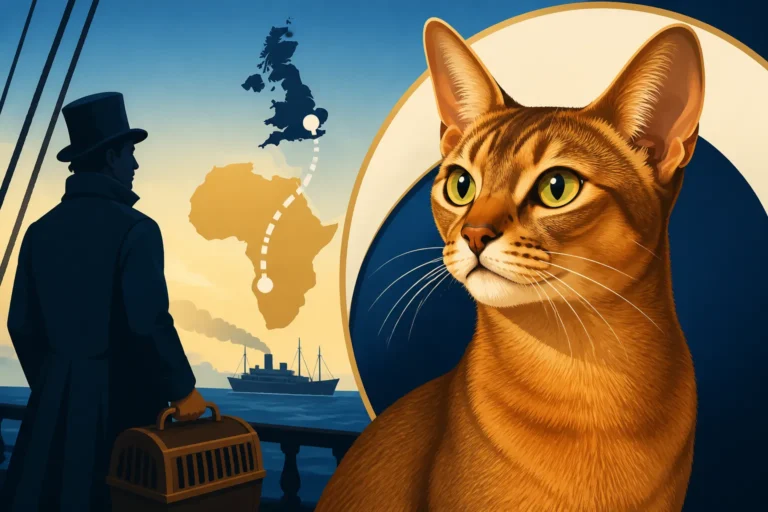
While the visual resemblance to ancient Egyptian cats is undeniable and fuels much of the Abyssinian’s romantic appeal, modern genetic research has provided a clearer picture of their likely origins. The popular myth tells of Abyssinians descending directly from the sacred cats of Egypt, perhaps even brought back from Abyssinia (modern-day Ethiopia) by British soldiers. While a charming story, scientific studies point to a more complex narrative, suggesting their genetic roots might lie more in Southeast Asia and the Indian Ocean coastal regions. What DNA Says About Where Abyssinians Came From offers a fascinating dive into this topic.
This doesn't diminish their ancient aesthetic, however. Rather, it highlights how certain desirable feline traits, like the ticked coat and lean body, have been selected for and preserved across different geographical and historical contexts. It speaks to a universal appeal of these particular features, perhaps because they represent a primal beauty and an efficient form. Regardless of their exact historical journey, the Abyssinian stands today as a living testament to a type of feline grace that has captured human admiration for thousands of years, truly making them appear as if they've stepped out of a cherished piece of history. Remember to source appropriate toys and enrichment from reputable pet supply sites like Chewy to keep your living "wall painting" happy and healthy.
Disclaimer
This article is for general informational purposes only and does not constitute professional advice. Laws, prices and regulations vary by location and change over time. Consult a qualified professional for guidance on your specific situation.