How a Male and Female Abyssinian Differ in Size
One common question prospective Abyssinian owners have is about the physical differences between male and female Abyssinians. It's completely natural to wonder if there will be a significant size disparity that might influence your decision, especially if you have preferences for a smaller or larger companion. This guide will explore the typical size, build, and presence of both male and female Abyssinians, helping you understand what to expect from these active, graceful felines.
Understanding the Abyssinian Build
The Abyssinian is renowned for its elegant, medium-sized build, often described as having a "foreign" body type. They're not excessively large or cobby like some breeds, but instead possess a lithe, muscular frame that speaks to their energetic and athletic nature. This distinctive physique is a hallmark of the breed, giving them that wild cat, almost miniature cougar, appearance.
The Sleek, Athletic Physique
When you picture an Abyssinian, you should visualize a cat built for movement. Their bodies are long, lean, and exceptionally well-muscled, without being bulky. They have a graceful arch to their back, leading to a long, tapering tail. Their legs are slender yet strong, ending in small, oval paws that contribute to their almost tiptoe-like gait. This athletic build allows them to be incredibly agile jumpers and climbers, capable of scaling heights with remarkable ease. It's this active, dynamic body type that contributes to their vibrant personality and need for ample enrichment. They truly embody the phrase "form follows function," with every aspect of their physical design supporting their high-energy lifestyle.
This sleekness isn't just about aesthetics; it's about their inherent activity level. An Abyssinian is almost always on the go, exploring, playing, and interacting with their environment. Their body is perfectly adapted for bursts of speed, acrobatic leaps, and intricate maneuvers, whether they're chasing a toy or navigating the highest shelves in your home. This inherent athleticism means they generally maintain a healthy, lean physique throughout their lives, provided they receive appropriate nutrition and exercise. Their body is a testament to their wild roots, suggesting a history of hunting and climbing.
Weight and Frame: A Delicate Balance
Despite their medium size, Abyssinians are often surprisingly light for their apparent stature. This is due to their lean muscle mass and lack of heavy bone structure. Their weight is typically carried evenly across their athletic frame, giving them a balanced and proportionate appearance. It’s a delicate balance; they should never look overweight or chunky, as excess weight can quickly hinder their agility and lead to health issues. Conversely, they should also not appear underweight or bony, as this could indicate underlying health problems or insufficient nutrition.
Maintaining this ideal weight and frame is crucial for an Abyssinian's health and quality of life. Owners must be diligent in monitoring their cat's body condition, as even a small amount of extra weight can impact their joints and overall activity level. The breed standard emphasizes this lean, muscular build, and breeders strive to maintain it through careful selection. When considering How Big an Adult Abyssinian Gets, remember that it's not just about the number on the scale, but how that weight is distributed across their athletic, flexible body. A healthy Abyssinian feels firm and toned, not soft or padded, even with their wonderfully dense, ticked coat.
Size Differences in Male Abyssinians
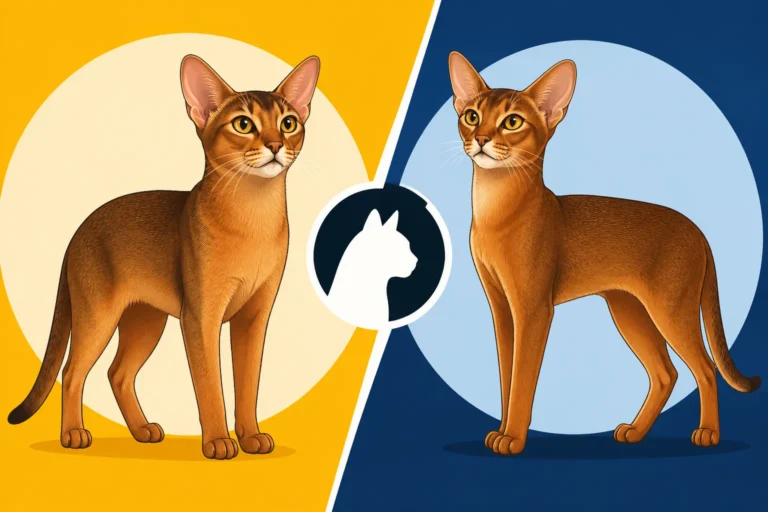
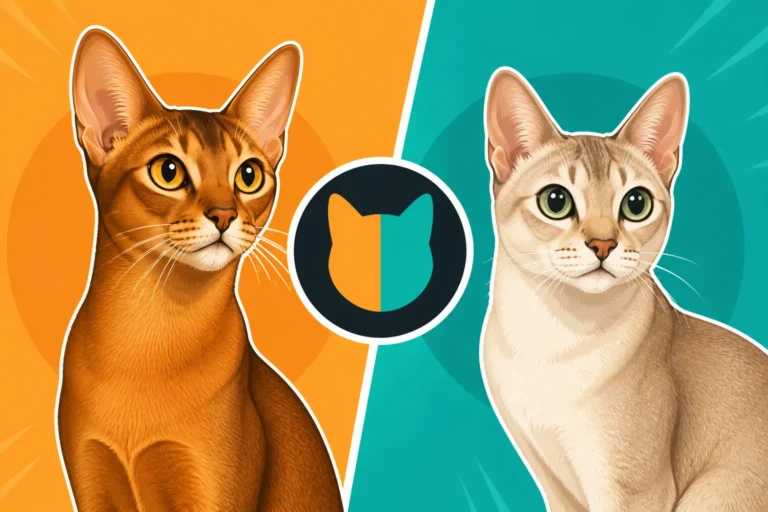
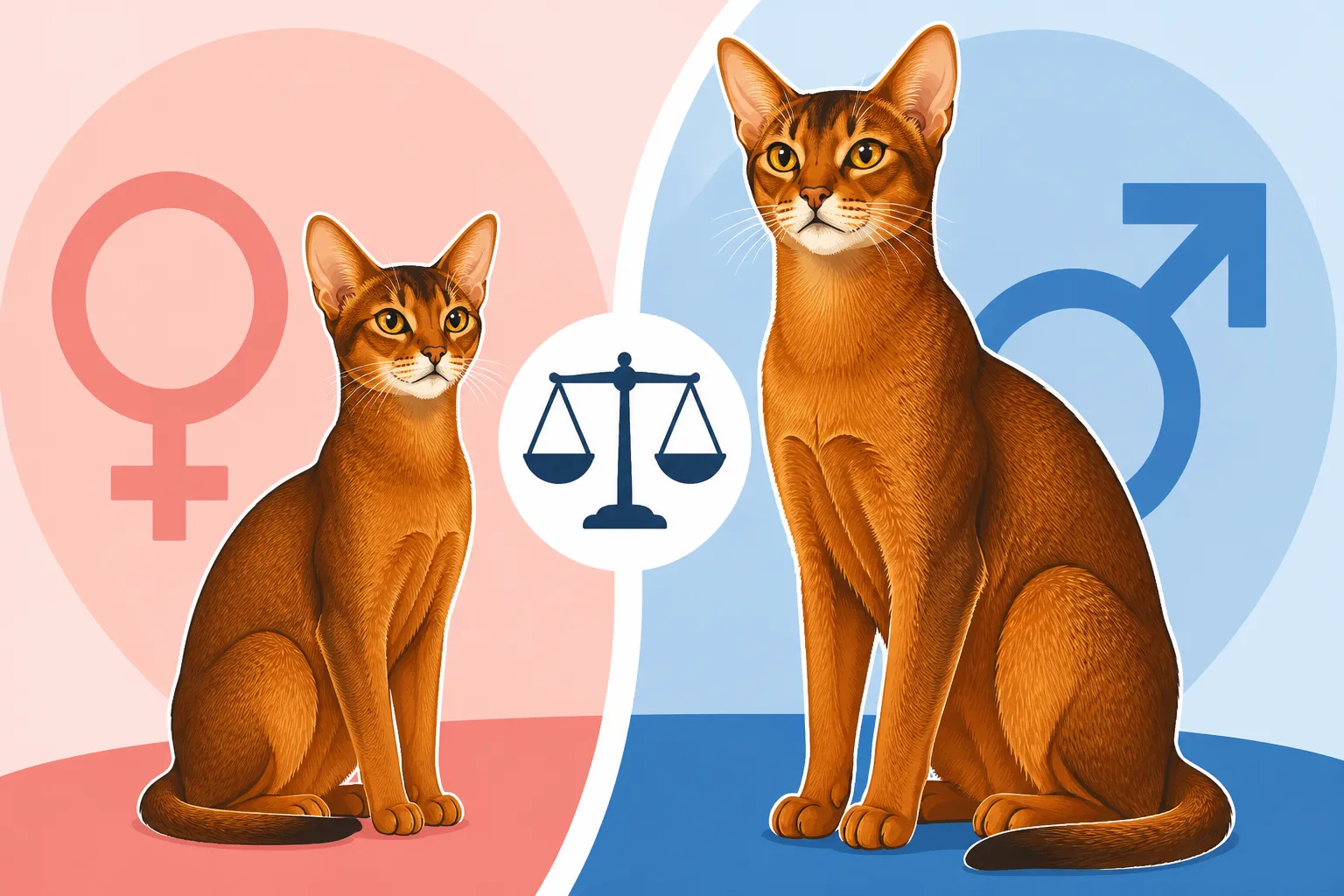
Typically, male Abyssinians tend to be slightly larger and heavier than their female counterparts. This dimorphism, while not as pronounced as in some other animal species, is noticeable to the keen eye and something breeders often observe in their litters. They carry a bit more muscle and can have a more substantial head, giving them a generally more robust appearance.
Expected Weight Range for Males
A fully grown male Abyssinian usually weighs somewhere between 7 to 10 pounds (approximately 3.2 to 4.5 kg). Some larger individuals might even reach up to 12 pounds, but this is less common and still within a healthy range if the weight is proportionate to their overall frame and length. When you pick up a male Abyssinian, you'll feel a solid, muscular cat, but one that is still incredibly agile and lithe. They possess a powerful grace that is a joy to behold, especially when they're in full play mode, leaping across furniture or scaling a cat tree.
It's important to remember that these are averages, and individual genetics play a significant role. A well-bred male from a healthy line will typically fall within this range. If you're wondering How Much an Adult Male Abyssinian Weighs, it's good to keep these figures in mind as a benchmark. Their weight is often a direct reflection of their muscle development, which supports their high activity levels. You might notice that even with a slightly higher weight, they maintain that characteristic slim profile, thanks to their active metabolism and efficient musculature.
Musculature and Overall Presence
Male Abyssinians often exhibit a slightly more developed musculature, particularly across their shoulders and hindquarters. This gives them a powerful, athletic presence. While both sexes are incredibly active, males can sometimes seem to possess an extra burst of energy or a more dominant physical presence within the household, especially when they are younger. Their heads might appear a little broader, and their jowls can be a bit more pronounced, contributing to a strong, masculine expression.
This enhanced musculature isn't about being bulky; it’s about definition and strength that allows for impressive feats of acrobatics. When a male Abyssinian surveys his domain from the top of a tall Which Cat Tree Height Suits an Abyssinian, you truly appreciate their powerful build. Their larger size contributes to an air of confident exploration and boundless curiosity. They might be the ones to reach the highest shelf first, or to investigate a new sound with a bit more bravado. This presence can make them seem like the fearless leaders of the feline pack, always ready for the next adventure.
Size Differences in Female Abyssinians
Female Abyssinians, while still athletic and vibrant, tend to be more delicate in their build compared to males. They are the epitome of feline grace and agility, often displaying a slightly more refined and elegant appearance. This doesn't mean they are less active or playful; it simply means their physical presence is a touch more understated.
Expected Weight Range for Females
Female Abyssinians typically weigh between 6 to 9 pounds (approximately 2.7 to 4.1 kg). Like males, some individuals might fall slightly outside this range, but a healthy female Abyssinian will usually reside within these parameters. They are undeniably light-footed, moving with an almost balletic precision that allows them to navigate tight spaces and launch themselves into impressive jumps with effortless fluidity. Their lighter frame doesn't compromise their strength or stamina; rather, it enhances their innate agility.
When researching How Much an Adult Female Abyssinian Weighs, it's clear that they are on the smaller side of the medium-sized cat spectrum. Their slighter build makes them exceptionally graceful, and they often maintain a kitten-like litheness even into adulthood. This can sometimes make them appear deceptively delicate, but anyone who has lived with a female Aby knows their strength lies in their incredible speed and acrobatic prowess. They are just as capable of climbing to the highest point or engaging in vigorous play sessions as their male counterparts, often with a mischievous twinkle in their large, expressive eyes.
A More Refined and Agile Build
The female Abyssinian's build is often described as more refined, with a more slender neck and a slightly narrower head. Their features tend to be more delicate, contributing to an overall graceful aesthetic. While both sexes possess the characteristic "ticked" coat, the female's often seems to drape over a more finely sculpted frame, enhancing their elegant lines. This refinement allows for incredible agility and quickness, making them phenomenal jumpers and climbers.
Their agile build allows them to be incredibly nimble, often darting through the house with such speed that they appear as a blur. They are masters of the sudden stop and pivot, effortlessly changing direction in pursuit of a toy or an errant dust bunny. This agility is a key part of the Abyssinian charm, making them fascinating to watch. They might be slightly smaller, but their movements often possess a sharpness and precision that is truly captivating. This refined build makes them seem like perpetually youthful cats, always ready for a game or an exploration. They embody the natural elegance of the feline world.
Factors Influencing Abyssinian Size Beyond Sex
While sex is a primary determinant of an Abyssinian's size, it's far from the only factor. Many other elements can contribute to whether your Abyssinian leans towards the smaller or larger end of the spectrum, regardless of whether it's a male or female. Understanding these can help set realistic expectations and ensure your cat grows up healthy.
Genetics and Lineage
The genetic background of your Abyssinian plays a monumental role in their ultimate size and build. Just like in humans, cats inherit traits from their parents and grandparents, including predispositions for size. If both parents are on the larger side of the Abyssinian spectrum, their offspring are more likely to also be larger. Conversely, if the lineage consists of smaller, more delicate Abyssinians, their kittens will likely follow suit. This is why a reputable breeder will often share information about the size of their breeding cats and even previous litters.
It's not just about the immediate parents, either. The overall health and robustness of the specific breeding line can influence a kitten's growth potential. Some lines naturally produce cats with a slightly heavier bone structure or more substantial muscle mass, while others emphasize a more slender, "typey" appearance. When you inquire about your kitten's background, asking about the size and build of their relatives can give you a good indication of what to expect. This genetic blueprint is largely set before your kitten even comes home, so while you can influence their health, you can't fundamentally change their genetic potential for size. This is also why reputable breeders track lineages to maintain the breed standard and avoid health issues.
Nutrition and Lifestyle
Proper nutrition is paramount for an Abyssinian kitten to reach its full genetic potential in terms of size and development. A high-quality diet, rich in animal protein and balanced with essential nutrients, supports healthy growth, strong bones, and robust muscle development. Kittens need specific caloric and nutrient profiles to fuel their rapid growth, which is why kitten-specific foods are crucial in their first year. If a kitten is fed a poor-quality diet or doesn't receive enough calories during its critical growth phases, it may not develop to its full genetic potential, appearing smaller or less robust than it otherwise would have been.
Beyond kittenhood, continued appropriate nutrition helps maintain an adult Abyssinian's ideal weight and muscle mass. Given their high energy levels, How Many Calories an Adult Abyssinian Burns can be quite surprising, often requiring more food than you might expect for their size. Regular exercise and mental stimulation also contribute to a healthy, lean physique. An Abyssinian that doesn't get enough physical activity might become slightly softer in build, even if not truly overweight, losing some of that characteristic athletic definition. Ensuring they have ample opportunities to climb, chase, and explore helps them maintain their powerful musculature. Retailers like Chewy offer a wide range of high-quality foods designed to meet the specific needs of active cats like Abyssinians.
Neutering and Spaying Impact
The timing of neutering or spaying can also have a subtle effect on an Abyssinian's final size and body composition. Cats spayed or neutered at a younger age sometimes grow slightly taller or longer than intact cats because the removal of reproductive hormones can delay the closing of growth plates in their bones. This can lead to a slightly lankier appearance, though the overall weight might still fall within the typical range.
Furthermore, spaying and neutering can alter a cat's metabolism. While it's a common misconception that altered cats automatically become fat, their caloric needs do often decrease slightly due to hormonal changes and sometimes a reduction in overall activity levels. Owners need to be mindful of their cat's diet after the procedure to prevent weight gain. An Abyssinian that becomes overweight after spaying or neutering will certainly appear larger, but it won't be a healthy, muscular size. It's about monitoring their intake and ensuring they continue to receive enough exercise to keep that lean, athletic Abyssinian physique intact. Adjusting their food intake or choosing lower-calorie options available through places like Chewy can be beneficial.
What to Expect During Growth
Bringing home an Abyssinian kitten is an exciting journey, and watching them grow into their adult size is a fascinating process. Their development isn't linear, and understanding the general stages can help you appreciate their journey and ensure they're meeting healthy milestones.
Growth Stages and Milestones
Abyssinian kittens are born tiny, but they grow quite rapidly in their first few months. By the time they come home to you, typically around 12 to 14 weeks, they'll already be sturdy and active, albeit still very much kittens. Their growth is most pronounced in the first six to eight months. During this period, you'll see them visibly lengthen and gain muscle, transforming from a fluffy, somewhat gangly youngster into a more coordinated and powerful adolescent. They'll be full of boundless energy, constantly playing, exploring, and testing their physical limits, which is essential for developing their musculature and coordination.
By about six months, a female Abyssinian will be approaching her adult height and length, though she'll continue to fill out. Males might continue to gain a bit more size and muscle in the coming months. These early months are also when their "ticked" coat really begins to develop its characteristic banding, and their true adult color starts to shine through. Keep an eye on their weight gain, ensuring it's steady and healthy. Regular vet visits are important during these formative months to monitor their growth and overall well-being. Knowing When an Abyssinian Reaches Full Size is key to understanding their development.
When an Abyssinian Reaches Full Size
While Abyssinian kittens do a lot of their growing in the first year, they typically reach their full adult size and muscular development between 12 to 18 months of age. Some males, particularly those with a predisposition for a slightly larger frame, might continue to fill out and add muscle until they are around two years old. It's a gradual process after the initial kitten growth spurt, where the emphasis shifts from rapid expansion to refining their musculature and achieving that lean, toned Abyssinian physique.
Even after they reach their full skeletal size, their body can still mature, with muscles becoming more defined and their overall presence solidifying. This is why you might notice subtle changes in their build even after their first birthday. Throughout this period, maintaining a balanced diet, providing plenty of vertical space for climbing, and engaging them in interactive play are crucial. This helps ensure they achieve their optimal healthy adult size and retain their incredible athleticism. Once they are fully grown, it becomes even more vital to pay attention to How to Read an Abyssinian's Body Condition Through That Coat to prevent them from becoming overweight, which can happen if their diet isn't adjusted to their mature metabolism.
| Characteristic | Male Abyssinian (Approximate) | Female Abyssinian (Approximate) |
|---|---|---|
| Weight Range | 7-10 lbs (3.2-4.5 kg) | 6-9 lbs (2.7-4.1 kg) |
| Height (Shoulder) | 8-10 inches (20-25 cm) | 7-9 inches (18-23 cm) |
| Body Length | 16-18 inches (41-46 cm) | 14-16 inches (36-41 cm) |
| Build | Slightly more robust, muscular | More refined, agile, delicate |
| Head Shape | Broader, stronger jawline | Narrower, more finely sculpted |
| Full Maturity | 18-24 months | 12-18 months |
This table provides a general guideline; individual variations are always present.
Living with an Abyssinian of Any Size
Regardless of whether you bring home a slightly larger male or a more petite female, the core experience of living with an Abyssinian remains wonderfully consistent. These cats are not defined by their exact dimensions but by their vibrant personalities, boundless energy, and profound affection for their human companions. Their size, while a noticeable difference between the sexes, rarely dictates their capacity for joy, mischief, or deep connection.
The Unwavering Abyssinian Spirit
What truly sets the Abyssinian apart is their unwavering spirit. They are often described as the "Clowns of the Cat Kingdom" or the "Aby-sinians" due to their playful antics and constant curiosity. Whether a male or female, your Abyssinian will be an active participant in your household, following you from room to room, supervising your tasks, and always ready to engage. Their medium size allows them to be incredibly agile, making them fantastic climbers and jumpers. A slightly larger male might make a more dramatic leap, and a smaller female might fit into tighter spaces, but both will explore every nook and cranny of your home with equal enthusiasm. Their intelligence and problem-solving skills mean they'll likely figure out how to open cabinets or turn on faucets, regardless of their gender or exact size.
It's this engaging personality that truly captivates owners. They thrive on interaction and can become quite attached to their people. Even if they don't always enjoy being a lap cat, they will seek your presence and show affection in their own unique ways, like a gentle head-bonk or a soft chirp as you walk by. For more on their energetic nature, you might want to read Why an Abyssinian Is Wrong for a Quiet Household, which emphasizes their need for engagement.
Meeting Their Needs for Activity and Enrichment
Due to their energetic nature, Abyssinians of all sizes require significant mental and physical enrichment. They need opportunities to climb, explore, and "hunt." This means providing plenty of vertical space, such as tall cat trees, wall-mounted shelves, and sturdy scratching posts. Their lean, muscular bodies are built for movement, and without sufficient outlets for their energy, they can become bored and, in some cases, destructive. It's not uncommon for an Abyssinian to "redecorate" your home if they're not adequately stimulated.
Interactive play sessions are a must, ideally several times a day, to help burn off their energy and satisfy their predatory instincts. Wand toys, puzzle feeders, and even clicker training can be excellent ways to engage their intelligent minds. Regardless of whether you have a male or female, plan to invest in high-quality, durable toys, as Abyssinians can be quite adept at destroying lesser-made items. You can find a wide array of engaging toys and puzzle feeders on platforms like Chewy that cater to their specific needs. Providing this enrichment isn't just about managing their energy; it's about fostering their well-being and strengthening your bond.
Health Considerations and Lifespan
When it comes to general health, the sex of your Abyssinian doesn't typically dictate specific health challenges beyond typical reproductive health considerations. Both males and females of the breed are predisposed to certain genetic conditions, such as Pyruvate Kinase Deficiency (PKD) and Progressive Retinal Atrophy (PRA-rdAc), which reputable breeders test for. Renal Amyloidosis is another concern, though there's no genetic test for it, and it can affect both sexes.
Regular veterinary check-ups are vital for all Abyssinians to monitor their health, including their weight and body condition. Because Abyssinians are so lean and active, it can sometimes be difficult to spot early signs of illness, as they are masters at hiding discomfort. Maintaining their ideal weight is crucial; a male or female that becomes Why a Lean Abyssinian Hides Illness Longer Than a Heavy Cat can make diagnosing issues more challenging. A healthy diet, regular exercise, and preventative care contribute significantly to their overall lifespan, which typically ranges from The Twelve to Fifteen Years an Abyssinian Usually Gets. Keeping an eye on their weight and ensuring they remain lean and muscular is one of the best ways to support their long-term health.
Conclusion: Embrace the Abyssinian
Ultimately, while there are slight size and build differences between male and female Abyssinians, these distinctions are relatively minor in the grand scheme of their captivating personalities and needs. Both sexes offer the same intelligent, playful, and affectionate companionship that makes the Abyssinian breed so beloved. A male might be a touch more robust, a female a little more refined, but both will bring an unparalleled vibrancy and energy to your home.
When choosing an Abyssinian, focus less on the specific pounds or inches and more on the individual kitten's temperament, the breeder's practices, and your ability to meet the breed's unique requirements for activity and engagement. Whether you opt for a male or a female, you're welcoming an extraordinary feline into your life, one that will fill your days with endless entertainment, curious adventures, and unwavering companionship. Their size is merely a subtle nuance in the larger, beautiful tapestry of the Abyssinian experience.
Disclaimer
This article is for general informational purposes only and does not constitute professional advice. Laws, prices and regulations vary by location and change over time. Consult a qualified professional for guidance on your specific situation.