When the Somali Reached CFA Championship
A longhaired kitten can appear in a breed’s history long before anyone agrees it should have a name of its own. That was the Somali’s path: its connection to the Abyssinian was clear, but recognition as a distinct breed took years of determined breeding and advocacy. Here’s when the Somali reached CFA championship status and what that milestone meant.
When the Somali Reached CFA Championship Status
The key year was 1979
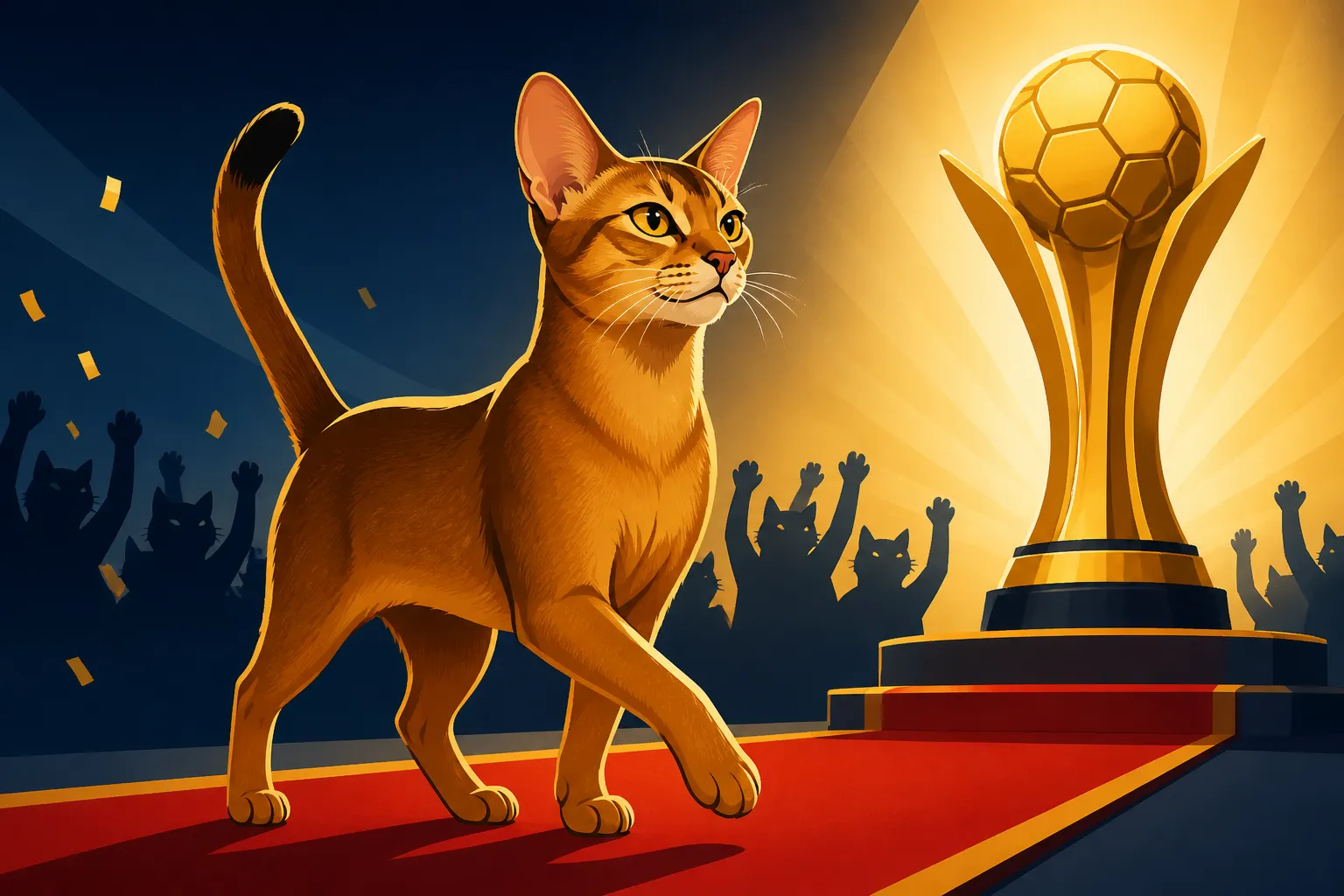
The Somali reached championship status with the Cat Fanciers’ Association in 1979. That date marks an important step in the breed’s history: CFA exhibitors could compete with Somalis in championship classes as a recognized breed, rather than treating them simply as longhaired Abyssinians or an unusual coat variation.
Championship status is more than a name on a show schedule. It gives a breed a formal place within an organization’s competitive structure, with its own standard and a way for cats to earn titles against other cats of the same breed. For Somali breeders, the 1979 milestone represented growing acceptance of the idea that the cats deserved recognition in their own right.
It helps to separate that milestone from the breed’s earlier development. Longhaired kittens had appeared in Abyssinian breeding programs before the Somali was established as a distinct breed. The kittens existed first; a coordinated effort to promote them as a separate breed came later. The long road from occasional kitten to show-ring competitor is part of Why the Long Hair Gene Was in Abyssinians All Along.
Championship recognition followed years of breed-building
Recognition did not happen as soon as someone spotted a fluffy Abyssinian kitten. Breeders had to build interest, establish a consistent population, and persuade cat fanciers that the Somali had a recognizable identity beyond its longer coat. That took sustained work, not just a single announcement or a striking cat at a show.
Evelyn Mague is closely associated with the Somali’s development and promotion in North America. She helped organize interest in the longhaired cats and worked to establish them as a breed. Other breeders and supporters also contributed to the process, which is why it is more accurate to describe Somali recognition as a collective effort than as the achievement of one person alone. The story of Who Bred the First Somali adds detail to that broader history.
A breed’s journey to championship status also depends on the organization’s rules and approval process. The exact steps can differ between registries, so one organization’s milestone should not automatically be treated as the date every association recognized the breed. The 1979 date answers the specific question about CFA championship status; it does not mean the Somali suddenly appeared that year or that every cat association adopted it at the same time.
Why the Somali Needed Recognition of Its Own
A long coat made the cats stand out, but identity took more than appearance
The Somali is closely related to the Abyssinian, and the two breeds share a distinctive ticked coat pattern. Rather than having the familiar stripes or spots of many cats, each hair has bands of color. On a Somali, the longer coat gives that ticking a softer, fuller appearance, especially around the ruff, tail, and breeches.
But a longer coat alone does not explain why fanciers pursued separate recognition. A breed standard describes a whole cat: its body, head, ears, eyes, coat texture, color, and overall balance. Breeders needed to show that Somalis could be bred consistently and judged according to a defined standard, rather than appearing as random longhaired exceptions within Abyssinian litters.
That process also involved changing how people talked about the cats. If a longhaired kitten was regarded as an undesirable surprise, it was less likely to be carefully bred or presented. Once fanciers began viewing the cats as a developing breed, they could work toward preserving the look and qualities they valued. Why Somali Kittens Were Once Given Away Quietly explains why early attitudes toward these kittens were so different from the pride many Somali owners feel today.
The Somali name helped mark a separate breed
The name “Somali” was chosen as a geographical counterpart to “Abyssinian.” Abyssinia was the former name used for the region associated with modern Ethiopia, while Somalia is a neighboring country. The name expressed a connection between the two breeds while giving the longhaired cat a distinct identity.
That name does not mean the Somali originated in Somalia. It is a breed name, not a documented account of the cat’s place of origin. This distinction matters because breed names can sound like straightforward geography, even when they reflect a historical association or a naming choice instead. The Somali’s close relationship to the Abyssinian is clearer than any claim that it came from the country whose name it carries.
The relationship is still visible in the cats themselves. Somalis and Abyssinians share a similar athletic build, alert expression, and lively presence, although the Somali’s coat is longer and more flowing. For a closer look at the differences and similarities, see How an Abyssinian Differs From a Somali.
How Championship Status Changed the Somali’s Place in Cat Shows
A breed standard gave judges and breeders a shared reference
A championship class requires more than a label. Judges need a standard that explains what the breed is meant to look like, and breeders need a shared reference when selecting cats for future generations. A standard helps distinguish the qualities considered typical from features that may be less desirable in the show ring.
For Somali breeders, a separate standard helped define the breed without pretending it had no relationship to the Abyssinian. The goal was not to erase the shared ancestry or make the two breeds seem unrelated. Instead, it was to recognize the Somali’s own coat length and presentation while retaining the recognizable type that links it to its shorthaired counterpart.
That common reference is useful even for people who have no interest in showing cats. It explains why a Somali’s coat is not simply “long fur” but part of a broader breed profile. It also helps prospective owners understand why two cats that share ancestry can still be considered distinct breeds. The origins of the Somali are explored further in Which Kitten Started the Somali Breed.
Championship classes helped raise visibility
Once a breed can compete in championship classes, it becomes easier for exhibitors and the public to encounter it within organized cat shows. People can compare Somali cats with one another, learn the breed standard, and follow how breeders are developing the population. That visibility can help a breed attract new enthusiasts.
Still, recognition is not a guarantee that every Somali will look exactly alike or that the breed will become widely available everywhere. Individual cats vary, and breeders may live in different regions. Championship status gives the breed a formal show presence; it does not make a cat’s personality, health, or suitability for a particular home predictable.
If you meet a Somali at a show, pay attention to more than its dramatic coat. Ask the exhibitor about temperament, grooming habits, and the cat’s daily routine. Somalis are active, curious cats, and their beauty is only one part of what living with one involves. The question of Whether Abyssinians and Somalis Are Still Bred Together also helps explain how the relationship between the breeds is understood today.
What the 1979 Milestone Means to Somali Owners Today
Championship recognition is history, not a promise about a pet
For someone choosing a companion, the 1979 milestone is useful background rather than a checklist item. A cat does not need show titles to be a wonderful pet, and championship recognition does not guarantee that a kitten will have a particular temperament. What it does tell you is that fanciers worked to establish a distinct breed identity and a standard for judging Somali cats.
If you are considering a Somali, ask about the kitten’s health history, socialization, and the habits of its parents. Meet the breeder if possible, and observe how the kittens respond to normal household sounds and handling. A confident, inquisitive kitten may be entertaining, but you will also want to know whether its energy level fits your household and how it has been introduced to people.
Grooming is another practical subject to discuss. A Somali’s coat is longer than an Abyssinian’s and can need regular attention to prevent tangles, particularly around areas where friction occurs. A breeder can show you the kind of comb or brush the cat accepts and how to make grooming a calm routine instead of a wrestling match.
Modern care brings the breed’s history into everyday life
Somalis retain the athletic, curious character associated with their Abyssinian relatives, so a home needs more than a pretty cat bed. Climbing options, interactive play, and safe ways to explore can make a meaningful difference. If you are gathering supplies, retailers such as Chewy carry categories of cat trees, puzzle feeders, and grooming tools; choose items based on the individual cat’s size, habits, and comfort rather than assuming one product suits every Somali.
A puzzle feeder can give a food-motivated cat something to investigate, while a sturdy vertical perch offers a safe place to watch household activity. Chewy is one place owners may browse for these kinds of enrichment supplies, but the important part is whether the item is stable, appropriately sized, and engaging for the cat. A cat tree that wobbles or a toy that is too easy may not hold an energetic Somali’s attention for long.
For grooming, introduce the comb in short, positive sessions and stop before the cat becomes distressed. You can compare different grooming tools through retailers such as Chewy, but a gentle technique and regular practice matter more than buying a large collection of brushes. The 1979 championship milestone belongs to show history; the daily experience of living with a Somali is shaped by patience, play, companionship, and care.
The Somali’s CFA championship recognition in 1979 was the culmination of years of development and advocacy. It gave the breed a formal place in the show ring and a clearer identity alongside the Abyssinian. For owners and enthusiasts now, that history is a reminder that the Somali was not created in a single moment: it emerged from longhaired kittens, committed breeders, and a growing recognition that these cats had qualities worth celebrating in their own right.
Disclaimer
This article is for general informational purposes only and does not constitute professional advice. Laws, prices and regulations vary by location and change over time. Consult a qualified professional for guidance on your specific situation.