Why a Somali’s Coat Takes Two Years to Finish
A Somali kitten’s coat can look surprisingly short and uneven while its adult appearance is still developing. The ruff, britches, tail plume, and soft undercoat often fill in gradually, so a young cat may not resemble the elegant, full-coated adult you expected. This guide explains why that takes time, what changes to expect, and how to care for the coat along the way.
Why a Somali’s coat takes so long to mature
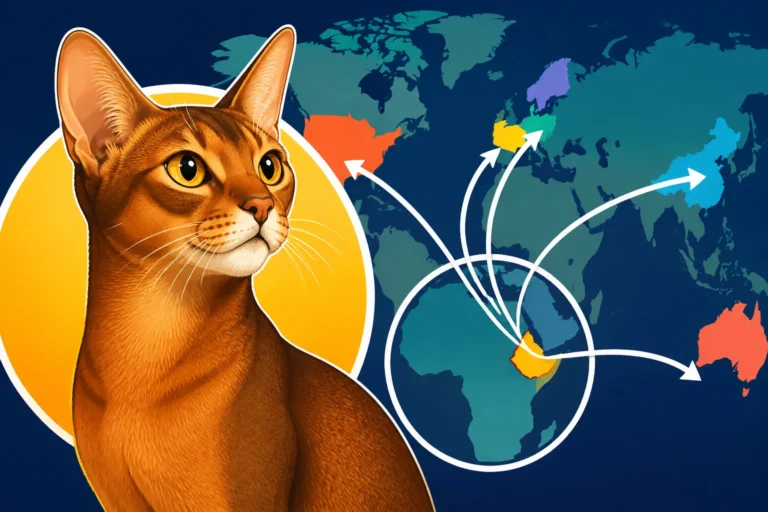
The Somali is a longhaired relative of the Abyssinian
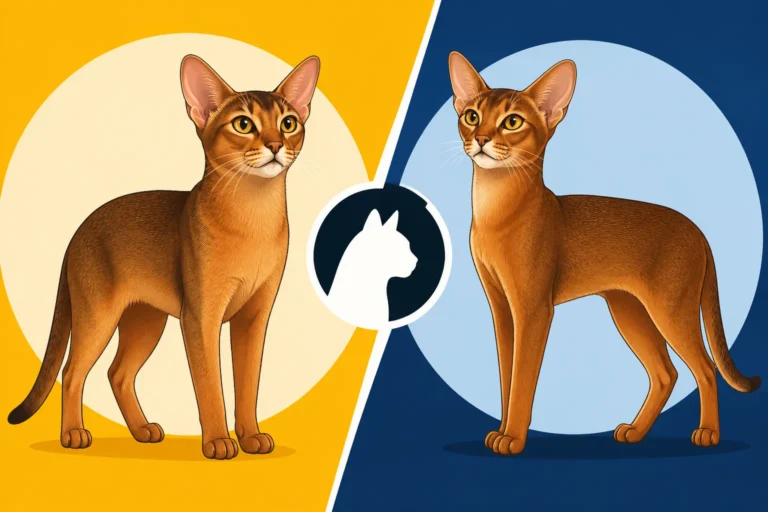
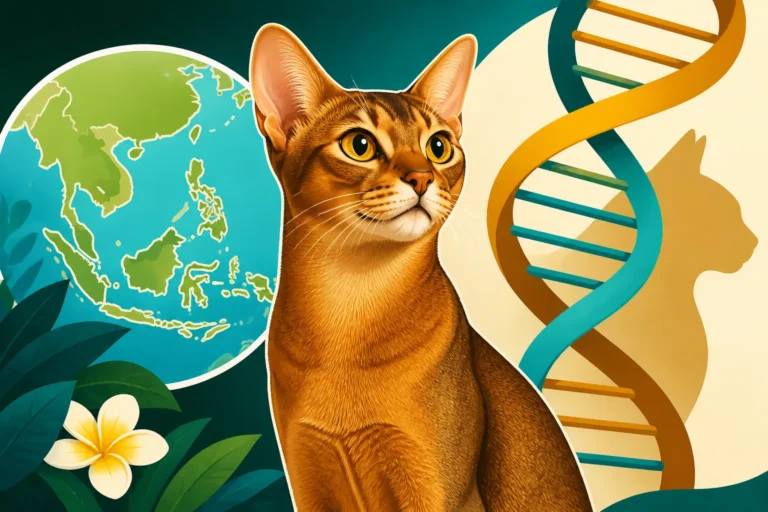
Somalis and Abyssinians are closely related. The Somali’s longer coat comes from a recessive longhair gene that can be carried in Abyssinian lines, even when those cats have short coats themselves. That genetic connection is why Somalis are often described as longhaired Abyssinians. The Somali Is an Abyssinian With Long Hair and Why the Long Hair Gene Was in Abyssinians All Along explain that relationship in more detail.
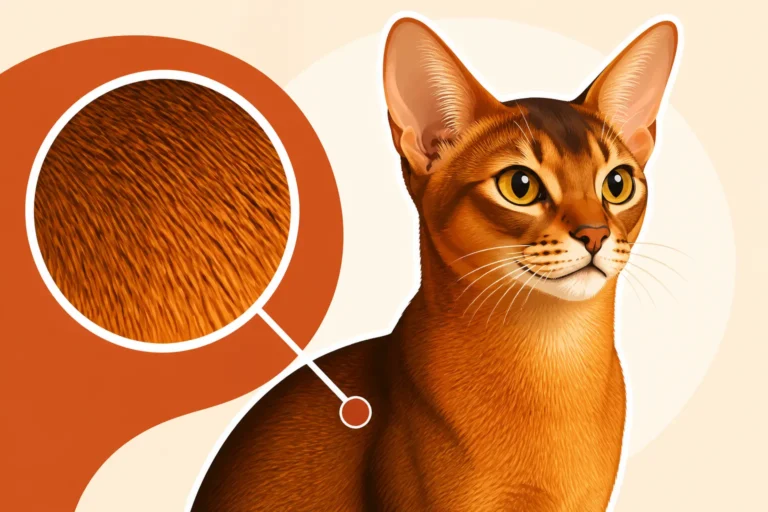
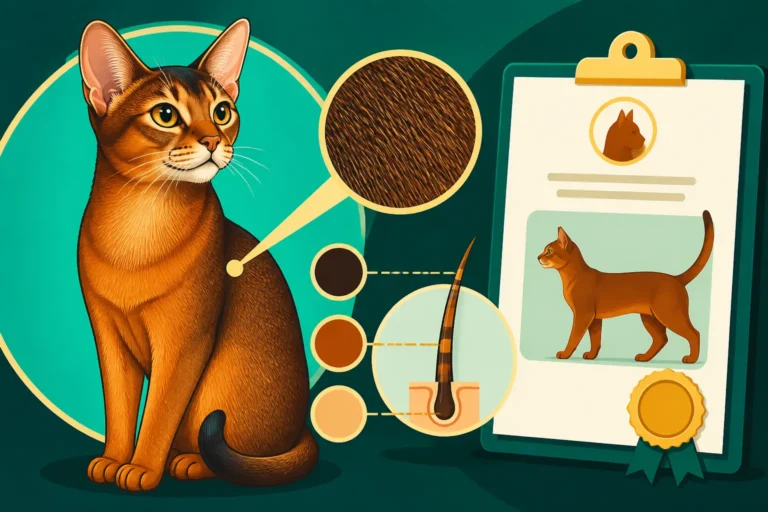
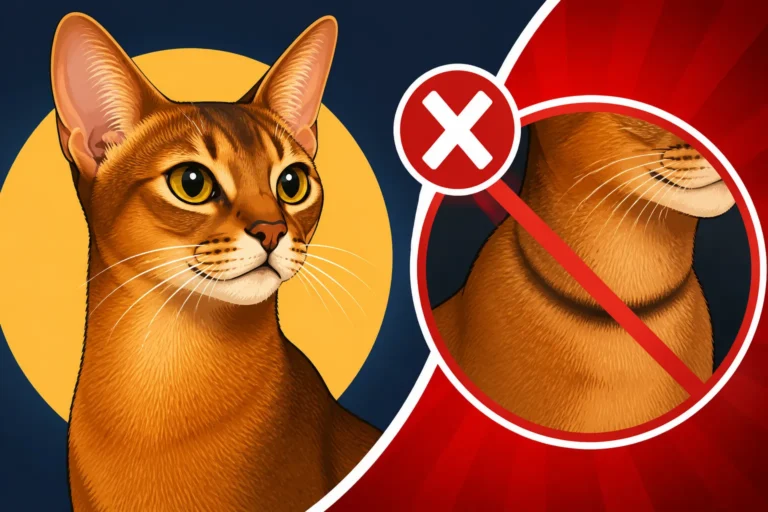
The coat difference is more than a little extra length. A Somali’s fur is semi-long, with longer hair particularly noticeable around the neck, tail, and back of the hind legs. The tail develops into a plume, while the chest and shoulders may form a ruff. The adult coat also has the breed’s characteristic ticking: individual hairs have bands of color rather than simple, solid coloring or tabby stripes.
Those features do not necessarily appear all at once. A kitten can have the right inherited coat type without yet having the length, texture, density, or overall outline associated with an adult Somali. It is a bit like watching a teenager grow into a particular hairstyle: the ingredients are there, but the finished look takes time.
Coat growth is gradual, not a sudden change
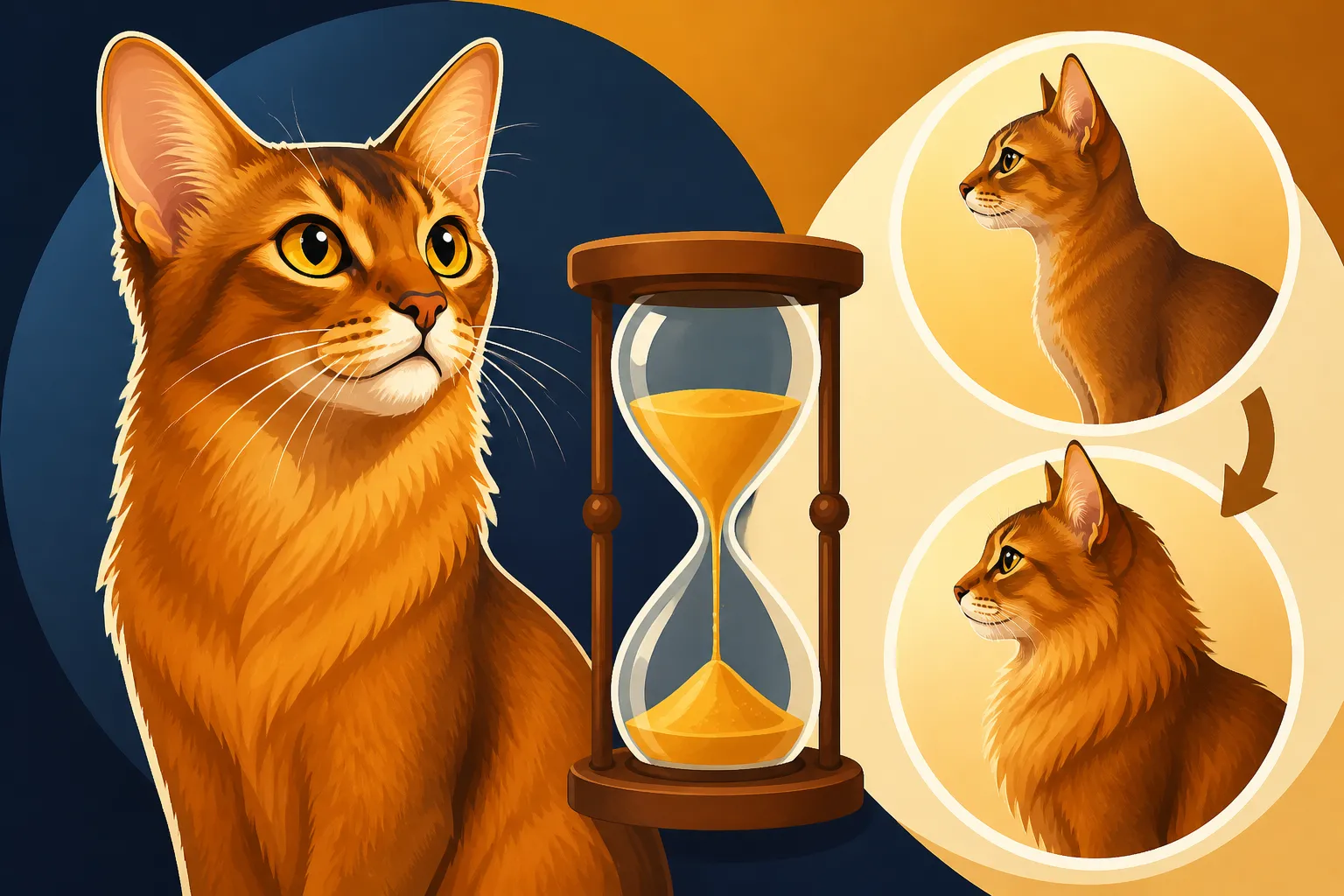
A kitten’s coat changes as it grows. The short, soft fur of early kittenhood gives way to a more mature coat, and the timing varies from cat to cat. Some young Somalis show a noticeable ruff and tail plume relatively early; others look comparatively sleek for longer and fill out later.
The adult coat can take around two years to develop fully. That does not mean nothing happens before then. You may see the tail become bushier, the fur around the neck lengthen, or the hind-leg britches become more pronounced in stages. The changes can be subtle enough that you notice them most clearly when comparing photos taken months apart.
Coat development also does not follow a perfectly straight line. Seasonal changes, individual genetics, health, and age can affect how full the coat looks at a particular moment. A Somali may appear fluffier in one season and less plush in another. A temporary difference in appearance does not automatically mean the coat is developing incorrectly.
Why young Somalis can look surprisingly sleek
It is common for a young Somali to look less fluffy than people expect. The breed is not meant to have the heavy, floor-length coat of a Persian, and a kitten’s coat may be especially close-lying before its adult furnishings develop. The tail and ruff can also take longer to become obvious than a new owner anticipates.
This can be confusing if you have seen photographs of mature show cats. In pictures, the long tail plume and full neck ruff are often the first things people notice. A growing kitten may have a narrower outline, less dramatic britches, and a tail that looks more like a regular tail than a feather duster. That difference by itself is not proof that the kitten is not a Somali.
Abyssinians can also help make the distinction clearer. They share the ticking and much of the same overall athletic appearance, but their short coat lies close to the body. How an Abyssinian Differs From a Somali covers the visible differences between the two related breeds. If you are trying to identify a very young kitten, coat length and furnishings may be less obvious than they will be later.
What changes to expect as a Somali grows
The kitten coat gives way to adult texture
A young Somali’s coat may feel softer or fuzzier than the adult coat will. As the cat matures, the texture and length can become more defined, and the coat may appear richer or more layered. The transition is gradual, so a single glance rarely tells the whole story.
At eight weeks, a kitten’s proportions and coat are still changing. The face, ears, body, and fur can all look different over the next several months. What an Abyssinian Kitten Looks Like at Eight Weeks offers a useful point of comparison for the shorthaired relative, though a Somali’s longer furnishings will develop on their own timetable.
Color and ticking can also seem less settled in a young cat. As the coat grows, the bands on individual hairs may become more apparent, and the overall color can look different under indoor lighting, daylight, or seasonal conditions. The coat can have a warm, shimmering appearance when the cat moves, but that effect depends on the combination of hair length, ticking, and light.
The ruff, britches, and tail plume may develop at different speeds
There is no requirement for every part of the coat to fill in at the same time. One Somali may develop an impressive tail plume while its ruff is still modest. Another may show a fuller chest before the hind-leg britches become prominent. These differences are normal variations in how a coat matures.
The tail is often an easy feature to track because the longer hair is visible even when the cat is walking away. You might notice it becoming fuller around the base and sides rather than simply longer all at once. The ruff can be more difficult to judge because it blends into the shoulders and can look different depending on posture.
When comparing your cat with breed photos, account for age, season, and grooming. A mature cat photographed during a fuller-coated season may look much more dramatic than a young cat photographed in a warm home. The goal is not to make a kitten match an adult portrait prematurely; it is to watch for steady development while keeping the cat comfortable and healthy.
Seasonal shedding can make the coat look uneven
Somalis can shed, and seasonal coat changes may temporarily affect how full the fur appears. During a shed, loose hairs can make the coat look thinner or less tidy, especially along areas where longer furnishings are developing. That can be unsettling if you are waiting for the adult coat to come in, but shedding is not the same as losing the genetic ability to grow a full coat.
Indoor cats may not follow a perfectly obvious seasonal cycle. Heating, daylight exposure, and the conditions in the home can influence when loose hair is noticeable. You may find more fur on a favorite blanket or brush one month, then very little the next.
Look at the pattern rather than one isolated day. Normal shedding generally leaves a coat that is still evenly covered. Bald patches, persistent irritation, scabs, excessive scratching, or sudden widespread hair loss deserve a conversation with a veterinarian. Coat maturation can be slow, but skin discomfort or dramatic changes should not simply be written off as “the kitten’s adult coat coming in.”
| Coat feature | What you may notice in a young Somali | What may develop with maturity |
|---|---|---|
| Neck ruff | Shorter, less defined fur around the shoulders | Fuller framing around the neck and chest |
| Tail | Less obvious plume, especially in a young kitten | Longer, bushier tail furnishings |
| Hind legs | Britches may be subtle | More visible longer fur on the back of the legs |
| Overall texture | Soft or kitten-like coat | More defined adult texture and layering |
| Ticking | May be less striking at a glance | More noticeable banding as coat and color mature |
How to care for a Somali’s coat while it develops
Keep grooming gentle and low-pressure
A growing Somali does not need elaborate styling. Gentle, regular grooming helps you get your cat used to handling and gives you a chance to notice tangles, skin changes, or loose hair. A comb or grooming tool should move comfortably through the coat; do not pull through a snag or repeatedly rake at the same area.
Start with short sessions, especially if your cat is energetic or dislikes being held still. Choose a quiet moment, let the cat sniff the tool, and groom a small area before offering a break. The aim is to make grooming routine rather than a wrestling match. If you are comparing basic combs or grooming mitts, retailers such as Chewy carry a range of pet-care supplies, but choose a tool based on your cat’s coat and comfort rather than the packaging’s promise of dramatic results.
For a young cat, one or two brief sessions can be more useful than a long session that ends with frustration. Focus on places where longer hair may tangle, such as behind the ears, under the legs, and around the ruff. If the coat is not tangled, there is no need to keep brushing simply because you are eager to see it become fuller.
Avoid tools and techniques that can damage the coat
Heavy-duty deshedding tools are not automatically the right choice for a Somali. Some are designed to remove loose undercoat from dense-coated cats and can pull or break hair when used too aggressively. A long coat does not mean the cat needs every tool made for longhaired breeds.
Use a gentle comb and let the coat guide you. If the tool catches, stop and work through the area carefully with your fingers or a suitable comb. Never yank at a mat close to the skin, where pulling can hurt. For a tight mat or a cat who becomes distressed, ask a veterinary professional or experienced groomer for help rather than cutting close to the skin yourself.
If you are gathering grooming basics, Chewy can be one place to compare combs, nail clippers, and other supplies, but keep the routine simple. Avoid buying a collection of tools in the hope that one will speed up coat growth. Grooming can keep the fur comfortable and tidy; it cannot make a genetically short or still-developing coat mature faster.
Support coat health with everyday care
A healthy coat depends on more than brushing. Provide a complete, balanced diet appropriate for your cat’s age and follow your veterinarian’s advice about feeding. Keep fresh water available, and pay attention to changes in appetite, activity, or body condition. A dull coat can sometimes accompany a health issue, but coat appearance alone cannot diagnose one.
Make grooming a chance to check the skin. Look for redness, flaking, scabs, parasites, or areas your cat repeatedly licks or scratches. If you notice a change, record when it began and whether it is spreading. That information can help your veterinarian distinguish a temporary coat change from a skin or health problem.
For a kitten who is still learning to tolerate handling, pairing a few gentle comb strokes with praise or a small treat can build a more cooperative routine. Chewy may offer grooming accessories and treats, but the useful part is the calm, predictable experience you create at home—not a particular product. The best grooming session is one your cat can finish without fear.
When a slow-growing coat needs a closer look
Slow coat development alone is usually not an emergency
A Somali who looks sleek at one year old may simply still be maturing. The two-year mark is a useful general expectation, not a deadline that every cat meets on the same day. Genetics and individual variation mean that one cat’s ruff may be fuller than another’s, even when both are healthy.
Take periodic photos in similar lighting and from similar angles. A monthly or seasonal comparison is often more informative than checking the coat every morning. It can help you notice gradual growth without turning normal variation into a daily worry.
If you bought a kitten from a breeder, ask about the parents’ coats and how their furnishings developed. Photos of the kitten’s relatives at different ages can offer context. Still, family resemblance is not a guarantee that your cat’s coat will follow an identical timeline.
Know the difference between a gradual change and a health concern
A slow-growing ruff is different from sudden hair loss. Contact a veterinarian if you see bald areas, persistent itching, inflamed skin, open sores, or a sudden change in coat condition. Changes in behavior or appetite alongside coat problems are also worth discussing promptly.
Some cats groom excessively when they are uncomfortable or stressed, which can leave areas looking thin. Others may develop skin irritation or parasites that affect the coat. A veterinarian can examine the skin and decide whether testing or treatment is needed; guessing from appearance can delay the right help.
Also pay attention to the cat as a whole. A Somali with a less dramatic coat but normal energy, appetite, and skin may simply be developing at its own pace. A cat whose coat changes alongside lethargy, weight loss, or other unusual signs needs a broader health assessment rather than just a new brush.
Set realistic expectations for the adult look
A mature Somali’s coat can be striking, but no grooming routine can guarantee a particular amount of fluff. Coat density, length, color, and furnishings vary among individuals. Even two related cats raised in the same home may mature differently.
It is also helpful not to compare a pet cat too rigidly with a show photograph. Show presentation, lighting, season, and the cat’s age all affect how full and polished the coat appears. A comfortable, healthy cat is more important than a perfectly dramatic ruff.
The Somali’s coat is part of what makes the breed distinctive, but it is meant to develop in its own time. Offer gentle grooming, observe changes without overreacting to normal variation, and ask for veterinary guidance when the skin or coat changes suddenly or seems uncomfortable. For help with the breed’s broader care and appearance, explore What an Abyssinian Looks Like Against the Show Standard and Why the Abyssinian Stayed Popular for 150 Years.
Disclaimer
This article is for general informational purposes only and does not constitute professional advice. Laws, prices and regulations vary by location and change over time. Consult a qualified professional for guidance on your specific situation.