Why an Abyssinian’s Gums Overgrow Its Teeth
It's incredibly disheartening to watch your lively Abyssinian kitten, full of boundless energy, suddenly show reluctance to eat or play with their favorite toys, especially when you notice their gums look swollen and red. Many Abyssinian owners face the unique challenge of juvenile gingival hyperplasia, a condition where their cat's gum tissue unnaturally grows to cover their teeth. This guide will walk you through exactly why this happens in our beloved Abys, what signs to look for, and how best to manage this often-frustrating oral health issue.
Understanding Juvenile Gingival Hyperplasia in Abyssinians
When we talk about an Abyssinian's gums "overgrowing" its teeth, we're almost always referring to a condition called juvenile gingival hyperplasia. It's not just a fancy name for bad breath; it's a very real, often painful, and visually striking problem that can dramatically impact your young cat's quality of life. Unlike typical gingivitis, which is usually a response to plaque buildup, this is a distinct genetic predisposition in Abyssinians that manifests early in life.
What is Juvenile Gingival Hyperplasia
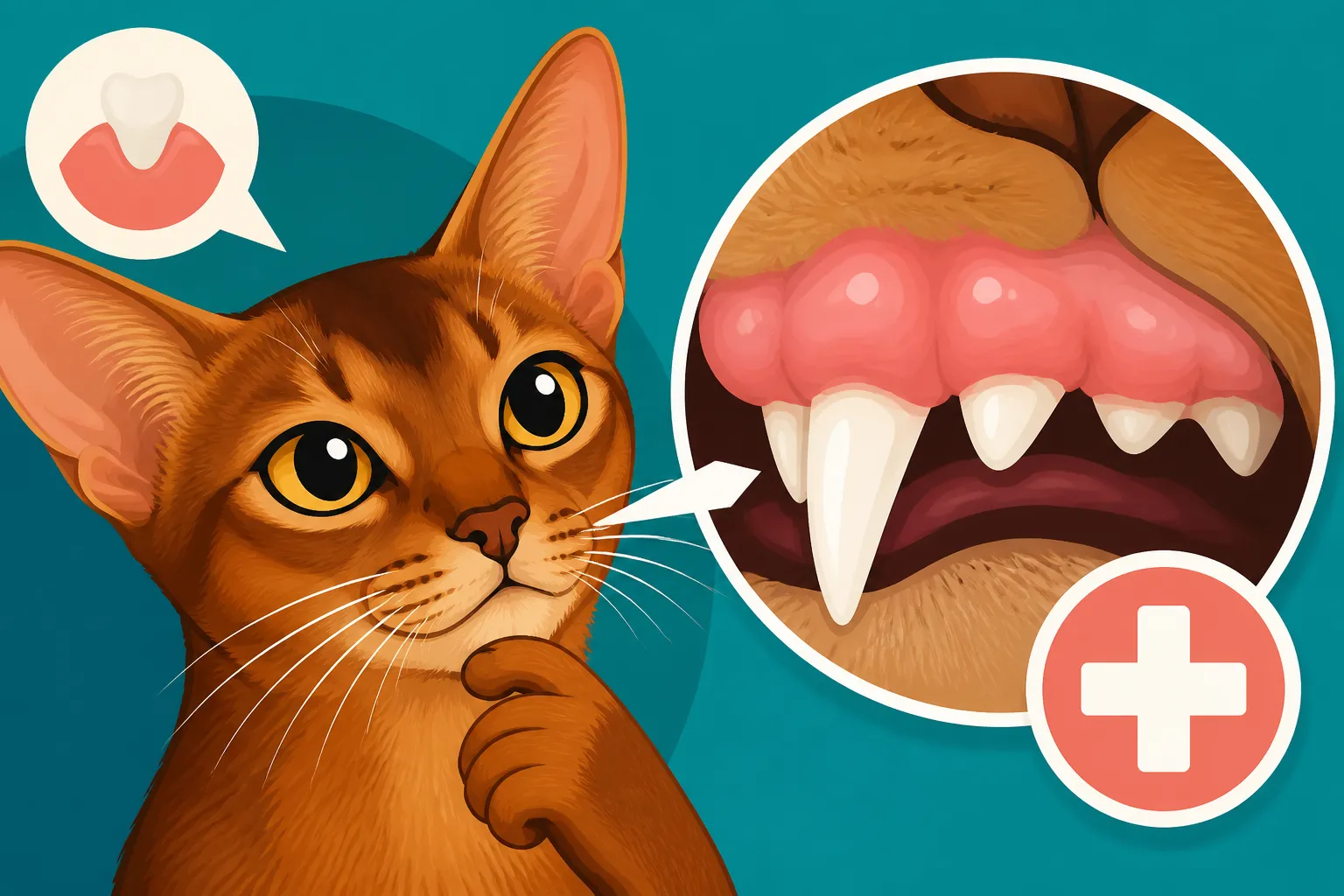
Juvenile gingival hyperplasia is essentially an excessive growth of gum tissue. Imagine your cat's teeth disappearing under a thick, puffy blanket of gum. That's what happens. This isn't just a cosmetic issue; the overgrown tissue creates deep pockets around the teeth where food particles, bacteria, and plaque can easily accumulate. Because these pockets are difficult, if not impossible, to clean effectively, it leads to severe inflammation, pain, and eventually, destructive periodontal disease. It's a frustrating cycle that, left unmanaged, can lead to infection and early tooth loss. This condition is also known as proliferative gingivitis, highlighting the aggressive growth component.
The frustrating part is that this isn't necessarily due to poor dental hygiene on the owner's part from the get-go. While consistent home dental care is crucial, this condition often takes root even when you're doing everything right. It's a genetic "quirk" of the breed, a predisposition that means some Abys will develop it despite the best efforts. This distinguishes it from standard gingivitis in other breeds, which might primarily stem from a lack of brushing or poor diet. For Abyssinians, it's more complicated.
Why Abyssinian Gums Overgrow Their Teeth
The exact mechanisms behind why an Abyssinian's gums overgrow its teeth are complex and believed to be multifactorial, but genetics play a starring role. We see this issue frequently in young Abyssinians, typically between 6 months and 2 years of age, which points to a strong hereditary component. It's thought that these cats have an exaggerated inflammatory response to normal plaque bacteria, causing their gum tissue to proliferate rapidly instead of just becoming inflamed.
This breed-specific inflammatory response means that even a minimal amount of plaque, which might cause mild gingivitis in another cat, can trigger a dramatic overgrowth in an Abyssinian. It's like their immune system goes into overdrive when it encounters these common oral bacteria. This is why you might hear breeders and vets discuss the importance of looking at the dental history of an Abyssinian's parents and lineage, even though there isn't a specific DNA test for this condition like there is for, say, PK deficiency. Understanding the family history is vital because this predisposition can be passed down.
The structural nature of an Abyssinian's mouth might also play a role, though less understood than the genetic inflammatory response. Their short, dense coats are usually the talk of the town, but their oral anatomy, combined with their sometimes aggressive chewing habits, can create a perfect storm for this condition to manifest. Ultimately, it’s a specific challenge that comes with owning this vibrant breed. You can learn more about Why an Abyssinian Kitten's Gums Fail at Six Months in our dedicated article.
Recognizing the Early Signs and Symptoms
Catching juvenile gingival hyperplasia early is absolutely key to managing it effectively and preventing more severe issues down the line. Abyssinians are notoriously stoic, masters at hiding discomfort, so you need to be observant and know what subtle clues to look for. Don't wait until your cat is outright refusing food; by then, the problem is likely well advanced and much more painful.
Subtle Changes in Behavior
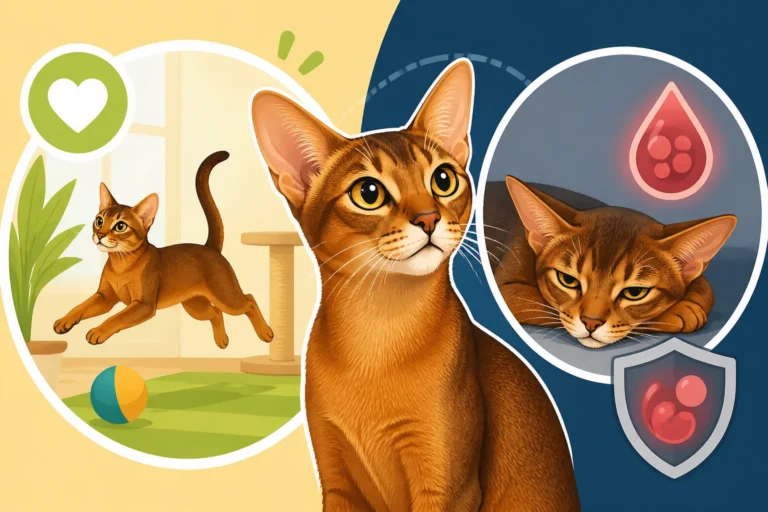
One of the first things you might notice isn't necessarily in their mouth directly, but in their behavior. Your usually energetic and playful Abyssinian might seem a little less enthusiastic. Perhaps they're not greeting you at the door with their usual zest, or they're skipping their favorite climbing sessions. A subtle but consistent decrease in activity or playfulness can be a huge red flag that something is amiss. They might still eat, but perhaps more slowly, or they might turn their head awkwardly while chewing, as if trying to find a comfortable spot for their sore gums.
Another telling sign is changes in grooming habits. A cat with oral pain might groom less, leading to a duller coat, or they might start over-grooming around their face and mouth in an attempt to alleviate discomfort. You might even see them pawing at their mouth more frequently. Because their mouths hurt, they might also become more irritable or withdrawn, choosing to nap in secluded spots rather than being at the center of the action. Any departure from their normal, vibrant personality warrants a closer look, especially when combined with other physical signs.
Visual Clues in the Mouth
Directly inspecting your Abyssinian's mouth, even casually, can reveal a lot. The most obvious visual cue of juvenile gingival hyperplasia is, of course, the gums themselves. Instead of healthy, pale pink gums that fit snugly around the teeth, you'll see tissue that looks swollen, puffy, and red, sometimes even a deep crimson color. This redness indicates inflammation. If you gently try to lift their lip, you might see the gum tissue extending significantly further down the tooth than it should, sometimes nearly covering the entire tooth surface, especially the premolars and molars.
Another strong indicator is bleeding. Even a light touch or slight pressure from eating kibble might cause the inflamed gums to bleed. You might notice tiny spots of blood on their toys, their food bowl, or even in their saliva. Bad breath, or halitosis, is also a common symptom. This isn't just "cat breath"; it's a foul, often sickening odor caused by the accumulation of bacteria and decaying food particles in the deep gum pockets. The combination of redness, swelling, overgrowth, and unpleasant odor is a clear signal that your Abyssinian needs veterinary attention urgently. When you notice What Red Gums Mean in an Abyssinian Kitten, it's time for a vet visit.
Diagnosing the Gum Overgrowth
Diagnosing juvenile gingival hyperplasia typically begins with a thorough oral examination by your veterinarian. However, because the full extent of the overgrowth and any underlying issues can't be properly assessed in a conscious, squirming cat, sedation or general anesthesia is almost always required for a definitive diagnosis and treatment plan.
Initial Veterinary Examination
During a routine check-up, your vet will perform a basic visual inspection of your Abyssinian's mouth. They'll look for the obvious signs we just discussed: redness, swelling, and any visible overgrowth of gum tissue. They might also check for signs of discomfort or pain when gently touching the gums. However, even the most cooperative Abyssinian will only tolerate so much poking and prodding in their mouth, especially if it's already sensitive. This initial exam serves to confirm suspicion and decide on the next steps.
Your vet will also ask you about the symptoms you've observed at home – changes in eating habits, grooming, play, and any visible bleeding or bad breath. It's helpful to be as detailed as possible, as your observations provide crucial context. This initial consultation is where you and your vet start building a plan. If your cat is insured with a company like Healthy Paws, it’s a good time to understand what diagnostics and potential treatments are covered. They may also look for signs of other oral issues, like resorptive lesions, which can sometimes accompany or mimic gingival problems.
Comprehensive Oral Exam Under Anesthesia
For a truly comprehensive diagnosis, your Abyssinian will need a professional dental examination under general anesthesia. This allows the vet to fully probe the gum pockets, assess the depth of the overgrowth, and examine each tooth surface without causing stress or pain to your cat. It's not just about looking; it's about tactile examination and imaging.
During this procedure, dental radiographs (X-rays) are critical. These X-rays will reveal the condition of the tooth roots and the surrounding bone structure, which can be affected by severe inflammation and infection caused by the hyperplasia. The gum overgrowth itself might hide significant bone loss or tooth resorption, which would be impossible to see with the naked eye. The vet can also measure the depth of the periodontal pockets created by the overgrown tissue, which directly correlates with the severity of the disease. This detailed assessment allows your vet to grade the condition and determine the most appropriate course of action, which often involves a gingivectomy. Our article on What Happens During an Abyssinian's Dental Under Anesthetic offers more insights into this crucial process.
Treatment Options for Overgrown Gums
Once diagnosed, the primary goal of treatment for juvenile gingival hyperplasia is to reduce the overgrown gum tissue, eliminate the pockets where bacteria thrive, and manage inflammation. This typically involves surgical intervention, followed by diligent ongoing care.
Professional Dental Cleaning and Gingivectomy
The cornerstone of treating significant gingival hyperplasia is often a gingivectomy. This is a surgical procedure performed under general anesthesia where the excessive gum tissue is carefully removed using a scalpel, laser, or electrosurgery. The goal is to reshape the gum line so that it once again fits snugly around the teeth, eliminating those problematic deep pockets. This procedure also allows for a thorough professional dental cleaning, scaling away any plaque and tartar buildup from the tooth surfaces and below the gum line.
Think of it as resetting the gum line. Once the overgrown tissue is removed, the mouth becomes much easier to keep clean, both by professional cleanings and by you at home. This can drastically reduce inflammation and pain. After the procedure, your Abyssinian will likely be prescribed pain medication and possibly antibiotics to prevent infection. The recovery is usually swift, though your cat might prefer soft food for a few days. For a detailed breakdown of the procedure, refer to our article, What a Gingivectomy Involves for an Abyssinian. It's an investment, and understanding What a Gingivectomy Costs on an Abyssinian Kitten can help you prepare.
| Treatment Step | Description | Expected Outcome | Frequency/Timeline |
|---|---|---|---|
| Initial Vet Consultation | Visual oral exam, discussion of symptoms, assessment for anesthesia. | Identification of potential hyperplasia, decision for anesthesia. | Once |
| Anesthetized Oral Exam & X-rays | Full probing, dental radiographs, detailed assessment of gum health and bone structure. | Definitive diagnosis, grading of severity, treatment plan formulation. | Once |
| Professional Dental Cleaning | Scaling and polishing of teeth, removal of plaque and tartar above and below gumline. | Clean tooth surfaces, reduced bacterial load. | Annually/Bi-annually |
| Gingivectomy | Surgical removal of excess gum tissue to reshape the gum line and eliminate pockets. | Elimination of deep gum pockets, reduced inflammation, easier home care. | As needed (often once or twice in severe cases) |
| Post-operative Care | Pain medication, antibiotics, soft food. | Comfortable recovery, prevention of infection. | 1-2 weeks |
| Ongoing Home Dental Care | Daily brushing, dental rinses, appropriate diet. | Prevention of plaque buildup, management of inflammation, reduced recurrence risk. | Daily/Regularly |
| Regular Vet Check-ups | Monitoring gum health, early detection of recurrence or other issues. | Proactive management, early intervention for any new problems. | 6-12 months |
Medications and Ongoing Management
Beyond surgical intervention, medication plays a vital role in managing the inflammation associated with gingival hyperplasia. Anti-inflammatory drugs, sometimes corticosteroids, may be used, particularly if the hyperplasia is severe or tends to recur quickly after surgery. These medications aim to dampen the exaggerated immune response that drives the gum overgrowth. However, their use requires careful monitoring due to potential side effects, especially with long-term administration.
In some cases, specific oral rinses containing anti-plaque or anti-inflammatory agents can be prescribed to complement brushing and help keep the bacterial load down. These are often used as part of a daily home care routine. The key with Abyssinians and their propensity for gum issues is that treatment is rarely a one-and-done affair. It’s a lifelong commitment to diligent oral hygiene and regular veterinary check-ups to monitor for recurrence. For some cats, especially if the underlying inflammatory response is particularly aggressive, multiple gingivectomies over their lifetime might be necessary. This commitment is why dental work can become Why Abyssinian Dental Work Is the Biggest Line in the Budget for many owners.
Prevention and Long-Term Oral Health
Preventing juvenile gingival hyperplasia entirely can be challenging due to its genetic component, but proactive management is crucial. The goal is to minimize plaque buildup and inflammation as much as possible, thereby reducing the triggers for gum overgrowth and maintaining your Abyssinian's overall oral health for as long as possible.
Consistent Home Dental Care
This might sound like a broken record, but daily home dental care is the single most important thing you can do for your Abyssinian, especially one predisposed to gum issues. This means brushing their teeth every single day. Yes, it takes patience, and yes, it can feel like wrestling a miniature wildcat at first, but it makes a monumental difference. Start early, ideally when they are kittens, to get them accustomed to the process. You can learn how to approach this by reading How to Brush an Abyssinian's Teeth From Day One. Use a cat-specific toothbrush and toothpaste – never human toothpaste, which contains ingredients toxic to cats.
The brushing physically removes plaque and food debris before it can harden into tartar and irritate the gums. Even if gingival hyperplasia is genetic, reducing the bacterial trigger can significantly slow down or lessen the severity of the overgrowth. Incorporating dental rinses or gels prescribed by your vet can also be beneficial, providing an extra layer of protection against bacteria. This consistent effort is vital for keeping their mouths healthy and comfortable. Remember, Why Home Dental Care Starts Early in an Abyssinian is because it truly builds a foundation for lifelong health.
Regular Veterinary Dental Check-ups
Even with the most diligent home care, professional veterinary dental check-ups and cleanings are indispensable for Abyssinians. Given their predisposition to gum overgrowth, your vet might recommend professional cleanings more frequently than for other breeds, perhaps annually or even every six months. During these visits, the vet can thoroughly assess the health of their gums, check for any early signs of recurrence, and perform scaling and polishing to remove any plaque and tartar that you might have missed at home.
These regular check-ups are also crucial for catching other potential issues. Abyssinians, unfortunately, can be prone to other dental problems like tooth resorption, where the tooth structure breaks down. Regular professional exams under anesthesia allow for early detection and intervention for all dental health concerns, potentially saving your Abyssinian from significant pain and costly procedures down the line. It's an important part of ensuring your Abyssinian receives the best care, and many pet insurance plans, like those from Healthy Paws, will help cover the costs of these essential preventative and treatment procedures. Our article, How Often an Abyssinian Needs Its Teeth Cleaned, delves deeper into this aspect.
Dietary Considerations
While diet alone might not prevent juvenile gingival hyperplasia, it can certainly play a supportive role in overall oral health. The type of food you offer your Abyssinian can impact plaque accumulation. Some dental-specific kibbles are designed with larger, fibrous pieces that help scrape plaque off teeth as the cat chews. However, it's important to understand that no dry food can fully replace daily brushing. Wet food can be beneficial for hydration and overall health, but it doesn't offer the same mechanical cleaning action as a well-designed dental kibble or regular brushing.
Ensuring your Abyssinian has access to plenty of fresh water is also important, as good hydration contributes to healthy saliva production, which helps to naturally rinse the mouth and neutralize acids. While it's not a direct cure, choosing high-quality food and considering dental-specific formulations can be one piece of the puzzle in a comprehensive oral health strategy. Ultimately, the best dietary choices should always be discussed with your veterinarian, who can provide tailored advice based on your Abyssinian's specific needs and health status. Remember, Why an Abyssinian Loses Teeth Younger Than Most Cats is often a direct result of untreated or poorly managed gum disease, highlighting the critical importance of a multi-faceted approach to oral care.
Navigating Potential Complications and Recurrence
Even with excellent care, managing juvenile gingival hyperplasia in Abyssinians can be a long-term journey. It's not uncommon for the condition to recur, and sometimes, despite best efforts, complications can arise. Understanding these possibilities helps you stay prepared and proactive.
Dealing with Recurrence
The frustrating reality of juvenile gingival hyperplasia is its potential for recurrence. Even after a successful gingivectomy and diligent home care, some Abyssinians will experience regrowth of gum tissue. This doesn't mean you or your vet did anything wrong; it's simply a testament to the persistent inflammatory predisposition of the breed. When this happens, the cycle of inflammation, pocket formation, and bacterial buildup begins anew, necessitating further intervention.
If recurrence is rapid or severe, your veterinarian might discuss more aggressive management strategies, which could include another gingivectomy. In some cases, a vet might consider a referral to a veterinary dental specialist who has advanced techniques or medications to manage particularly stubborn cases. The key is continuous vigilance. Regular oral checks at home and consistent veterinary examinations are vital to catch any regrowth early, before it becomes extensively problematic and painful for your cat. Early detection of recurrence means less invasive interventions and better outcomes.
Long-Term Impact and Tooth Loss
Left untreated, or poorly managed, juvenile gingival hyperplasia can lead to severe long-term complications, the most significant of which is widespread periodontal disease and ultimately, tooth loss. The deep gum pockets created by the overgrown tissue become breeding grounds for bacteria, leading to chronic infection that erodes the bone supporting the teeth. As the bone deteriorates, teeth become loose and painful, often requiring extraction. This is a heartbreaking outcome, especially for a young cat.
Chronic inflammation and infection in the mouth can also have systemic effects, potentially impacting other organs, though this is less common than the direct dental consequences. The constant pain and discomfort can severely diminish your Abyssinian's quality of life, affecting their appetite, energy levels, and overall demeanor. While the initial goal is to save teeth, sometimes extractions are necessary to alleviate pain and remove sources of infection when teeth are too severely compromised. This underscores why early and aggressive management of gingival hyperplasia is so important for preserving your Abyssinian's teeth and ensuring their long-term well-being.
The Importance of a Proactive Approach
For Abyssinian owners, a proactive approach to dental health isn't just a recommendation; it's a necessity. This means being utterly committed to daily home dental care, scheduling regular professional dental cleanings and check-ups, and being financially prepared for potential gingivectomies or other dental procedures. It might sound daunting, but the alternative is a cat in chronic pain and a much shorter, less healthy lifespan.
Consider pet insurance from providers like Healthy Paws that cover dental conditions, especially if you have a young Abyssinian. While routine cleanings might not always be covered, treatments for conditions like gingival hyperplasia or subsequent extractions often are, which can significantly ease the financial burden. Being proactive also means open communication with your breeder about the dental health history of your cat's lineage, and with your veterinarian about the best ongoing management plan. This breed brings immense joy and energy into our homes, and by being proactive about their unique dental challenges, we can ensure they live their fullest, happiest lives.
Disclaimer
This article is intended for informational purposes only and does not constitute medical advice. Always consult with a qualified veterinarian for any health concerns or before making any decisions about your pet's medical care.