How Pale Gums Show Up on an Abyssinian
Spotting subtle signs of illness in your energetic Abyssinian can feel like a constant game of "Is it nothing, or is it something serious?" These cats are masters of hiding discomfort, and by the time they show obvious symptoms, a problem might be quite advanced. This guide is dedicated to helping you understand why pale gums are a crucial indicator of potential health issues in your Abyssinian, what they look like, and what immediate and long-term steps you should take to ensure your beloved companion gets the care they need.
Understanding What Healthy Abyssinian Gums Look Like
Before you can recognize a problem, you need to know what "normal" looks like. For an Abyssinian, much like humans and other pets, healthy gums are a vibrant, vital sign of their overall well-being. It's not something you might check daily, but it should definitely be on your radar during routine home checks.
The Normal Appearance of an Abyssinian's Gums
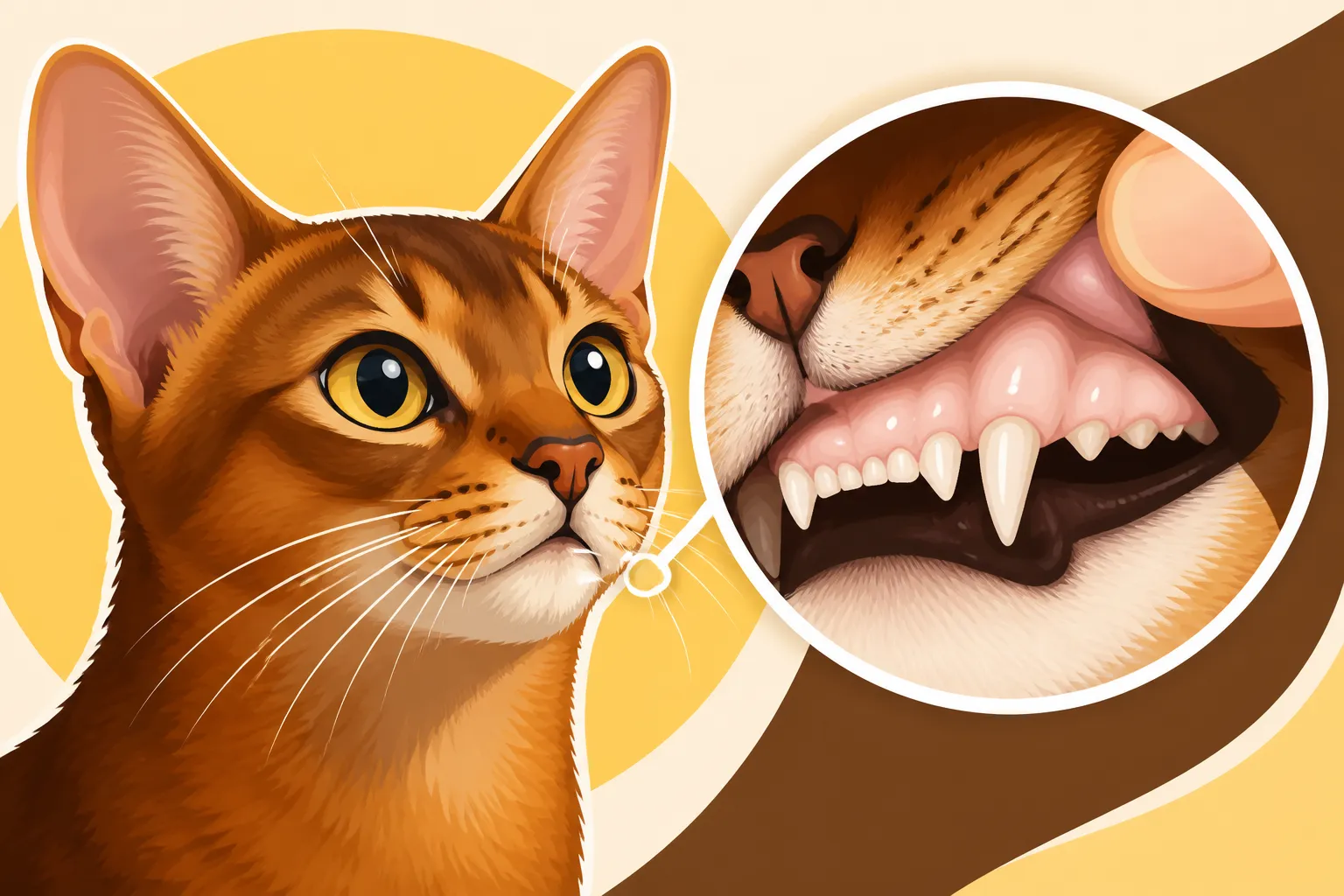
When you gently lift your Abyssinian's lip, you should ideally see gums that are a healthy, bubblegum pink color. Think of the shade of a fresh piece of chewing gum, or perhaps a slightly salmon-pink hue. They should also be moist, smooth, and firm to the touch, not dry, tacky, or inflamed. The capillaries underneath the surface should allow blood flow to be visible, giving them that characteristic pinkness. This is a sign of good circulation and adequate red blood cell count.
A good way to test circulation, often taught by veterinarians, is the capillary refill time (CRT) test. Gently press your finger against your cat's gum until the pink spot turns white. When you release, it should return to its normal pink color within 1 to 2 seconds. A longer refill time can indicate poor circulation, which might accompany pale gums. Getting comfortable with these checks from a young age can make all the difference, as it helps your Abyssinian get used to having its mouth handled, making future veterinary visits less stressful.
It's also worth noting that some Abyssinians might have naturally darker pigmentation on their gums, appearing as small black or brown spots. This is usually harmless and genetic, but it’s important to distinguish these natural markings from an overall change in gum color. If you're unsure, or if new dark spots appear rapidly, a vet check is always a good idea. Knowing your individual cat's baseline is key, so make it a habit to peek at their gums when they’re relaxed.
Why Abyssinian Gums Are So Important for Health Monitoring
Abyssinians are incredibly active and resilient cats, often masking illness until symptoms become quite severe. Their high energy levels can sometimes make owners overlook subtle changes in their behavior or physical state. This is why checking their gums becomes such a vital, non-invasive tool for early detection of serious underlying issues. The color of their gums is a direct reflection of their blood circulation and red blood cell count, making it a powerful indicator of internal health.
Because Abyssinians are known for their athleticism and zest for life, a sudden drop in energy or appetite might not be the first thing you notice. However, pale gums can often precede other, more obvious signs of sickness. They can signal anything from simple dehydration to life-threatening conditions like severe anemia or internal bleeding. Think of their gums as a window into their circulatory system; if the window looks cloudy or faded, something's not right inside. This quick check can literally be a lifesaver, prompting you to seek veterinary attention long before your cat shows more profound signs of discomfort.
Moreover, given that Abyssinians can be predisposed to certain health conditions that affect red blood cells, such as Pyruvate Kinase Deficiency, regularly monitoring their gums can provide crucial early warnings. Conditions like this can cause their red blood cells to break down early, leading to anemia, and pale gums are one of the most visible indicators. Having this knowledge allows you to be a proactive advocate for your cat's health, rather than reacting only when a crisis hits. It really empowers you as an owner to catch things before they escalate.
Recognizing Pale Gums in Your Abyssinian
Once you know what healthy gums look like, spotting the difference becomes much clearer. Pale gums aren't always stark white; they can range through various shades, each indicating a potential level of concern.
How to Check Your Abyssinian's Gums Safely
Checking your Abyssinian's gums might sound daunting, especially if your cat isn't thrilled about mouth handling. The key is gentle, consistent practice. Start when your cat is relaxed and perhaps a little sleepy, maybe while they’re on your lap or getting a cuddle. Avoid trying to force it if they're stressed or agitated. Slowly approach their mouth, gently lift their upper lip with a thumb or forefinger, just enough to expose the gums above their teeth. You don't need to open their jaw wide.
Consistency is vital. If you can, try to incorporate this into a routine, perhaps once a week, or even just a quick peek every few days. Offer a treat or some praise afterward to create a positive association. For some Abyssinians, their playful nature might make this a bit of a challenge, as they might try to "help" by batting at your hands or playfully nipping. Patience and a calm demeanor are your best tools. If your cat is particularly resistant, you can try checking while they’re distracted, perhaps during a meal or when they are otherwise focused. Remember, any signs of aggression mean you should stop immediately and try again later or consult your vet for tips.
This isn't just about spotting pale gums; it's about making your cat comfortable with mouth examinations, which is hugely beneficial for future dental care and veterinary check-ups. If you know how to how juvenile gingivitis starts in an Abyssinian kitten, you'll appreciate the importance of regular mouth checks even more. The more comfortable they are, the easier it will be for your vet to perform thorough examinations when needed.
Describing the Shades of Paleness
Pale gums can manifest in various shades, and understanding these can help you convey the severity to your veterinarian. It’s not always a sudden shift from pink to white; it can be a gradual fading that you might only notice when you really pay attention.
- Light Pink/Washed Out: This is often the first subtle sign. The gums lack their usual vibrant pink hue and appear a bit dull or "washed out." They still have some color, but it’s noticeably lighter than normal. This could indicate mild anemia or even just dehydration.
- White/Porcelain: This is a much more alarming sign. When gums appear almost white, like porcelain, it suggests severe anemia or a significant loss of blood volume. This requires immediate veterinary intervention.
- Bluish-White (Cyanotic): This is a critical emergency. Bluish or grayish-white gums indicate a lack of oxygen in the blood, often due to a serious respiratory or circulatory problem. If you see this, rush your Abyssinian to an emergency vet immediately.
It’s often helpful to compare your Abyssinian's gums to your own fingertips or a known healthy shade of pink. If you have a second, healthy cat, you can even compare their gums (if both cats are willing, of course!). Taking a photo in good lighting, if possible, can also be useful to show your vet, especially if the color seems to fluctuate. Never ignore any shade of paleness; even a slight difference from their normal can be a red flag that warrants professional advice.
Associated Symptoms to Watch For
Pale gums are rarely the only symptom of an underlying issue. Your Abyssinian will likely exhibit other signs that, when combined with gum paleness, paint a clearer picture of their health status. Paying attention to these accompanying symptoms is crucial for understanding the urgency of the situation and providing your vet with comprehensive information.
Look out for lethargy or a noticeable decrease in energy. An Abyssinian who suddenly stops climbing to their favorite high shelf or has no interest in their usual vigorous play sessions could be signaling a problem. This might be particularly noticeable if you've been monitoring why a suddenly still Abyssinian needs a vet. Other signs include reduced appetite or refusal to eat, which, for a typically food-motivated Abyssinian, is always a concern. You might also observe increased thirst and urination, which can be linked to kidney issues that sometimes manifest with anemia.
Changes in breathing, such as rapid or labored breaths, weakness, or even collapsing, are all grave signs that demand immediate emergency care. Vomiting, diarrhea, or changes in stool color (especially black, tarry stools indicating digested blood) are also critical. Furthermore, if you notice any unusual bleeding, bruising, or pinpoint red spots on their skin, these symptoms, paired with pale gums, suggest a serious problem with their blood or clotting ability. Always remember, Abyssinians are masters at hiding pain behind their energy, so any deviation from their normal, vibrant behavior should be taken seriously, especially when accompanied by pale gums.
Common Causes Behind Pale Gums in Abyssinians
When you observe pale gums, it's a symptom, not a diagnosis. The underlying causes can range from relatively minor to extremely severe, and identifying them quickly is critical for your cat's recovery.
Anemia as a Primary Suspect
The most common reason for pale gums in any cat, including your Abyssinian, is anemia. Anemia means there aren't enough red blood cells or hemoglobin in the blood to carry adequate oxygen to the body's tissues. This reduction in the red, oxygen-carrying component of the blood is what makes the gums appear pale or even white. Anemia itself isn't a disease; it's a symptom of another underlying issue.
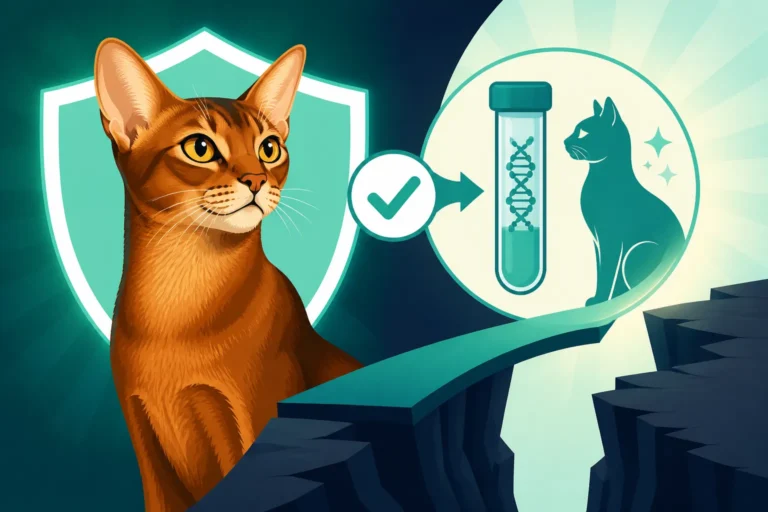
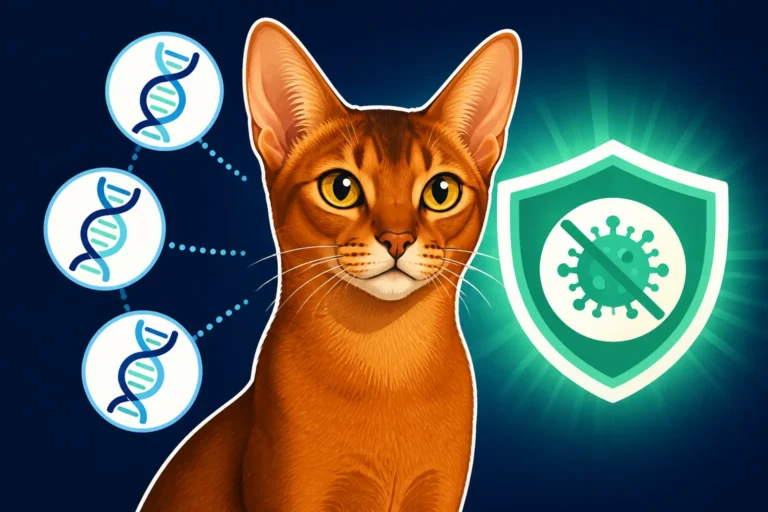
For Abyssinians, there are specific hereditary conditions that can lead to anemia. One prominent example is Pyruvate Kinase Deficiency (PK Deficiency). This is a genetic disorder where red blood cells lack a crucial enzyme, causing them to break down prematurely. You might have heard about what PK deficiency does to an Abyssinian's red cells and why an Abyssinian's red cells break down early. When an Abyssinian suffers from PK Deficiency, the anemia can be intermittent, meaning symptoms can come and go, making it even harder to diagnose without genetic testing and thorough veterinary investigation. This is why a responsible breeder will always have parents tested, and it's something to ask about when considering what an Abyssinian breeder should have tested before you buy.
Other forms of anemia can also affect Abyssinians, including those caused by internal or external blood loss. This could be from parasites like fleas (especially in kittens), internal bleeding from trauma or a tumor, or even gastrointestinal bleeding. Immune-mediated hemolytic anemia, where the cat's own immune system attacks and destroys its red blood cells, is another serious possibility. Regardless of the cause, if anemia is suspected, your vet will need to perform blood tests to pinpoint the exact type and severity, then develop a targeted treatment plan. Remember, why a lethargic Abyssinian needs blood work fast – pale gums often accompany that lethargy and make the need for diagnostics even more urgent.
Other Medical Conditions Leading to Paleness
While anemia is a prime suspect, pale gums can also be a red flag for a variety of other serious health concerns that affect overall circulation or hydration. These conditions might not directly attack red blood cells but can still compromise blood flow and oxygen delivery.
Severe dehydration, for instance, can lead to pale and sticky gums because of reduced blood volume. While not anemia in the truest sense, it still means less fluid in the circulatory system, impacting the appearance of the gums. Hypothermia, or dangerously low body temperature, can also cause peripheral vasoconstriction (blood vessels narrowing at the extremities), reducing blood flow to the gums and making them appear pale or even bluish. Additionally, certain types of shock – whether from severe infection (septic shock), heart failure (cardiogenic shock), or traumatic injury – can lead to a drastic drop in blood pressure and poor circulation, presenting as pale, often cold, gums.
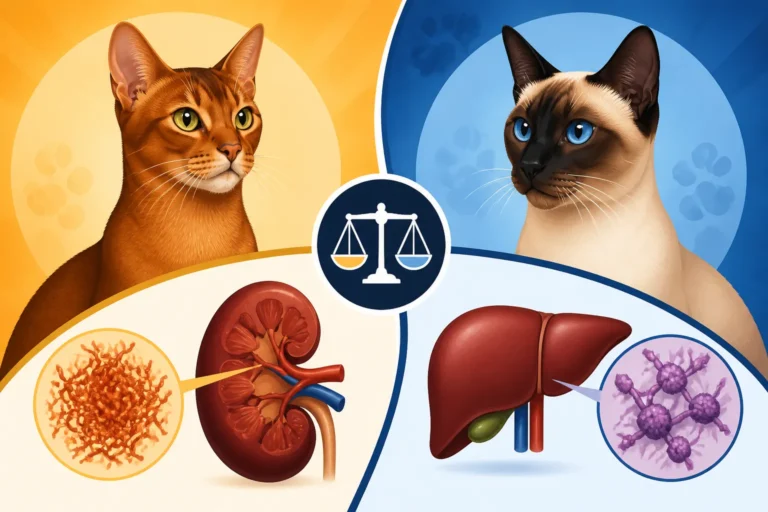
Even serious internal organ diseases can indirectly contribute to pale gums. For example, advanced kidney disease, which Abyssinians can be predisposed to (though there's no genetic test for Renal Amyloidosis, unfortunately), can lead to anemia over time as the kidneys fail to produce erythropoietin, a hormone essential for red blood cell production. If your Abyssinian is showing signs like increased thirst, weight loss, and general malaise in addition to pale gums, your vet will likely want to check which blood values catch an Abyssinian's kidneys early. Tumors, particularly those that bleed internally or suppress bone marrow function, can also cause chronic blood loss or impaired blood cell production, resulting in paleness. It truly highlights how interconnected a cat's bodily systems are.
The Urgency of Veterinary Attention
No matter how subtle, pale gums are never something to take lightly in an Abyssinian. Given their stoic nature and tendency to hide illness, any noticeable paleness in their gums should be treated as an urgent matter. It signifies that something is significantly wrong internally, impacting their circulatory system and oxygen-carrying capacity. Delaying veterinary care can lead to rapid deterioration, especially if the underlying cause is severe anemia, internal bleeding, or shock.
Consider this: if a human has pale lips or fingernail beds, it's often a sign that they need medical attention. The same applies, even more critically, to cats because their symptoms are often far advanced by the time they become obvious. If your Abyssinian’s gums are even slightly lighter than their usual healthy pink, or if they take longer than 2 seconds to return to color after you press them, it's time to call your vet. If their gums are white, bluish-white, or cold to the touch, this is an emergency situation requiring immediate transport to the nearest veterinary clinic or emergency animal hospital. Do not wait to see if they improve.
A veterinarian will be able to perform a thorough physical exam, take blood samples to check for anemia and other abnormalities, and potentially conduct imaging like X-rays or ultrasound to look for internal bleeding, organ disease, or tumors. The sooner these diagnostics are performed, the higher the chance of a positive outcome. Remember, why an Abyssinian's weight loss is never minor and why why an Abyssinian hides pain behind its energy are essential points to keep in mind; combined with pale gums, these indicators demand swift action.
Here's a quick guide to gum color and what it might mean:
| Gum Color | Potential Indication | Urgency |
|---|---|---|
| Bubblegum Pink | Healthy, normal circulation | Routine monitoring |
| Light Pink | Mild anemia, dehydration, mild discomfort | Consult vet soon (within 24 hours) |
| Pale Pink | Moderate anemia, poor circulation | Veterinary visit needed (same day) |
| White / Porcelain | Severe anemia, significant blood loss, shock | Emergency Vet Immediately |
| Bluish-White | Lack of oxygen, severe shock, critical illness | Emergency Vet Immediately |
| Bright Red | Inflammation, infection, fever, toxin exposure | Consult vet soon (within 24 hours) |
Immediate Actions and Long-Term Management
Discovering pale gums on your Abyssinian can be frightening, but knowing what to do immediately and how to manage care long-term can make a significant difference.
What to Do the Moment You Notice Pale Gums
The very first thing you should do when you notice your Abyssinian has pale gums is to remain calm, even if your heart is racing. Your cat will pick up on your stress. Gently confine them to a quiet, warm, and safe space, like a carrier or a small room, to prevent further exertion or injury, especially if they are weak. Then, immediately call your veterinarian or the nearest emergency animal hospital. Describe what you've observed, including the exact color of the gums, any other symptoms (like lethargy, vomiting, or weakness), and when you first noticed them. Follow their advice precisely.
Do not try to administer any human medications, force-feed, or try home remedies without explicit veterinary instruction. Some common human medications are toxic to cats, and attempting to give food or water to a weak or nauseous cat can be dangerous. If your vet advises you to bring your cat in immediately, do so without delay. Having a designated emergency carrier ready and knowing the route to your closest emergency clinic can save precious time. Gather any relevant medical history you have, such as recent changes in diet, medications, or any observed injuries. For example, if you know when PK Deficiency first shows in an Abyssinian, this information is crucial for your vet.
It's also important to ensure your Abyssinian has easy access to a comfortable bed, water, and their litter box, especially if they are experiencing weakness. However, do not assume they can walk to these things if they are severely debilitated. In an emergency, prompt action and clear communication with your vet are paramount. Organizations like Healthy Paws can be a lifesaver when emergency care costs add up, helping you focus on your cat's health rather than the unexpected financial strain.
Working with Your Veterinarian for Diagnosis and Treatment
Once your Abyssinian is at the vet, you'll be partnering with them to get to the bottom of the pale gums. The diagnostic process typically begins with a thorough physical examination, checking vital signs, listening to the heart and lungs, and assessing hydration. Blood tests are almost always recommended. A complete blood count (CBC) will reveal the severity of anemia, if present, and provide clues about its cause (e.g., whether red blood cells are being lost, destroyed, or not produced). A biochemistry panel will assess organ function, looking for issues with kidneys, liver, or other systems that could contribute to the problem.
Further diagnostics might include urinalysis, fecal tests (to check for parasites or gastrointestinal bleeding), X-rays, or ultrasound to visualize internal organs and look for masses or internal hemorrhage. If a genetic condition like PK Deficiency is suspected, your vet may recommend specific genetic testing. Once a diagnosis is reached, treatment will be tailored to the specific cause. This could range from parasite control and dietary changes to more intensive therapies like medications for immune-mediated diseases, fluid therapy for dehydration, or even surgery for tumors or severe injuries. In cases of severe anemia, a blood transfusion might be necessary to stabilize your cat. For a cat that is severely anemic, how an anemic Abyssinian is treated often involves a combination of supportive care and addressing the root cause. If PK Deficiency is the culprit, for example, your vet might discuss if a splenectomy helps an anemic Abyssinian.
Throughout this process, don't hesitate to ask questions. Understand the diagnosis, the treatment plan, potential side effects of medications, and what to expect during recovery. Your vet is your best resource, and clear communication ensures the best possible outcome for your Abyssinian. Pet insurance providers, like Healthy Paws, often cover emergency diagnostics and treatments, which can ease the burden during such stressful times.
Proactive Care to Support Your Abyssinian's Health
While emergencies can strike unexpectedly, proactive and consistent care can significantly reduce the risk of many conditions that lead to pale gums. Regular veterinary check-ups are paramount, even if your Abyssinian seems perfectly healthy. During these visits, your vet can catch subtle changes, conduct routine blood work, and recommend preventative measures. Maintaining a balanced, high-quality diet appropriate for an active Abyssinian is crucial for their overall health and energy levels. Ensuring they always have access to fresh, clean water is also vital to prevent dehydration.
Preventative parasite control, both internal (worms) and external (fleas, ticks), is another key component, as heavy parasite loads can lead to anemia, particularly in younger cats. Regular home health checks, including a peek at their gums, can help you detect issues early. Grooming, even for their short coat, gives you a chance to feel for lumps or bumps, and assess their overall body condition. It's important to know whether an Abyssinian with PK Deficiency can live normally – the answer is often yes, with careful management and proactive monitoring.
Lastly, maintaining a low-stress environment and providing plenty of enrichment helps keep your Abyssinian mentally and physically healthy. This breed thrives on interaction and activity, so ensure they have ample opportunities to climb, play, and explore. If you're concerned about unexpected health costs, looking into pet insurance from a reputable provider such as Healthy Paws can provide peace of mind and help ensure you can always afford the best care for your adventurous Abyssinian. Your proactive efforts truly lay the foundation for a long, vibrant life for your feline companion.
Disclaimer
This article is intended for informational purposes only and does not constitute veterinary advice. Always consult with a qualified veterinarian for any health concerns or before making any decisions related to your pet's medical care.