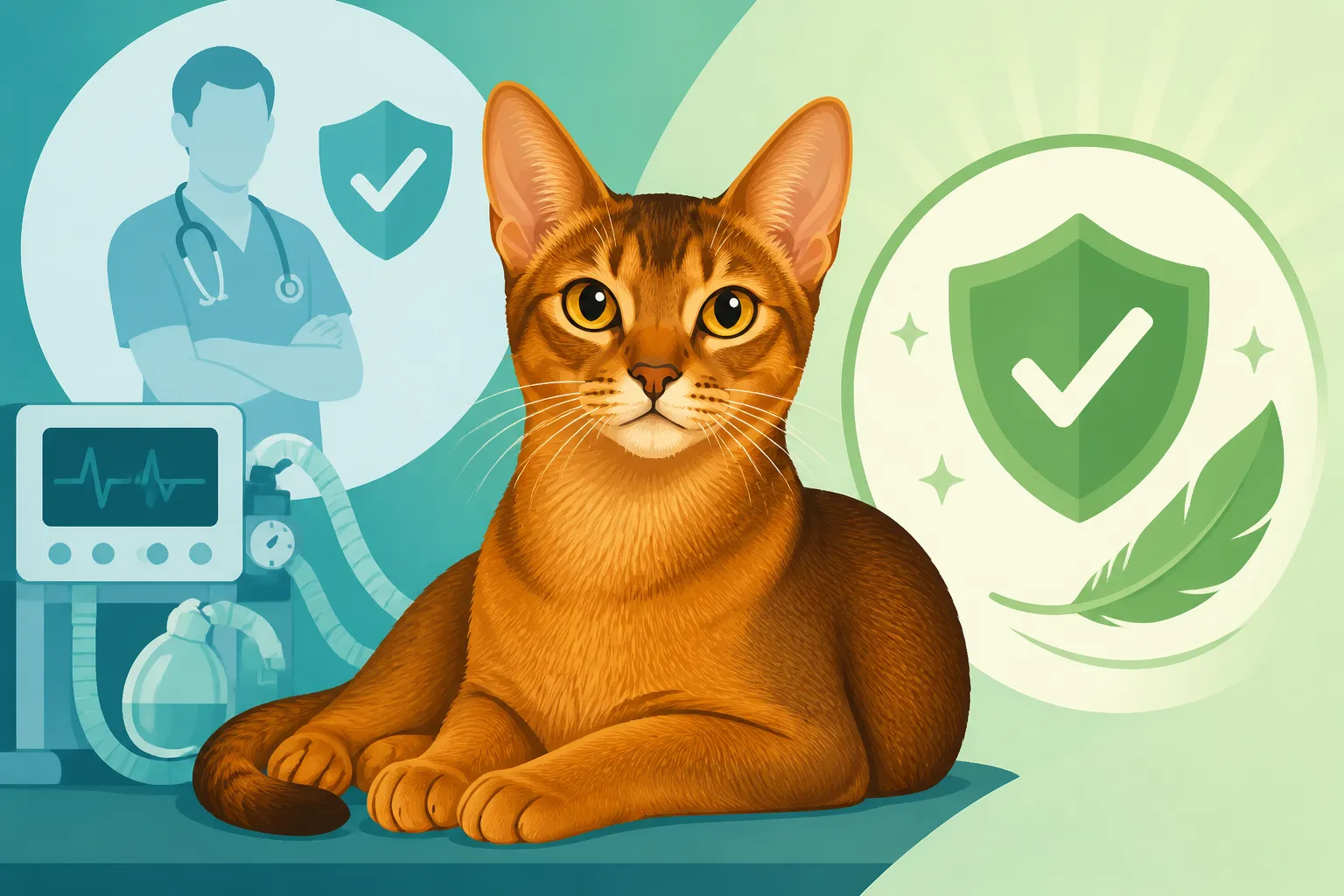
Whether an Abyssinian Is a Low Anesthetic Risk
It’s a natural worry for any cat parent: the moment your beloved Abyssinian needs a procedure requiring anesthesia. That knot in your stomach is entirely valid; no matter how routine a surgery might be, putting your vibrant, energetic companion under carries inherent risks. This guide is here to walk you through what anesthesia means for an Abyssinian, addressing your concerns and empowering you with knowledge to make the best decisions for their safety and well-being.
The Realities of Feline Anesthesia: What Every Owner Worries About
The thought of your cat going under anesthesia can be truly terrifying. You love your Abyssinian's boundless energy and sharp intelligence, and the idea of them being vulnerable and unconscious is deeply unsettling. It's not just about the procedure itself; it's about handing over complete control and trusting that everything will be alright. Many of us have heard cautionary tales, or perhaps experienced a complication with a previous pet, which only amplifies the anxiety. It's important to acknowledge that while modern veterinary medicine has made incredible strides, anesthesia for any animal, including our cherished Abyssinians, is never entirely without risk. It's a calculated decision, always weighed against the benefit of the procedure needed.
Why Anesthesia Isn't a "One Size Fits All" Scenario for Cats
When your vet talks about anesthesia, it's not like flicking a switch. Each cat reacts uniquely to anesthetic agents, and their physiological responses can vary based on a multitude of factors. Think of it less as a standard dose and more as a carefully titrated cocktail tailored to your cat's specific needs and the procedure at hand. Vets use different types of anesthesia, from injectable sedatives for shorter, less invasive procedures to inhalant gases for longer, more complex surgeries. The goal is to keep them safely unconscious, pain-free, and relaxed, while maintaining stable vital signs.
The challenge lies in managing each cat's individual metabolism, underlying health status, and even temperament. A nervous cat might require a different approach than a calm one. Because cats are masters at hiding illness, subtle issues can go unnoticed until a comprehensive pre-anesthetic workup is performed. This is why experienced veterinary teams focus so heavily on thorough evaluations, knowing that what works perfectly for one cat might not be ideal for another. It's this nuanced approach that helps minimize the inherent variability and risk.
Essential Pre-Anesthetic Workups: Your Cat's First Line of Defense
You might wonder why your vet insists on blood tests and other diagnostics before what seems like a simple dental cleaning or neuter. "Isn't it just an added expense?" you might think, especially when your Abyssinian seems perfectly healthy. This frustration is understandable, but these pre-anesthetic workups are, without exaggeration, your Abyssinian's first and most critical line of defense against complications. They are designed to uncover any hidden health issues that could make anesthesia dangerous.
A full blood panel, for example, gives your vet a detailed picture of your cat's organ function, red and white blood cell counts, and electrolyte balance. This is crucial because anesthetic drugs are processed by the liver and kidneys. If these organs aren't functioning optimally, your Abyssinian could struggle to metabolize the drugs, leading to prolonged recovery or even organ damage. A urinalysis can also provide critical insights into kidney function, complementing the blood work. For older Abyssinians, or those with suspected heart murmurs, additional tests like an ECG or even a cardiac ultrasound might be recommended to assess heart health. These tests help the veterinary team create the safest possible anesthetic plan. It’s an investment in your cat’s safety, and many owners find that pet insurance providers like Healthy Paws can help with the costs of these essential diagnostic steps, reducing the financial barrier to vital care. You can learn more about Which Blood Panel an Abyssinian Should Have Yearly to understand what these tests involve.
What Makes Abyssinians Unique in the Operating Room
Abyssinians are special cats, known for their lean, athletic build, incredible energy, and curious minds. While these traits make them wonderful companions, they also present unique considerations when it comes to anesthesia. It’s not about them being "more" or "less" risky universally, but about understanding their specific predispositions and how to best prepare for them.
The Abyssinian's Energetic Nature and Metabolism
If you live with an Abyssinian, you know they're not content to simply lounge. They're constantly on the go, exploring, climbing, and playing. This high activity level translates to a naturally higher metabolism compared to many other cat breeds. This can influence how quickly they process anesthetic drugs, potentially requiring different dosages or monitoring strategies. A faster metabolism might mean they come out of anesthesia more quickly, but it can also mean their body processes drugs differently, requiring careful titration.
Their lean body mass also plays a role. Unlike some heavier breeds, Abyssinians don't have a lot of insulating fat, which means they can be more prone to hypothermia during anesthesia. Maintaining a stable body temperature is critical for safe anesthetic recovery. Veterinary teams are typically very diligent about providing warming support, such as circulating warm water blankets or heated air systems, to prevent this. Their tendency to hide illness, a common feline trait, is also amplified by their energetic nature. A slightly lethargic Abyssinian might still appear "active" by another cat's standards, delaying diagnosis of an underlying problem. This makes the pre-anesthetic health check even more invaluable, as discussed in Why a Lean Abyssinian Hides Illness Longer Than a Heavy Cat.
Breed-Specific Health Considerations for Anesthesia
While Abyssinians are generally a robust breed, like all purebred cats, they do have certain genetic predispositions that can impact anesthetic risk. Being aware of these and discussing them with your vet is paramount.
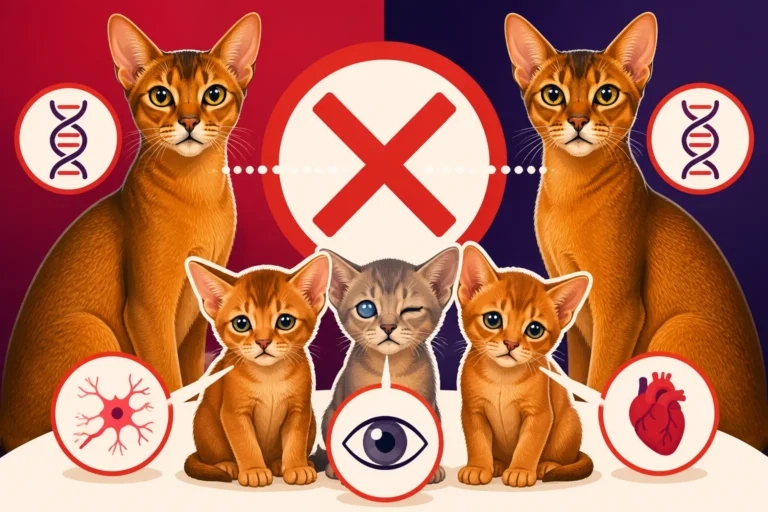
- Pyruvate Kinase Deficiency (PKD): This is a genetic blood disorder common in Abyssinians. It affects the red blood cells, causing them to break down prematurely (hemolytic anemia). A cat with PKD might not show symptoms until stressed, and anesthesia is a major stressor. Anemic cats have reduced oxygen-carrying capacity, which can be extremely dangerous under anesthesia. A good breeder will test for this, and you can learn more about Pyruvate Kinase Deficiency Is the Abyssinian's Best Known Test. If your Abyssinian has tested positive as affected (not just a carrier), your vet will need to take extra precautions, possibly including a blood transfusion on standby.
- Progressive Retinal Atrophy (PRA-rdAc): While not directly impacting anesthetic risk, this genetic condition causes blindness. It's important for owners to know about it as part of their Abyssinian's overall health profile, but it won't complicate the anesthetic procedure itself. PRA-rdAc Takes an Abyssinian's Sight by Five discusses this condition in detail.
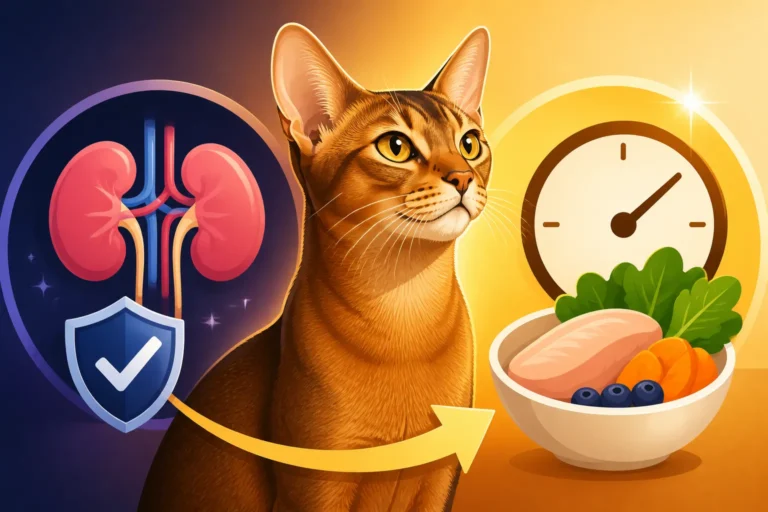
- Renal Amyloidosis: This is perhaps the most significant breed-specific concern for Abyssinians when it comes to anesthesia. Amyloidosis is a disease where abnormal protein deposits (amyloid) accumulate in the kidneys, leading to progressive kidney failure. The kidneys are vital for filtering waste products and metabolizing anesthetic drugs. Even if your Abyssinian isn't showing overt signs of kidney disease, subtle changes can increase anesthetic risk significantly. Unfortunately, there's no genetic test for this condition, making careful screening of kidney values (like SDMA, BUN, creatinine, and urine specific gravity) even more critical before anesthesia. Vets often refer to Renal Amyloidosis Is the Abyssinian Problem Nobody Can Test For for understanding this complex issue. Owners should also proactively inquire about their cat's kidney values and understand How the SDMA Value Reads on an Abyssinian. If kidney issues are detected, the anesthetic protocol will be adjusted carefully, potentially including intravenous fluids before, during, and after the procedure to support kidney function.
- Juvenile Gingivitis: Abyssinians are unfortunately prone to severe gum inflammation and overgrowth, often starting in kittenhood. This condition frequently necessitates dental cleanings and sometimes gingivectomies (removal of excess gum tissue) under anesthesia. While not an anesthetic risk in itself, the need for these procedures means Abyssinians may undergo anesthesia more frequently than other breeds for dental health. Early detection and treatment are key, as outlined in Why an Abyssinian Kitten's Gums Fail at Six Months, and these procedures contribute to Why Abyssinian Dental Work Is the Biggest Line in the Budget.
Assessing and Minimizing Risk: A Partnership with Your Vet
Feeling informed and confident in your veterinary team is paramount when your Abyssinian needs anesthesia. It’s not just about what tests are done, but how those results are interpreted and how your cat is cared for every step of the way. Building a strong partnership with your vet means asking questions and understanding the protocols in place.
The Comprehensive Physical Exam: More Than Just a Look-Over
Before any anesthetic procedure, your Abyssinian will receive a thorough physical examination. This is far more than a casual glance; it’s a systematic assessment of their overall health. Your vet will listen carefully to their heart and lungs, checking for murmurs, arrhythmias, or abnormal breathing sounds that could indicate underlying cardiovascular or respiratory issues. They’ll examine your Abyssinian’s gums for color, which can be an indicator of anemia or poor circulation. Hydration status will be assessed by checking skin turgor and mucous membranes. They’ll also feel your cat's abdomen for any abnormalities and evaluate their overall body condition.
This exam, combined with the pre-anesthetic blood work, urinalysis, and your input about your Abyssinian’s recent behavior or any concerns you have, forms the complete picture. If anything unusual is detected, your vet might recommend postponing the procedure to investigate further or adjust the anesthetic plan accordingly. For instance, if subtle signs of kidney disease are found, they might suggest starting intravenous fluids a day before the procedure to optimize hydration and kidney function, as outlined in How a Vet Manages an Abyssinian in Kidney Failure. This meticulous approach ensures that your Abyssinian is in the best possible condition for anesthesia.
Advanced Monitoring and Support During the Procedure
Once your Abyssinian is under anesthesia, the veterinary team’s work is far from over. In fact, this is when intensive monitoring truly begins. Modern veterinary clinics employ sophisticated equipment to continuously track your cat’s vital signs, mimicking the level of care seen in human hospitals.
Here’s what typically happens:
- Heart Rate and Rhythm: An electrocardiogram (ECG) continuously monitors the electrical activity of the heart, detecting any irregularities.
- Respiration: A technician will monitor breathing rate, depth, and character. A pulse oximeter measures the oxygen saturation in the blood, ensuring your cat is getting enough oxygen.
- Blood Pressure: Regular blood pressure readings help ensure adequate blood flow to vital organs.
- Body Temperature: As Abyssinians are prone to hypothermia, temperature is carefully monitored, and warming devices are used to maintain it within a safe range.
- Carbon Dioxide Levels: Capnography measures the amount of carbon dioxide in exhaled breath, indicating how well your cat is breathing and ventilating.
In addition to this equipment, a dedicated veterinary technician is usually present throughout the entire procedure, solely focused on monitoring your Abyssinian and adjusting anesthetic levels as needed, under the direction of the veterinarian. Intravenous fluids are almost always administered during anesthesia to help maintain blood pressure, hydration, and support organ function. This continuous, vigilant monitoring is what transforms a potentially risky procedure into a well-managed one. This level of comprehensive care can involve significant costs, and it's in these moments that having pet insurance, such as a plan from Healthy Paws, can provide immense relief and peace of mind. Whether Pet Insurance Is Worth It for an Abyssinian explores the value of this investment.
Post-Anesthetic Care and Long-Term Health Strategies
The anesthetic journey doesn't end when the procedure is over. The recovery period is just as crucial, and your role as a diligent Abyssinian parent continues. Understanding what to expect and how to provide the best care at home is vital for a smooth transition back to their lively selves.
Bringing Your Abyssinian Home: The Recovery Period
When you pick up your Abyssinian from the vet, they might not be their usual bouncy self immediately. It’s normal for cats to be a bit groggy, disoriented, or even nauseous for the first 12-24 hours after anesthesia. They might stumble a little, have dilated pupils, or seem unusually quiet. Your vet will provide specific instructions tailored to your cat and the procedure performed, but generally, expect to:
- Provide a Quiet, Warm Space: Set up a comfortable, safe, and quiet area away from other pets or noisy household activities. Ensure it’s warm, as they can feel cold after anesthesia.
- Monitor Food and Water: Offer small amounts of water initially, and once they can keep that down, a small, bland meal. Don't be alarmed if their appetite isn't normal right away.
- Check Incision Sites: If they had surgery, routinely check the incision site for excessive swelling, redness, discharge, or if your Abyssinian is bothering it. Use an Elizabethan collar if prescribed.
- Observe Behavior: Watch for signs of excessive lethargy, persistent vomiting, diarrhea, difficulty breathing, or any behavior that seems acutely out of the ordinary. If you have concerns, do not hesitate to call your vet.
Remember, patience is key. Your Abyssinian's high energy might make them eager to jump and play, but restricting activity is often important for proper healing, especially after surgery. They need time to fully clear the anesthetic from their system and regain their normal coordination.
Proactive Health Management: Investing in Your Abyssinian's Future
Ultimately, the best way to ensure your Abyssinian is a low anesthetic risk is through consistent, proactive health management throughout their life. This isn't just about avoiding emergency situations; it's about giving them the longest, happiest, and healthiest life possible.
Here's how you can be proactive:
- Regular Veterinary Check-ups: Don't skip annual exams. These are opportunities for your vet to catch subtle changes before they become major problems. For senior Abyssinians, even more frequent check-ups might be advised, as discussed in Caring for an Abyssinian Past Ten.
- Optimal Nutrition: Feed a high-quality, species-appropriate diet that supports their energy levels and overall health.
- Environmental Enrichment: Keep their minds and bodies active with plenty of climbing opportunities, interactive toys, and play sessions. A well-exercised Abyssinian is generally a healthier one.
- Dental Care: Implement a regular dental hygiene routine at home, including brushing, and be vigilant about professional dental cleanings as recommended by your vet to prevent issues that necessitate anesthesia.
- Genetic Testing: If you’re acquiring a kitten, ensure your breeder performs all recommended genetic tests, including those for PK deficiency and PRA-rdAc. Knowing your cat’s genetic predisposition is empowering and helps you and your vet plan for their future care. More on this can be found in What an Abyssinian Breeder Should Have Tested Before You Buy.
By being proactive, you can identify potential health issues early, manage chronic conditions effectively, and ensure that should your Abyssinian ever need anesthesia, they are in the best possible health to undergo the procedure safely. This foresight, combined with the support of comprehensive pet insurance like Healthy Paws, allows you to focus on your Abyssinian’s well-being without the added stress of unexpected veterinary costs. It's truly an investment in their long, healthy life.
Anesthetic Risk Factors and Mitigation Table
Here's a summary of common factors that influence anesthetic risk in Abyssinians and how to mitigate them:
| Factor | Impact on Anesthetic Risk | Mitigation Strategies |
|---|---|---|
| Age | Very young and senior Abyssinians can have less resilient organ systems or underlying conditions. | Tailored anesthetic protocols, more extensive pre-anesthetic screening. |
| Underlying Diseases | Conditions like kidney disease (amyloidosis), heart conditions, or anemia (PKD) significantly increase risk. | Comprehensive pre-anesthetic bloodwork, urinalysis, cardiac screening, genetic testing. |
| Hydration Status | Dehydration can lead to low blood pressure and poor organ perfusion during anesthesia. | Intravenous fluids before and during anesthesia, ensure adequate water intake pre-op. |
| Temperament | Anxious or aggressive cats may require higher doses of sedatives, leading to prolonged recovery. | Pre-anesthetic calming medications, calm handling, experienced veterinary staff. |
| Procedure Type | Longer, more invasive surgeries generally carry higher risks than short, superficial procedures. | Careful anesthetic planning, precise drug dosages, vigilant monitoring. |
| Veterinary Clinic Quality | Availability of modern monitoring equipment, experienced staff, and emergency protocols. | Choose a reputable, well-equipped clinic with trained veterinary technicians. |
Disclaimer
This article is for general informational purposes only and does not constitute professional advice. Laws, prices and regulations vary by location and change over time. Consult a qualified professional for guidance on your specific situation.