What an Abyssinian Kitten Costs in 2026
Bringing an Abyssinian kitten into your home is an incredibly exciting prospect, but it’s also a significant financial commitment that many prospective owners underestimate. Beyond the initial "sticker shock" of the purchase price, there are ongoing costs for their specific care, potential health needs, and enrichment that can truly add up. This guide aims to break down all the financial aspects of Abyssinian ownership, from the initial adoption fee to the long-term expenses, so you can approach this wonderful journey with eyes wide open and a realistic budget in mind.
The Initial Investment: Abyssinian Kitten Purchase Price
The first thing most people wonder about is simply, "What's the going rate for an Abyssinian kitten?" And while I can't give you a precise figure, I can tell you that it's rarely a small sum. These aren't your average kittens; they come from carefully planned litters, often involving extensive health testing and showing by dedicated breeders. You're paying for generations of selective breeding, health clearances, and the peace of mind that comes with a well-socialized, genetically sound kitten. The cost reflects the breeder's investment in their lines, their time, and their commitment to the breed's health and future.
Factors Influencing the Kitten's Price Tag
Several elements contribute to the final price a reputable breeder will ask for an Abyssinian kitten. It's not just a number pulled out of thin air; each factor reflects a real expense or value proposition. Understanding these can help you appreciate why prices vary so much. For instance, kittens from champion lines, where parents have achieved high titles in cat shows, often command a higher price because of their proven genetics and conformation to the breed standard. This isn't just about bragging rights; it's about the consistent quality and adherence to the desirable traits of the Abyssinian breed that those titles represent.
The kitten's individual qualities also play a role. A "pet quality" kitten, while still a purebred Abyssinian, might have a minor fault that disqualifies it from the show ring or breeding program, such as an irregular ticking pattern or a slight flaw in ear set. These kittens are often available at a lower price than "show quality" or "breeding quality" kittens, which are destined for exhibition or to contribute to the next generation of the breed. It's important to understand that a "pet quality" kitten is still a wonderful, healthy companion; its designation simply means it doesn't perfectly meet every single criterion for competitive showing or breeding.
Even color can influence the price. While all Abyssinian colors are beautiful, some are less common or more difficult to produce in a breeding program. Ruddy (or Usual) Abyssinians, being the most traditional and common color, might be at the lower end of the price spectrum. More dilute colors like Blue or Fawn, or sometimes a Sorrel, might be priced slightly higher due to their relative rarity or the specific genetics required to produce them. The rarest and often most expensive might be the Cream Abyssinian female, depending on current trends and breeding challenges. These variations aren't arbitrary but often reflect the supply and demand within the breeding community and the complexity of achieving certain desired traits.
What the Purchase Price Usually Covers
When you pay for an Abyssinian kitten from a good breeder, that money isn't just for the cute bundle of fluff. It actually covers a myriad of costs that the breeder has incurred long before you even met your potential new family member. For example, it often includes the cost of the sire and dam's extensive health testing, such as DNA tests for conditions like Pyruvate Kinase Deficiency (PKD) and Progressive Retinal Atrophy (PRA-rdAc). These tests are crucial for ensuring that the parents are healthy and won't pass on debilitating genetic conditions to their offspring. A reputable breeder will always provide you with The Test Results an Abyssinian Breeder Owes You and will likely have invested hundreds, if not thousands, in these preventative measures.
Beyond genetic screening, the price typically encompasses the comprehensive veterinary care the kitten receives before coming home. This includes their initial vaccinations, deworming treatments, and a thorough health check-up by a veterinarian. Many breeders will also have their kittens microchipped and registered, adding another layer of security and preparation for their new lives. This foundational vet care is essential for giving your kitten the best possible start and ensures they arrive healthy and ready to thrive.
Furthermore, the purchase price contributes to the daily care and socialization efforts invested by the breeder. Abyssinian kittens are raised in a home environment, exposed to household sounds, other pets, and handled frequently to ensure they are confident and well-adjusted. This crucial socialization period, lasting until the kitten is typically 12-16 weeks old, is vital for developing their outgoing and friendly temperament. The cost reflects the high-quality food, litter, enrichment toys, and countless hours of human interaction that go into raising a well-rounded and affectionate companion. You're essentially paying for a healthy, happy, and well-prepared new family member.
Why an Abyssinian Costs More Than a Shelter Tabby
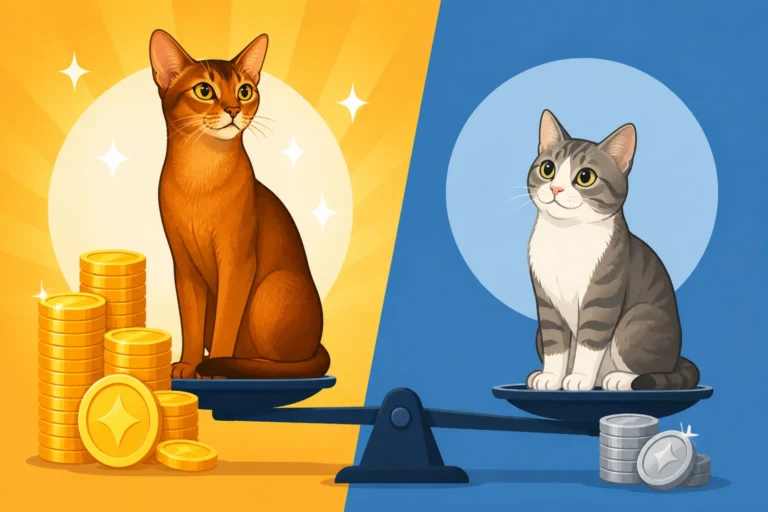
It’s a fair question, isn't it? When you can adopt a perfectly lovely cat from a local shelter for a nominal fee, why would you pay significantly more for a purebred Abyssinian? The answer lies in the fundamental differences between responsible purebred breeding and the fantastic work done by shelters. While both are incredibly valuable, they serve different purposes and incur vastly different expenses. A shelter cat’s adoption fee helps cover basic vet care and housing for a cat whose history is often unknown, and whose genetic background is almost certainly a mystery. With an Abyssinian, you’re investing in predictability and transparency.
The Breeder's Investment in Health and Pedigree
Responsible Abyssinian breeders pour an incredible amount of time, energy, and money into their breeding programs. It starts long before a litter is even conceived. They meticulously research pedigrees, often going back several generations, to understand the genetic makeup and health history of potential breeding pairs. This isn't just about ensuring beautiful kittens; it's about actively working to eliminate genetic diseases and strengthen the breed's overall health. This commitment to genetic health means costly DNA testing for inherited conditions, as discussed previously. Which Two DNA Tests an Abyssinian Must Have are standard, but a good breeder might go even further, investing in cardiac screenings or other health evaluations for their adult cats to ensure the healthiest possible lineage.
Beyond health, breeders are also working to preserve and improve the specific traits that define the Abyssinian breed. This involves selecting for temperament, conformation, and that signature ticked coat. Participating in cat shows, traveling to meet potential mates, and maintaining show-quality breeding cats are all significant expenses. These activities contribute to the quality and consistency of the breed, ensuring that the Abyssinian you bring home embodies all the characteristics you expect. You're not just getting a cat; you're getting a meticulously curated example of the breed.
Furthermore, a breeder’s investment extends to the care of the mother cat (the queen) during pregnancy and lactation. This includes specialized veterinary care, high-quality nutrition, and a comfortable, stress-free environment. Raising a litter of active Abyssinian kittens is a round-the-clock job, demanding constant supervision, cleaning, and individual attention. The costs associated with quality food, supplements, litter, and veterinary check-ups for multiple kittens add up quickly. A reputable breeder understands that cutting corners on these aspects would compromise the health and well-being of their cats and the kittens they produce, making their prices a reflection of this unwavering dedication.
The Value of Predictability in Temperament and Health
One of the most compelling reasons people choose a purebred Abyssinian is the predictability it offers, both in terms of temperament and health. When you adopt from a reputable breeder, you have a much clearer idea of what your kitten will be like as an adult. Abyssinians are known for their incredibly active, playful, and curious personalities – they are often called the "clowns of the cat world." They are typically outgoing, enjoy interaction, and thrive on being part of family activities. This consistent temperament is a hallmark of good breeding and allows you to choose a cat that truly fits your lifestyle.
Conversely, with a shelter tabby, while you might get a wonderful surprise, you’re also taking on more unknowns. You might not know the cat's genetic predispositions or its early life experiences, which heavily influence adult behavior. While shelter cats are incredible and deserving, the advantage of a purebred Abyssinian from a known lineage is that you can anticipate their energy levels, their vocalizations, and their general approach to life. This predictability reduces the risk of behavioral surprises down the road, making the integration into your home smoother and more successful.
Moreover, the extensive health testing performed by responsible breeders provides a significant degree of assurance against common breed-specific genetic diseases. While no animal is guaranteed to be free of health issues, knowing that your kitten's parents were screened for conditions like PK Deficiency and PRA-rdAc drastically reduces the likelihood of these devastating illnesses appearing. This upfront investment can potentially save you significant veterinary expenses and emotional distress in the future. It’s an investment in a potentially healthier, longer life for your cherished companion. For more on this, you might explore What an Abyssinian Breeder Should Have Tested Before You Buy.
Understanding Your Abyssinian Breeder Contract and Health Guarantee
When you're ready to bring an Abyssinian kitten home, the process involves more than just selecting a cute face and handing over money. A reputable breeder will provide you with a detailed contract, which serves to protect both you and the kitten. This document isn't just legal jargon; it outlines the responsibilities of both parties and ensures the well-being of the kitten throughout its life. It's a sign of a professional and ethical breeder, and you should take the time to read and understand every clause before you sign. This contract also often includes a health guarantee, which is a critical piece of assurance for your new family member's future.
What to Expect in a Comprehensive Breeder Contract
A solid Abyssinian breeder contract will typically cover several key areas, ensuring clear expectations and mutual understanding. Foremost, it will detail the kitten's identification, including its registered name, date of birth, color, and pedigree information. It will also specify whether the kitten is being sold as a "pet" (meaning it must be spayed or neutered) or with "breeding rights," which is a significantly different and usually much more expensive arrangement. Most responsible breeders will require a "non-breeding agreement" for pet kittens, and it's something you should embrace, as it helps prevent accidental litters and supports ethical breeding practices.
The contract will also outline the breeder's commitments, such as providing current vaccination records, deworming history, and the results of the parents' genetic tests. It will state when the kitten is ready to go home, typically around 12-16 weeks of age, allowing ample time for proper socialization and weaning from its mother. This age recommendation is crucial for the kitten's development, as it ensures they've learned essential feline behaviors from their mother and littermates. A contract that allows a kitten to leave much earlier is a major red flag and should prompt you to question the breeder's practices.
Finally, the contract will usually contain clauses about what happens if, for unforeseen reasons, you are unable to keep the cat at any point in its life. Reputable breeders often stipulate that the cat must be returned to them, rather than rehomed independently or, worse, surrendered to a shelter. This demonstrates their lifelong commitment to the cats they breed and ensures the cat will always have a safe haven. It's a testament to their dedication, showing they care about their animals well beyond the initial sale. For more on choosing a responsible source, consider reading How to Spot an Abyssinian Breeder Who Does Not Test.
Deciphering the Health Guarantee and Its Limitations
The health guarantee is one of the most vital components of your Abyssinian kitten contract, offering protection against certain health issues. Most reputable breeders will guarantee their kittens against life-threatening congenital or genetic diseases for a specified period, often the first one or two years of the cat's life. This typically covers conditions that are detectable through genetic testing, like PK Deficiency and PRA-rdAc, where the parents would have been screened. If a kitten develops one of these conditions within the guaranteed timeframe, the breeder usually offers a replacement kitten or a partial refund, depending on the terms.
However, it's crucial to understand the limitations of these guarantees. They rarely cover common ailments or illnesses that are not genetic in nature, such as viruses contracted after the kitten leaves the cattery, or injuries. Furthermore, conditions like Renal Amyloidosis, which is a known Abyssinian concern but for which no genetic test currently exists, are almost always excluded. Why an Abyssinian Guarantee Usually Excludes Amyloidosis is a common industry practice due to the lack of a definitive genetic marker, making it impossible for breeders to screen for it with current technology. This doesn't mean breeders ignore it; many track their lines diligently and share family health histories, which is a different, but equally important, form of transparency.
It's also common for health guarantees to become void if the kitten is not fed a high-quality diet, given proper veterinary care, or is allowed to roam outdoors unsupervised, putting it at risk of injury or disease. The breeder has invested heavily in ensuring the kitten's healthy start, and they expect the new owner to continue that level of care. Always clarify what specific conditions are covered, for how long, and what steps you need to take to uphold your end of the guarantee. This ensures there are no misunderstandings should a health issue arise, providing clarity and peace of mind for both parties.
The True Annual Cost of Owning an Abyssinian
While the initial purchase price of an Abyssinian kitten might be the largest single expense, it's really just the tip of the iceberg. The true cost of Abyssinian ownership comes from the ongoing care throughout their life, which can span 12 to 15 years, or even longer. Many first-time owners are surprised by how quickly these recurring expenses add up. These are dynamic, energetic cats with specific needs that impact your wallet, from their food preferences to their penchant for vertical climbing structures. It’s essential to budget for these regular expenditures to ensure your Abyssinian thrives.
Essential Recurring Expenses: Food, Litter, and Vet Care
Food is, of course, a primary ongoing expense. Abyssinians are highly active cats, often burning more calories than a less energetic breed of the same size. They require a high-quality, protein-rich diet to maintain their lean muscle mass and boundless energy. While you might be tempted by cheaper options, investing in premium cat food can have long-term benefits for their health and coat. Many owners find that feeding a combination of wet and dry food helps ensure adequate hydration, which is particularly important for a breed susceptible to kidney issues. You might spend more on a quality diet, but it’s an investment in preventative health.
Litter is another daily necessity, and with an Abyssinian’s active digging habits, you'll go through quite a bit. Many Abyssinians are particular about their litter texture and box cleanliness, so choosing a high-quality, dust-free litter and scooping diligently is key to preventing litter box aversion. The cost for litter might seem minor per bag, but over a year, it accumulates. Regular veterinary check-ups are non-negotiable, usually involving annual visits for vaccinations and a general health assessment. These routine visits are crucial for early detection of any potential health concerns and ensuring your Abyssinian stays in peak condition. For more details on what to expect, consider What an Abyssinian Costs to Keep Every Year.
Beyond the basics, you'll need to factor in occasional vet visits for unexpected illnesses or injuries. Abyssinians, with their adventurous and curious nature, can sometimes get into scrapes or develop sudden health issues. An emergency fund or pet insurance (which we'll discuss later) becomes invaluable for these unforeseen circumstances. Don't forget parasitic prevention, like flea, tick, and heartworm medication, especially if your Abyssinian has any supervised outdoor access or interacts with other animals. These preventative measures are essential for protecting your cat's health and can prevent more costly treatments down the line.
Enrichment, Grooming, and Miscellaneous Costs
Abyssinians are highly intelligent and incredibly playful cats that require significant mental and physical stimulation to prevent boredom and destructive behaviors. This means a constant need for engaging toys, puzzle feeders, and robust scratching posts. Their tendency to climb everything means you'll likely want to invest in tall, sturdy cat trees or wall-mounted shelving systems. These items aren't cheap, and some, like toys, will need regular replacement as your energetic Abyssinian plays with them to destruction. Providing a stimulating environment is not just an expense; it’s an investment in their happiness and your furniture’s longevity.
While the Abyssinian's short, ticked coat is relatively low maintenance compared to long-haired breeds, there are still grooming essentials. You'll need a good quality grooming mitt or soft brush for weekly brushing to remove loose hairs and enhance their coat's natural sheen. The Ticked Coat Is the Whole Abyssinian Grooming Job means you won't be paying for professional groomers, but you'll still need to budget for claw trimmers and, importantly, a good quality feline toothbrush and toothpaste for regular dental care, which is a critical part of Abyssinian health.
Finally, there are miscellaneous costs that can pop up, such as carriers for vet visits or travel, identification tags, and potentially a cat sitter or boarding fees if you travel. Don't forget a budget for treats, which can be useful for training or simply spoiling your beloved companion. It's wise to set aside a small monthly "miscellaneous" fund to cover these unpredictable expenses. By carefully considering all these ongoing costs, you can create a realistic budget that ensures your Abyssinian receives the best possible care throughout their vibrant life.
| Expense Category | Typical Frequency | Examples of Costs (General Shape) | Why it Matters for Abyssinians |
|---|---|---|---|
| Food | Monthly | Premium dry kibble, high-quality wet food, occasional supplements | High energy levels, need for lean protein; wet food aids hydration (kidney health). |
| Litter | Monthly | Clumping clay, natural alternatives, regular replacement of litter boxes | Fastidious cats, active digging; cleanliness prevents aversion. |
| Routine Vet Care | Annually | Check-ups, vaccinations, deworming, parasite prevention | Early detection of health issues, prevention of common ailments. |
| Dental Care | Biannually/Annually | Professional cleaning, dental products (brush, toothpaste) | Prone to juvenile gingivitis and tooth resorption; crucial for overall health. |
| Enrichment/Toys | Monthly/Quarterly | Interactive toys, puzzle feeders, laser pointers, wand toys | Highly intelligent, active; prevents boredom and destructive behavior. |
| Scratching Posts/Trees | Annually/As Needed | Tall cat trees, wall shelves, sisal posts | Strong climbing instinct; redirects scratching from furniture. |
| Grooming Supplies | Annually | Rubber mitt, claw clippers, feline toothbrush, pet-safe toothpaste | Low-maintenance coat, but dental care and claw trims are essential. |
| Pet Insurance | Monthly | Premiums vary by coverage, deductible, and cat's age | Covers unexpected illnesses/accidents, especially useful for breed-specific concerns (e.g., Amyloidosis). |
| Emergency Fund | Savings/As Needed | Reserve for unexpected vet visits, emergencies | Abyssinians can hide illness well; sudden problems can be costly. |
| Pet Sitting/Boarding | As Needed | Daily rates for in-home sitter or boarding facility | Energetic cats need care when you travel; familiar routines reduce stress. |
Abyssinian Dental Care: A Major Budget Consideration
For many new Abyssinian owners, the ongoing costs of dental care can come as a bit of a shock, often becoming one of the most significant line items in their yearly budget. It's not just about fresh breath; good dental hygiene is absolutely critical for an Abyssinian's overall health and comfort. This breed, unfortunately, is particularly prone to certain dental issues that can lead to pain, infection, and even tooth loss if not properly managed. Ignoring dental health is never an option with these vibrant, sensitive cats.
The Specific Dental Challenges of Abyssinians
Abyssinians are predisposed to a condition known as juvenile gingivitis, which can begin to manifest as early as six months of age. This isn't just typical kitten teething; it's an aggressive inflammation of the gums that can cause them to become very red, swollen, and painful. In some cases, the gum tissue can even overgrow, partially burying the teeth. If left untreated, this severe gingivitis can progress to more serious periodontal disease, impacting the bone and ligaments supporting the teeth. It's a frustrating problem for both the cat and the owner, as their discomfort can make eating painful and lead to other health issues. For insights into its onset, see Why Abyssinian Gum Trouble Starts at Six Months.
Beyond gingivitis, Abyssinians are also prone to feline odontoclastic resorptive lesions (FORLs), often simply called "resorptive lesions" or "neck lesions." These are incredibly painful erosions that occur on the tooth surface, typically at or below the gum line. The cause isn't fully understood, but it's a common and progressive issue in many purebred cats, including Abyssinians. These lesions can expose the sensitive inner pulp of the tooth, causing significant pain and requiring professional veterinary intervention, usually extraction, to resolve the discomfort. You might notice your Abyssinian dropping food while eating or showing reluctance to chew on one side of their mouth if they are experiencing these.
Another concern is tooth resorption, which can follow gum disease. This is where the tooth structure itself starts to break down from within. Why Tooth Resorption Follows Abyssinian Gum Disease is a well-documented issue. It can lead to the need for multiple extractions, which is not only invasive for the cat but also a substantial financial outlay for the owner. Because of these breed-specific predispositions, vigilant home dental care combined with regular professional cleanings is not just recommended; it’s a non-negotiable part of responsible Abyssinian ownership.
Budgeting for Routine and Specialized Dental Care
Given these specific dental vulnerabilities, budgeting for regular professional dental care is paramount. Your Abyssinian will likely need annual or even bi-annual dental cleanings under anesthesia, starting relatively young. A professional dental cleaning involves scaling above and below the gum line to remove plaque and tartar, polishing the teeth, and a thorough dental examination, often including X-rays to check for issues like resorptive lesions that are hidden beneath the gum. These procedures are more involved than a simple human cleaning and require specialized equipment and trained veterinary staff.
The cost of these professional cleanings can be substantial, as they involve anesthesia, monitoring, and potentially extractions if severely affected teeth are found. It's not uncommon for an Abyssinian's yearly dental bill to rival, or even exceed, the cost of their annual wellness exam. If your kitten develops juvenile gingivitis, they might even require a gingivectomy, a surgical procedure to remove overgrown gum tissue, which adds another layer of cost. What a Gingivectomy Costs on an Abyssinian Kitten can be a significant upfront expense, but it's crucial for managing the condition and preventing further complications.
To help mitigate some of these costs and extend the time between professional cleanings, daily home dental care is incredibly important. This includes brushing your Abyssinian's teeth with a feline-specific toothbrush and toothpaste. Starting this routine when they are a kitten makes it much easier to manage. While dental treats and water additives can be part of a multi-faceted approach, they are rarely sufficient on their own to combat the aggressive dental issues Abyssinians can face. Think of home care as maintenance, but professional cleanings as essential tune-ups to keep their mouth healthy. Why Abyssinian Dental Work Is the Biggest Line in the Budget for many owners, but it's an expense that directly contributes to their quality of life.
Navigating Pet Insurance for Your Abyssinian
Considering the potential health challenges and their associated costs, pet insurance often moves from a "nice-to-have" to a "must-have" for many Abyssinian owners. The thought of a sudden illness or accident can be terrifying, not just for your cat's well-being, but for your wallet. Pet insurance can provide a crucial financial safety net, helping to cover unexpected veterinary expenses and ensuring you can always make decisions based on what’s best for your cat, rather than what you can afford at the moment. It’s about peace of mind for you and optimal care for your furry family member.
Types of Coverage and What to Look For
When exploring pet insurance for your Abyssinian, you'll generally encounter a few main types of plans. Accident-only plans are the most basic and typically cover injuries from unforeseen events like falls, car accidents, or ingesting something toxic. These are usually the most affordable plans, offering protection against sudden, high-cost emergencies. Accident and illness plans are more comprehensive, covering both accidents and a wide range of illnesses, including infections, digestive issues, and breed-specific conditions like PK Deficiency (if not pre-existing). This type of plan is what most Abyssinian owners consider, as it offers a broader safety net.
Some providers, such as Healthy Paws, offer customizable plans where you can choose your deductible, reimbursement percentage, and annual limit, allowing you to tailor the coverage to your budget and risk tolerance. When comparing policies, pay close attention to what is considered a "pre-existing condition," as these are almost universally excluded. It's often recommended to insure your Abyssinian kitten as early as possible, ideally before their first birthday, to ensure that any conditions that develop later are covered. This is particularly important for breeds with known predispositions to certain health issues.
Beyond accident and illness, some insurers offer "wellness riders" or separate wellness plans. These typically cover routine care like annual exams, vaccinations, and dental cleanings. While these can be beneficial, they are an additional cost, and you'll need to weigh whether the annual payout for routine care justifies the added premium. For an Abyssinian, where dental care is a significant recurring expense, a wellness plan that includes dental cleaning could be a smart investment. Always read the fine print, understand waiting periods, and clarify how breed-specific conditions are handled.
Is Pet Insurance Worth the Cost for an Abyssinian?
Deciding whether pet insurance is "worth it" for your Abyssinian is a personal decision, but it's one that often leans towards a resounding yes for many owners. The sheer energy and curiosity of an Abyssinian mean they are more prone to getting into situations that could result in an accident. Their athleticism can lead to falls or sprains, and their inquisitive nature might mean they ingest something they shouldn't. Having insurance provides a safety net against these unpredictable incidents, alleviating the stress of a sudden, large vet bill.
Furthermore, while responsible breeders perform genetic testing, no test covers every potential health issue, and some conditions, like the aforementioned Renal Amyloidosis, can emerge unexpectedly. As Abyssinians age, they can also face age-related conditions such as hyperthyroidism, arthritis, or kidney disease, which can require ongoing treatment and medication. The cumulative cost of managing a chronic condition over several years can be astronomical without the help of insurance. This is particularly relevant for Caring for an Abyssinian Past Ten, where vet bills tend to increase significantly.
Ultimately, pet insurance provides financial peace of mind. Instead of having to choose between costly treatment and your budget, you can focus on getting your Abyssinian the best possible care. For a breed known for its vitality and long lifespan, ensuring you have the means to support their health through all stages of life is a significant benefit. While you hope you never have to use it for a major claim, having it means you're prepared for anything. For more on this, you can look into Whether Pet Insurance Is Worth It for an Abyssinian.
Considering an Adult Abyssinian Adoption
While many people dream of bringing home a tiny Abyssinian kitten, adopting an adult Abyssinian from a rescue organization or a retired breeder can be a wonderfully rewarding, and often more cost-effective, option. These cats are just as loving and energetic as their kitten counterparts but come with a different set of advantages, particularly if you're looking to save on the initial "kitten price" and have a clearer picture of their personality and health history.
The Advantages of Adopting a Mature Abyssinian
One of the most immediate benefits of adopting an adult Abyssinian is the significantly lower upfront cost. Rescue organizations typically charge an adoption fee that covers their expenses for veterinary care, spay/neuter, vaccinations, and microchipping. This fee is often a fraction of what a reputable breeder charges for a kitten. Similarly, a retired breeding queen or stud might be available from a breeder at a reduced fee, as their primary role in the breeding program has ended, and the breeder is looking for a loving "forever home" for them. What an Abyssinian Rescue Charges is typically far more accessible than a kitten's purchase price.
Beyond the financial aspect, adult Abyssinians offer the invaluable advantage of a known personality. Kittens are adorable, but their adult temperament is still developing. With an adult cat, what you see is largely what you get. Rescue organizations or breeders can tell you about the cat's disposition, its quirks, how it interacts with children or other pets, and its energy levels. This allows for a much better match with your household and lifestyle, reducing the risk of behavioral surprises that might arise with a growing kitten. You're bringing home a cat whose character is already fully formed.
Furthermore, an adult Abyssinian often comes with a complete medical history. You’ll know their vaccination status, their dental history, and any past illnesses or injuries they may have experienced. This transparency allows you to make informed decisions about their ongoing care and budget for any known conditions. Many adult rescues are already spayed or neutered, saving you that veterinary expense and the associated recovery time. It's a fantastic way to welcome a loving, established companion into your home without the unknowns of kittenhood.
Where to Find and Evaluate an Adult Abyssinian
Finding an adult Abyssinian often involves looking through breed-specific rescue groups or contacting reputable Abyssinian breeders directly. Breed rescues focus specifically on Abyssinians and often have networks that span states or even regions, dedicated to rehoming these cats. These organizations typically have a thorough adoption process, including applications, interviews, and home visits, to ensure a good match. They are often excellent resources for understanding the specific needs and temperament of the cats in their care.
When considering an adult Abyssinian from a breeder, inquire about their retired breeding cats. Breeders are usually very particular about where their cherished former breeding animals go and will be open about their health history, temperament, and any special needs. These cats are often well-socialized and have lived in a home environment, making their transition to a new family smoother. However, always ensure they are fully spayed or neutered before adoption, as this is standard practice for retired breeding animals placed in pet homes.
Regardless of whether you adopt from a rescue or a breeder, always ask for detailed health records, inquire about any known behavioral quirks, and, if possible, spend time interacting with the cat in its current environment. A good rescue or breeder will be transparent and encourage questions. They'll want to ensure their Abyssinian is going to a truly loving and suitable home. While the initial costs are lower, remember that all the ongoing annual expenses like food, litter, vet care, and enrichment will still apply. An adult Abyssinian still needs just as much love, attention, and financial commitment as a kitten.
The Long-Term Financial Commitment of an Abyssinian
Bringing an Abyssinian into your life isn't just a decision for today or next year; it's a commitment that can last well over a decade. These magnificent cats have a respectable lifespan, often living The Twelve to Fifteen Years an Abyssinian Usually Gets, and sometimes even longer, particularly if they are well-cared for indoors. This means that the financial considerations extend far beyond the initial purchase and even beyond the active adult years, encompassing senior care and end-of-life planning. Understanding this long-term perspective is vital for responsible ownership.
Total Lifetime Cost: From Kitten to Senior
When you add up the purchase price, years of food, litter, routine vet care, dental procedures, toys, and the occasional unexpected expense, the total lifetime cost of an Abyssinian can be a substantial figure. It's easy to focus on the immediate costs, but projecting expenses over 15 years truly puts the financial responsibility into perspective. While the monthly or annual costs might seem manageable individually, their cumulative total highlights the significant investment you're making in your cat's life. This long-term view helps prepare you for the financial realities and ensures you can provide consistent, high-quality care.
The early years might see higher costs due to kitten vaccinations, spay/neuter surgery (if not covered by the breeder/rescue), and initial setup costs for cat trees and scratching posts. The middle years tend to be more stable with annual check-ups and regular food/litter expenses. However, as your Abyssinian approaches its senior years, typically around age 10-12, veterinary costs can begin to rise significantly. Just like humans, older cats are more prone to chronic conditions that require more frequent vet visits, diagnostic tests, medications, and specialized diets. Caring for an Abyssinian Past Ten often means budgeting for increased medical needs.
Thinking about the full span of your Abyssinian's life, from a playful kitten to a dignified senior, allows you to plan effectively. It underscores the importance of an emergency fund or robust pet insurance to help manage those more expensive senior years. While it's impossible to predict every expense, understanding the potential trajectory of costs over a cat's lifetime empowers you to be a more prepared and responsible owner.
Planning for Senior Care and End-of-Life Expenses
As your Abyssinian gracefully enters its golden years, its needs will change, and often, so will the associated costs. Senior cats are more susceptible to conditions like kidney disease, hyperthyroidism, arthritis, and dental issues. Monitoring their health closely, with more frequent vet visits and diagnostic screenings, becomes crucial. For example, regular blood work and urine tests are often recommended to catch early signs of kidney decline, a common issue in older cats. What an Old Abyssinian's Kidneys Are Monitored is a proactive approach that can lead to early intervention and improve their quality of life.
Managing chronic conditions often involves daily medications, prescription diets, and possibly even palliative care to ensure comfort. These ongoing treatments can add up, creating a steady stream of expenses that were less prevalent in their younger years. For instance, an arthritic Abyssinian might benefit from joint supplements or pain management, while a cat with hyperthyroidism will require lifelong medication. Creating a specific "senior care" budget line item can help you prepare for these increased medical demands.
Finally, while it's a difficult topic to consider, responsible ownership also includes planning for end-of-life expenses. This can include euthanasia services, cremation or burial, and memorial items. These costs, though emotionally charged, are a final act of love and responsibility for your beloved companion. Having a financial plan in place for these eventualities can ease the burden during an already difficult time, allowing you to focus on your cat's comfort and your grief. The deep bond you form with your Abyssinian over their many years makes every expense, big or small, a worthwhile investment in a lifetime of love and companionship.
Disclaimer
This article is for general informational purposes only and does not constitute professional advice. Laws, prices and regulations vary by location and change over time. Consult a qualified professional for guidance on your specific situation.