What Abyssinian Vet Care Runs Per Year
Bringing an Abyssinian into your life is an incredible joy, full of spirited antics and constant companionship, but it's easy to get swept up in the excitement and overlook the practicalities of ongoing care. Many new Abyssinian owners find themselves surprised by the annual veterinary expenses, which can quickly add up beyond the initial purchase price. This guide will meticulously break down what you can realistically expect in annual veterinary expenses, from routine preventative care to managing breed-specific health challenges, empowering you to budget effectively and provide your energetic companion with the best possible life.
The True Cost of Owning an Abyssinian: More Than Just a Kitten Price
When you first bring home that little Abyssinian bundle of energy, it's natural to focus on the immediate joys and responsibilities: kitten food, toys, a cozy bed, and those first vet visits for vaccinations. However, the true financial commitment of owning an Abyssinian extends far beyond that initial flurry of expenses. Many people underestimate the ongoing veterinary costs, thinking of them as a sporadic, as-needed expense rather than a crucial, recurring part of pet ownership. This misconception can lead to financial strain down the line when unexpected health issues arise, or even when facing routine but essential preventative care.
Abyssinians are known for their robust health and lively dispositions, often outliving many other pedigree shorthairs, but their unique physiology and genetic predispositions mean their vet care can sometimes differ from that of a typical domestic cat. Their lean, athletic build, coupled with their incredibly active nature, can mask illness, meaning problems are sometimes more advanced by the time they are noticed. This reality means proactive, consistent veterinary attention isn't just a good idea; it's absolutely vital for these intelligent, curious cats. The key to successful Abyssinian ownership, both in terms of your cat's health and your peace of mind, lies in understanding and planning for these ongoing health expenditures.
Why Abyssinian Veterinary Care Differs from Other Breeds
Abyssinians are a special breed, celebrated for their sleek, ticked coats and their incredibly engaging personalities. They're often described as "cats in dog suits" due to their loyalty and playful nature. But beyond their charm, their physiology and genetic lineage mean certain health considerations come to the forefront. For example, their high metabolism means they burn through calories faster, and maintaining a healthy weight is crucial, as Why a Lean Abyssinian Hides Illness Longer Than a Heavy Cat. This can influence dietary recommendations and the vigilance required during vet check-ups.
Furthermore, Abyssinians, like many purebred cats, have certain genetic predispositions that necessitate specific screening and, in some cases, ongoing management. While not every Abyssinian will develop these conditions, responsible ownership means being aware of them and factoring in the potential for associated veterinary costs. These aren't necessarily illnesses that will happen, but they are possibilities that require a more tailored approach to healthcare than you might expect with a mixed-breed cat, where the genetic background is often unknown. This focused attention on breed-specific risks ultimately helps ensure your Abyssinian enjoys the fullest, healthiest life possible.
Understanding the Baseline: What Every Cat Needs
Before we delve into the breed-specific nuances, it's important to remember that Abyssinians still need all the foundational veterinary care that any beloved feline companion requires. This baseline includes annual wellness exams, a core set of vaccinations, and consistent parasite control. These are the absolute non-negotiables that form the bedrock of preventative healthcare, regardless of breed. Think of these as the essential maintenance schedule for keeping any cat in good running order.
These basic services are vital for preventing common, widespread diseases and catching potential issues early. For instance, even an indoor-only Abyssinian needs protection against certain viruses and parasites, as these can be tracked in on shoes or clothing. Ignoring these fundamental aspects of care can lead to far more expensive and serious health problems down the road. While they might seem like routine appointments, they are critical opportunities for your veterinarian to assess your Abyssinian's overall health and provide guidance tailored to their stage of life.
Essential Annual Wellness: The Non-Negotiables
Just like we need our yearly physicals, our feline friends thrive on consistent annual wellness checks. These aren't just quick weigh-ins; they're comprehensive assessments that lay the groundwork for a healthy year ahead. For an active, lean cat like an Abyssinian, these visits are particularly important because their energetic nature can sometimes mask early signs of illness. A skilled veterinarian will know exactly what to look for, catching subtle changes before they escalate into something more serious, potentially saving you significant stress and expense in the long run.
These yearly appointments also serve as an invaluable opportunity to discuss any changes you've noticed in your Abyssinian's behavior, appetite, or activity levels. You know your cat best, and your observations are crucial pieces of the puzzle for the vet. It’s a partnership between you, your cat, and your veterinarian, all working together to maintain optimal health. Don't ever feel like you're bothering the vet with seemingly small details; often, those tiny clues are the first indicators of an underlying issue.
The Routine Check-Up: Your First Line of Defense
A thorough annual wellness exam for your Abyssinian involves far more than just a quick look. Your vet will conduct a head-to-tail physical, meticulously checking their eyes, ears, nose, and mouth for any abnormalities. They'll palpate your cat's abdomen, checking for organ size or discomfort, and carefully listen to their heart and lungs to ensure everything sounds strong and clear. Weight is a critical metric for Abyssinians; given their lean build, even a slight change can be significant. Your vet will assess their body condition score, feeling for ribs and waist, which is especially important as How to Read an Abyssinian's Body Condition Through That Coat.
During this exam, your veterinarian will also discuss your Abyssinian's diet, activity level, and any changes in their home environment. This holistic approach helps ensure that all aspects of your cat's well-being are considered. Early detection of issues like a new heart murmur or subtle dental disease can mean starting treatment sooner, which is often less invasive and less costly than waiting until symptoms become severe. Think of this annual visit as a comprehensive preventative measure, designed to catch problems when they are most manageable.
Vaccinations, Flea/Tick, and Worming
Even if your Abyssinian is a pampered indoor-only cat, a routine vaccination schedule remains a cornerstone of their health care. Core vaccines typically include protection against Feline Viral Rhinotracheitis, Calicivirus, Panleukopenia (FVRCP), and Rabies, often required by law. While the initial kitten series is more intensive, adult Abyssinians generally require boosters every one to three years, depending on the specific vaccine and your vet's recommendation. These vaccines safeguard against common, often debilitating diseases that can be inadvertently carried into your home.
Beyond vaccinations, year-round parasite prevention is absolutely crucial. Fleas, ticks, and various internal worms can pose significant health risks, not just to your Abyssinian but potentially to your family too. Even indoor cats can get fleas from a brief outdoor escape, or from other pets. Reputable veterinarians will recommend appropriate monthly or quarterly preventatives, often available as topical treatments or oral medications. While these add to the annual cost, they are a vital investment in preventing uncomfortable, and sometimes dangerous, infestations and illnesses that would certainly cost more to treat.
The Value of Yearly Bloodwork for Middle-Aged and Senior Abyssinians
For younger Abyssinians, routine check-ups and vaccinations are usually sufficient, but as they mature, adding yearly bloodwork to their wellness routine becomes increasingly valuable. For middle-aged and senior Abyssinians, comprehensive blood panels, including a complete blood count (CBC), chemistry panel, and thyroid screening, can provide a wealth of information about their internal health. These tests act as an early warning system, revealing subtle changes that aren't yet apparent through physical examination. When a Middle Aged Abyssinian Needs Yearly Bloodwork explains why this becomes so important.
For a breed predisposed to conditions like kidney disease and hyperthyroidism, these proactive screenings are invaluable. For example, kidney disease can progress silently for a long time before external symptoms appear. Catching changes in kidney values or thyroid hormones early allows for intervention, such as dietary adjustments or medication, which can significantly improve your Abyssinian's quality of life and potentially extend their lifespan. While there's an upfront cost for these lab tests, they offer peace of mind and the opportunity for early, effective management, often preventing more severe and costly complications later.
Unpacking Abyssinian Dental Health Expenses
If there’s one area where many Abyssinian owners find themselves budgeting more than expected, it’s dental care. Unlike their relatively easy-to-manage coats, an Abyssinian's oral health can be a surprisingly complex and costly aspect of their annual veterinary care. It’s not just about bad breath; poor dental hygiene can lead to significant pain, infections, and even systemic health issues. Many owners are genuinely shocked when their vet recommends a professional cleaning for a young Abyssinian, not realizing just how prone this breed is to specific oral health challenges.
The proactive management of dental health in Abyssinians is paramount. Ignoring early signs of gum inflammation or plaque buildup can lead to a cascade of problems that are not only uncomfortable for your cat but also much more expensive and invasive to treat. Regular dental care, both at home and professionally, isn't a luxury; it's a necessity that directly impacts your Abyssinian's overall health and well-being.
Why Abyssinian Gums Require Special Attention
Abyssinians are unfortunately prone to a specific condition known as juvenile gingivitis, which can manifest quite early in life. This isn't just a bit of red gum; it's a significant inflammation that can affect kittens as young as six months old. How Juvenile Gingivitis Starts in an Abyssinian Kitten delves into this issue. Their immune system seems to overreact to the plaque on their teeth, leading to overgrown gum tissue that can sometimes even bury their teeth. This predisposition means that while other cats might get by with less intensive dental care, an Abyssinian often needs much more vigilant attention from a young age.
Without proper intervention, this inflammation can progress to periodontal disease, a more severe condition that affects the supporting structures of the teeth. This can cause significant pain, difficulty eating, and eventually, tooth loss. Because Abyssinians are so active and resilient, they often hide their discomfort well, making it even more crucial for owners to be proactive about dental health and regular vet checks. It’s a breed-specific challenge that requires breed-specific awareness and care strategies.
The Cost of Regular Professional Dental Cleanings
Given their propensity for dental issues, many Abyssinians will require professional dental cleanings more frequently than other breeds. These aren't just cosmetic procedures; they involve a thorough scale and polish under anesthesia, allowing the veterinarian to assess each tooth, remove plaque and tartar both above and below the gum line, and identify any problem areas. The use of anesthesia is essential for a safe and effective cleaning, as it allows for a complete examination and prevents stress and injury to your cat.
The cost of a professional dental cleaning includes the anesthesia itself, monitoring by veterinary staff, the cleaning procedure, and often dental X-rays to check for issues beneath the gum line. While it represents a notable annual expense, it's an investment that prevents more severe dental problems, which would undoubtedly cost far more to fix. It's truly a case where preventative maintenance pays off, helping to keep your Abyssinian's mouth healthy and pain-free.
Addressing Advanced Dental Issues Like Extractions
If juvenile gingivitis or periodontal disease is left unmanaged, the consequences can be severe, often leading to tooth resorption or irreversible damage to the tooth's supporting structures. In these cases, extractions become necessary to relieve pain and prevent further infection. This is unfortunately not uncommon, and Why an Abyssinian Loses Teeth Younger Than Most Cats highlights how early this can occur in the breed. Having multiple teeth extracted is a more complex and costly procedure than a routine cleaning.
An extraction involves not only the anesthesia and monitoring but also specialized dental surgery, pain medication, and post-operative care. The cost naturally scales with the number of teeth that need to be removed and the complexity of the extractions. While it’s a difficult decision for any owner, ensuring your Abyssinian is free from chronic oral pain is paramount for their quality of life. This potential for advanced dental work further underscores the importance of proactive preventative care and regular professional cleanings.
Navigating Breed-Specific Health Concerns and Their Costs
Beyond the routine vaccinations and dental care, owning an Abyssinian means being prepared for certain breed-specific health concerns. While no cat is guaranteed to be perfectly healthy throughout its life, Abyssinians do have known genetic predispositions that responsible owners should be aware of. Understanding these potential issues allows you to be proactive, ask the right questions of your breeder, and budget for potential diagnostic tests or ongoing management. It's about being informed and ready, rather than being caught off guard.
These concerns aren't meant to scare you away from the breed, but rather to highlight the importance of choosing a reputable breeder who screens their cats and to ensure you have a financial plan in place. Knowing the landscape of potential health challenges helps you advocate for your cat's best interests and work closely with your veterinarian to monitor their health.
Genetic Disease Screening and Its Importance
Abyssinians are known to carry specific genetic mutations that can lead to serious health conditions if both parents pass on the affected gene. The two most well-known are Pyruvate Kinase Deficiency (PKD) and Progressive Retinal Atrophy (PRA-rdAc). Thankfully, DNA tests are available for both of these, allowing breeders to make informed decisions and ensuring that affected kittens are not produced. Which Two DNA Tests an Abyssinian Must Have are essential questions for any prospective owner.
The cost of these genetic tests for an individual cat isn't exorbitant, often done as part of a panel. How Much an Abyssinian DNA Panel Costs will vary depending on the lab and the specific panel ordered. While you might not pay for these tests yourself if you're getting a kitten from a reputable breeder (they should provide results for the parents), it's crucial to understand why they are performed. These tests are preventative, identifying carriers so they can be bred responsibly, thereby safeguarding the health of future generations and giving you peace of mind that your kitten won't develop these conditions.
The Challenge of Renal Amyloidosis
One of the most concerning breed-specific conditions for Abyssinians is renal amyloidosis. This progressive kidney disease occurs when an abnormal protein called amyloid builds up in the kidneys, eventually leading to organ failure. What makes this particularly challenging is that, unlike PKD and PRA, there is currently no genetic test for amyloidosis. Why No Gene Test Exists for Abyssinian Amyloidosis is a common frustration among breeders and owners alike. What Renal Amyloidosis Deposits in an Abyssinian's Kidney is a complex process, but the outcome is devastating.
Because there's no genetic test, managing the risk of amyloidosis focuses on proactive monitoring and supportive care. This means regular veterinary check-ups, diligent attention to any changes in thirst or urination, and potentially more frequent blood and urine tests as your Abyssinian ages. Should the disease develop, management involves specialized diets, fluid therapy, and medications, all of which incur ongoing costs. This emphasizes the importance of a detailed health history from a breeder, looking at the longevity and causes of death in a cat's lineage.
Unexpected Illnesses and Emergency Care
Even with the best preventative care and genetic screening, life with a spirited Abyssinian can throw curveballs. Cats, like all pets, can experience sudden illnesses or accidents that require immediate veterinary attention. This might range from an unexplained lethargy, which Why a Lethargic Abyssinian Needs Blood Work Fast often indicates, to a sudden injury from an adventurous leap. These situations can quickly rack up substantial bills due to emergency consultation fees, diagnostic tests like X-rays or ultrasound, hospitalization, and intensive treatments.
Emergency vet visits are often the most expensive aspect of pet ownership because they happen outside of normal business hours, involve specialized equipment, and demand immediate, critical care. Having a plan for these unexpected events, whether through insurance or a dedicated savings fund, is incredibly important. No one wants to be in a position where financial stress impacts their ability to provide urgent medical care for their beloved Abyssinian.
Strategic Financial Planning for Abyssinian Healthcare
Facing the potential costs of Abyssinian veterinary care can feel daunting, but the good news is that there are proactive steps you can take to manage these expenses without compromising your cat's health. Strategic financial planning isn't just for humans; it's a vital part of responsible pet ownership. By exploring options like pet insurance or dedicated savings, you can create a safety net that ensures your Abyssinian receives the best care, no matter what surprises life throws your way.
The goal here isn't to cut corners on care, but rather to find smart ways to budget for it, transforming potentially overwhelming bills into manageable, anticipated expenses. This peace of mind allows you to focus on your Abyssinian's well-being, rather than worrying about the cost of their next vet visit.
The Role of Pet Insurance in Long-Term Budgeting
Pet insurance can be an absolute lifesaver for Abyssinian owners, especially given their breed-specific health predispositions. It works much like human health insurance, where you pay a monthly premium, and in return, the insurer helps cover a percentage of unexpected veterinary costs. For a breed like the Abyssinian, where emergency visits or chronic condition management can become very expensive, a good pet insurance policy can significantly mitigate financial strain. Companies like Healthy Paws offer robust accident and illness plans that cover things like diagnostics, surgery, and medications for unforeseen issues.
When considering pet insurance, it's crucial to research different providers and their policies carefully. Look at deductibles, reimbursement percentages, annual limits, and, most importantly, exclusions for pre-existing conditions. Some policies might also have specific clauses regarding inherited or congenital conditions. It’s generally best to enroll your Abyssinian when they are young and healthy, before any pre-existing conditions can be noted, to ensure the broadest coverage possible.
Exploring Wellness Plans and Savings Accounts
While pet insurance typically covers accidents and illnesses, it generally doesn't cover routine preventative care like annual exams, vaccinations, or dental cleanings. This is where a dedicated wellness plan or a personal savings account comes into play. Some veterinary clinics offer their own in-house wellness plans, where for a monthly fee, a package of routine services (like annual exams, basic bloodwork, and certain vaccinations) is covered. This can help spread out the cost of preventative care throughout the year.
Alternatively, many owners find success by simply setting up a separate savings account specifically for their Abyssinian's veterinary expenses. By automatically depositing a set amount each month, you build a fund that can cover those routine costs, as well as serve as a buffer for any gaps in pet insurance coverage or for smaller, unexpected issues that don't meet your insurance deductible. This method gives you complete control over your funds and can be a great option for those who prefer self-insurance.
Smart Shopping for Supplies and Prescriptions
Beyond vet visits and insurance, the ongoing cost of medication and specialized diets can also add up. This is where smart shopping can make a difference. For non-prescription items like food, toys, and litter, online retailers like Chewy often offer competitive prices, bulk discounts, and convenient subscription services. This can help reduce the monthly expenditure on essentials.
For prescription medications or specific veterinary diets, don't hesitate to ask your vet if they price-match or if they can write a prescription you can fill at an online veterinary pharmacy. Many pharmacies offer significant savings compared to purchasing directly from your vet clinic. While high-quality nutrition is crucial for an Abyssinian's health, as discussed in What to Feed an Abyssinian That Never Stops Moving, exploring different reputable brands and purchasing methods can help you find cost-effective options without sacrificing quality. Always discuss dietary changes or alternative suppliers for prescriptions with your veterinarian first to ensure they are appropriate for your specific Abyssinian.
Investing in Quality of Life: Beyond Just Medical Bills
While we've spent a lot of time discussing the direct medical costs, it's crucial to remember that true "vet care" extends beyond just reactive treatment. A significant portion of your Abyssinian's long-term health and well-being comes from the everyday choices you make in their nutrition, environment, and your relationship with them. Investing in these areas isn't just about making your cat happy; it's preventative care in itself, helping to stave off many common ailments and behavioral issues that could otherwise lead to expensive vet visits.
Think of it as building a strong foundation. A cat that is mentally stimulated, physically active, and eating a high-quality diet is generally a healthier cat. This holistic approach to care not only enhances their quality of life but can also indirectly reduce the frequency and severity of medical issues they might face over their The Twelve to Fifteen Years an Abyssinian Usually Gets.
High-Quality Nutrition as Preventative Care
The old adage "you are what you eat" applies just as much to our Abyssinian companions. Feeding a high-quality, balanced diet specifically formulated for cats isn't just a nicety; it's a fundamental aspect of preventative healthcare. Premium cat foods, particularly those rich in animal protein, provide the essential nutrients needed to support your Abyssinian's high energy levels, maintain their sleek coat, and bolster their immune system. While these foods might have a higher upfront cost per bag, they are an investment in long-term health.
A nutritionally sound diet can help prevent issues like obesity (though rare in Abyssinians if exercised properly), support healthy digestion, and even contribute to better dental health. Conversely, feeding a diet of poor quality can lead to nutrient deficiencies, digestive upset, and a weakened immune system, potentially making your cat more susceptible to illness and leading to more vet visits down the line. Discuss your Abyssinian's dietary needs with your vet, especially if they have specific health concerns.
Environmental Enrichment to Prevent Stress-Related Issues
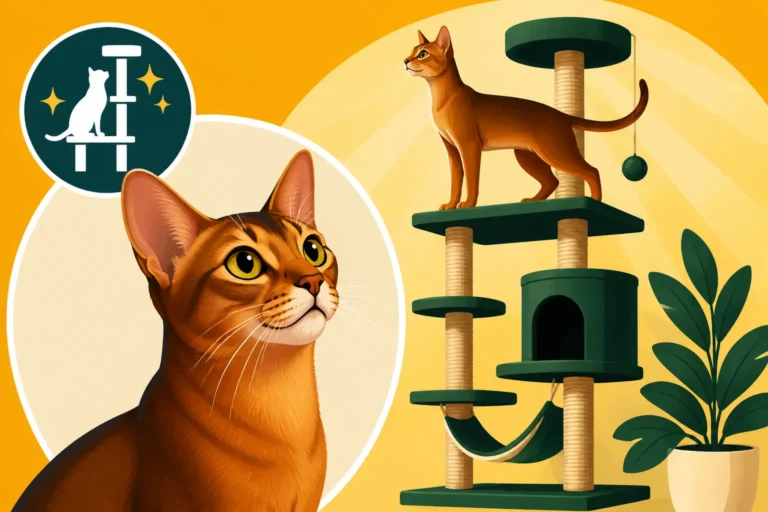
Abyssinians are incredibly intelligent, active, and curious cats who thrive on mental and physical stimulation. A bored Abyssinian is often a destructive Abyssinian, and chronic stress or lack of enrichment can manifest in behavioral issues that might require veterinary intervention, or even physical ailments. Providing ample environmental enrichment, therefore, acts as an important form of preventative care. This means investing in tall cat trees, wall-mounted shelves (as An Abyssinian Needs Height More Than It Needs Floor explains), interactive toys, and regular play sessions.
A stimulated Abyssinian is less likely to engage in destructive behaviors like inappropriate urination, excessive grooming, or aggression, all of which can lead to vet visits. Engaging their minds and bodies helps them burn off energy constructively and reduces stress. Think about puzzle feeders from brands like Chewy that dispense treats or kibble, making mealtime a mental exercise. This investment in their environment and play isn't just about spoiling them; it's about supporting their natural instincts and preventing problems before they start.
Building a Relationship with Your Vet
Finally, one of the most valuable, albeit intangible, investments you can make in your Abyssinian's health is building a strong, trusting relationship with a knowledgeable veterinarian. A vet who understands the Abyssinian breed, their typical behaviors, and their specific health predispositions can provide tailored, insightful advice and care. This goes beyond just yearly check-ups; it means having someone you can call with questions, someone who knows your cat's history, and someone who can guide you through any health challenges that arise.
A veterinarian who is familiar with your Abyssinian's baseline health will be much quicker to notice subtle changes that could indicate a problem. They can offer preventative strategies, help you interpret strange behaviors, and ultimately contribute to a more seamless and effective healthcare journey for your cat. This relationship is a partnership that fosters proactive care, helping you navigate the complexities of Abyssinian ownership and ensuring your beloved companion lives a full, healthy, and happy life.
Disclaimer
This article is for general informational purposes only and does not constitute professional advice. Laws, prices and regulations vary by location and change over time. Consult a qualified professional for guidance on your specific situation.