What Abyssinian Insurance Costs Per Month
Bringing an Abyssinian into your home is an incredible joy, but let's be realistic: it's also a significant financial commitment. Beyond the initial purchase price, the ongoing costs of care, especially veterinary care, can quickly add up and catch owners by surprise. This guide will walk you through what factors influence the monthly premiums for Abyssinian cat insurance, helping you understand the financial landscape and make an informed decision about protecting your lively companion.
Understanding the Factors That Influence Abyssinian Insurance Costs
When you start looking into pet insurance for your Abyssinian, you'll quickly realize that there isn't a single, flat rate. Just like with human health insurance, a multitude of factors come into play, shaping the monthly premium you'll pay. These elements reflect the inherent risks and potential costs associated with your particular feline friend. Understanding them is the first step to making sense of the quotes you receive.
Age and Health Status of Your Abyssinian
One of the most significant determinants of your Abyssinian's insurance premium is their age. It makes intuitive sense: a healthy, spry kitten is generally less likely to incur major veterinary expenses compared to an older cat. When you get a kitten, their premiums tend to be at their lowest. Breeders often encourage new owners to secure a policy early, sometimes even before the kitten leaves for its new home. This strategy locks in lower rates and ensures that any minor bumps and scrapes during their adventurous kittenhood are covered.
As your Abyssinian ages, their body naturally undergoes changes, and the likelihood of developing various health conditions increases. An older cat, perhaps one who is seven or eight years old, will almost always have a higher monthly premium than a one-year-old. This isn't just because of general aging; it's also due to the increased probability of developing age-related illnesses or having pre-existing conditions that might be excluded from coverage. Most insurance policies have strict rules about pre-existing conditions, which are typically defined as any illness or injury that your pet had before the policy started or during its waiting period. This is a crucial point to remember: waiting until your Abyssinian is already showing signs of a chronic issue often means that particular condition won't be covered. A clean bill of health from a recent vet exam is usually required before a policy can even begin, ensuring that the insurer has a baseline understanding of your cat's current health.
Your Abyssinian's Breed-Specific Health Risks
While Abyssinians are generally robust and known for The Twelve to Fifteen Years an Abyssinian Usually Gets, they, like all pedigree breeds, do have specific health predispositions that insurance companies consider. These breed-specific vulnerabilities play a role in calculating premiums because they represent a higher statistical chance of certain conditions requiring treatment. For example, Abyssinians are known to carry a few genetic conditions that are important to be aware of.
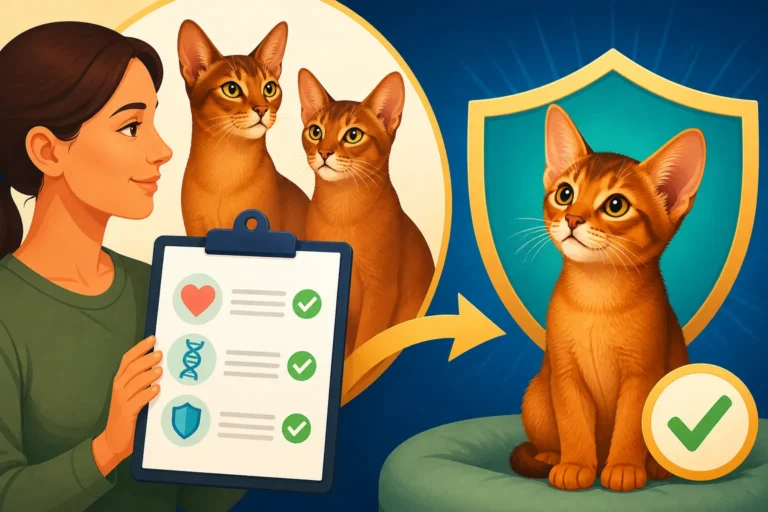
One such condition is Pyruvate Kinase Deficiency, or PK Deficiency. This is an inherited blood disorder that can lead to intermittent anemia. Reputable breeders will have their cats tested for this, and you can expect to see documentation confirming a clear status. Likewise, Progressive Retinal Atrophy (PRA-rdAc) is another genetic condition that can lead to blindness over time. While the DNA tests for these conditions are essential for ethical breeding, their very existence means that insurers are aware of these potential risks. An Abyssinian with a documented "carrier" status for PK Deficiency is still a healthy cat, but the genetic lineage itself flags a predisposition within the breed. Pyruvate Kinase Deficiency Is the Abyssinian's Best Known Test and PRA-rdAc Takes an Abyssinian's Sight by Five are serious considerations for any Aby owner.
Then there's Renal Amyloidosis, a kidney condition that is heartbreakingly common in Abyssinians. Unlike PK Deficiency or PRA-rdAc, there isn't a specific gene test for it, making it a frustrating and unpredictable risk. Renal Amyloidosis Is the Abyssinian Problem Nobody Can Test For means that while you can't test for it directly, the breed's susceptibility means insurers account for a higher chance of kidney issues in the future. Juvenile Gingivitis, which can lead to significant dental problems, is another common concern for Abyssinians. Why an Abyssinian Kitten's Gums Fail at Six Months shows how early these issues can start, potentially leading to costly dental work down the line. All of these factors – from genetic predispositions that can be tested for, to those that can't – feed into the actuarial tables that insurance companies use to determine your monthly premium. They're not just insuring "a cat"; they're insuring an Abyssinian, with its unique set of beautiful traits and specific vulnerabilities.
Where You Live (Geographic Location Matters)
It might seem strange, but your geographical location has a direct impact on how much you pay for Abyssinian insurance. Think about it: the cost of veterinary care isn't uniform across the country, or even across different neighborhoods within the same city. Just like human medical expenses, vet fees are higher in areas with a higher cost of living. A routine check-up, an emergency surgery, or specialized treatments in a bustling metropolitan area like New York City, Los Angeles, or even a well-heeled suburb will likely cost significantly more than the same services in a smaller town in, say, rural Ohio or the Great Plains.
Insurance companies, naturally, base their premiums on the potential cost of claims. If they know that a common procedure for an Abyssinian in your zip code averages a certain amount, they will adjust their rates accordingly. This means that an Abyssinian owner in a major urban center can expect to pay a higher monthly premium than someone with the exact same cat and policy living in a more affordable region. The availability of specialized veterinary services, the general overhead costs for vet practices, and local economic conditions all contribute to these regional differences. It’s not a personal reflection on your care, but simply a reflection of the local economy where your cat would receive its treatment.
Deciphering Insurance Plan Types and Coverage Levels
Navigating the world of pet insurance can feel like trying to solve a puzzle. There are so many options, so many terms, and it’s easy to get lost in the jargon. When considering what Abyssinian insurance costs per month, it’s vital to understand the different types of plans available and how their coverage levels impact the premium. Choosing the right one for your Aby means balancing comprehensive protection with a monthly cost that fits your budget.
Accident-Only vs. Accident & Illness Plans
The most fundamental split in pet insurance plans is between accident-only coverage and accident & illness coverage. An accident-only plan is exactly what it sounds like: it provides coverage specifically for injuries or emergencies resulting from accidents. Think of situations like your Abyssinian falling off a cat tree and breaking a leg, ingesting a foreign object (a common Abyssinian mischief, especially with their inquisitive nature), or getting into a tussle with another pet. These plans are generally the most affordable option, offering a basic safety net for unexpected physical traumas. They are a good choice for owners primarily concerned with sudden, unforeseen incidents, but they leave you exposed to a whole host of other potential problems.
On the other hand, an accident & illness plan is the more comprehensive choice, and consequently, it comes with a higher monthly premium. This type of plan covers everything an accident-only plan does, plus a wide array of illnesses, diseases, and chronic conditions. This could include anything from common feline ailments like urinary tract infections or gastroenteritis, to more serious or long-term issues such as diabetes, cancer, hyperthyroidism (which often affects older Abyssinians), or those breed-specific conditions we discussed earlier. With an active, curious Abyssinian, the likelihood of an illness at some point in their life is quite high, and these plans offer a much broader spectrum of financial protection, giving you peace of mind that you won't have to choose between your cat's health and your wallet if a significant illness arises.
The Role of Deductibles, Reimbursement Rates, and Annual Limits
Once you've decided on the type of plan, you'll encounter a trio of terms that heavily influence your monthly premium and how much you'll pay out-of-pocket: deductibles, reimbursement rates, and annual limits. These are critical components that allow you to customize a plan to your financial comfort level.
-
Deductible: This is the amount you, the pet owner, must pay towards covered vet bills before your insurance company starts reimbursing you. For instance, if you have a $250 deductible, you pay the first $250 of eligible costs, and then your insurance kicks in. Plans with a higher deductible generally have a lower monthly premium because you're taking on more of the initial financial risk. Conversely, a lower deductible means a higher monthly premium. You have to decide what upfront amount you're comfortable paying if your Abyssinian needs care.
-
Reimbursement Rate: This is the percentage of the covered vet bill that the insurance company will pay back to you after your deductible has been met. Common reimbursement rates are 70%, 80%, or 90%. A plan with a 90% reimbursement rate will, for example, pay you back 90% of a $1,000 covered bill (after your deductible) meaning you're only responsible for 10% of that cost. Naturally, plans with higher reimbursement rates will have higher monthly premiums. It's a trade-off between how much you pay each month and how much you get back when you file a claim.
-
Annual Limit: This refers to the maximum amount of money the insurance company will pay out for covered services in a single policy year. Some plans offer unlimited annual payouts, while others have limits ranging from a few thousand dollars to tens of thousands. If your Abyssinian were to face a catastrophic illness requiring extensive treatment, a higher annual limit would be crucial. Plans with higher annual limits (or unlimited coverage) come with a higher monthly premium, reflecting the greater potential financial payout from the insurer.
Here’s a quick overview of how these factors typically interact:
| Feature | Low Monthly Premium | High Monthly Premium |
|---|---|---|
| Deductible | Higher | Lower |
| Reimbursement | Lower percentage | Higher percentage |
| Annual Limit | Lower | Higher / Unlimited |
Understanding these levers allows you to tailor a policy that suits both your budget and your perceived risk for your Abyssinian's health.
Adding Wellness Plans and Routine Care
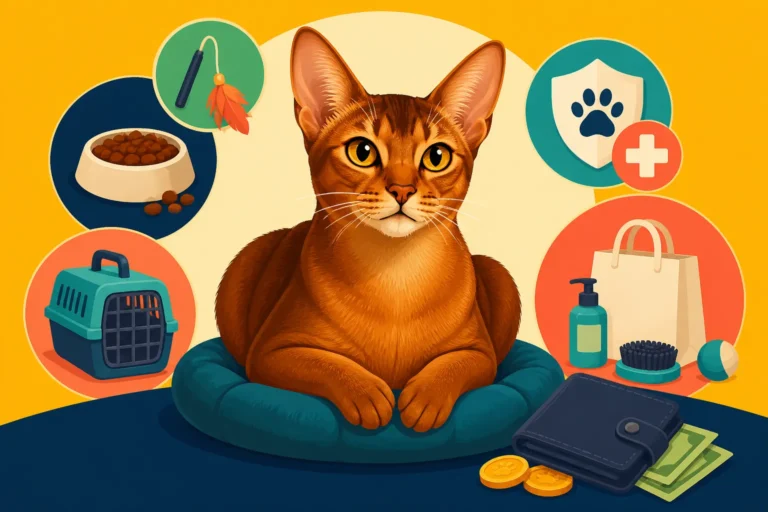
Beyond accident and illness coverage, many pet insurance providers offer optional "wellness plans" or "routine care" add-ons. These are separate benefits designed to help you budget for the predictable, preventative care your Abyssinian needs to stay healthy. These plans aren't insurance in the traditional sense, as they don't cover unexpected illnesses or accidents. Instead, they typically cover things like annual vet check-ups, vaccinations, routine deworming, flea and tick prevention, and sometimes even a portion of dental cleanings. What an Abyssinian's Annual Checkup Costs and Why Abyssinian Dental Work Is the Biggest Line in the Budget are significant expenses that wellness plans aim to soften.
Adding a wellness plan will, without a doubt, increase your monthly premium. However, for many owners, this extra cost is worth it. It helps spread out the expense of routine care, making it easier to manage your budget and ensuring your Abyssinian gets all the preventative treatments they need. Some providers, like those you might find through a platform like Chewy, partner with different insurance companies to offer comprehensive packages that include both accident/illness and wellness options. It's important to weigh whether the additional monthly cost of a wellness plan would genuinely save you money over simply paying for routine care out-of-pocket, as the benefits and maximum payouts for these plans can vary considerably.
Practical Tips for Finding the Right Abyssinian Insurance
Finding the perfect insurance plan for your Abyssinian isn't just about understanding the terminology; it's about strategic shopping and careful consideration. You want a plan that offers adequate coverage without breaking the bank, and that truly aligns with the unique needs and potential health challenges of this energetic breed.
Comparing Providers and Getting Quotes
The pet insurance market is competitive, which is great news for you! It means there are many providers vying for your business, and that allows for comparison shopping. Don't settle for the first quote you receive. Start by looking at reputable providers known for their pet insurance offerings. Companies like Healthy Paws are often mentioned for their comprehensive coverage and straightforward reimbursement process. Many online platforms, including retailers like Chewy, also partner with various pet insurance providers, giving you a convenient way to get multiple quotes at once.
When you're comparing, it's not just about the monthly premium. Look closely at what each plan actually covers. Are there specific exclusions that might impact your Abyssinian, given their breed predispositions? What are the waiting periods like? How easy is their claims process? Read reviews from other pet owners, especially those with active or pedigree breeds. Getting quotes from several companies, laying them out side-by-side, and scrutinizing the details beyond just the price tag is crucial. It’s a bit of work upfront, but it can save you a lot of headache and money down the line. Remember that Why an Abyssinian's Lifetime Cost Dwarfs Its Purchase Price means that the monthly insurance premium, while an ongoing cost, can be a small price to pay for significant financial protection.
Understanding Exclusions and Waiting Periods
This is perhaps the most critical section for any pet owner considering insurance, and especially for Abyssinian owners. No pet insurance policy covers everything, and being aware of the exclusions and waiting periods before you need to file a claim is paramount.
The most common exclusion, across virtually all providers, is pre-existing conditions. As mentioned earlier, if your Abyssinian had a chronic ear infection, a diagnosed kidney issue, or even showed symptoms of a problem before your policy started or during its waiting period, that specific condition will almost certainly not be covered. This is why insuring your Abyssinian when they are young and healthy is highly advisable.
Waiting periods are another non-negotiable aspect. These are specific lengths of time from your policy's start date during which certain conditions are not covered. Typically, there's a short waiting period for accidents (often just a few days) and a longer one for illnesses (usually 14-30 days). Some policies also have extended waiting periods for specific orthopedic conditions, like cruciate ligament issues, which can sometimes be 6 months or even a year. If your Abyssinian suffers an accident or develops an illness during its waiting period, you'll be on the hook for the full vet bill, even if the condition would normally be covered. Always clarify these waiting periods with any provider. It’s also important to verify Which Two DNA Tests an Abyssinian Must Have with your breeder and understand how any past health issues or genetic statuses might impact current or future insurability, particularly concerning exclusions for hereditary conditions.
Making the Decision: Is Abyssinian Insurance Worth It for You?
The ultimate question remains: is pet insurance for your Abyssinian a worthwhile investment? There's no single right answer, as it depends heavily on your personal financial situation, your risk tolerance, and your philosophy regarding veterinary care. For some, the peace of mind knowing that major, unexpected veterinary bills won't derail their finances is invaluable. They prefer the predictable monthly premium over the potential for a sudden, multi-thousand-dollar expense. Given that Abyssinians are an active breed and prone to certain genetic conditions, the chances of needing significant veterinary intervention over their lifespan are not negligible.
Consider the energetic nature of the Abyssinian; they love to climb and explore, which unfortunately increases their risk of accidental injuries. Why an Abyssinian Destroys Cheap Furniture Faster might sound like a minor issue, but a cat scaling a wobbly shelf could lead to a fall. And while What Destructive Behavior in an Abyssinian Really Means often points to boredom, sometimes it leads to ingesting things they shouldn't. Beyond accidents, an Abyssinian's long life expectancy of The Twelve to Fifteen Years an Abyssinian Usually Gets means more years for age-related illnesses to crop up. Conditions like Why an Abyssinian's Weight Loss Is Never Minor are often symptoms of underlying issues that can quickly become costly to diagnose and treat.
If you have a substantial emergency fund dedicated solely to pet care, perhaps insurance isn't as critical. However, for many, that kind of dedicated savings isn't always feasible. Insurance acts as a financial buffer, ensuring that you can always say "yes" to the best treatment options for your beloved Abyssinian, without having to make agonizing choices based on cost. It allows you to focus on your cat's recovery rather than the bill. Many owners find that the monthly premium is a small price for that security. You may even want to look into specific articles like Whether Pet Insurance Is Worth It for an Abyssinian to delve deeper into this decision-making process.
Disclaimer
This article is for general informational purposes only and does not constitute professional advice. Laws, prices and regulations vary by location and change over time. Consult a qualified professional for guidance on your specific situation.