How Much an Abyssinian Sleeps Compared to Other Cats
If you're an Abyssinian owner, you've no doubt witnessed their explosive bursts of energy, quickly followed by seemingly instantaneous crashes into deep slumber. This often leaves people wondering how much sleep an Abyssinian truly needs, especially when compared to the typical lazier habits of other feline breeds. It's a completely fair question, as their dynamic nature can make their rest patterns appear quite different. This guide will explore the unique sleep habits of Abyssinians, comparing them to the average housecat and offering insights into their specific needs.
The Abyssinian's Unique Energy-to-Sleep Ratio
It’s easy to look at an Abyssinian and think they're running on an endless battery, perpetually exploring, playing, and scaling every available surface. They are, after all, renowned for being incredibly active and inquisitive creatures, a constant presence in your home. This intense activity might lead you to believe they sleep less than other cats, or that their sleep is less profound. However, the reality is a bit more nuanced.
The "Eternal Kitten" Stereotype
One of the most enduring characteristics of the Abyssinian is their "eternal kitten" demeanor. They maintain a playful, curious, and highly energetic disposition well into their adult and even senior years, unlike some breeds that mellow significantly after their first year. This boundless energy translates into a need for intense, focused activity. They don't just idly wander; they stalk, pounce, climb, and investigate with purpose. This high metabolic rate and constant engagement mean their bodies and minds are working hard, expending a lot of energy throughout their waking hours. It's a common observation that The Abyssinian Is the Busiest Cat in the House, and this business demands significant recuperation.
Short Bursts of Intense Rest
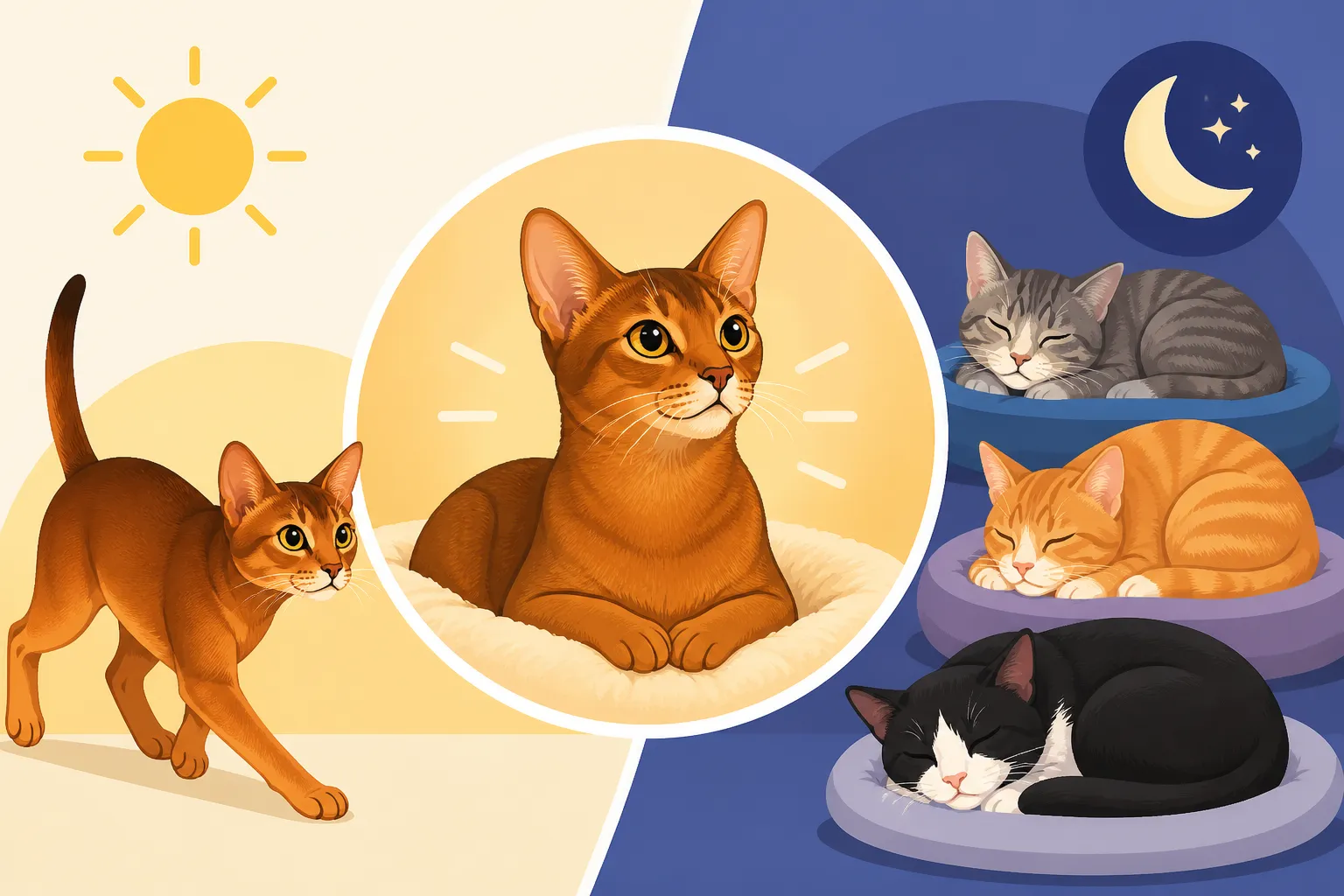
Unlike some sedentary cat breeds that might spend hours in a semi-dozing state, Abyssinians tend to engage in sleep with the same intensity they bring to their waking life. They often transition from full-speed play to a deep sleep almost instantly. You might see them chasing a toy one minute, and the next they've curled up in a sunbeam, completely out cold. These aren't just light naps; they are often deep periods of rest where their bodies truly recover. These short, deep sleep cycles are crucial for their high-energy lifestyle, allowing them to recharge quickly before their next adventure.
The Need for Mental and Physical Exhaustion
For an Abyssinian to truly settle into restorative sleep, they need to be both mentally and physically exhausted. A cat that hasn't had enough playtime, enrichment, or interaction during the day might struggle to achieve deep, restful sleep. They might pace at night, vocalize excessively, or engage in destructive behaviors. It's not just about running around; it's about engaging their sharp minds with puzzle toys, training sessions, and interactive play. Providing ample opportunities for them to burn off their intellectual and physical energy is paramount to ensuring they sleep soundly. Owners often find that How Much Play an Abyssinian Needs Each Day is far more than for a typical cat.
Comparing Abyssinian Sleep to the Average Feline
The average domestic cat spends a significant portion of its day sleeping or dozing, often anywhere from 12 to 16 hours. Some even stretch that to 20 hours, particularly as they age. Abyssinians, while still getting a good amount of rest, often exhibit different patterns and durations compared to their more laid-back cousins.
The Typical Feline Snooze-Fest
Most cats are champions of napping. They'll find a cozy spot and settle in for hours, sometimes barely stirring. This often consists of a mix of light sleep, where they're easily roused, and deeper sleep cycles. Their energy expenditure is typically lower than an Abyssinian's, so their recovery needs are different. They might not need the same intense play sessions to feel satisfied, and their waking hours might involve more leisurely observation or short bursts of activity.
How Aby Sleep Differs in Duration
While an Abyssinian still requires a good 12-14 hours of sleep a day, sometimes more for kittens or seniors, the distribution of that sleep is often what sets them apart. They are less likely to spend an entire afternoon in one deep, unbroken slumber. Instead, their sleep is often fragmented into multiple, shorter, but incredibly deep naps throughout the day and night. They'll wake, play intensely, eat, then crash for an hour or two, only to repeat the cycle. This allows them to maintain their high activity levels without becoming overtired. You might find yourself wondering How Many Hours a Day an Abyssinian Stays Active given how much they seem to fit into their day!
Quality Over Quantity: Active Dreaming
For Abyssinians, it’s often about the quality of sleep, not just the sheer quantity of hours. Their sleep, particularly during those deep phases, is incredibly restorative. You might notice them twitching their paws, chattering their teeth, or even lightly vocalizing while sleeping, indicating active dreaming. This active dreaming state is likely a crucial component of processing the day's events and maintaining their sharp cognitive abilities. It reflects their constantly engaged minds even when they are seemingly at rest.
Factors Influencing Abyssinian Sleep Patterns
A variety of factors can influence how much and how well an Abyssinian sleeps. Understanding these elements can help you create an environment conducive to healthy rest for your active companion.
Age-Related Changes in Activity and Rest
Just like any animal, an Abyssinian's sleep patterns will change throughout its life.
- Kittens: Abyssinian kittens are bundles of endless energy, but they also require a tremendous amount of sleep for proper growth and development. They might nap more frequently and for longer durations than an adult, interspersed with intense play. They literally grow while they sleep!
- Adults: Adult Abyssinians maintain high energy, but their sleep settles into a more predictable pattern of intense bursts of activity followed by deep, restorative naps.
- Seniors: As an Abyssinian ages, typically after seven to ten years, their overall activity levels may begin to decrease, and they might require more sleep. An older Abyssinian might spend more time napping and less time scaling the curtains. What an Old Abyssinian Slows Down From can include a natural reduction in energy, but it's important to still ensure they have opportunities for gentle play and mental stimulation.
Environmental Enrichment's Role
A dull, unstimulating environment can paradoxically lead to poor sleep in an Abyssinian. If they aren't given enough outlets for their energy and intelligence, they can become restless, anxious, and struggle to settle down.
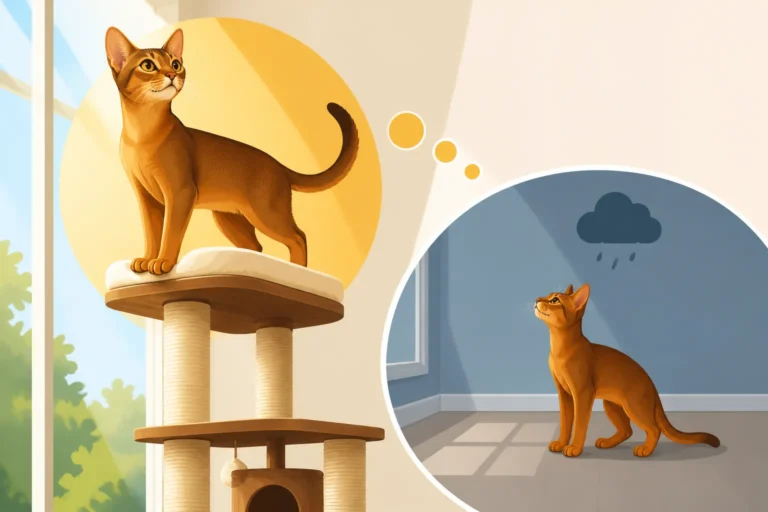
- Vertical Space: Abyssinians love to climb. Providing tall cat trees, wall shelves (you can find a fantastic array of sturdy options on Amazon), and perches allows them to express their natural instincts and survey their domain from on high. A well-placed Why an Abyssinian Needs a Tall Cat Tree can make all the difference. This physical exertion contributes to their overall fatigue and better sleep.
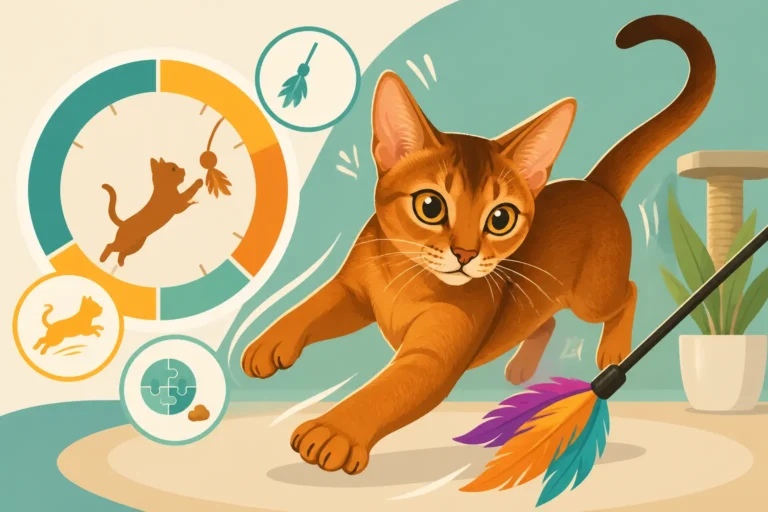
- Interactive Play: Consistent, engaging play sessions with wand toys, laser pointers, and puzzle feeders are essential. These interactions not only burn physical energy but also provide mental stimulation, which is equally important for an Abyssinian's well-being and eventual rest. Consider rotating toys to keep them fresh and exciting, encouraging continuous engagement.
Impact of Health on Sleep
Any changes in an Abyssinian's sleep patterns can also be a subtle indicator of underlying health issues.
- Increased Sleep: While Abyssinians do sleep deeply, a sudden and dramatic increase in lethargy or prolonged sleep could be a sign of illness. If your usually active Aby is suddenly spending much more time hidden away or seems uninterested in play, it warrants a vet visit.
- Restless Sleep: Conversely, an Abyssinian struggling to find a comfortable position, waking frequently, or showing signs of discomfort during sleep might be experiencing pain or an internal issue. Why an Abyssinian Hides Pain Behind Its Energy means you have to be extra vigilant. Always consult your vet if you notice significant shifts in your cat's sleep behavior, especially if accompanied by other symptoms. How Often a Healthy Adult Abyssinian Needs Checking is usually yearly, but don't hesitate to go more often if something seems off.
Recognizing Normal vs. Concerning Sleep Changes
It can be tough to distinguish between typical Abyssinian antics and genuine signs of trouble. Knowing what to look for can empower you to act quickly when needed.
When a Quiet Aby is a Red Flag
An Abyssinian that is unusually quiet or still is often a cause for concern. These are not typically quiet cats. They are known for their vocalizations, their constant movement, and their inquisitive nature. If your Aby, who normally greets you at the door with chirps and weaves through your legs, is suddenly found napping in an unusual spot and doesn't stir easily, or seems disengaged, it's a significant behavioral shift. What a Quiet Abyssinian Is Telling You is usually that something is wrong. Don't dismiss it as them "finally calming down." While older Abyssinians do naturally mellow slightly, a drastic change usually indicates a problem.
Signs of Insufficient Rest
Despite their high energy, Abyssinians do need their sleep. If they're not getting enough quality rest, you might notice:
- Increased Irritability: They might be more prone to swatting, hissing, or general grumpiness, even towards their favorite toys or people.
- Hyperactivity: A tired Aby can sometimes become more hyperactive, racing around frantically without purpose, almost like a toddler who needs a nap.
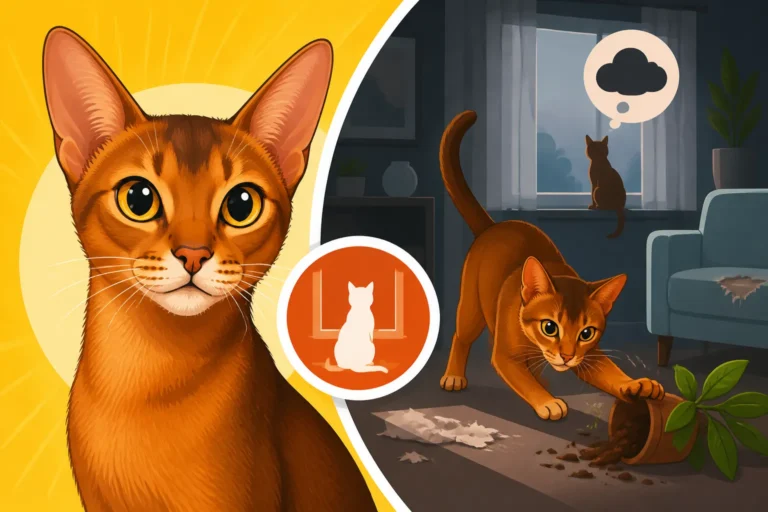
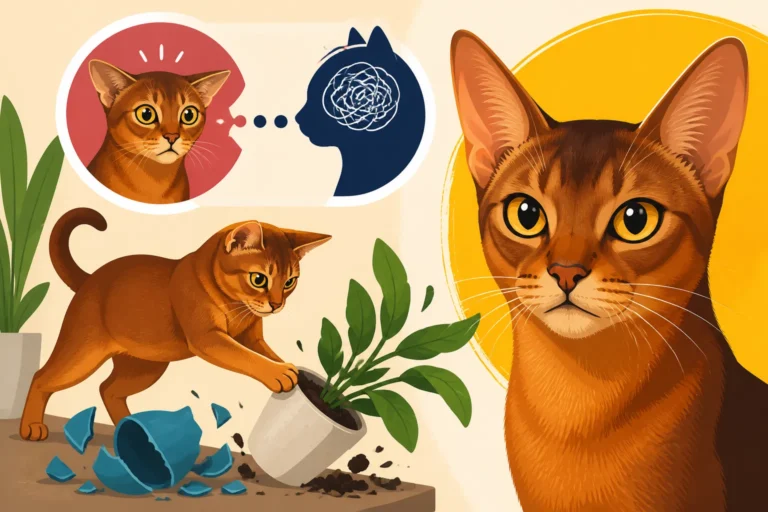
- Repetitive or Destructive Behaviors: Chewing on inappropriate items, excessive vocalization, or obsessive grooming could all stem from boredom and insufficient mental and physical exhaustion leading to poor sleep.
- Poor Coordination: In extreme cases, a severely sleep-deprived Abyssinian might show slight disorientation or clumsiness.
Distinguishing Boredom from Illness
This is the tricky part. Both boredom and illness can manifest as changes in an Abyssinian's energy and sleep patterns.
- Boredom: If your Aby is restless, pacing, or waking you constantly at odd hours, consider increasing their environmental enrichment and playtime. Are they getting enough dedicated, interactive play? Are their minds being challenged with new toys or training? Many interactive toys available on Amazon can help keep their minds busy. An Abyssinian that is bored might eventually collapse from sheer exhaustion, but their sleep quality will likely be poor.
- Illness: If the changes are sudden, severe, or accompanied by other symptoms like changes in appetite, thirst, litter box habits, or a dull coat, it's time for the vet. A truly sick Abyssinian will conserve energy, often hiding or showing a distinct lack of interest in things they usually love. Trust your gut; if something feels off, get them checked.
Strategies for Optimal Abyssinian Rest and Activity Balance
Creating a home environment that balances an Abyssinian's need for intense activity with opportunities for deep rest is key to their well-being.
Scheduled Play Sessions
Random play is good, but scheduled play is even better for an Abyssinian. Aim for at least two to three dedicated play sessions per day, each lasting 15-20 minutes, where you actively engage with your cat using wand toys or retrieve games. This helps establish a routine and allows them to anticipate and then fully participate in their "work" for the day. A good strategy is a morning session to kickstart their day and an evening session before bedtime to help them wind down. This can also help to shift How to Shift an Abyssinian's Morning Schedule if they're prone to early awakenings.
Creating a Restful Environment
Even the busiest Abyssinian needs a quiet, secure place to truly relax.
- High Perches: As mentioned, vertical space is paramount. Abyssinians feel safest and most secure when they are high up, away from foot traffic. Ensure there are soft beds or blankets on these perches.
- Warm Spots: These cats have a fine, single coat, meaning they feel the cold more than some breeds. A warm, sunny spot is irresistible. Many cat beds are designed for warmth, or a simple blanket in a sunny window will do wonders.
- Quiet Retreats: While they love to be involved, they also appreciate quiet, out-of-the-way spots for deep sleep. This could be a cat cave, a high shelf in a less trafficked room, or even a soft box.
Harnessing Their Natural Rhythms
Abyssinians are most active during dawn and dusk, which are their natural hunting times. Try to schedule their most vigorous play sessions during these periods. This aligns with their innate rhythms, allowing them to burn off energy when they're naturally inclined to be most active. You might find that How to Set Up a Room for an Abyssinian Home Alone involves a lot of stimulating toys and vertical pathways for them to entertain themselves between your scheduled playtimes. After these "hunting" sessions, they'll be more likely to settle down for a good, deep sleep.
Debunking Myths About Abyssinian Sleep
There are a few misconceptions that can arise when discussing the sleep habits of such an energetic breed. Let's clear some of those up.
The Myth of "Never Resting"
It's tempting to think that because an Abyssinian is always on the go, they must rarely rest. This isn't true. While they might not spend entire afternoons in a single, drawn-out nap like some breeds, their need for rest is just as vital. Their deep sleep cycles are incredibly efficient, allowing them to recover quickly from their energetic antics. They are simply masters of power napping, hitting that deep sleep quickly and effectively.
"Sleeping All Day" is Not Their Style
Conversely, some owners worry if their Abyssinian is sleeping "too much" compared to the picture of a perpetually active cat. If the cat is healthy, engaged during waking hours, and the sleep is broken into normal Aby patterns, it's usually fine. However, an Abyssinian that is truly "sleeping all day" in the sense of prolonged, uninterrupted dormancy, especially when young, is unusual and could be a red flag. As discussed earlier, they thrive on activity. They're not built for a full 16 hours of solid napping every day. What an Abyssinian Does When It Is Bored can be unpredictable, but it's rarely just sleeping more.
More Sleep Doesn't Mean Less Intelligent
Sometimes people associate high energy with intelligence and perceive more sleep as a sign of being less "sharp." This is far from the truth with Abyssinians. Their intelligence is undeniable, and their sleep is a crucial part of maintaining that cognitive function. Their active dreams and efficient deep sleep likely play a significant role in memory consolidation and problem-solving abilities. A well-rested Abyssinian is a sharp, engaged, and happy Abyssinian, ready for their next intellectual challenge. How an Abyssinian's Energy Changes After Seven does not mean their intelligence drops, only that their physical expression of it might become more measured.
To summarize the unique sleep patterns of your Abyssinian compared to the average cat, here's a quick overview:
| Characteristic | Abyssinian Cat | Average Domestic Cat |
|---|---|---|
| Total Sleep Hours | 12-14+ hours (often fragmented) | 12-16+ hours (can be more consolidated) |
| Sleep Style | Short, intense, deep power naps; quick transitions | Longer, often lighter naps; slower transitions |
| Activity Level | Very high, needs significant mental & physical output | Moderate to low, often content with less stimulation |
| Dreaming | Often exhibits active dreaming (twitches, chattering) | Less outwardly apparent dreaming, varies by cat |
| Restoration | Highly efficient, rapid recovery from intense activity | Steady, prolonged recovery |
| Impact of Boredom | Can lead to restless sleep or hyperactivity | May lead to lethargy or general disinterest |
Understanding your Abyssinian's sleep patterns means appreciating their dynamic nature. They are not merely "sleepier" or "less sleepy" than other cats; they are simply different. By meeting their needs for stimulation and providing comfortable, secure places for rest, you'll ensure your energetic companion remains a vibrant and healthy member of your family for many years to come. The Twelve to Fifteen Years an Abyssinian Usually Gets is a long time, and good sleep habits contribute to their longevity and quality of life.
Disclaimer
This article is for general informational purposes only and does not constitute professional advice. Laws, prices and regulations vary by location and change over time. Consult a qualified professional for guidance on your specific situation.