Why a Suddenly Still Abyssinian Needs a Vet
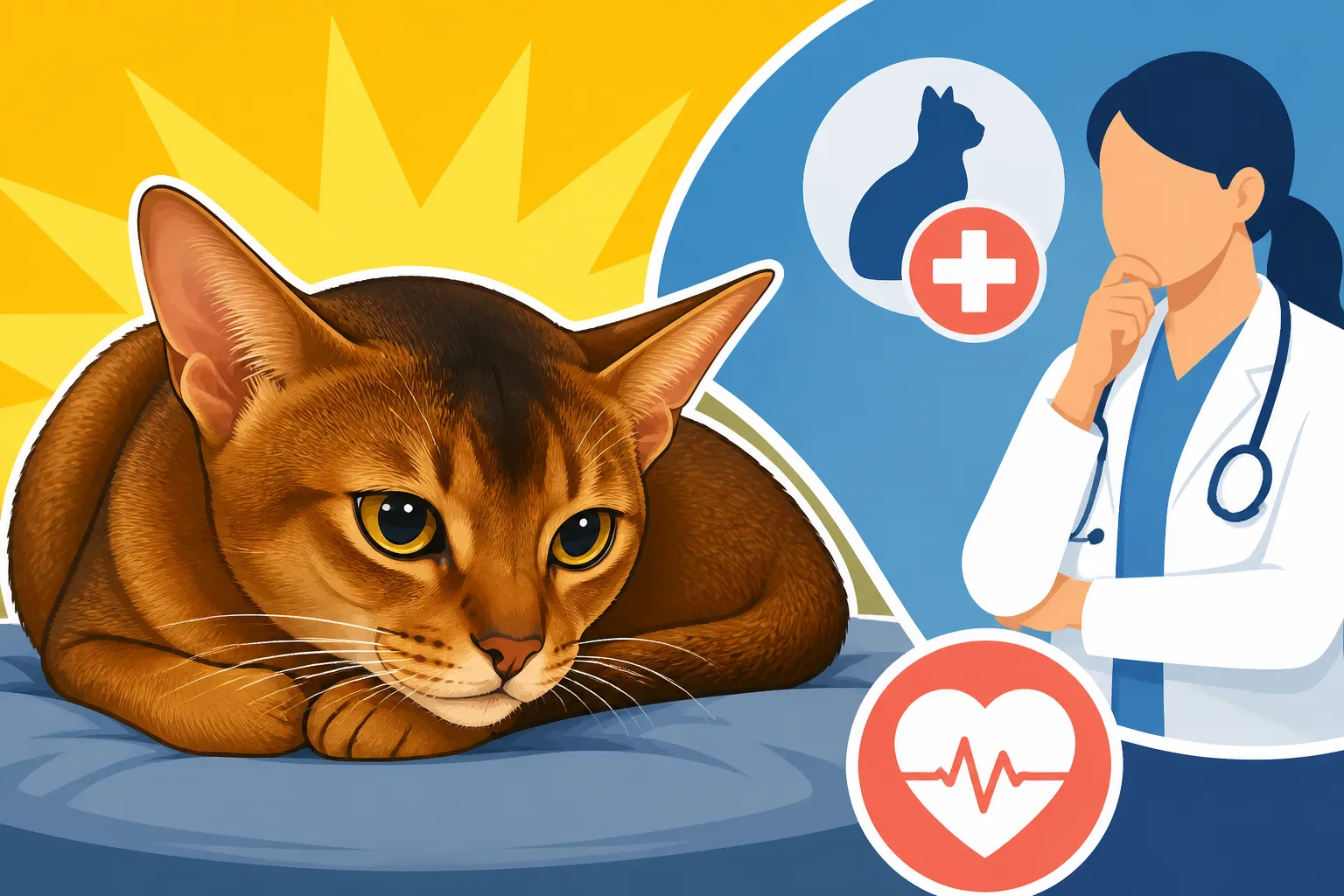
One of the most unsettling experiences as an Abyssinian owner is seeing your usually boundless, energetic cat suddenly become still and quiet. These felines are typically a whirlwind of activity, constantly exploring, climbing, and engaging, so a noticeable drop in their energy isn't just a sign of a lazy afternoon; it's a profound red flag that something is genuinely wrong. This guide will walk you through why this sudden stillness is so concerning for an Abyssinian, what subtle signs to watch for, the potential health issues it might indicate, and what immediate steps you should take to help your beloved companion.
Understanding the Abyssinian's Natural Energy Level
If you've ever owned an Abyssinian, you know they aren't your typical lounge-lizard lap cats. They are renowned for their incredible athleticism, curiosity, and seemingly endless energy reserves. This isn't just a quirky personality trait; it's deeply ingrained in their breed characteristics and physiology. When an Abyssinian is suddenly still, it's a dramatic departure from their normal, healthy state, which is why it warrants such immediate concern.
The Energetic Baseline of Your Abyssinian
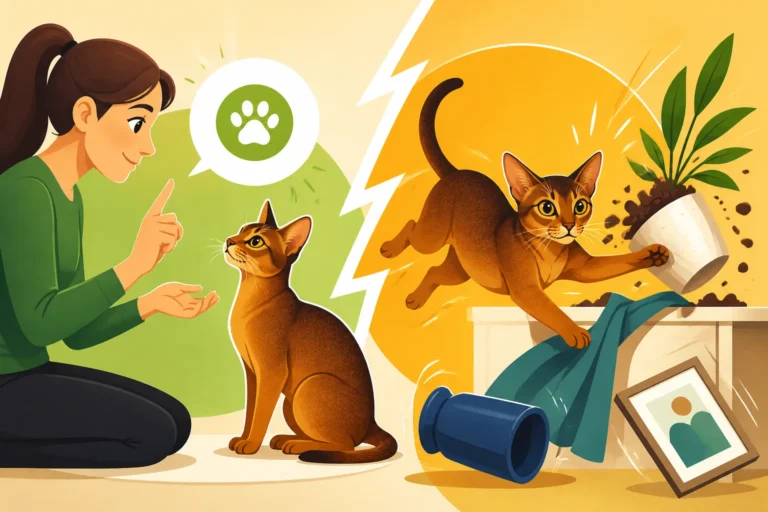
Abyssinians are often described as the "Clowns of the Cat Kingdom" or even "dogs in cat suits" due to their playful, outgoing, and highly interactive nature. They are constantly on the move, investigating every nook and cranny of your home, scaling cat trees with impressive agility, and engaging in vigorous play sessions. They thrive on interaction, whether it's chasing a wand toy, solving a puzzle feeder, or simply following you from room to room, supervising your every move. A healthy Abyssinian is rarely truly still for long, even during naps, they often twitch and dream of their next adventure. For more on their usual activity, you might find The Abyssinian Is the Busiest Cat in the House insightful. Their high activity levels mean they burn a lot of calories and maintain impressive muscle tone, which is critical to their well-being.
How Their High Metabolism Contributes to Activity
Beyond just their personality, Abyssinians have a notably high metabolism that fuels their constant motion. This isn't just about burning off food; it means their bodies are constantly working, demanding energy, and necessitating regular activity to keep everything running smoothly. Their lean, muscular build is a direct result of this high-octane lifestyle. They're built for speed, agility, and endurance, and their internal systems are geared to support this. Because of this, even a slight dip in their metabolic function or energy supply can manifest as severe lethargy. This high metabolism also means they are often quite lean, and any unexplained weight loss can be a sign of trouble, making it important to know How to Read an Abyssinian's Body Condition Through That Coat. They rely on their strong cardiovascular and respiratory systems to maintain this pace, so any impairment in these areas can quickly lead to a loss of their characteristic zest for life.
Recognizing the Signs of a "Suddenly Still" Abyssinian
The challenge with cats, especially active ones like Abyssinians, is their incredible ability to mask illness. It's an instinctual survival mechanism from their wild ancestors. They try to appear strong even when they're not feeling their best. This means that by the time you notice a truly "suddenly still" Abyssinian, they might have been battling something for a while. Therefore, it's crucial to be attuned to even the most subtle changes in their behavior.
Subtle Changes to Look For Beyond Obvious Stillness
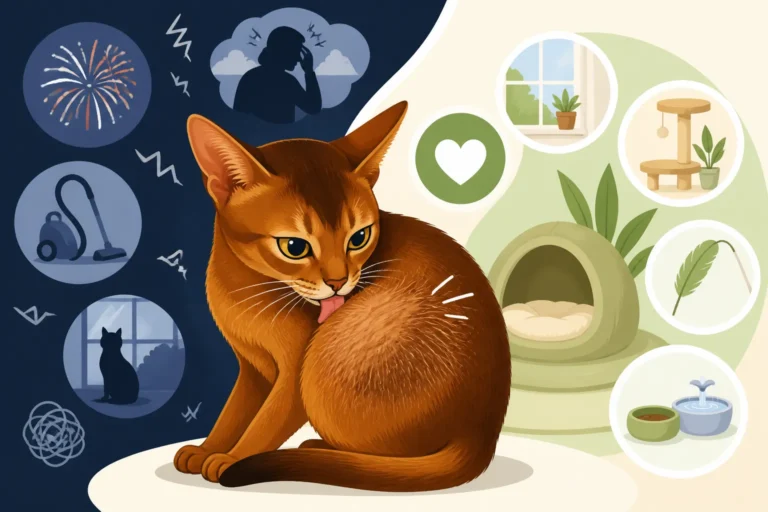
While a complete halt in activity is alarming, it's often preceded by more nuanced shifts. Instead of zooming across the house, maybe your Abyssinian is now just walking. Instead of leaping to the top shelf, they might struggle or choose a lower perch. Are they declining their favorite wand toy? Is their chirpy greeting gone, replaced by silence? Do they seem less interested in mealtime, or are they eating less enthusiastically than usual? Watch for changes in their grooming habits; an unwell cat might stop grooming themselves, leading to a dull or unkempt coat. Or, conversely, a stressed cat might overgroom. Notice if they are hiding more than usual, seeking out quiet, secluded spots they wouldn't normally frequent. Any deviation from their routine, from how they greet you to how they interact with their environment, can be a valuable clue. Why an Abyssinian Hides Pain Behind Its Energy is a crucial read for any owner.
Differentiating Tiredness from Illness
It's easy to dismiss a quiet cat as merely tired, especially after a particularly vigorous play session or if they've had a busy day "helping" you around the house. However, there's a distinct difference between normal tiredness and the lethargy associated with illness. A truly tired Abyssinian might take a longer nap, but they'll still rouse easily, still show interest in a passing bird outside the window, or still come running when they hear the treat bag crinkle. Their eyes will be bright, their appetite normal, and their posture relaxed. An ill Abyssinian, on the other hand, will exhibit a deeper, more profound stillness. They might be difficult to rouse, seem unresponsive to stimuli that usually excite them, and have a generally duller demeanor. Their eyes might appear sunken or half-closed, their breathing might be shallow or labored, and they might avoid social interaction. If they're usually vocal, a lack of What an Abyssinian's Chirp Means can be concerning. Trust your gut; if something feels off, it probably is.
Table: Normal Abyssinian Activity vs. Concerning Stillness
Here's a quick comparison to help you differentiate:
| Behavior Aspect | Normal, Healthy Abyssinian | Concerning, "Suddenly Still" Abyssinian |
|---|---|---|
| Activity Level | High energy, constantly exploring, jumping, playing | Lying down for extended periods, unwilling to play, reduced climbing |
| Responsiveness | Engages with toys, humans, readily comes for food/attention | Ignores favorite toys, slow to respond, seems withdrawn |
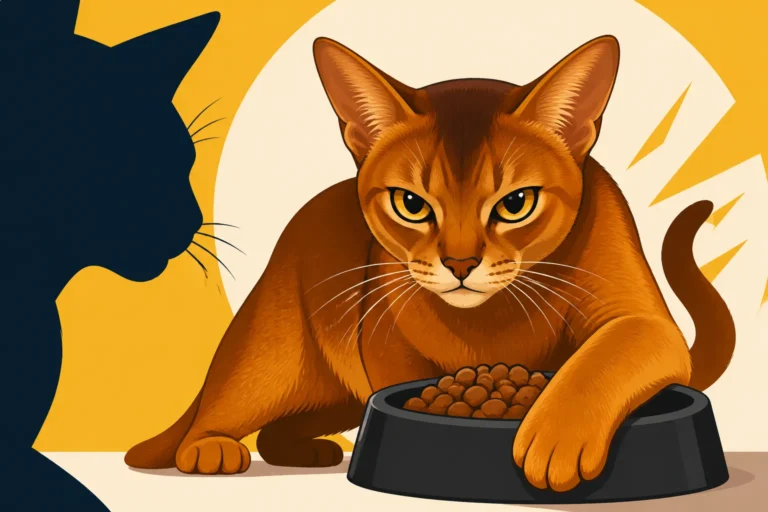
| Appetite | Enthusiastic eater, clears bowl quickly, asks for more | Picks at food, outright refuses meals, reduced water intake (or excessive) |
| Grooming | Meticulous self-groomer, sleek, shiny coat | Unkempt, dull coat, matting, or excessive, nervous licking |
| Posture/Gait | Alert, agile, moves fluidly, stands on "tiptoes" | Hunched, stiff, hesitant movements, struggling to jump, weakness |
| Vocalization | Chirps, trills, conversational meows | Unusually quiet, no greetings, or distressed cries |
| Breathing | Smooth, unlabored, quiet | Rapid, shallow, open-mouthed, or labored breathing, wheezing |
| Eye Appearance | Bright, alert, wide-eyed | Dull, half-closed, sunken, discharge, dilated or constricted pupils |
Potential Medical Reasons for Sudden Lethargy
A sudden change in an Abyssinian's energy level is almost always a sign of underlying health issues. Given their high metabolism and active nature, they often don't have a lot of physiological "reserve" to fall back on when something goes wrong. This means symptoms can escalate quickly. It's important to remember that this isn't an exhaustive list, and only a veterinarian can provide a proper diagnosis.
Common Illnesses Presenting as Lethargy
Many conditions can cause an Abyssinian to become suddenly still. Common culprits often include infections, both bacterial and viral, which can quickly drain a cat's energy. Upper respiratory infections, urinary tract infections, or even dental infections (like those caused by their propensity for Why an Abyssinian's Gums Overgrow Its Teeth) can make a cat feel miserable. Gastrointestinal issues, such as severe nausea, vomiting, or diarrhea from an upset stomach or parasites, will definitely sap their strength. Organ dysfunction, especially issues with the kidneys or liver, can also lead to systemic lethargy. What Kidney Failure Looks Like in a Young Abyssinian is a harrowing but important read. Metabolic disorders, such as diabetes or hyperthyroidism (more common in older cats), can also cause changes in energy. Sometimes, even simple pain from an injury you can't see, like a sprain from a misjudged jump or a hidden abscess, can make them reluctant to move.
Emergency Situations Requiring Immediate Veterinary Attention
Some causes of sudden stillness are genuine emergencies that require immediate veterinary care. If your Abyssinian is not only still but also has difficulty breathing, open-mouth breathing, or a blue tinge to their gums, this indicates a severe respiratory or cardiac problem. Profuse vomiting or diarrhea, especially if bloody, can lead to rapid dehydration and shock. Any signs of severe pain, such as crying out when touched, hiding, or aggressive behavior when approached, should prompt an emergency visit. Ingesting a foreign object or a toxic substance can also cause sudden collapse and lethargy; if you suspect this, gather any packaging or samples to take with you to the vet. If their gums are pale, it could be a sign of anemia, which can be life-threatening and something to watch out for if they have a condition like What PK Deficiency Does to an Abyssinian's Red Cells. Seizures or neurological changes also fall into the immediate emergency category.
How Age and Environment Can Mask Symptoms
It's also worth noting that symptoms can sometimes be masked by age or environment. An older Abyssinian might naturally slow down a bit, but even then, a sudden change in an older cat is just as concerning as in a younger one. What an Old Abyssinian Slows Down From talks about this in more detail. They might have chronic conditions like arthritis that slowly reduce their mobility, making it harder to spot an acute problem. Similarly, a very quiet or large household might make it harder to notice subtle changes in your cat's behavior if you're not constantly observing them. This highlights the importance of regular interaction and knowing your cat's normal habits inside and out. Even if your Abyssinian appears completely fine externally, internal issues can be brewing silently, which is why When a Middle Aged Abyssinian Needs Yearly Bloodwork is so crucial.
What to Do When Your Abyssinian Becomes Suddenly Still
The moment you notice your Abyssinian is suddenly still and lethargic, your immediate reaction should be to remain calm but act quickly. Don't wait to see if it "gets better." Early intervention can make a significant difference in the outcome for many conditions.
Immediate At-Home Observations and Care
Before you even think about calling the vet, take a few moments to make some critical observations.
- Temperature and Gums: Carefully feel your cat's ears and paws – are they unusually warm or cold? Gently lift their lip to check the color of their gums. Pale pink is normal; white, blue, or brick-red are all emergency signs.
- Hydration: Gently pinch the skin on their neck or shoulder. If it doesn't snap back quickly, they might be dehydrated. Offer fresh water, perhaps even a trickle from a faucet if they usually enjoy that, or a fountain if you have one.
- Appetite: Offer a small amount of their absolute favorite food – a special treat, some cooked chicken, or tuna in water. If they refuse even this, it's a strong indicator of illness.
- Litter Box: Check their litter box for changes in urine or stool output. Are they peeing less, more, or straining? Any diarrhea or blood?
- Breathing: Observe their breathing rate and effort. Is it rapid, shallow, or does it look like they're struggling?
While you're observing, keep them warm and comfortable. You can gently wrap them in a soft blanket. If you have a pet carrier, now is the time to get it ready. If your Abyssinian usually hides in specific spots when unwell, make sure those areas are easily accessible but also allow you to monitor them. It's often helpful to keep a record of your observations: when did it start, what specific symptoms are you seeing, how much are they eating/drinking, etc. This information will be invaluable to your vet. You can often find comfortable, soft carriers on sites like Amazon that are easy to clean.
Preparing for the Vet Visit
Once you've made your initial observations and decided a vet visit is necessary – and with an Abyssinian, sudden stillness almost always warrants one – call your veterinary clinic immediately. Explain your concerns and your Abyssinian's symptoms in a clear, concise manner. They may want you to come in right away as an emergency.
Before you head out, gather any relevant information:
- Vaccination History: Any recent vaccines or health checks?
- Diet: What food do they normally eat? Any recent changes?
- Medications: Are they on any current medications or supplements?
- Recent Events: Any new plants in the house? Have they had access to anything unusual? Any changes in routine, new pets, or visitors?
- Their Carrier: Ensure your cat carrier is clean, has a soft towel or blanket inside, and is easily accessible. Sometimes a calming spray, also available on Amazon, can make the trip less stressful for an anxious cat.
- Financials: Consider how you will cover potential veterinary costs. While this is less about the cat's immediate health, it's a realistic concern. What an Abyssinian's Annual Checkup Costs and What Emergency Care for an Anemic Abyssinian Costs can give you an idea of expenses.
When you arrive at the clinic, don't be afraid to clearly communicate all your observations. You know your Abyssinian best, and your insights are crucial to helping the vet pinpoint the problem quickly. They will likely perform a thorough physical exam, possibly blood work, urinalysis, or imaging (X-rays or ultrasound) to get to the bottom of why your lively companion has gone still. Many clinics have various items to help calm a distressed cat, from Feliway diffusers to calming treats, often purchased from retailers like Amazon.
Disclaimer
This article is for general informational purposes only and does not constitute professional advice. Laws, prices and regulations vary by location and change over time. Consult a qualified professional for guidance on your specific situation.