The Ticked Coat Is the Whole Abyssinian Grooming Job
One of the beautiful ironies of living with an Abyssinian cat is that their most striking feature – that glorious, shimmery ticked coat – is also the easiest part of their physical care. Many new Abyssinian owners, especially those used to long-haired breeds or even standard domestic shorthairs, often fret over how to maintain such a unique coat. But I'm here to tell you that the secret to keeping an Abyssinian's coat pristine isn't a complex grooming routine, but rather understanding its unique structure and knowing when to simply let it be. This guide will walk you through everything you need to know to keep your Abyssinian's coat looking its best with minimal fuss.
Understanding the Abyssinian's Unique Ticked Coat
When you first see an Abyssinian, it's often that vibrant, shimmering coat that catches your eye. It's not striped, it's not solid, it's something entirely different and quite breathtaking. This is the "ticked" coat, a hallmark of the breed, and it’s the absolute core of what defines their grooming needs (or lack thereof!). Understanding what makes it special is the first step to appreciating why their grooming is so straightforward.
What Ticking Actually Means for Each Hair
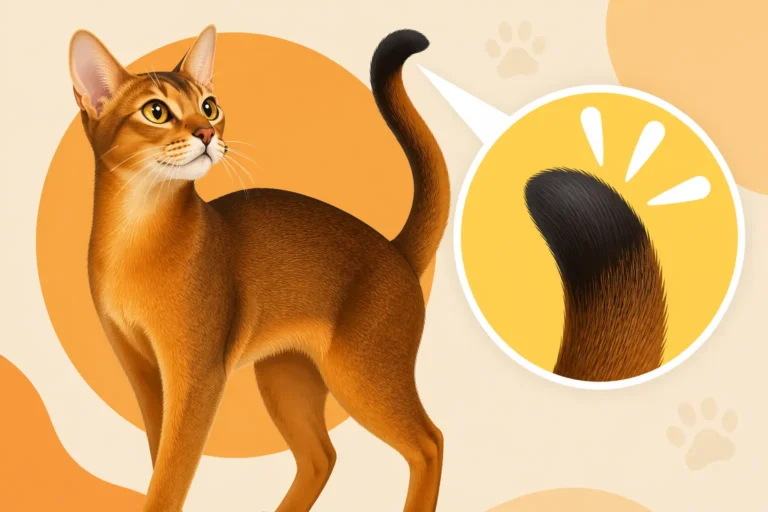
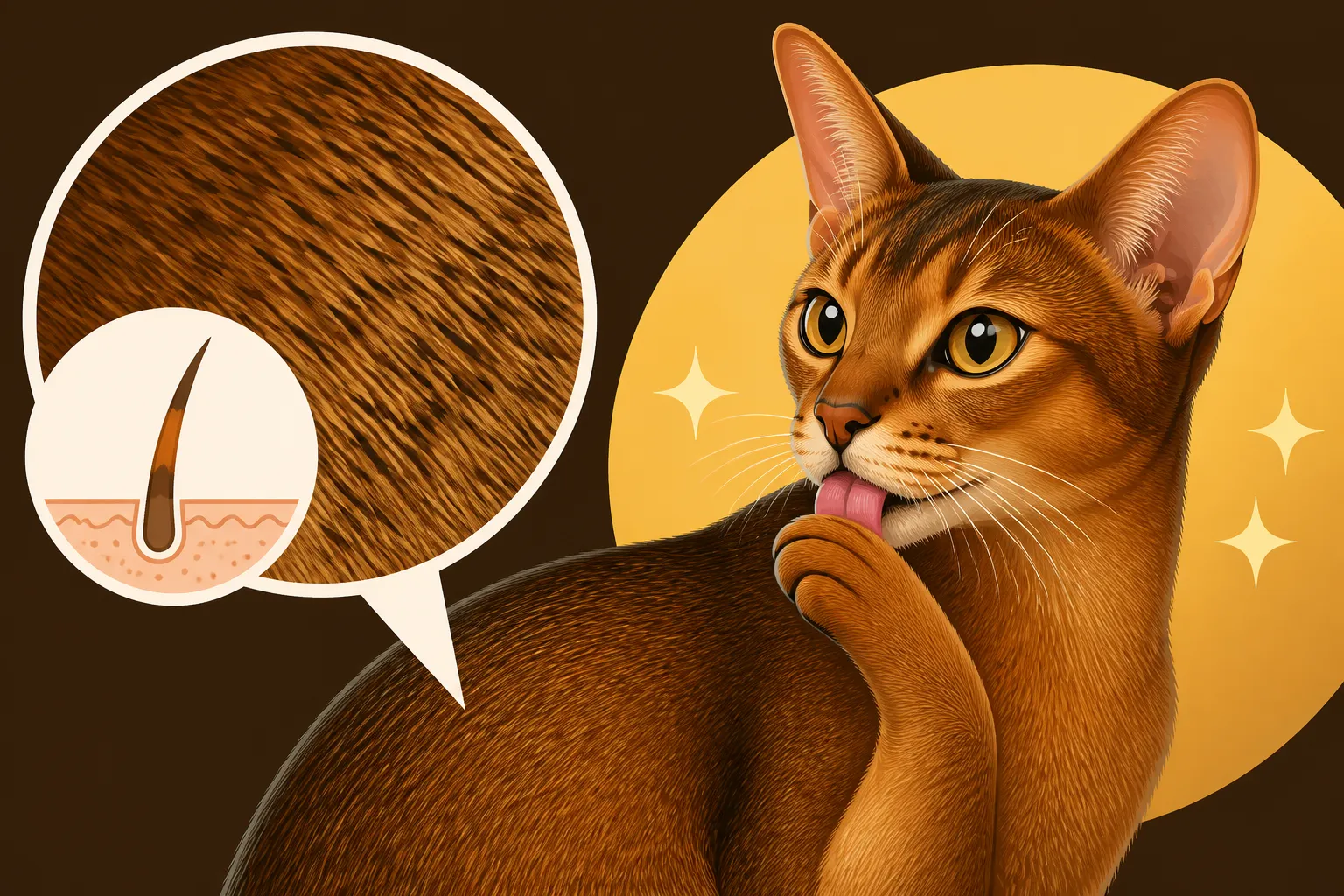
Unlike a tabby cat with distinct stripes or spots, an Abyssinian’s coat is made up of individual hairs, each banded with multiple colors. Imagine each hair as a tiny flag pole with different colored flags tied to it – a light band, then a dark band, then another light band, usually three or four bands in total. The very tip of the hair is always the darkest color. This phenomenon, known as agouti banding, is what gives the Abyssinian its characteristic depth and warmth, creating that famous shimmer as they move through the light. You can delve deeper into this fascinating genetic trait by reading How an Abyssinian's Agouti Banding Works.
Because each hair is individually ticked, the light and dark bands are distributed evenly across the cat's body, preventing the formation of traditional stripes or blotches. When the cat moves, the light catches these bands at different angles, making the coat appear to change color and ripple, almost like silk. This is why their coat is often described as having an ethereal glow, quite distinct from the flat appearance of a solid-colored cat or the patterned look of a tabby. It's a living tapestry of color that requires no special styling or trimming to maintain its beauty.
The Near Absence of an Undercoat
Another crucial aspect of the Abyssinian's ticked coat is its minimal undercoat. Many cats, especially those from colder climates, have a dense, fluffy undercoat that provides insulation. This undercoat is often the primary source of shedding and matting issues in other breeds. Abyssinians, however, have evolved with a single, sleek layer of hair that lies close to their body. This means a few wonderful things for you as an owner.
Firstly, Abyssinians are famously low-shedding cats. While no cat is truly non-shedding, the amount of hair an Abyssinian leaves around the house is significantly less than many other breeds. This is a huge relief for many owners who dread the constant battle with cat hair on furniture and clothing. Secondly, the lack of a dense undercoat means matting is incredibly rare, almost non-existent, in Abyssinians. You won't find yourself wrestling with tangles or needing to resort to painful de-matting sessions. This single, fine coat is part of why Why an Abyssinian's Single Ticked Coat Barely Sheds is such a benefit for busy households.
The Minimalist Approach to Abyssinian Coat Grooming
Given the unique characteristics of their coat – the ticking that shimmers and the minimal undercoat – the approach to grooming an Abyssinian is refreshingly simple. In fact, for these cats, less truly is more. Overdoing it can actually be detrimental, stripping away the natural oils that keep their coat healthy and potentially flattening the very ticking that makes them so special.
Why Less is More for the Abyssinian Coat
The Abyssinian's coat is designed by nature to be self-maintaining. Their fine, short hair rarely tangles, and their meticulous self-grooming habits usually take care of any loose hairs or minor debris. Introducing too much external grooming, especially with harsh tools or frequent baths, can disrupt their natural coat health. It's easy to fall into the trap of thinking a beautiful coat must require elaborate care, but with Abyssinians, that couldn't be further from the truth.
Think of it this way: their coat is a finely tuned machine that works perfectly on its own. Your intervention should be supportive, not overbearing. Over-brushing, for example, can stimulate oil production excessively or even damage the delicate hair shafts, leading to a duller appearance. It’s a common frustration for new owners who want to do everything right, only to find their efforts are counterproductive. This is why we often say Why Over Grooming an Abyssinian Does More Harm Than None, because sometimes the best thing you can do is step back.
The Weekly Gentle Brush: All You Really Need
For most Abyssinians, a quick, gentle brushing once a week is perfectly sufficient. This isn't about deep de-shedding or untangling; it's more about a light massage and a moment of bonding. A weekly session helps to distribute natural skin oils, giving their coat that extra healthy sheen, and removes any truly loose hairs that their tongue might have missed. It's also a great opportunity to check their skin for any unusual bumps, dry patches, or minor injuries that might otherwise go unnoticed on such a active and agile cat.
This brief session also serves as a wonderful interaction time. Many Abyssinians, with their deeply affectionate and curious natures, enjoy the attention and the sensation of a gentle brush. It’s not a chore, but rather a peaceful ritual that strengthens the bond between you and your feline friend. If you stick to this schedule, you’ll find their coat stays beautifully maintained without any extra effort. An Abyssinian Needs Brushing Once a Week and No More isn't just a suggestion; it's truly all they require.
Choosing the Right Tools for Your Abyssinian's Ticked Coat
While the Abyssinian's grooming needs are minimal, using the right tools is paramount when you do decide to brush them. The wrong type of brush can actually damage their unique coat and irritate their skin, making grooming an unpleasant experience for both of you. You want something that will gently caress the fur, not strip it.
Gentle Brushes and Grooming Mitts are Key
For an Abyssinian, soft is the word. A rubber grooming mitt or a soft-bristled brush is your best friend. These tools are designed to massage the skin gently, stimulating blood circulation and helping to loosen any dead hairs without pulling or scratching. The nubbed surface of a rubber mitt works wonders by gathering loose fur and dander, leaving the coat smooth and shiny. It’s also incredibly easy to clean, often just requiring a quick rinse under water.
When using a grooming mitt, simply put it on and gently stroke your Abyssinian from head to tail, following the direction of their fur growth. Most cats find this relaxing, almost like being petted with a textured hand. You'll notice the fine hairs collecting on the mitt, which you can then easily peel off and discard. This approach is far more effective and kind than anything harsh. If you're looking for one, a quick search on Amazon or Chewy for "rubber grooming mitts for cats" will yield plenty of suitable options. Which Grooming Mitt Suits an Abyssinian will give you more specific recommendations.
Why Avoid Slicker Brushes and De-shedding Tools
This is where many new Abyssinian owners can make a mistake, often out of good intentions. Products like slicker brushes, de-shedding tools with sharp blades, or rake combs are designed for cats with thick undercoats that need to be aggressively stripped to prevent matting and reduce shedding. An Abyssinian simply doesn't have this kind of coat, and these tools will do more harm than good.
Using a slicker brush, with its fine, wire bristles, can scratch your Abyssinian's delicate skin and pull out healthy guard hairs, damaging the integrity of their ticking. Similarly, de-shedding tools, while effective for some breeds, will literally scrape away at the Abyssinian's single coat, flattening its natural texture and potentially causing irritation. They are simply too harsh for such a fine, close-lying coat. It's crucial to remember that Why a Deshedding Tool Ruins an Abyssinian's Ticking isn't an exaggeration – it truly can diminish the coat's unique beauty. Stick to the gentle options, and your Abyssinian will thank you.
The Finishing Touch: A Chamois Cloth
For that extra show-ring shine, many Abyssinian owners swear by a chamois cloth. After a gentle brushing session, a quick rub-down with a soft, clean chamois cloth can really bring out the natural luster and brilliance of their ticked coat. This isn't strictly necessary for their health or comfort, but it does enhance their already stunning appearance.
The chamois cloth works by buffing the coat, smoothing down any stray hairs and distributing the natural oils even further. It creates a beautiful, almost polished finish that highlights the shimmering effect of their ticking. It’s a simple, non-invasive step that takes mere seconds but can make a noticeable difference if you’re looking to make your Abyssinian truly gleam. You can often find suitable chamois cloths in automotive or cleaning sections of stores, or online. For tips on how to use it most effectively, check out How a Chamois Brings Up an Abyssinian's Shine.
Beyond the Brush: Bathing and Professional Grooming
When it comes to Abyssinians, "less is more" applies to bathing and professional grooming even more so than it does to brushing. These are not cats that typically require regular trips to the groomer, nor do they usually need frequent baths. Their self-cleaning mechanisms are incredibly efficient, and their coat simply doesn't accumulate the same kind of dirt or mats as other breeds.
When an Abyssinian Might Actually Need a Bath
Let's be clear: bathing an Abyssinian is a rare event. In most cases, if your Abyssinian gets a bit dirty, they'll clean themselves quite effectively. Their short, sleek coat doesn't hold onto grime like longer, thicker fur. However, there are a few specific scenarios where a bath might become necessary. For instance, if your adventurous Abyssinian manages to get into something sticky, greasy, or toxic that they can't groom off themselves, then a bath is warranted. This could be anything from spilled cooking oil to a romp through muddy puddles after an escape attempt.
Another reason might be if they have a skin condition that requires medicated shampoo, as prescribed by your vet. In such cases, the bath is a therapeutic necessity, not a cosmetic one. Beyond these rare exceptions, you should generally assume your Abyssinian doesn't need a bath. For more insights on this, you might find Whether an Abyssinian Ever Needs a Bath a helpful read. Trying to bath a cat that doesn’t need it can be a stressful experience for both of you, and completely unnecessary for their coat health.
How to Bathe an Abyssinian Properly
If a bath is truly unavoidable, approach it with patience and a gentle touch. First, ensure you have everything ready beforehand: cat-specific shampoo (never use human shampoo), several towels, and perhaps a non-slip mat for the tub or sink. Fill the tub with a few inches of lukewarm water, making sure it’s not too hot or too cold. Slowly introduce your Abyssinian to the water, speaking in a calm, soothing voice. Some cats tolerate water better than others, but most Abyssinians aren't natural swimmers.
Use a cup or a gentle stream from a showerhead (on a very low setting) to wet their coat, avoiding their face. Apply a small amount of shampoo, lather gently, and then rinse thoroughly until all suds are gone. Residue can irritate their skin and dull their coat. After rinsing, wrap them in a towel to absorb most of the moisture. Their single coat dries relatively quickly compared to cats with dense undercoats. Avoid blow-drying unless your cat is completely comfortable with it and you use a cool setting. For most, a towel-dry and a warm room are sufficient.
Why Professional Groomers Are Often Unnecessary
Given their low-maintenance coat, an Abyssinian rarely, if ever, requires a professional groomer. In fact, taking an Abyssinian to a groomer who isn't familiar with the breed could potentially do more harm than good. Groomers accustomed to breeds that need clipping, de-shedding, or elaborate styling might mistakenly apply these techniques to an Abyssinian, which could damage their unique ticking or irritate their skin. The focus for Abyssinians should always be on gentle care, not extensive treatments.
A professional groomer might be useful for nail trims if you're uncomfortable doing them yourself, or for ear cleaning if recommended by a vet, but these are minor services that don't involve the coat itself. For their signature ticking, any intervention beyond a soft brush and an occasional chamois rub is superfluous. There's really nothing a groomer can "improve" about an Abyssinian's coat that you can't manage at home with a gentle hand. The article Why No Groomer Can Improve an Abyssinian's Coat further elaborates on this point, emphasizing that their natural beauty is best preserved by minimal interference.
Seasonal Changes and Coat Development
Even with their consistently sleek appearance, an Abyssinian's coat isn't entirely static. Like all living things, it responds to the environment and changes as the cat matures. Understanding these subtle shifts will help you maintain realistic expectations and continue providing appropriate care throughout their life.
How the Coat Responds to Seasons
You might notice a slight difference in your Abyssinian's coat with the changing seasons, though it's often far less dramatic than in breeds with heavy undercoats. In winter, especially if your home is a bit cooler, their coat might thicken marginally to provide a bit more insulation. This isn't a significant increase in density, but rather a subtle adjustment that makes their fur feel a bit more substantial to the touch.
Conversely, as spring approaches and temperatures rise, you might observe a very minor increase in shedding. This is simply their body's way of lightening their coat for warmer weather. Again, don't expect tumbleweeds of fur; it will likely be barely noticeable. A few extra passes with your rubber grooming mitt during these periods can help manage any increased shedding. Maintaining a consistent indoor temperature often minimizes these seasonal fluctuations, but a little change is completely normal and no cause for concern. How an Abyssinian's Coat Changes With the Seasons provides more detailed observations.
Kitten Coat Development: From Blotchy to Brilliant
When you first bring home an Abyssinian kitten, you might be surprised to see that their coat isn't quite as perfectly ticked and vibrant as an adult's. Many Abyssinian kittens go through a "kitten uglies" phase, where their coat can look a bit blotchy, duller, or even show faint residual tabby markings. This is entirely normal and part of their development. The ticking isn't fully established at birth; it develops and refines over their first year.
As they grow, the individual banding on each hair shaft becomes more defined, and the overall color deepens and clarifies. You'll gradually see that blotchy kitten coat transform into the brilliant, shimmering tapestry of an adult Abyssinian. Typically, their adult coat color and ticking truly settle in by around one to two years of age. So, if your Abyssinian kitten's coat looks a little less than perfect, don't worry – it's just a work in progress! When an Abyssinian Kitten's Adult Ticking Arrives covers this fascinating process in detail.
The Impact of Sun Exposure on Coat Color
While an Abyssinian's coat is generally robust, prolonged exposure to direct sunlight can cause a subtle fading of their rich colors. Just like human hair, the pigments in their fur can break down over time when exposed to UV rays. This is most noticeable in the darker, more intense colors like Ruddy or Sorrel, where the vibrant reds and browns might start to look a little less saturated.
This doesn't harm the cat, of course, but it can alter the aesthetic appeal of their coat. If you have an Abyssinian who loves to bask in sunny windows (and let's be honest, most of them do!), consider providing some shaded spots or using UV-filtering window films to protect their coat. Many owners don't mind this natural fading, viewing it as part of the cat's unique aging process. But if you're keen to preserve their vibrant hues, a little sun protection can go a long way. The piece Why Sun Fades an Abyssinian's Coat offers more context.
The Unseen Aspects of "Grooming": Skin and Overall Health
While the Abyssinian coat itself requires minimal attention, true grooming for overall health extends beyond just the fur. Their skin, ears, and eyes also need occasional checks and care, acting as important indicators of their general well-being. These aspects are just as crucial as coat care, if not more so, for a happy, healthy Abyssinian.
Beyond the Coat: Skin Health Checks
Because their coat is so short and lies close to the body, Abyssinians are actually quite easy to inspect for skin issues. During your weekly gentle brush, take a moment to run your hands thoroughly over their entire body, paying attention to what's underneath the fur. You're looking for any redness, dry flakes, scabs, bumps, or parasites like fleas. Their skin should feel smooth and supple, without excessive oiliness or dryness.
Any persistent itching, scratching, or licking in a particular area could indicate an underlying issue that needs veterinary attention. A healthy coat really starts with healthy skin, so being proactive about these checks is important. Abyssinians are generally quite robust, but like any cat, they can suffer from allergies or sensitivities that manifest as skin problems. Early detection can save a lot of discomfort and prevent minor issues from becoming major ones.
Preventing and Cleaning Chin Blackheads
A peculiar, yet common, issue in some cats, including Abyssinians, is feline chin acne, which manifests as small blackheads or bumps on the chin. This often occurs when plastic food and water bowls harbor bacteria or if residual food particles accumulate. The short hair on an Abyssinian's chin can make these blackheads more noticeable.
To prevent chin acne, switch to ceramic, glass, or stainless steel bowls, and wash them daily. These materials are less porous and easier to keep clean than plastic. If blackheads do appear, you can gently clean the area with a mild, veterinarian-approved antiseptic wipe or a soft cloth dampened with warm water. Avoid harsh scrubbing, as this can irritate the skin further. Persistent or severe chin acne should be checked by your vet, as it might require medication. Many owners find that changing bowls solves the problem entirely, reinforcing Why an Abyssinian's Chin Blackheads Come From Its Bowl as a primary cause.
Ear and Eye Checks
Their large, expressive ears are a distinctive feature of the Abyssinian, and they usually stay remarkably clean. However, it's a good practice to visually inspect them weekly for any signs of redness, unusual discharge, or a foul odor, which could indicate an infection or mites. A healthy ear canal should be clean and pale pink. If you notice a small amount of dark wax, you can gently wipe it away with a soft cotton ball or a veterinary ear cleaning wipe. Never use cotton swabs inside the ear canal, as this can push debris further in and potentially cause damage.
Abyssinians also have beautiful, almond-shaped eyes often rimmed with a dark outline. Their eyes generally require minimal cleaning. You might occasionally see a small amount of clear discharge in the corner of their eyes, which can be gently wiped away with a soft, damp cloth. However, if you notice excessive tearing, thick or discolored discharge, redness, or if your cat is squinting or pawing at their eyes, it's time for a vet visit. These could be signs of an infection, injury, or other health problem. For more on ear cleaning, read How to Clean an Abyssinian's Large Ears.
Maintaining the Ticked Coat as Your Abyssinian Ages
Just like us, cats experience changes as they get older, and their beautiful ticked coat is no exception. While the fundamental low-maintenance nature of an Abyssinian's grooming doesn't drastically change, understanding how their coat might evolve with age can help you provide tailored care and ensure their comfort.
Coat Texture Changes in Older Abyssinians
As your Abyssinian enters their senior years, typically around 10-12 years old, you might notice some subtle shifts in their coat. The fur can sometimes become a little coarser or drier than it was in their prime. This is a natural part of aging, as skin oil production can decrease, and the hair follicles might not produce the same fine, silky strands. Their once vibrant ticking might also appear a bit less defined, or the contrast between the bands might soften.
While these changes are normal, keeping up with your weekly gentle brushing becomes even more important. It helps to stimulate the skin's oil glands, distributing natural lubricants more effectively across the coat. If you notice excessive dryness or flakiness, discuss it with your vet, as it could also be a sign of dietary deficiencies or an underlying health issue. A high-quality diet rich in Omega fatty acids can also help maintain skin and coat health in older cats. For more insights on this, you can check How an Old Abyssinian's Grooming Changes.
Helping Senior Abyssinians with Grooming
One of the most common signs of aging in any cat is a decrease in their flexibility and ability to groom themselves effectively. Your once agile Abyssinian, who could twist into impossible positions to reach every spot, might find it harder to groom their back, hips, or tail as they age. Arthritis or other joint issues can make self-grooming uncomfortable or even painful.
This is where your weekly grooming sessions transition from a simple routine to an essential act of care. Pay extra attention to those hard-to-reach areas your senior Abyssinian might be neglecting. A gentle rubber mitt or a soft brush will not only remove loose hair and stimulate blood flow but also provide a soothing massage for aching joints. It's a loving way to help them maintain their hygiene and comfort, ensuring they still feel clean and well-cared for. If you find your senior Abyssinian is genuinely struggling to groom themselves, a deeper look at Why an Old Abyssinian Needs Help Reaching Its Back will offer valuable tips.
The Fading of Ticking with Age
It’s completely normal for an Abyssinian’s ticking to soften and fade somewhat as they mature into their golden years. That intense, vibrant contrast between the light and dark bands on each hair might become less pronounced, leading to a slightly muted or silvered appearance. This is a natural consequence of the aging process, where pigment production can diminish over time.
This fading isn't a sign of ill health, but rather a badge of honor, marking a life well-lived. Many owners find the silvery sheen of an older Abyssinian just as beautiful, if not more so, than their youthful vibrancy. While you can't stop the natural progression of age, continued good nutrition and regular, gentle grooming will help their coat remain healthy and as lustrous as possible, even with its new, softer hues. It's a journey, and their coat tells a beautiful story of their years with you. Why an Old Abyssinian's Ticking Fades explains this phenomenon more fully.
| Grooming Task | Frequency | Recommended Tools | Why it's Important |
|---|---|---|---|
| Coat Brushing | Once a week | Soft rubber grooming mitt, soft-bristled brush, chamois | Removes loose hair, distributes oils, checks skin, strengthens bond. |
| Nail Trimming | Every 2-4 weeks | Cat-specific nail clippers | Prevents overgrowth, snags, and damage to furniture. |
| Dental Care | Daily to weekly | Finger brush, cat-specific toothbrush & toothpaste | Prevents gum disease, tooth decay, and oral pain (critical for Abyssinians). |
| Ear Checks | Weekly | Soft cotton ball or vet-approved ear wipe | Detects infections, mites, or excessive wax build-up. |
| Eye Checks | Weekly | Soft, damp cloth | Cleans minor discharge, checks for redness or irritation. |
| Skin Inspection | Weekly (during brushing) | Your hands | Identifies bumps, flakes, parasites, or dry patches early. |
| Bathing | Rarely (as needed) | Cat-specific shampoo, warm water, towels | Only for heavy soiling or medicated treatment; avoid unless truly necessary. |
Disclaimer
This article is for general informational purposes only and does not constitute professional advice. Laws, prices and regulations vary by location and change over time. Consult a qualified professional for guidance on your specific situation.