Why an Abyssinian’s Kidneys Make Water Intake Matter
One of the most heart-wrenching concerns for any Abyssinian cat parent is the vulnerability of their beloved companion's kidneys, especially considering how common renal issues can be in this active breed. Understanding why water intake is not just important but absolutely critical for your Abyssinian's long-term kidney health can make a monumental difference in their quality of life and longevity. This comprehensive guide will walk you through the unique challenges Abyssinians face and provide actionable strategies to ensure your energetic friend stays properly hydrated.
The Abyssinian's Kidney Vulnerability: A Closer Look at Amyloidosis
Many Abyssinian owners find themselves grappling with the unsettling reality that kidney disease, particularly a condition called renal amyloidosis, can strike this breed at a surprisingly young age. It's a silent threat that doesn't always show obvious symptoms until it's quite advanced, leaving us feeling helpless and worried. This genetic predisposition means we need to be extra vigilant about kidney care, and that starts with hydration.
What Renal Amyloidosis Deposits in an Abyssinian's Kidney
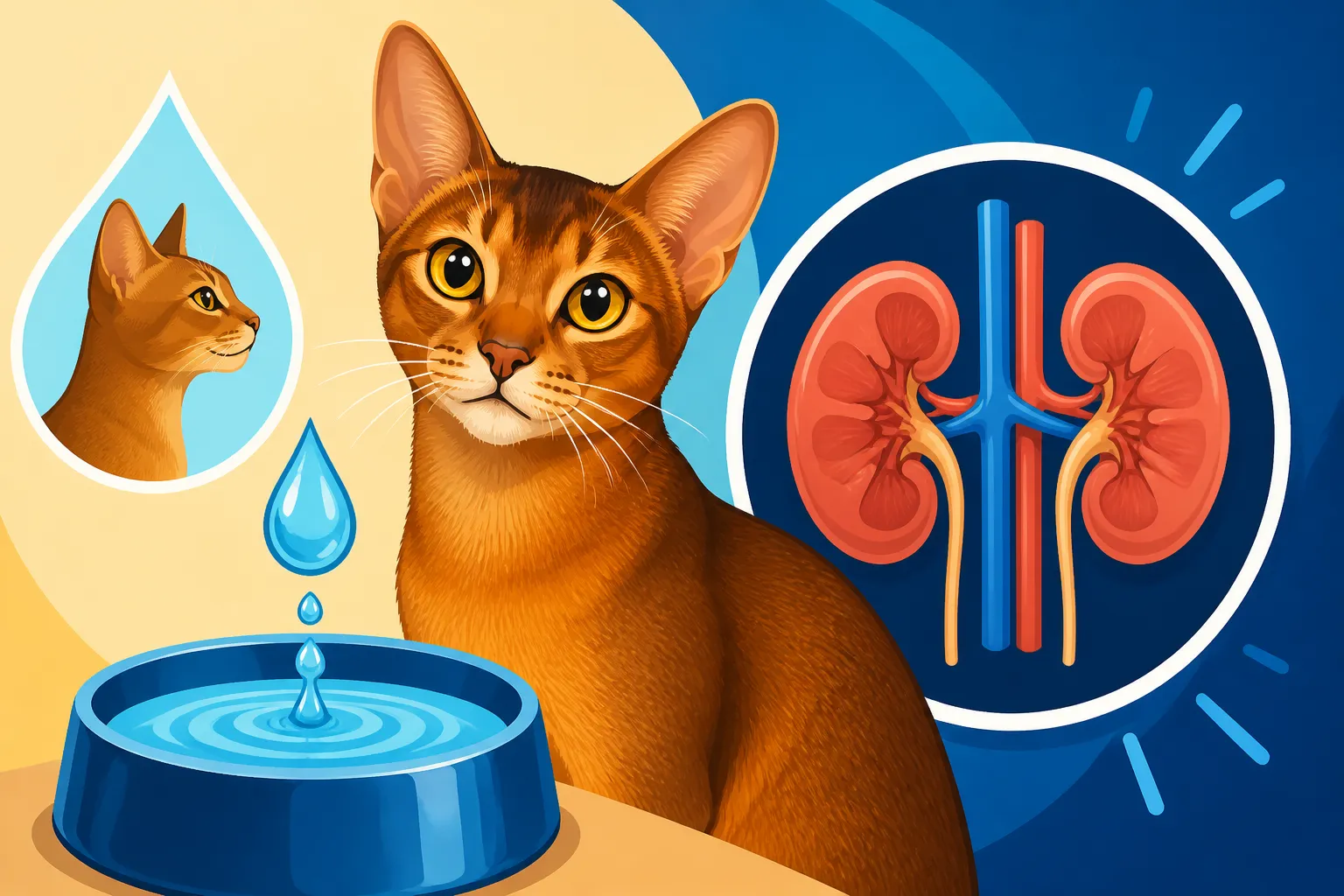
Imagine tiny, abnormal protein fibers, known as amyloid, slowly accumulating in the delicate filtering structures of your Abyssinian's kidneys. This is What Renal Amyloidosis Deposits in an Abyssinian's Kidney. These amyloid deposits aren't supposed to be there, and as they build up, they begin to interfere with the kidney's essential functions – specifically, their ability to filter waste products from the blood and concentrate urine. It’s like rust slowly building up in a complex machine, eventually causing it to seize up. Over time, this constant assault on the kidney tissue leads to inflammation, scarring, and ultimately, kidney failure. It’s a progressive disease, and while we can't reverse the deposits, managing the kidneys' workload, largely through hydration, becomes paramount.
The consequences of these deposits are far-reaching. As the kidneys struggle, they become less efficient at removing toxins. This means that waste products that should be flushed out stay in the bloodstream, making your cat feel unwell. It can also lead to electrolyte imbalances, which further complicate their health. The insidious nature of amyloidosis is that these changes often occur subtly over a long period, with your cat compensating remarkably well, masking the severity of the underlying issue until a significant portion of kidney function is lost. This is why early detection and proactive management, including diligent hydration, are so vital for Abyssinians.
Why No Gene Test Exists for Abyssinian Amyloidosis
It's incredibly frustrating for Abyssinian enthusiasts that despite the prevalence of renal amyloidosis, there isn't a simple DNA test like there is for other inherited conditions. We all wish for a clear-cut answer, a "yes" or "no" result that tells us if our cat carries the gene. Unfortunately, Why No Gene Test Exists for Abyssinian Amyloidosis is a complex issue. Unlike single-gene mutations such as PK Deficiency or PRA-rdAc, amyloidosis appears to be polygenic, meaning multiple genes, possibly combined with environmental factors, contribute to its development. This genetic complexity makes isolating a single marker for testing incredibly difficult.
This lack of a direct genetic test means breeders and owners must rely on other, less direct methods to manage the risk. Reputable breeders meticulously track the health and longevity of their breeding lines, noting any instances of kidney disease. If a line consistently produces cats with renal issues, especially amyloidosis, those lines should ideally be retired from breeding. As owners, this emphasizes the importance of understanding your cat's family history and working closely with your veterinarian for regular check-ups, even if your Abyssinian seems perfectly healthy. We have to be proactive because genetics alone can't give us all the answers here.
How Young an Abyssinian Can Lose Its Kidneys
The heartbreak of renal amyloidosis is often compounded by the fact that it can strike Abyssinians at a distressingly young age. While kidney disease is often associated with older cats, it's not uncommon for an Abyssinian to show signs of kidney compromise in their middle years, sometimes even earlier. Cases have been reported where Abyssinians as young as two or three years old begin to exhibit symptoms, making it a truly devastating diagnosis. How Young an Abyssinian Can Lose Its Kidneys is a stark reminder that we cannot afford to be complacent about their kidney health, even when they are in their prime.
This predisposition means that annual vet visits, even for seemingly healthy young adults, are crucial. Your vet can perform routine blood and urine tests that might catch subtle changes early on, giving you a better chance to manage the disease and slow its progression. Increased thirst and urination, though often dismissed as minor, can be early indicators. The more proactive we are, the better we can support their kidneys and potentially extend their active lives. It’s a constant juggle of enjoying their boundless energy while keeping a watchful eye on their internal health.
The Indispensable Role of Water for Abyssinian Kidneys
Given the Abyssinian's unique kidney challenges, sufficient water intake isn't just a general health recommendation; it's a non-negotiable component of their preventative and supportive care. Dehydration, even mild, forces the kidneys to work harder to concentrate urine, exacerbating any underlying predisposition to kidney issues.
Hydration and Urine Concentration
Imagine your Abyssinian's kidneys as sophisticated filters. When your cat is well-hydrated, these filters have plenty of fluid to work with, making it easy to flush out waste products effectively. The urine is dilute, light in color, and flows freely, carrying away toxins without stressing the delicate kidney tissues. This is the ideal scenario for managing and preventing kidney issues, especially conditions like amyloidosis where protein deposits already hinder function. A constant flow of dilute urine helps prevent concentrated waste products from further irritating or damaging the kidneys.
Conversely, if your Abyssinian is consistently under-hydrated, their kidneys have to work overtime to conserve water. This results in highly concentrated urine, which is much more demanding on the kidneys. Think of it like trying to clean a clogged drain with barely any water – it’s a struggle. Over time, this constant strain can accelerate damage, intensify inflammation, and make existing kidney problems worse. For Abyssinians, who are already genetically predisposed to kidney vulnerabilities, maintaining dilute urine through excellent hydration is one of the most impactful things we can do to support their long-term renal health. How Much Water an Active Abyssinian Drinks can be surprising, but it's essential for their well-being.
Why Wet Food Protects an Abyssinian's Kidneys
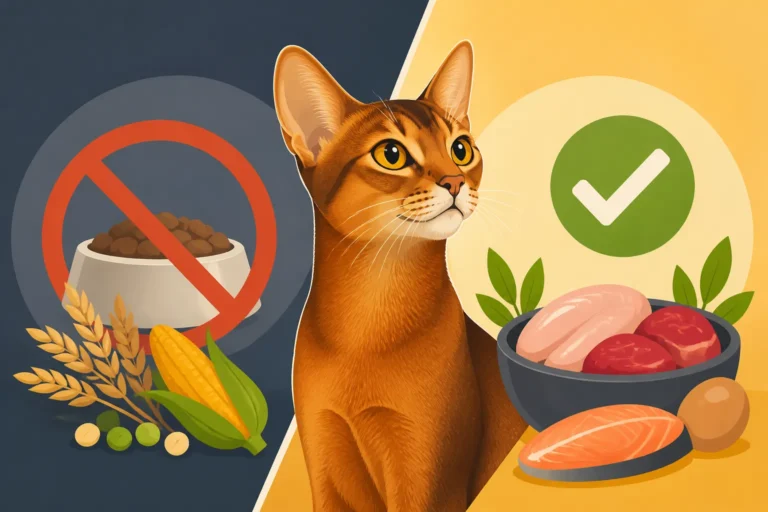
The choice of food plays an enormous role in an Abyssinian's hydration status, and for kidney health, wet food is undeniably superior. Most dry kibble contains a mere 5-10% water, leaving your cat to make up the significant difference through drinking alone. This is often an uphill battle, as cats, by nature, have a low thirst drive compared to other species, having evolved to get most of their moisture from their prey.
Wet food, on the other hand, boasts a moisture content of 70-80% or even higher. Feeding a wet diet effectively provides a continuous, passive source of hydration throughout the day. This consistent moisture intake helps to keep their urine dilute, reducing the workload on their kidneys and making it easier for them to flush out waste products. This isn't just about preventing disease; it's about making sure their already vulnerable kidneys have the easiest possible job. For an Abyssinian, transitioning to or maintaining a high-quality wet food diet, or even adding water to their dry food, is one of the most significant preventative measures you can take. Why Wet Food Protects an Abyssinian's Kidneys is a concept every owner should understand deeply.
Strategies to Skyrocket Your Abyssinian's Water Intake
Knowing that hydration is key is one thing, but actually getting your perpetually busy Abyssinian to drink enough water can feel like a Herculean task. These cats are known for their high energy and often their pickiness, so we need to get creative.
The Allure of Water Fountains
One of the most effective tools in boosting feline hydration, especially for a curious and playful Abyssinian, is a water fountain. Cats are often drawn to moving water, instinctively recognizing it as fresher and safer than still water. This preference harks back to their wild ancestors who would seek out running streams rather than stagnant puddles. For an Abyssinian, the novelty and continuous flow of a fountain can turn a mundane drink into an engaging experience.
There's a wide variety of fountains available, from ceramic models to stainless steel ones, many of which can be found on platforms like Amazon or Chewy. Consider one that offers multiple streams or different flow settings, as your Abyssinian might have a preference for a gentle bubble versus a strong stream. Ensure you clean the fountain regularly and change the filters as directed to maintain water quality and prevent bacterial growth – a dirty fountain quickly loses its appeal. While a fountain is a fantastic investment, remember it's not a magic bullet; it's one piece of the hydration puzzle. Whether an Abyssinian Uses a Fountain often depends on finding the right type and keeping it pristine.
Multiple Water Bowls and Strategic Placement
Beyond fountains, simply having multiple water bowls scattered throughout your home can significantly increase your Abyssinian's water intake. Think about it: if water is always conveniently located, your cat is more likely to take a quick drink as they zoom past, rather than waiting until they're truly parched. Cats don't typically like to eat and drink in the exact same spot, so place bowls away from their food dishes and litter boxes. Experiment with different bowl materials – some cats prefer ceramic, others glass or stainless steel – and ensure they are wide and shallow enough to prevent "whisker fatigue," where their sensitive whiskers brush the sides of a deep, narrow bowl.
Consider placing bowls in their favorite resting spots, near climbing structures, or even on elevated surfaces if your Abyssinian loves to survey their domain from on high. Regularly refresh the water, ideally two or three times a day, to keep it cool and inviting. A simple trick is to add an ice cube or two to the bowl, especially during warmer months or if your cat enjoys batting at them. This not only keeps the water colder but also adds an element of play.
Adding Water to Food and Broths
This is perhaps the simplest and most overlooked method of increasing your Abyssinian's water intake: directly adding extra moisture to their food. If you feed wet food, you can stir in a tablespoon or two of warm water, or even a low-sodium, cat-safe broth (without onions, garlic, or other harmful ingredients). Many cats will eagerly lap up the extra liquid, almost turning their meal into a soup. This is particularly beneficial if your Abyssinian isn't a huge fan of drinking from bowls or fountains.
For those who feed dry kibble, adding water is even more critical. While not as ideal as a wet diet, soaking kibble in warm water or broth for 15-20 minutes before serving can help soften it and drastically increase its moisture content. Cat-safe broths or fresh food options with high moisture content can also help boost hydration. However, be mindful that wet kibble can spoil quickly, so only put out small portions and discard any uneaten food promptly. This method ensures that with every meal, your Abyssinian is getting a vital hydration boost, directly supporting their kidneys. How Much Wet Food an Abyssinian Gets Through can also be increased by making it more soupy!
Identifying Dehydration in Your Abyssinian
Abyssinians are masters of hiding illness, a trait that makes identifying dehydration even more challenging. Their high energy levels can sometimes mask subtle signs of feeling unwell, so it's essential for us to be keenly aware of what to look for. Early detection is always best, especially when kidney health is on the line.
Subtle Early Signs of Dehydration
Before your Abyssinian starts showing overt signs of distress, there are several subtle clues that they might be under-hydrated. One of the first indicators can be a slight decrease in their usual boundless energy; they might still play, but perhaps for shorter bursts or with less intensity. Keep an eye on their litter box habits: if you notice their urine clumps are smaller or darker than usual, it could mean their kidneys are working harder to concentrate urine due to insufficient fluid intake. A mild decrease in appetite or a reluctance to eat their usual wet food can also be a sign, as dehydration often makes them feel generally unwell.
Another less obvious sign is their coat condition. While an Abyssinian’s coat is naturally sleek and fine, if it starts to look duller or feel less soft and resilient, it might indicate chronic low-level dehydration. Gently checking their gums can also be telling. Healthy gums should be moist and pink; if they feel tacky or dry to the touch, or appear a little paler, it’s definitely a red flag. Always remember that Abyssinians are incredibly resilient, so even these minor changes should prompt closer attention and a call to your vet.
Obvious Signs and Emergency Situations
When dehydration becomes more severe, the signs become much more apparent and demand immediate veterinary attention. The classic "skin tent" test is a good indicator: gently pinch a fold of skin on their shoulder blades and release it. If your cat is well-hydrated, the skin should snap back almost instantly. If it retracts slowly and forms a "tent," this indicates moderate to severe dehydration. Their eyes might appear sunken, and they could seem lethargic, withdrawn, or even disoriented.
Severe dehydration is an emergency. At this stage, your Abyssinian might be panting, experiencing vomiting or diarrhea, and showing signs of shock, such as cold extremities or rapid heart rate. Their heart might be racing, and their breathing could become shallow. This is not a situation where you wait to see if they'll drink on their own; it's a critical moment that requires immediate professional intervention. Your vet will likely administer subcutaneous fluids (under the skin) or intravenous fluids (directly into a vein) to rapidly rehydrate them and stabilize their condition. Catching dehydration early can prevent this crisis, which is why understanding and acting on the subtle signs is so crucial for an Abyssinian owner.
Holistic Kidney Support Beyond Water
While water intake is undeniably paramount for an Abyssinian's kidney health, a truly comprehensive approach involves several other crucial elements. It's about creating an environment and lifestyle that optimally supports these vital organs, recognizing their unique vulnerabilities.
Regular Veterinary Check-ups and Monitoring
For Abyssinians, especially those reaching their middle years (around seven years old and beyond), routine veterinary check-ups become even more critical than for some other breeds. These aren't just for vaccinations anymore; they are your primary tool for monitoring kidney function before problems become obvious. Your vet will typically recommend annual blood work, including a full chemistry panel and a kidney-specific marker called SDMA (Symmetric Dimethylarginine). The How the SDMA Value Reads on an Abyssinian is particularly useful because it can detect kidney disease much earlier than traditional creatinine levels, sometimes even when a large percentage of kidney function is still intact.
Beyond blood tests, a urinalysis is equally important. This simple test can reveal a lot about how well the kidneys are concentrating urine and filtering waste. Which Urine Test Catches an Abyssinian's Kidneys First will assess specific gravity (how concentrated the urine is), protein levels, and look for any signs of infection or crystals. Don't be shy about discussing your Abyssinian's water intake and litter box habits with your vet during these visits. Providing a full picture of their daily routine can help your vet catch subtle trends that might indicate an underlying issue, allowing for earlier intervention and a better prognosis.
Tailored Diets and Supplements for Kidney Health
Once kidney issues are detected, your veterinarian will likely recommend a prescription kidney-supportive diet. These specialized foods, available from your vet or through online pet supply retailers like Chewy, are carefully formulated to reduce the workload on the kidneys. They typically feature controlled levels of high-quality protein, lower phosphorus content, and often contain omega-3 fatty acids and antioxidants to help manage inflammation and support kidney function. It's not a cure for kidney disease, but How a Kidney Diet Buys an Abyssinian Time by slowing its progression and improving their quality of life.
Beyond prescription diets, some vets might suggest specific supplements, although it's crucial never to administer these without veterinary guidance. Probiotics formulated for kidney support, B vitamins, and certain omega-3 fatty acid supplements may play a role in managing kidney disease, but their efficacy can vary, and what's right for one cat might not be for another. The goal of these dietary and supplemental interventions is to reduce the burden on the ailing kidneys, allowing them to function more efficiently and comfortably for as long as possible. Always consult your vet to ensure any dietary changes or supplements are appropriate and safe for your Abyssinian's specific needs.
Lifestyle Adjustments and Stress Reduction
An Abyssinian's overall well-being, including their kidney health, is also influenced by their environment and stress levels. While these energetic cats thrive on activity, ensuring they have appropriate outlets for their energy can reduce stress and promote good health. Provide plenty of vertical climbing spaces, interactive toys, and consistent playtime. A stressed cat might drink less, eat less, or even develop urinary issues that indirectly impact kidney function.
Maintaining a predictable routine can also be calming for an Abyssinian. Ensure their food, water, and litter box locations are consistent and easily accessible. If your Abyssinian is prone to anxiety, consider calming diffusers or supplements, again, with veterinary consultation. Keeping them indoors is also a vital safety measure, protecting them from accidents, predators, and exposure to toxins that could harm their kidneys. A happy, engaged, and low-stress Abyssinian is more likely to stay hydrated and maintain better overall health.
The Long-Term Impact of Consistent Hydration
Maintaining consistent hydration isn't just about preventing immediate issues; it's about building a foundation for your Abyssinian's health that can have a profound impact on their entire lifespan. For a breed predisposed to kidney conditions, every sip of water contributes to their long-term well-being.
Supporting Overall Organ Function
Beyond the kidneys, consistent hydration is fundamental for virtually every organ system in your Abyssinian's body. Their circulatory system relies on adequate fluid volume to transport oxygen and nutrients efficiently. Their digestive system needs water to process food and maintain healthy bowel movements. Even their brain function, muscle activity, and body temperature regulation are dependent on proper hydration. A well-hydrated Abyssinian is not only protecting their kidneys, but they're also ensuring that their heart, liver, and all other vital organs can perform their functions optimally.
This holistic benefit means that by focusing on hydration, you're not just targeting one potential problem; you're enhancing your Abyssinian's overall vitality and resilience. It can lead to better coat quality, more consistent energy levels, and a stronger immune system. Think of it as investing in their entire physiological infrastructure. An active cat like an Abyssinian burns a lot of energy, and that energy production relies heavily on cellular hydration. The more consistent you are with promoting water intake, the better equipped their entire body will be to handle the rigors of their energetic lives and any health challenges that may arise.
Enhancing Quality of Life and Longevity
Ultimately, the dedication to ensuring your Abyssinian is consistently well-hydrated translates directly into an enhanced quality of life and potentially a longer, healthier lifespan. By minimizing the strain on their kidneys, particularly against the backdrop of conditions like amyloidosis, you are actively working to delay the onset or slow the progression of chronic kidney disease. This can mean more years of playful antics, shoulder rides, and purring companionship.
Even if an Abyssinian does develop kidney issues later in life, a history of good hydration can make the management of the disease much more effective. Their kidneys will likely be in better shape to respond to treatments, and they may experience fewer severe symptoms. It's a testament to the power of proactive care that something as simple as providing ample, appealing water sources and a moisture-rich diet can have such a profound and lasting effect. The small, daily efforts you make to keep your Abyssinian hydrated are truly an investment in their future.
Water Intake and the Abyssinian's Active Lifestyle
Abyssinians are notorious for their high energy levels and constant motion. This active lifestyle, while charming, also means their bodies work harder and process more, making hydration even more critical than for a sedentary cat.
Replenishing Fluids After Play
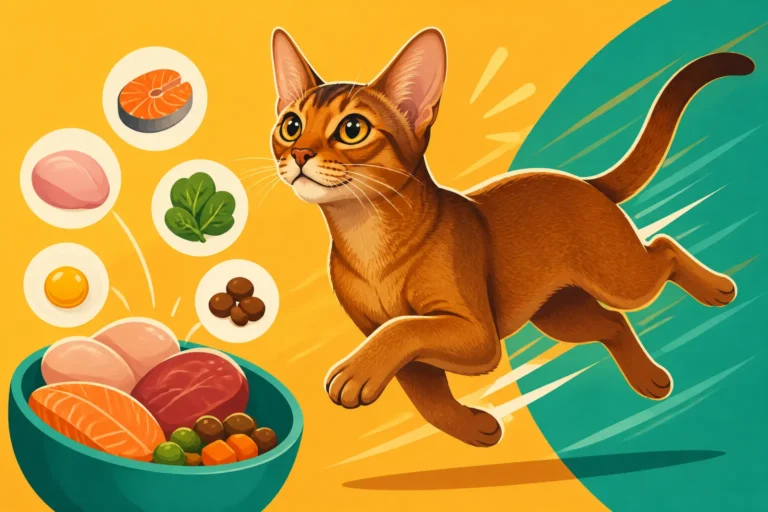
Watching an Abyssinian race through the house, scale a cat tree in seconds, or engage in a vigorous session of fetch, it's easy to see how much energy they expend. This high level of physical activity naturally leads to increased fluid loss, even if you don't see them panting like a dog. They might lose moisture through respiration and simply through the metabolic demands of their constant motion. Just like human athletes, Abyssinians need to replenish these fluids to prevent dehydration and ensure their muscles and organs continue to function at their peak.
It’s especially important to ensure water is readily available after playtime. Position water bowls near their favorite play areas or climbing structures. A multi-level cat tree sourced from Chewy or a strategically placed window perch from Amazon could also benefit from an adjacent water source. Having a refreshing drink easily accessible means they’re more likely to hydrate immediately, rather than waiting until they’re already slightly depleted. Making hydration a seamless part of their active routine is key to maintaining their vibrant energy levels without stressing their internal systems.
Monitoring for Increased Thirst
While increased thirst can be a sign of kidney issues, it's also a natural response to being an incredibly active cat. The trick is discerning between normal, activity-induced thirst and excessive, worrying thirst. A healthy Abyssinian might drink more after a particularly long play session or during warmer weather, and this is perfectly normal. However, if you notice a sustained, dramatic increase in their water consumption that seems out of proportion to their activity level or environmental temperature, it warrants attention. Why a Thirsty Young Abyssinian Is a Red Flag can be tied to underlying issues.
Keep a mental note, or even a literal one, of how much water your Abyssinian typically drinks in a day. If you notice them constantly at the water bowl, draining it faster than usual, or seeking out unusual water sources (like dripping faucets), it's time to consult your veterinarian. They can differentiate between healthy thirst and a symptom of an underlying condition. Being observant of these habits, combined with regular vet check-ups, forms a robust defense against potential health problems, ensuring that your Abyssinian's love for life is supported by optimal health from nose to tail.
Hydration Methods Comparison for Abyssinians
| Hydration Method | Pros | Cons | Best For |
|---|---|---|---|
| Water Fountains | Entices cats with moving water; filters improve taste. | Requires regular cleaning & filter changes; can be noisy; electricity needed. | Cats who prefer fresh, flowing water; active, curious Abyssinians. |
| Multiple Water Bowls | Simple, cost-effective; always accessible; easy to place strategically. | Water can become stagnant quickly; some cats ignore still water. | Ensuring constant access; placing in multiple areas; sensitive or shy cats. |
| Adding Water/Broth to Food | Passive hydration with meals; palatable; helps with nutrient absorption. | Requires wet food or soaked kibble; food can spoil faster. | All Abyssinians, especially those resistant to drinking water; kidney support. |
| Wet Food Diet | High moisture content directly consumed; reduces kidney workload. | Can be more expensive than kibble; some cats prefer dry food texture. | Optimal hydration and kidney health; prevents chronic low-level dehydration. |
| Ice Cubes/Treats | Novelty encourages engagement; can be fun for playful Abyssinians. | Limited hydration; not a primary source; some cats ignore them. | Playful engagement; supplementing other methods; hot weather. |
Disclaimer
This article is for general informational purposes only and does not constitute professional advice. Laws, prices and regulations vary by location and change over time. Consult a qualified professional for guidance on your specific situation.