Pyruvate Kinase Deficiency Is the Abyssinian’s Best Known Test
It’s truly distressing when your usually vibrant and endlessly curious Abyssinian suddenly seems to lose their spark, becoming unusually quiet or showing signs of fatigue. These beloved cats are known for their boundless energy, so any dip in their characteristic vigor can be a huge red flag for us as owners. When these unsettling changes surface, especially pale gums or a general malaise, a condition called Pyruvate Kinase Deficiency (PKD) often crosses our minds. This isn't just a minor ailment; it's a serious genetic issue that can deeply impact your Abyssinian's health. Understanding PKD, how it manifests, and what steps you can take is absolutely crucial to safeguarding your furry family member’s well-being.
The Genetic Underpinnings of Pyruvate Kinase Deficiency in Abyssinians
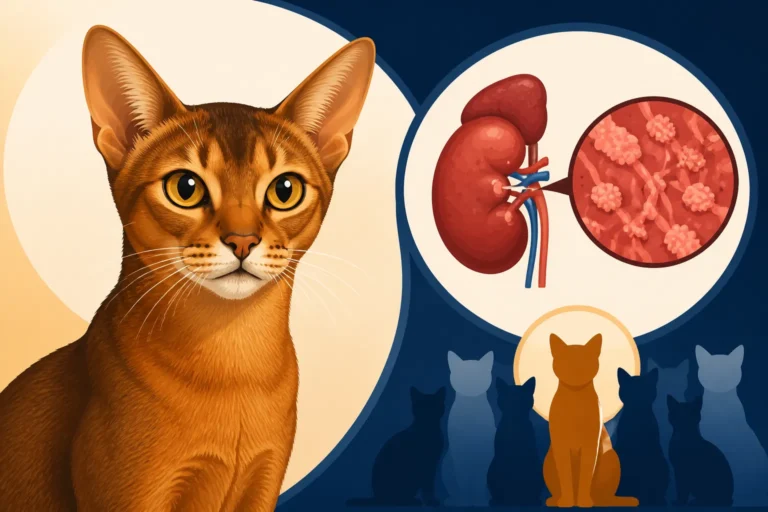
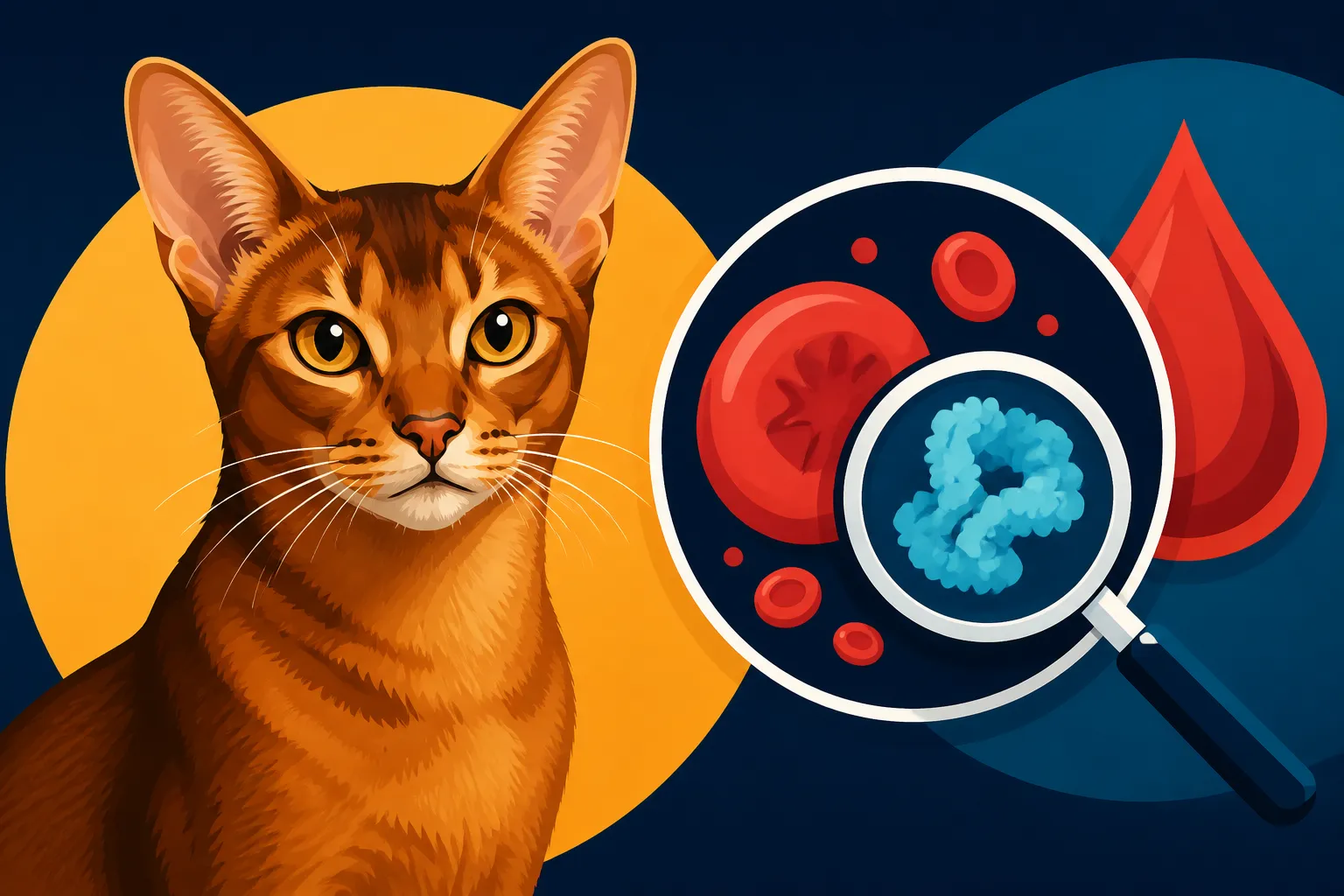
When we talk about Pyruvate Kinase Deficiency, it's important to grasp that we're dealing with a genetic hand-me-down, specifically an inherited metabolic disorder. This isn't something your Abyssinian catches; it's something they're born with, passed down through generations. Think of it like a faulty instruction manual in their DNA that dictates how a specific enzyme should be made. This enzyme, pyruvate kinase, is a vital player in the energy production process within red blood cells, which are the tiny, hardworking vehicles responsible for carrying oxygen throughout the body. Without enough functional pyruvate kinase, these red blood cells become fragile and prone to breaking down prematurely, leading to a type of anemia.
What Exactly is Pyruvate Kinase and Why Does it Matter?
Imagine your cat's red blood cells as miniature power plants, constantly generating the energy they need to perform their primary function: delivering oxygen to every tissue and organ. Pyruvate kinase is like a crucial generator in these power plants. It's an enzyme involved in glycolysis, a fundamental metabolic pathway that converts glucose (sugar) into energy. In a healthy Abyssinian, this enzyme works flawlessly, ensuring that red blood cells have a steady supply of energy to maintain their structure, flexibility, and longevity in the bloodstream. They typically live for about 70 days, gracefully navigating capillaries and delivering their precious cargo of oxygen.
However, for an Abyssinian with Pyruvate Kinase Deficiency, that critical generator is either missing or severely malfunctioning. The red blood cells can't produce energy efficiently, making them weak and unstable. This metabolic fragility means they don't last nearly as long as they should. Instead of a healthy 70-day lifespan, these deficient red blood cells might only survive a few days or weeks before they're prematurely destroyed by the body, particularly in the spleen. This constant, accelerated destruction of red blood cells is the root cause of the intermittent or chronic anemia seen in affected cats. It's a relentless battle for their bodies, trying to replace cells that are being destroyed too quickly.
The Autosomal Recessive Inheritance Pattern
The way PKD is passed down is key to understanding why it can sometimes seem to pop up unexpectedly in a litter. It's what veterinarians and geneticists call an "autosomal recessive" trait. This means two important things: first, the gene responsible isn't linked to sex chromosomes (so both male and female Abyssinians can be affected equally), and second, an Abyssinian needs to inherit two copies of the faulty gene – one from each parent – to actually develop the disease. If they only inherit one copy of the faulty gene and one normal copy, they become a "carrier."
Carriers are fascinating because they usually appear perfectly healthy. They don't show any symptoms of PK deficiency themselves because their single normal gene copy is usually enough to produce sufficient pyruvate kinase for their own needs. Their red blood cells function just fine. However, the catch is that they carry that hidden faulty gene and can pass it on to their offspring. This is why testing is so incredibly important for breeders; two seemingly healthy carrier parents can produce affected kittens. If you have two carriers, there's a 25% chance with each kitten that it will inherit two faulty copies and be affected, a 50% chance it will be a carrier like its parents, and a 25% chance it will be completely clear. Understanding How a Carrier Abyssinian Differs From an Affected One is vital for managing breeding lines and genetic health.
Recognizing the Telltale Signs and Progression of PK Deficiency
One of the most challenging aspects of Pyruvate Kinase Deficiency is its often sneaky and intermittent nature. Unlike some conditions that present with clear, consistent symptoms from day one, PKD can be a roller coaster. An affected Abyssinian might seem perfectly normal for weeks or even months, only to suddenly crash, experiencing a severe anemic episode. This unpredictability makes it incredibly frustrating for owners and can sometimes delay diagnosis, as initial subtle signs might be dismissed or attributed to other transient issues.
When Symptoms Typically Surface
While PKD is a congenital condition, meaning cats are born with the genetic predisposition, the clinical signs usually don't appear immediately at birth. Most Abyssinians affected by PK deficiency will start showing symptoms somewhere between six months and five years of age. It's a broad window, and the exact timing can vary significantly from one cat to another. Some may experience their first crisis as young adults, while others might reach their middle years before the disease makes itself overtly known. This delay can be particularly misleading because a kitten might pass all its early veterinary checks with flying colors, growing normally and exhibiting typical Abyssinian kitten energy, only for issues to arise much later.
Occasionally, severe cases might present earlier, even in very young kittens, but this is less common. More often, owners will report their cat reaching an age where they're settled into their adult routine, full of life, and then suddenly, there's a change. This delayed onset can make it difficult to connect early subtle changes to a serious underlying genetic problem, especially if a cat is adopted without full genetic history. For this reason, knowing When PK Deficiency First Shows in an Abyssinian can help owners be more vigilant.
The Intermittent Nature of Anemic Crises
The hallmark of PK deficiency is its waxing and waning course. Affected Abyssinians don't usually suffer from a constant, severe anemia. Instead, they experience "anemic crises" or "flare-ups" where their body's ability to produce red blood cells simply cannot keep pace with the accelerated destruction. During these periods, the signs become much more pronounced. This intermittent presentation is a direct result of the body’s compensatory mechanisms. The bone marrow, which is responsible for producing new red blood cells, tries valiantly to churn out replacements. For a while, it might succeed in maintaining a somewhat normal red blood cell count.
However, the lifespan of these new, deficient red blood cells is still tragically short. Eventually, the bone marrow simply gets exhausted or cannot keep up with the demand, leading to a sharp drop in red blood cells (anemia). These crises can be triggered by stress, illness, or sometimes for no immediately apparent reason. During these periods, the cat’s energy reserves are depleted, and they become visibly unwell. Once the crisis passes, the cat might rebound, sometimes even returning to a near-normal state for a period, making owners breathe a sigh of relief, only for the cycle to repeat. This unpredictable pattern is incredibly frustrating and stressful for families, who often feel like they're walking on eggshells.
Key Symptoms to Watch For: Lethargy, Pale Gums, and Jaundice
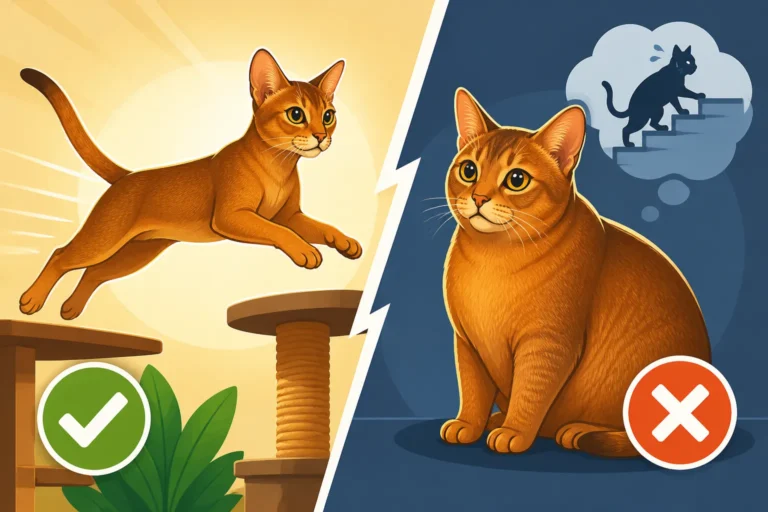
When an Abyssinian is experiencing a PK deficiency crisis, the symptoms are primarily related to anemia and the subsequent lack of oxygen delivery throughout the body. The most obvious sign is often a profound lethargy. Your usually active, climbing, and playful Abyssinian might become unusually quiet, spending more time sleeping, being reluctant to jump or play, or simply lying in a favorite sunny spot without engaging. They might seem tired after even minor activity, or just generally "off." This isn't just a cat being lazy; it's a sign their body is struggling for oxygen.
Another critical visual cue is pale gums. Healthy cat gums should be a vibrant, salmon pink color. In an anemic Abyssinian, these membranes will appear much lighter, sometimes almost white, because there aren't enough red blood cells circulating to give them their natural color. You might also notice paleness in the inside of their eyelids or nail beds. Coupled with this, you might observe an increased respiratory rate or effort, as their body tries harder to get oxygen into the blood, even without exertion.
Beyond anemia, the accelerated destruction of red blood cells releases a pigment called bilirubin. When the body can't process this bilirubin fast enough, it builds up in the tissues, leading to jaundice. This is a yellowish discoloration that can be subtle, but visible in the whites of the eyes, inside the ears, or on the gums. It's a clear indicator that red blood cells are being destroyed at an alarming rate. You might also notice dark or brownish urine, another sign of bilirubin being processed and excreted. Weight loss, despite a normal appetite, can also occur as the body expends extra energy trying to compensate for the deficiency. If your Abyssinian shows any of these signs, especially a sudden loss of energy or pale gums, a vet visit is imperative. Remember, Why a Lethargic Abyssinian Needs Blood Work Fast is a critical piece of information for any owner.
The Definitive Diagnosis: Genetic Testing for PKD
Given the severe implications of Pyruvate Kinase Deficiency and its hereditary nature, definitive diagnosis through genetic testing is paramount. This isn't just about confirming a suspicion for an individual cat; it's also about preventing the spread of the condition within the breed and allowing breeders to make informed decisions. While clinical signs and blood work can strongly suggest PK deficiency, only a genetic test can confirm it and identify carriers.
Why Genetic Testing is the Gold Standard
Clinical signs of anemia or jaundice can point towards many conditions, not just PKD. A standard blood test might reveal anemia (low red blood cell count), and sometimes even abnormally shaped red blood cells (poikilocytes), or an elevated bilirubin level. These findings are crucial for immediate medical management, but they don't tell you the cause of the problem. That's where genetic testing shines. It directly looks for the specific mutation in the PKLR gene that is responsible for Pyruvate Kinase Deficiency in Abyssinians.
This targeted approach offers several key advantages. First, it provides an undeniable, definitive diagnosis. There's no guesswork. Second, and perhaps even more importantly for the breed as a whole, it can identify carrier cats who show no symptoms but can pass the faulty gene to their offspring. Without genetic testing, these carriers would continue to be bred, perpetuating the disease in future generations. This is why it's considered the best known and most reliable test for this specific Abyssinian health issue, and a crucial component of responsible breeding. If you're considering an Abyssinian kitten, asking about the parents' genetic test results for PKD is non-negotiable; it's one of The Abyssinian Has Three DNA Tests and One Disease With None that breeders should be upfront about.
How the Abyssinian DNA Panel Works
Getting your Abyssinian tested for PK deficiency is surprisingly simple and non-invasive. Most reputable genetic testing labs offer a comprehensive DNA panel for Abyssinians that includes testing for PK deficiency (the PKLR mutation) as well as Progressive Retinal Atrophy (PRA-rdAc), another important genetic condition. The process typically involves a buccal swab, which is essentially a fancy name for gently rubbing a sterile cotton swab along the inside of your cat's cheek to collect cells. This simple procedure can usually be done by your vet, a breeder, or even by yourself at home if you follow the lab's instructions carefully.
The collected sample, containing your cat's DNA, is then sent to a specialized laboratory. The lab then extracts the DNA and uses advanced molecular techniques to look for the specific genetic mutation associated with PK deficiency. The cost of such a panel is usually quite reasonable, especially considering the vital information it provides. Results typically come back within a few weeks, offering clarity and peace of mind, or guiding crucial health and breeding decisions. Details like Which Lab Runs the Abyssinian Genetic Panel or How the Abyssinian's DNA Panel Is Ordered are readily available from breed clubs and veterinarians.
Interpreting Test Results: Clear, Carrier, or Affected
Understanding the results of a genetic test for PK deficiency is straightforward, but incredibly important for responsible pet ownership and breeding. There are three possible outcomes:
- N/N (Clear/Normal): This is the best possible result. It means your Abyssinian does not carry the PKLR gene mutation and therefore cannot develop PK deficiency. Crucially, they also cannot pass the gene on to any offspring. A clear cat is genetically free of this specific condition.
- N/PK (Carrier): This result indicates that your Abyssinian has inherited one copy of the normal gene and one copy of the mutated gene. As discussed, carriers typically do not show any symptoms of PK deficiency themselves because one healthy gene is usually enough for normal red blood cell function. However, they are carriers of the trait and will pass on the mutated gene to approximately 50% of their offspring. This is incredibly important information for breeders to prevent producing affected kittens.
- PK/PK (Affected): This means your Abyssinian has inherited two copies of the mutated PKLR gene, one from each parent. Cats with this genotype will develop Pyruvate Kinase Deficiency. The severity of the disease and the age of onset can vary, but they will eventually experience the anemic crises characteristic of the condition.
Here's a handy table summarizing the possible breeding outcomes based on parental genotypes:
| Parent 1 Status | Parent 2 Status | Offspring Probabilities (per kitten) | Implications |
|---|---|---|---|
| Clear (N/N) | Clear (N/N) | 100% Clear | Ideal pairing, no affected or carrier offspring. |
| Clear (N/N) | Carrier (N/PK) | 50% Clear, 50% Carrier | No affected offspring, but carriers can result. |
| Clear (N/N) | Affected (PK/PK) | 100% Carrier | All offspring will be carriers, but none affected. |
| Carrier (N/PK) | Carrier (N/PK) | 25% Clear, 50% Carrier, 25% Affected | Risky pairing, can produce affected kittens. |
| Carrier (N/PK) | Affected (PK/PK) | 50% Carrier, 50% Affected | Very risky, high chance of affected offspring. |
| Affected (PK/PK) | Affected (PK/PK) | 100% Affected | All offspring will be affected. Highly unethical. |
Responsible breeders will only breed clear to clear, or clear to carrier, ensuring no affected kittens are produced. Breeding two carriers together, or any pairing involving an affected cat (beyond breeding an affected to a clear to get all carriers who can then be bred responsibly), is strongly advised against by veterinary geneticists. This proactive testing helps gradually eliminate the disease from the breed pool. Knowing How to Read an Abyssinian's Normal Test Result or understanding Why an Abyssinian Marked as a Carrier Is Still Fine from a health perspective but not for certain breedings is fundamental.
Managing and Treating an Abyssinian with PK Deficiency
While there is currently no cure for Pyruvate Kinase Deficiency, managing the condition focuses on supportive care to alleviate symptoms during anemic crises and improve the cat's overall quality of life. It’s about being proactive, working closely with your veterinarian, and making adjustments to minimize stress and provide the best environment possible for your affected Abyssinian.
Supportive Care and Treatment Options During Crises
When an Abyssinian goes into an anemic crisis due to PK deficiency, prompt veterinary intervention is often necessary. The immediate goal is to stabilize the cat and address the severe lack of oxygen. This often involves several key supportive treatments:
- Blood Transfusions: For severe, life-threatening anemia, a blood transfusion can be a lifesaver. This provides a temporary boost of healthy red blood cells, giving the cat's body a chance to recover and stabilize. Transfusions are not a cure, but they can buy precious time during a crisis. Knowing When an Anemic Abyssinian Needs a Transfusion is crucial, and your vet will monitor packed cell volume (PCV) to determine this.
- Fluid Therapy: Dehydration can exacerbate anemia, so intravenous fluids are often administered to maintain hydration, support organ function, and help flush out excess bilirubin.
- Oxygen Therapy: In cases of extreme respiratory distress due to severe anemia, providing supplemental oxygen can greatly help the cat breathe more easily and increase oxygen delivery to vital tissues.
- Corticosteroids: While not directly treating the PK deficiency, sometimes corticosteroids are used to suppress the immune system if there's an immune-mediated component contributing to red blood cell destruction, though this is not always indicated.
- Nutritional Support: Ensuring the cat receives adequate nutrition is vital, especially if they are lethargic and reluctant to eat. Highly palatable, high-calorie foods may be offered, or appetite stimulants might be prescribed.
It's important to remember that these treatments address the symptoms, not the underlying genetic defect. Regular check-ups are essential even when the cat seems well, as the intermittent nature means a crisis can strike at any time.
The Role of Splenectomy in Management
The spleen plays a significant role in filtering and removing old or damaged red blood cells from circulation. In Abyssinians with PK deficiency, the spleen works overtime, aggressively destroying the fragile, deficient red blood cells, which contributes significantly to the anemia. Because of this, a surgical procedure called a splenectomy (removal of the spleen) is sometimes considered as a treatment option for affected cats.
Removing the spleen can lead to a marked improvement in the red blood cell lifespan, as these fragile cells are no longer being prematurely destroyed at such a high rate. This can reduce the frequency and severity of anemic crises, improve energy levels, and enhance the cat's overall quality of life. However, a splenectomy is a major surgery and carries its own risks, including potential complications like increased susceptibility to certain infections (though less common in cats than in humans) and a theoretical risk of increased clot formation. It's not a decision to be taken lightly and should be thoroughly discussed with your veterinary specialist, weighing the potential benefits against the risks for your individual cat. While it doesn't cure the genetic defect, it can be a highly effective management strategy. For more details on this, you might explore How a Splenectomy Helps an Anemic Abyssinian.
Prognosis and Quality of Life
The prognosis for an Abyssinian diagnosed with PK deficiency can vary. Some cats experience mild, infrequent episodes and can live relatively normal lives with careful management, sometimes into their senior years. Others may suffer from more severe, frequent crises, requiring more intensive and ongoing veterinary care. Unfortunately, in severe cases, the chronic anemia and its complications can significantly shorten a cat's lifespan. However, with vigilant owners and a dedicated veterinary team, many affected Abyssinians can still enjoy a good quality of life for a considerable time.
The key to a better prognosis lies in early diagnosis and proactive management. Genetic testing of breeding cats has drastically reduced the incidence of newly affected kittens, and for those who are affected, recognizing symptoms early and seeking immediate veterinary attention during a crisis can make all the difference. Regular monitoring of blood values, adherence to dietary recommendations (if any), and minimizing stress are all vital components of ensuring the best possible outcome. For pet owners, understanding Whether an Abyssinian With PK Deficiency Can Live Normally often hinges on managing these crises effectively. Investing in pet insurance, like a plan from Healthy Paws, can also provide immense peace of mind, helping to cover the often significant costs associated with managing a chronic condition like PK deficiency, especially emergency transfusions or a splenectomy.
Responsible Breeding: Preventing PKD in Future Generations
The most powerful tool we have against genetic diseases like Pyruvate Kinase Deficiency is responsible breeding. Because we understand the mode of inheritance and have a reliable genetic test, it's entirely within our grasp to drastically reduce, and eventually eliminate, PKD from the Abyssinian gene pool. This requires commitment from breeders and informed choices from prospective kitten owners.
The Imperative for Breeder Testing
For any serious Abyssinian breeder, genetic testing for PK deficiency is not an option; it's a fundamental responsibility. Every single breeding cat, male and female, must be tested for the PKLR mutation before being considered for a breeding program. This ensures that breeders know the genetic status of their cats (clear, carrier, or affected) and can make informed decisions to prevent producing affected kittens. A breeder who cannot or will not provide documentation of PK deficiency test results for both parent cats is a massive red flag and should be avoided. Asking What an Abyssinian Breeder Should Have Tested Before You Buy is a crucial question.
The widespread availability and affordability of these DNA tests mean there's no excuse for not testing. Reputable breeders will often include the test results as part of the kitten's paperwork or will make them readily available for inspection. They understand that their commitment to health screening protects the integrity of the breed and, most importantly, prevents heartbreak for future owners and suffering for affected cats.
Navigating Carrier Cats in Breeding Programs
The presence of carrier cats (N/PK) in a breeding program is a nuanced issue. Historically, before widespread testing, many valuable Abyssinians were unknowingly carriers. Simply eliminating all carriers from the breeding pool would drastically shrink the gene pool, potentially leading to other genetic problems due to reduced diversity. Therefore, the common strategy is to manage carriers responsibly rather than immediately retiring them.
A carrier Abyssinian should only be bred to a cat that has tested clear (N/N) for PK deficiency. This pairing guarantees that no affected (PK/PK) kittens will be produced, as even if a kitten inherits the faulty gene from the carrier parent, it will always receive a normal gene from the clear parent, making it a carrier, but never affected. The goal, over time, is to replace carrier breeding cats with clear offspring. This careful, phased approach allows breeders to maintain valuable lines, desirable traits, and genetic diversity, while systematically working towards a completely clear population. Understanding Why Two Carrier Abyssinians Should Never Be Bred is absolutely non-negotiable for responsible breeding.
Eradicating the Disease from Breeding Lines
The ultimate goal for the Abyssinian breed, concerning PK deficiency, is to completely eradicate it from all breeding lines. This is a long-term endeavor that relies on consistent, universal testing and disciplined breeding practices. As more and more Abyssinians are tested, and clear cats are preferentially bred, the frequency of the PKLR mutation within the overall population will naturally decrease.
Breed clubs and associations play a vital role in promoting and sometimes mandating genetic testing for their registered Abyssinians. Their guidelines and educational initiatives help breeders understand the science and implement best practices. While PK deficiency is one of the "best known" and most thoroughly understood genetic tests for Abyssinians, continuous vigilance is needed. This dedication ensures that future generations of Abyssinians can enjoy long, healthy, and vibrant lives, free from the burden of this debilitating genetic condition. The collective effort of breeders, veterinarians, and owners is steadily making a difference in the health and lifespan of this wonderful breed, contributing to a better understanding of Why Abyssinian Carrier Rates for PK Are So High but also how to manage them down.
Living with an Abyssinian Affected by PK Deficiency
Discovering your Abyssinian has Pyruvate Kinase Deficiency can be overwhelming. It changes the dynamic of pet ownership, shifting focus to vigilant monitoring and proactive care. While challenging, many owners successfully manage their affected cats, providing them with rich and fulfilling lives. It’s about understanding their specific needs and making daily life as comfortable and stress-free as possible.
Daily Life and Environmental Adjustments
Living with an Abyssinian with PK deficiency means being highly attuned to their well-being. Even during periods between anemic crises, it’s wise to take certain precautions and make adjustments to their daily routine and environment.
- Minimizing Stress: Stress can be a trigger for anemic episodes. This means striving for a calm, predictable home environment. Avoid sudden, drastic changes to their routine, diet, or living space. If your Abyssinian is prone to anxiety, discuss calming techniques or supplements with your vet. Consider creating safe, quiet spaces where they can retreat.
- Controlled Exercise: While Abyssinians are naturally active, during anemic phases, or even as a general precaution, strenuous exercise should be moderated. Encourage play sessions that allow them to self-regulate their activity levels, and avoid over-exertion. Observe their breathing and energy closely. For example, if your Abyssinian typically loves climbing even when unwell, ensuring easy access to lower levels might be wise.
- Temperature Regulation: Abyssinians have short coats and can be sensitive to extreme temperatures. Ensuring they have access to warm, cozy spots in winter and cool, shaded areas in summer is important, as their compromised red blood cells might make them more susceptible to temperature fluctuations.
- Monitoring Food and Water Intake: Make sure fresh water is always available and consider offering wet food, which contributes to overall hydration. Keep an eye on their appetite; any significant drop could be an early warning sign.
These adjustments are about creating a supportive environment that acknowledges their vulnerability while still allowing them to express their natural Abyssinian zest for life as much as possible.
Long-Term Monitoring and Veterinary Care
Consistent, ongoing veterinary care is paramount for an Abyssinian with PK deficiency. This isn't a condition where you only see the vet when something is wrong; regular proactive monitoring is key to catching potential issues early and managing them before they escalate into full-blown crises.
- Regular Blood Work: Your veterinarian will likely recommend periodic blood tests, even when your cat seems well, to monitor their packed cell volume (PCV), red blood cell count, and other indicators of anemia. These routine checks can provide an early warning of a developing crisis, allowing for intervention before severe symptoms appear. For cats experiencing frequent episodes, a baseline of what their "normal" anemic state looks like might be established.
- Vigilant Observation: As the owner, you are the first line of defense. Pay close attention to subtle changes in your Abyssinian's behavior, appetite, water intake, gum color, and energy levels. Keep a diary if necessary to track these observations, as they can provide valuable insights for your vet. What Intermittent Anemia Looks Like in an Abyssinian means noticing these small shifts.
- Managing Concurrent Conditions: Affected Abyssinians might be more susceptible to other illnesses due to their underlying health challenge. Promptly addressing any other health issues, no matter how minor, is crucial to prevent additional stress on their system.
- Open Communication with Your Vet: Maintain an open and honest dialogue with your veterinary team. Discuss any concerns you have, no matter how small. They are your partners in managing this condition and can provide guidance, support, and necessary medical interventions.
These long-term strategies ensure that your Abyssinian receives consistent, tailored care, maximizing their health and comfort for as long as possible. The financial aspect of this chronic care can be substantial, and this is where pet insurance, like a comprehensive plan from Healthy Paws, can really make a difference, covering everything from routine monitoring to emergency treatments.
Emotional Support for Owners
Caring for an Abyssinian with a chronic genetic condition like PK deficiency can be emotionally taxing. It's perfectly normal to feel a range of emotions, from anxiety and frustration to sadness and guilt. Remember, you are doing your best, and your dedication provides your cat with the best possible chance at a good life.
- Seek Support Networks: Connect with other Abyssinian owners who are managing similar conditions. Online forums, breed club communities, or local pet owner groups can offer invaluable emotional support, shared experiences, and practical tips. Knowing you're not alone in your journey can be incredibly reassuring.
- Practice Self-Care: Don't forget to take care of yourself. The emotional burden of chronic pet illness can lead to burnout. Allow yourself moments of joy with your cat, celebrate their good days, and seek respite when needed.
- Consult Your Vet for Realistic Expectations: Have honest conversations with your veterinarian about the progression of the disease and realistic expectations for your cat's future. This helps you mentally prepare for potential challenges and make informed decisions about their care, always prioritizing their comfort and dignity.
Managing PK deficiency is a journey, and with the right resources and support, you can provide your Abyssinian with a loving home and the best medical care available, allowing them to thrive even with their condition.
Disclaimer
This article is for general informational purposes only and does not constitute professional advice. Laws, prices and regulations vary by location and change over time. Consult a qualified professional for guidance on your specific situation.