Why an Abyssinian’s Calorie Needs Beat a Heavier Cat’s
It’s easy to look at a sleek, slender Abyssinian and assume they need less food than a larger, more visibly robust cat. After all, they’re not a chunky Maine Coon or a broad-chested Ragdoll, right? But if you’ve ever owned an Aby, you know this assumption couldn't be further from the truth. These athletic, endlessly curious, and relentlessly active felines often burn through calories at a rate that would surprise many owners, sometimes even surpassing the dietary needs of a much heavier, more sedentary cat. This guide is here to shed light on why your Abyssinian’s appetite and energy demands are so unique, helping you understand how to fuel their vibrant lives properly.
The Abyssinian's Engine: Why Activity Drives Calorie Demands
The first thing you notice about an Abyssinian isn't their size; it's their sheer, unadulterated energy. These cats are always on the move, transforming your home into their personal gymnasium and exploration ground. This constant activity is the primary reason their calorie needs often 'beat' those of a heavier, less active cat.
Constant Motion and High Metabolism
Abyssinians are often called the "Clowns of the Cat Kingdom" or even "Aby-ssinian, always sinning" because they're rarely still. Unlike some breeds that enjoy long, leisurely naps stretched out on the couch for hours, your Aby is probably planning their next climb to the highest shelf, investigating a new crinkle toy, or performing aerial acrobatics off your furniture. This isn't just a playful quirk; it's an intrinsic part of their breed nature. Every jump, every sprint, every curious sniff expends energy.
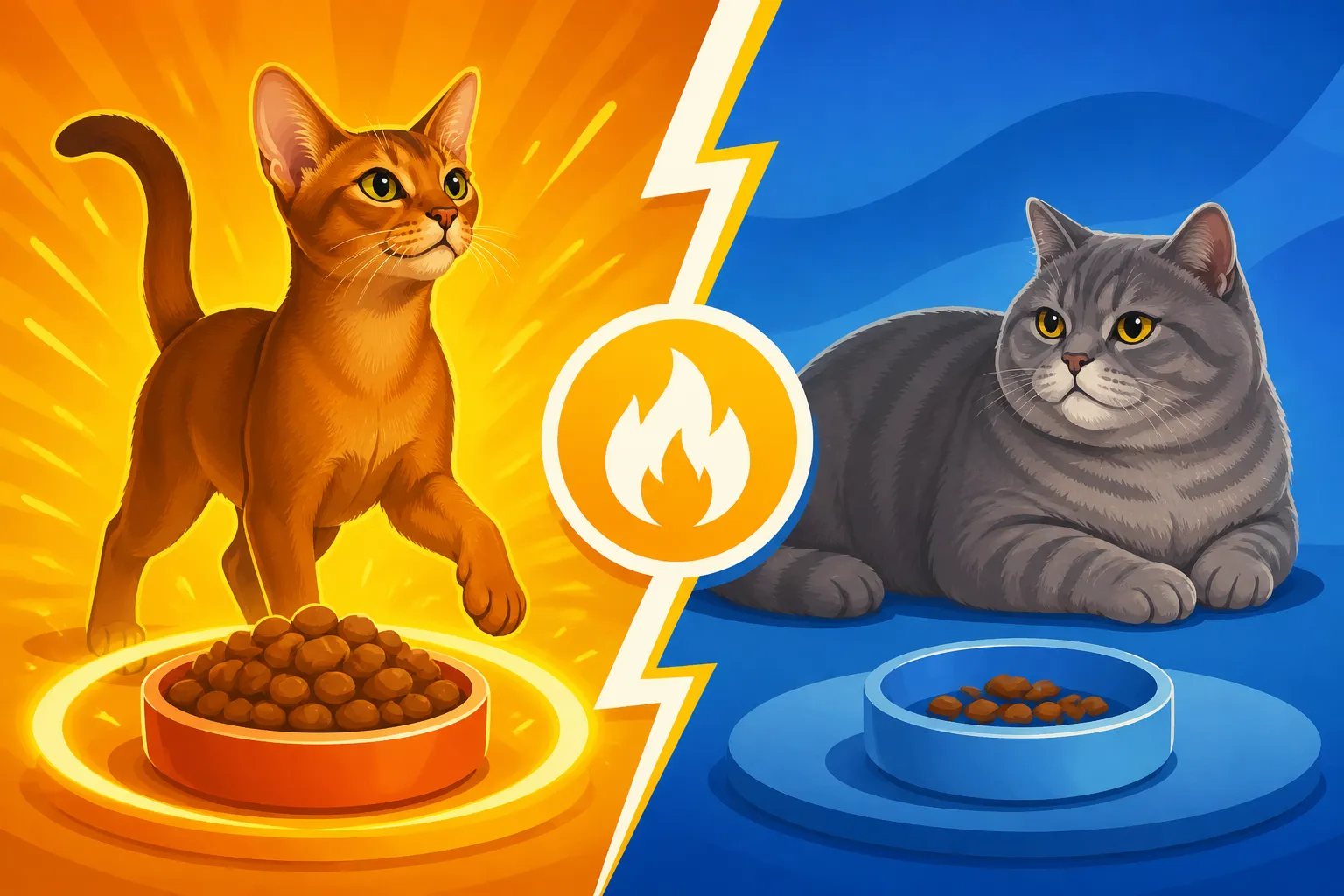
Imagine trying to keep up with a toddler who never stops running, climbing, and exploring – that's often the Abyssinian experience! This high level of sustained activity means their metabolic rate is naturally higher. Their bodies are constantly working to fuel those muscles, process information from their environment, and maintain their core temperature. A larger cat might weigh more, but if it spends most of its day napping, its actual energy expenditure can be significantly lower than a busy Abyssinian. It’s like comparing a high-performance sports car to a large, comfortable SUV – one might be heavier, but the other uses a lot more fuel to operate at its peak. This is why Why an Abyssinian Eats More Than a Bigger Cat is a common topic among Aby owners.
Lean, Muscular Build vs. Bulkier Breeds
Take a moment to observe your Abyssinian's physique. They are the epitome of feline athleticism: sleek, lithe, and powerfully muscular. Their bodies are built for agility and speed, not for carrying extra bulk. This lean muscle mass is another key factor in their elevated calorie requirements. Muscle tissue is metabolically much more active than fat tissue. It requires more energy to maintain, even at rest. So, while a Maine Coon might have more overall body mass, a significant portion of that could be larger bones and a luxurious coat, or even some extra fat, which doesn't demand as much energy to maintain as an Abyssinian's dense, hard muscle.
Your Abyssinian's body is a finely tuned engine, constantly burning fuel to keep its systems running optimally. They don't have the heavy bone structure or thick undercoat of some breeds that might contribute to their weight but not necessarily their energy burn. This means that proportionally, their calorie expenditure for basic bodily functions and activity is higher relative to their size. It’s a common mistake to assume that a smaller cat needs less food simply because they are smaller. For an Abyssinian, their efficiency and high metabolic rate mean they need a consistent, high-quality fuel source to maintain that incredible lean physique and boundless energy. How to Read an Abyssinian's Body Condition Through That Coat is an essential skill for any Aby owner.
Fueling the Fire: Tailoring Nutrition to Their Energy
Given their high energy levels and lean muscle mass, feeding an Abyssinian isn't just about putting food in a bowl; it's about providing the right kind of fuel. This means a focus on quality ingredients that support their demanding lifestyle.
The Importance of High-Quality Protein and Fat
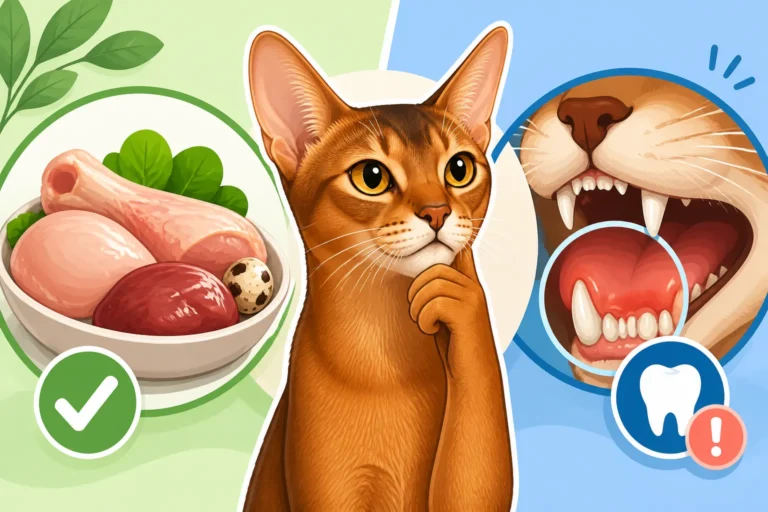
For a cat as active and muscular as an Abyssinian, protein isn't just important; it's paramount. Protein is the building block for muscles, and a high-quality, animal-based protein source is crucial for maintaining their athletic physique and supporting their high metabolism. Think about it: they're constantly engaging those muscles, whether they're pouncing, climbing, or stretching. Without adequate protein, their bodies can't repair and build muscle tissue effectively, which can lead to muscle loss and a decline in their overall health and energy. Many premium cat foods, often found on platforms like Chewy or Amazon, focus on high protein content. Fresh food formulations that prioritize quality meat sources can also be excellent for an Aby.
Healthy fats are also essential, not just for a shiny coat, but as a concentrated source of energy. They provide the sustained fuel an Abyssinian needs to keep going throughout their active day. Look for foods with good sources of omega-3 and omega-6 fatty acids. The key is balance: enough fat for energy, but not so much that it leads to weight gain, which is rare in an active Aby but still possible if their diet is too calorie-dense without adequate activity. Knowing Which Protein Level Keeps an Abyssinian's Muscle On is key to their dietary success.
Avoiding Undereating and Maintaining Weight
One of the biggest pitfalls for Abyssinian owners, especially those new to the breed, is unintentionally underfeeding them. Because they are naturally slender, you might mistake their healthy leanness for being too thin, and then mistakenly try to reduce their food intake. In reality, their high metabolism often means they need surprisingly generous portions for their body weight. If an Abyssinian is consistently underfed, you might notice a drop in their energy, a dulling of their coat, or even behavioral changes like lethargy or excessive sleeping – which is very out of character for the breed. Why an Abyssinian's Weight Loss Is Never Minor is a serious warning sign that needs immediate veterinary attention.
It's vital to monitor your Abyssinian's body condition regularly. You should be able to feel their ribs easily, but not see them protruding. They should have a defined waist when viewed from above, and their belly should tuck up slightly when viewed from the side. If you're unsure, your vet can help you assess their body condition score. Many Abyssinian breeders and experienced owners recommend feeding multiple small meals throughout the day to keep their energy levels stable and their busy minds engaged, rather than one or two large meals. This often mirrors their natural instinct to graze and hunt in small bursts. This is also important because How Much Water an Abyssinian's Amyloid Risk Demands is quite high, and wet food can help meet both needs.
Lifestyle Factors That Influence Calorie Needs
Beyond just their inherent breed characteristics, the way an Abyssinian lives their life profoundly impacts how many calories they need. Their environment and daily routine play a massive role in their energy expenditure.
Environmental Enrichment and Playtime
An Abyssinian thrives on mental and physical stimulation. They are not content to simply observe; they want to participate in everything! If your Aby has a rich, stimulating environment with plenty of opportunities to climb, explore, and play, they will naturally burn more calories. This includes vertical space like tall cat trees or wall-mounted shelves, which satisfy their instinct to perch and survey their domain from on high. An Abyssinian Needs Height More Than It Needs Floor is a mantra for Aby owners. Interactive toys, regular play sessions with you, and even puzzle feeders all contribute to their daily calorie burn.
Think of it this way: an Abyssinian living in a dull, unstimulating environment will likely be less active, and therefore have lower calorie needs. But that's not a healthy or happy Aby. They need to express their natural behaviors. Structured play sessions, perhaps 10-15 minutes several times a day, can make a huge difference. These sessions aren't just for fun; they're essential exercise. How to Split an Abyssinian's Play Into Sessions can help you integrate this into your routine. Consider toys from Chewy or Amazon that encourage chasing and pouncing, or even interactive feeders that make them "work" for their food, adding mental stimulation to their physical activity. An Abyssinian that is truly engaged will be a fitter, healthier cat, and that means they’ll be burning more calories.
Age, Health, and Other Considerations
Just like humans, an Abyssinian's calorie needs will fluctuate throughout their life and based on their health status. A rapidly growing Abyssinian kitten, for example, will have incredibly high calorie and nutrient demands to support their development and boundless energy. They're like tiny, super-charged sponges, needing constant fuel for growth and play. What an Abyssinian Kitten Should Eat in Its First Year is crucial for setting them up for a healthy life.
Conversely, as an Abyssinian enters their senior years, typically around 10-12 years old, their metabolism may slow down, and their activity levels might decrease. While they'll still retain some of their playful spirit, those marathon sprints and gravity-defying leaps might become less frequent. At this stage, it's important to adjust their caloric intake to prevent unhealthy weight gain, which can put strain on their joints and organs. How to Adjust an Old Abyssinian's Food carefully, often with the guidance of your veterinarian, is vital. Certain health conditions, such as hyperthyroidism (which can paradoxically increase calorie needs despite weight loss) or kidney disease (which might require a specialized diet with specific protein and phosphorus levels), will also necessitate significant dietary adjustments. Always consult with your vet when considering major changes to your Abyssinian's diet, especially if health concerns are present.
Comparative Calorie Needs (General Guideline)
To help illustrate the point, here's a general comparison of factors influencing calorie needs, without specific numbers, as these vary widely based on individual cat, age, and activity level.
| Factor | Abyssinian (High Activity) | Heavier/Sedentary Cat (Lower Activity) |
|---|---|---|
| Metabolic Rate | Higher (due to constant activity, lean muscle) | Lower (less activity, possibly more fat tissue) |
| Activity Level | Extremely high; frequent running, jumping, climbing | Moderate to low; long naps, less intense play |
| Body Composition | Lean, muscular, athletic | Often heavier-boned, larger frame, or prone to fat |
| Typical Daily Burn | High energy expenditure for movement and thought | Lower energy expenditure, basic maintenance |
| Food Quality Needed | High-protein, nutrient-dense to sustain energy | Can tolerate slightly less dense food, still needs quality |
| Weight Monitoring | Watch for being underweight despite eating a lot | Watch for overweight due to lower activity |
Ultimately, understanding that your Abyssinian is a finely tuned athlete, a cat that moves with purpose and rarely slows down, is key to appreciating their unique dietary needs. They may be smaller in stature than some other breeds, but their vibrant spirit and boundless energy demand a diet that can keep up with their incredible pace.
Disclaimer
This article is for general informational purposes only and does not constitute professional advice. Laws, prices and regulations vary by location and change over time. Consult a qualified professional for guidance on your specific situation.