Why Taurine Matters in an Abyssinian’s Food
It's incredibly easy for us Abyssinian parents to focus on all the visible aspects of their care – that gorgeous ticked coat, their boundless energy, or their insistent demands for attention. But what about the things we can't see, like what's actually in their food? Overlooking a crucial nutrient like taurine can have devastating, yet preventable, consequences for your lively Abyssinian. This guide is all about shining a spotlight on why taurine isn't just a fancy word on a label but an absolute cornerstone of your Abyssinian's health and happiness, helping you understand its vital role and how to ensure your energetic companion gets every bit they need.
What Exactly Is Taurine and Why Is It Non-Negotiable for Cats?
When we talk about the nutritional needs of our beloved Abyssinians, taurine often comes up, and for good reason. It’s not just another ingredient; it’s a non-negotiable, essential nutrient that our feline friends simply cannot live without. And for a high-energy, constantly-on-the-go breed like the Abyssinian, ensuring adequate intake is paramount to their long-term well-being.
The Essential Amino Acid Distinction
You might hear "amino acid" and think of building blocks for protein, which is true! But taurine is a little different. Unlike many other amino acids that cats (and humans, and dogs) can synthesize from precursors in their body, cats have a very limited ability to produce taurine internally. This is largely due to their unique metabolic pathways, which are finely tuned for a carnivorous diet. Think of it this way: their bodies evolved expecting a consistent supply of taurine from the meat they ate, so they never really developed the robust internal manufacturing plant that omnivores or herbivores possess.
What this means in plain English is that if your Abyssinian doesn't get enough taurine from their diet, their body stores will quickly deplete. We're not talking about a slow decline over years; a deficiency can develop much faster than many owners realize, especially if they’re feeding a diet not specifically formulated for cats. A dog might be fine on a diet that is low in taurine because their body can make it, but a cat will suffer. This is why you absolutely must feed cat-specific food to your Abyssinian and never, ever substitute it with dog food. Their very survival literally depends on it.
How Taurine Impacts the Abyssinian's Body
Taurine is like the unsung hero working behind the scenes in your Abyssinian's body, contributing to a surprisingly wide array of critical functions. Given their active nature and propensity for jumping and climbing, Abyssinians put their hearts, eyes, and bodies through a lot, making taurine even more important.
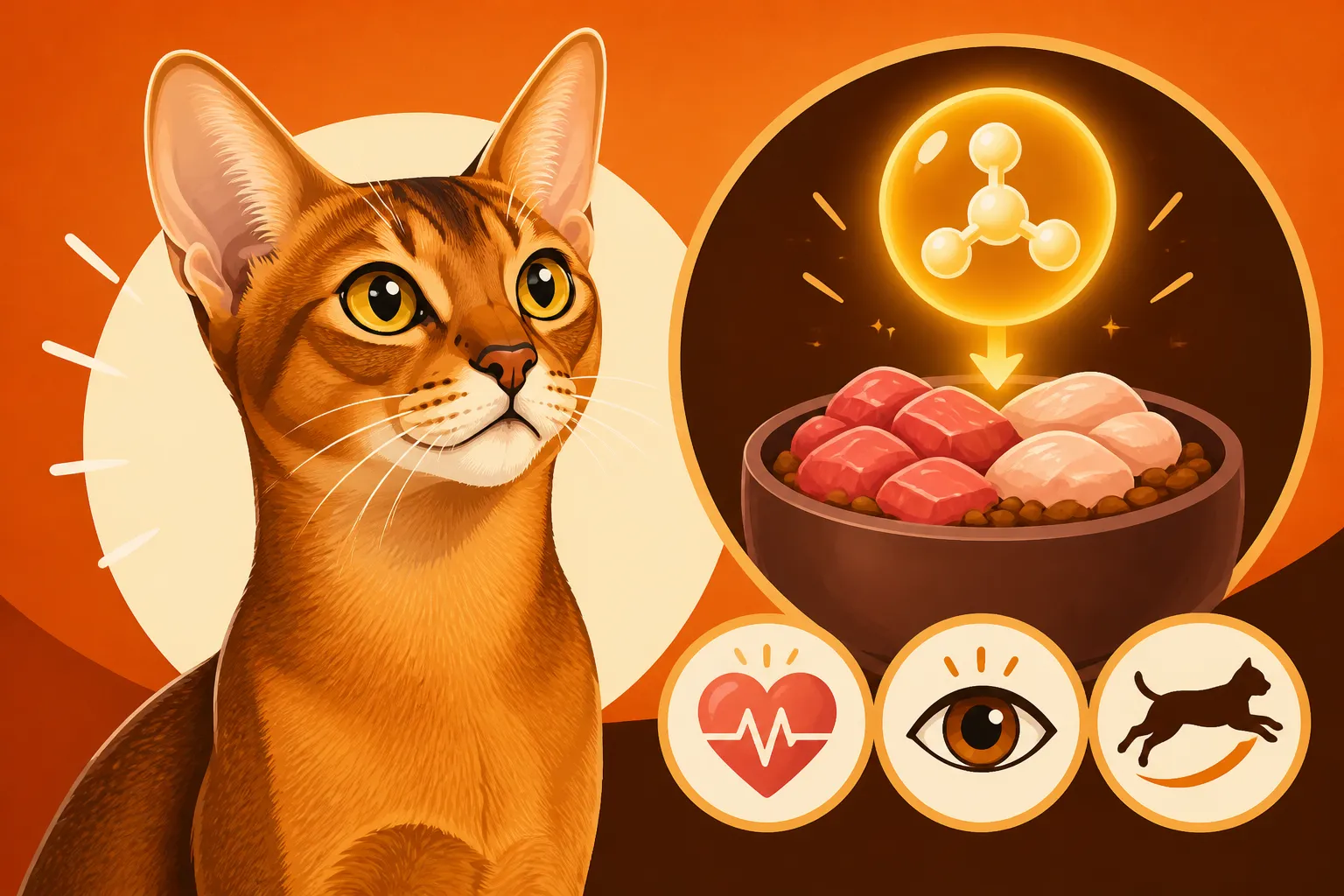
First and foremost, taurine is crucial for heart health. It plays a key role in the normal function of the heart muscle, helping it contract efficiently and maintain rhythm. Without it, the heart can weaken over time, leading to serious and often irreversible conditions. Secondly, it's vital for vision. Taurine is concentrated in the retina of the eye, where it's essential for the proper development and function of photoreceptor cells. A deficiency can lead to irreversible retinal degeneration, effectively blinding your cat.
Beyond these two major areas, taurine also supports the digestive system by aiding in the formation of bile salts, which are necessary for the proper digestion of fats. It plays a part in the immune system, helping your Abyssinian fend off illnesses. It’s involved in the nervous system and even reproductive health, ensuring healthy pregnancies and proper development in kittens. For such a small molecule, it truly wears many hats, making its consistent presence in your Abyssinian's diet absolutely fundamental for their overall health and vitality.
The Dire Consequences of Taurine Deficiency in Abyssinians
It’s one thing to understand that taurine is important, but it’s another to grasp the severe, often heartbreaking, consequences of a deficiency. For an Abyssinian, a breed known for its boundless energy and keen senses, the impact can be particularly noticeable and devastating. These aren't just minor health hiccups; they are life-altering conditions that can significantly reduce their quality of life and lifespan.
Heart Health: Dilated Cardiomyopathy (DCM)
Perhaps the most well-known and feared consequence of taurine deficiency in cats is Dilated Cardiomyopathy, or DCM. Imagine your Abyssinian, usually a blur of motion, suddenly slowing down. They might be less enthusiastic about their favorite wand toy, or they might seem unusually tired after a short play session. Why a Lethargic Abyssinian Needs Blood Work Fast This isn't just them "calming down"; it could be a sign of a serious heart problem.
DCM causes the heart muscle to become thin and weak, making it unable to pump blood effectively throughout the body. The heart chambers enlarge, and the poor blood flow leads to a host of other issues, including fluid accumulation in the lungs (congestive heart failure), difficulty breathing, and even sudden collapse. In the past, DCM was a leading cause of death in cats, until the critical link to taurine deficiency was discovered. The good news is that if caught early enough, DCM caused by taurine deficiency is often reversible with appropriate dietary supplementation and veterinary care. You might see your once-vibrant Abyssinian struggle to climb their favorite cat tree, becoming winded easily – a stark contrast to their usual athletic prowess. Recognizing these subtle shifts and addressing them immediately with your vet is paramount.
Eye Health: Feline Central Retinal Degeneration (FCRD)
Another severe and irreversible outcome of insufficient taurine is Feline Central Retinal Degeneration (FCRD). This condition specifically affects the retina, the light-sensitive tissue at the back of the eye. Taurine is crucial for the health and function of the photoreceptor cells in the retina. When taurine is lacking, these cells begin to degenerate and die.
The progression of FCRD is often insidious. You might first notice your Abyssinian, typically so agile and aware of their surroundings, bumping into furniture or seeming hesitant in dimly lit rooms. Perhaps they're misjudging jumps that were once effortless, or they hesitate before going down stairs. What an Abyssinian Does First as Its Sight Goes As the condition advances, their vision deteriorates further, eventually leading to permanent blindness. Unfortunately, unlike DCM, retinal damage from taurine deficiency is generally not reversible. Once the cells are gone, they're gone for good. This makes preventive care through a taurine-rich diet incredibly vital to preserve your Abyssinian’s precious sight and ensure they can continue to navigate their world with confidence and joy.
Other Critical Roles: Digestion and Reproduction
While heart and eye issues are the most dramatic illustrations of taurine deficiency, this essential amino acid also plays quieter, yet equally important, roles in other bodily functions. A shortfall can ripple through your Abyssinian’s entire system, leading to a general decline in health that might be harder to pinpoint.
For instance, taurine is a key component of bile salts, which are produced in the liver and stored in the gallbladder. These bile salts are released into the small intestine to help emulsify and digest dietary fats. Without adequate taurine, fat digestion can become inefficient, potentially leading to nutrient malabsorption and digestive upset. You might notice a duller coat, or weight loss even if your Abyssinian is eating, because they aren't properly absorbing the nutrients from their food. Why a Lean Abyssinian Hides Illness Longer Than a Heavy Cat
Furthermore, for breeding Abyssinians, taurine deficiency can severely impact reproductive success. Queens may experience reduced fertility, reabsorption of fetuses, or give birth to small, weak kittens who often fail to thrive. These kittens might exhibit developmental abnormalities or have a higher mortality rate. Taurine also contributes to immune system function, meaning a deficient Abyssinian could be more susceptible to infections and illnesses. It’s a foundational nutrient that supports robust health from head to tail, and its absence can truly undermine an Abyssinian's overall resilience.
Ensuring Your Abyssinian Gets Enough Taurine
Knowing how crucial taurine is, the next logical step is to understand how to guarantee your Abyssinian receives an ample supply. It’s not about guessing; it’s about making informed choices about their diet and, when necessary, discussing supplementation with your veterinarian. The good news is that for most commercially prepared, reputable cat foods, ensuring adequate taurine is quite straightforward.
The Best Dietary Sources
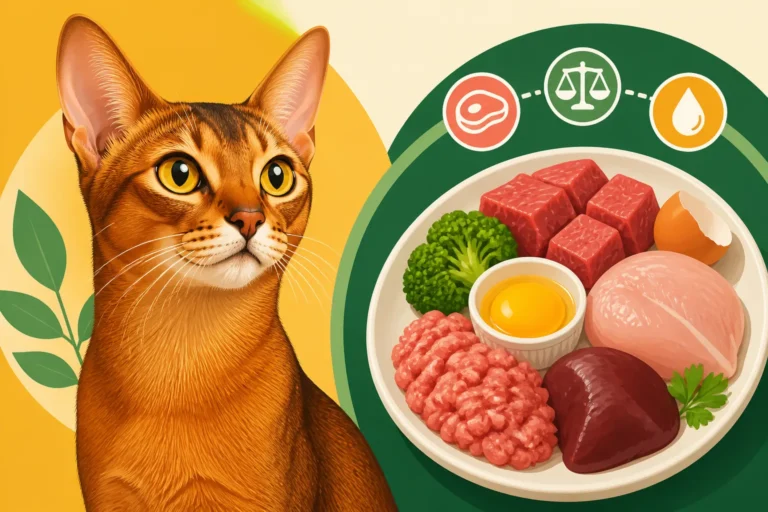
Since cats are obligate carnivores, their natural diet in the wild consists almost entirely of animal protein. This is key because taurine is found almost exclusively in animal tissues, particularly in muscle meat and organ meats like heart and liver. Unlike many vitamins that can be plentiful in fruits and vegetables, plant-based proteins are practically devoid of taurine. This is why you should never, under any circumstances, attempt to feed your Abyssinian a vegetarian or vegan diet. It's simply not compatible with their biological needs and will lead to severe health problems.
When choosing commercial cat food, always opt for varieties that list a high-quality animal protein as the first ingredient. Think chicken, turkey, beef, lamb, or fish. These are naturally rich in taurine. Wet foods, in particular, often retain more natural taurine during processing compared to some kibble, and they offer the added benefit of increased hydration, which is great for kidney health. Why Wet Food Protects an Abyssinian's Kidneys
Some newer fresh food diets focus on minimally processed, human-grade ingredients rich in real meat, which can be an excellent way to ensure high taurine intake. Always read the ingredient list carefully and look for explicitly stated taurine content or a guarantee that the food is “complete and balanced” according to AAFCO (Association of American Feed Control Officials) standards, which include specific taurine requirements for feline diets.
Understanding Food Labels and Supplementation
Navigating the pet food aisle can be overwhelming, but understanding how to read a label for taurine is vital. When a cat food proudly displays the AAFCO statement "Formulated to meet the nutritional levels established by the AAFCO Cat Food Nutrient Profiles for [life stage]," you can generally rest assured that it contains adequate taurine for that specific life stage (e.g., adult maintenance or growth and reproduction). However, for owners who prefer to delve deeper, some brands will list the specific taurine content in their nutritional analysis, often as a percentage or mg/kg.
For the most part, if you are feeding a high-quality, commercially prepared cat food that meets AAFCO standards, additional taurine supplementation isn't usually necessary. The food should already contain sufficient amounts. However, there are exceptions. If your Abyssinian has specific health issues, is on a prescription diet, or if you're feeding a home-prepared diet (which we strongly advise against unless formulated by a board-certified veterinary nutritionist), your vet might recommend supplementation. Taurine supplements are readily available from online retailers like Chewy or Amazon, but always consult your veterinarian before adding any supplements to your cat’s diet. They can advise on the correct dosage and ensure it's truly necessary. Remember, more isn't always better, though taurine has a wide margin of safety.
Here's a quick guide to what to look for:
| Food Type | Taurine Content (General) | Notes |
|---|---|---|
| High-Quality Wet Cat Food | Excellent | Often best for hydration; check for AAFCO statement. |
| High-Quality Dry Cat Food | Good | Must be AAFCO compliant; some processing can degrade taurine. |
| Raw Meat (unsupplemented) | Variable | Can be good, but requires careful balancing and supplementation for other nutrients. |
| Home-Cooked (unbalanced) | Poor | HIGH RISK of deficiency without expert formulation. |
| Dog Food | Insufficient | Never feed to cats! Leads to severe deficiency. |
| Plant-Based Foods | None | Biologically inappropriate for cats. |
Avoiding Common Pitfalls
The biggest mistake an Abyssinian owner can make regarding taurine is feeding dog food to their cat. Dog food is not formulated to meet a cat's unique nutritional needs and is notoriously low in taurine. This is a fast track to severe, life-threatening deficiencies. Another common pitfall is attempting a homemade diet without professional guidance. While the idea of fresh, natural food sounds appealing, balancing a cat's diet, especially for essential nutrients like taurine, is incredibly complex. Simply feeding raw chicken breast isn't enough; it requires precise ratios of various meats, organs, and supplements, and any deviation can lead to serious imbalances. How to Balance a Raw Diet for an Abyssinian
Always stick to reputable commercial cat foods that are complete and balanced. Be wary of fad diets or brands that make unsubstantiated claims without AAFCO certification. Consistency in diet is also important. While a sudden food change can be necessary, frequent, unmonitored changes can sometimes lead to dietary imbalances. Why an Abyssinian Refuses a Sudden Food Change If you're switching foods, do it gradually and monitor your Abyssinian's health closely. Your Abyssinian's boundless energy and agile movements rely on a meticulously balanced diet, with taurine playing a starring role.
What to Do If You Suspect Taurine Deficiency
Even with the best intentions and careful feeding, sometimes concerns arise. Perhaps you've adopted an Abyssinian with an unknown history, or you're simply vigilant about their health. Knowing what signs to look for and how to react if you suspect a taurine deficiency is critical for giving your cat the best chance at recovery.
Recognizing the Signs
Recognizing the subtle cues your Abyssinian gives when something is amiss is a valuable skill for any cat owner. For taurine deficiency, the symptoms often manifest first in the areas where taurine is most active: the heart and eyes.
- Lethargy and Weakness: Your usually energetic Abyssinian might seem less playful, sleep more, or become easily winded after minimal activity. They might be reluctant to jump or climb to their usual high perches. This is a significant red flag for potential heart issues. What a Quiet Abyssinian Is Telling You
- Difficulty Breathing: Shortness of breath, rapid breathing, or panting (which is uncommon for cats unless very stressed or overheated) can indicate fluid buildup in the lungs due to heart failure.
- Vision Problems: You might notice your Abyssinian bumping into objects, especially in dim lighting, or hesitating when navigating familiar spaces. Their pupils might appear dilated, and they might seem generally disoriented. This can progress to complete blindness.
- Poor Coat Condition: A dull, dry, or unhealthy-looking coat, even with regular grooming, can sometimes indicate underlying nutritional deficiencies or other health issues affecting nutrient absorption.
- Lack of Appetite or Weight Loss: While not exclusive to taurine deficiency, a decrease in appetite or unexplained weight loss, despite a seemingly adequate diet, is always cause for concern.
If you observe any of these signs, especially a combination of them, do not wait. Early detection and intervention are paramount, particularly for heart conditions that can worsen rapidly.
The Veterinary Approach
If you suspect taurine deficiency, your first and most important step is an immediate visit to your veterinarian. Do not try to self-diagnose or self-treat with supplements, as other conditions can mimic these symptoms.
Your vet will conduct a thorough physical examination, which will likely include listening to your Abyssinian's heart and lungs. They may recommend diagnostic tests such as:
- Blood Tests: A comprehensive blood panel can check for overall health, organ function, and sometimes, specific taurine levels. Although measuring taurine levels isn't always straightforward or readily available in all clinics, it can provide valuable information.
- Echocardiogram: If heart disease is suspected, an echocardiogram (an ultrasound of the heart) is the gold standard for diagnosing DCM. It allows the vet to visualize the heart's chambers, walls, and function.
- Ophthalmic Exam: If vision problems are present, a veterinary ophthalmologist may perform a detailed eye exam to assess the retina for signs of degeneration.
Based on the diagnosis, your vet will formulate a treatment plan. If taurine deficiency is confirmed as the cause of DCM, the primary treatment involves dietary changes to a high-quality, taurine-rich commercial cat food, and often, high-dose taurine supplementation. Many cats with taurine-responsive DCM show remarkable improvement, with the heart muscle often returning to near-normal function over several months. For FCRD, while the vision loss is irreversible, ensuring adequate taurine intake will prevent further progression of the retinal damage.
Follow-up visits and monitoring will be crucial to track your Abyssinian's progress and adjust their treatment plan as needed. While the journey through a deficiency can be worrying, proactive care and working closely with your vet can make all the difference in restoring your Abyssinian's health and helping them live their fullest, most vibrant life.
Disclaimer
This article is for general informational purposes only and does not constitute professional advice. Laws, prices and regulations vary by location and change over time. Consult a qualified professional for guidance on your specific situation.