What an Abyssinian Should Weigh at One
It's incredibly common for Abyssinian owners, especially those with their first Aby, to fret over their cat's weight as they approach their first birthday. These cats are naturally lean and bursting with energy, which can make you wonder if they're actually getting enough to eat or if that slender frame is truly healthy. This guide is here to reassure you and help you understand what a healthy one-year-old Abyssinian should look like, how to properly assess their condition, and when to seek veterinary advice.
Understanding the Abyssinian's Unique Physique at One Year
When you bring home an Abyssinian kitten, they’re a whirlwind of soft fur and boundless energy. By the time they hit that one-year mark, they've transformed into a sleek, athletic cat, but their growth isn't always linear, and their build is distinct from many other breeds. It’s easy to look at their slender bodies and worry, especially if you’re used to chunkier, more sedentary cats.
The Lean, Athletic Build of a Young Abyssinian
Abyssinians are not built like your average domestic shorthair. They possess what's often described as a "foreign" body type – elegant, graceful, and incredibly muscular without being bulky. At one year old, most Abyssinians are pretty much at their adult height and length, but they might still be filling out ever so slightly. Think of them like a finely tuned athlete, rather than a powerhouse. Their bones are delicate, their musculature is long and lean, and they carry very little excess fat. This is their natural state, not a sign of malnourishment.
Many new Aby owners are surprised by how lithe their cats remain, even after a year of diligent feeding. This breed retains a youthful, agile appearance well into adulthood, and their metabolism is often high. They might not look like the robust, stocky cats you see lounging around, and that’s perfectly normal. It's important to adjust your mental image of what a "healthy" cat should look like when you have an Abyssinian. The Abyssinian Is the Busiest Cat in the House for a reason, and their body reflects that active lifestyle.
Why Their Energy Levels Impact Weight
If you've spent any time with a one-year-old Abyssinian, you know they're practically in perpetual motion. They climb, they jump, they chase, they explore – often with an intensity that leaves other cat breeds in their dust. This incredible activity level means they're constantly burning calories. Unlike a cat that spends most of its day napping, an Abyssinian is usually up and about, exploring every nook and cranny of your home, engaging in play, or simply shadowing your every move. How Many Calories an Adult Abyssinian Burns is often significantly higher than a less active breed.
This high metabolism and constant expenditure of energy contribute directly to their lean physique. They need a diet that supports this lifestyle, rich in protein and good fats, to fuel their adventures and maintain their muscle mass. If their caloric intake isn't matched to their output, they can quickly become underweight. It's a delicate balance, and sometimes it feels like you're constantly refilling their bowl, only for them to remain incredibly svelte. This isn't necessarily a bad thing, as long as they're otherwise healthy and maintaining condition.
Typical Weight Range for a One-Year-Old Abyssinian
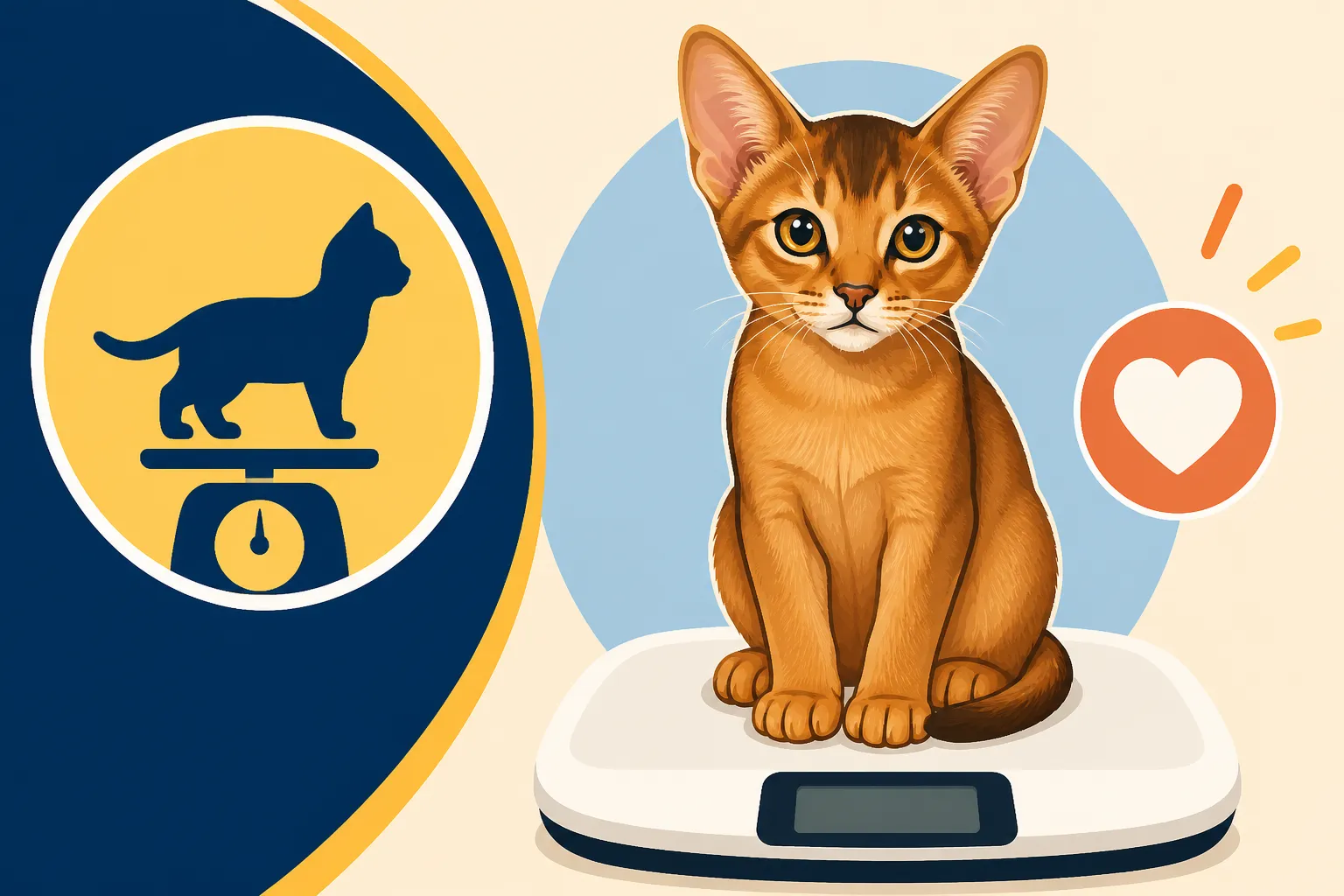
While every cat is an individual, there are general guidelines for what a healthy one-year-old Abyssinian might weigh. Typically, male Abyssinians tend to be a bit larger and heavier than females. A healthy male Abyssinian at one year old might weigh anywhere from 8 to 12 pounds, while a female could range from 6 to 9 pounds. These are averages, of course, and there can be healthy Abyssinians that fall slightly outside these ranges.
It’s crucial not to fixate too much on the exact number on the scale, but rather to use it as one data point among many. A lanky, tall male Abyssinian might weigh 11 pounds and be perfectly healthy, while a more compact male of the same weight could be verging on overweight. The number itself tells you very little without considering their overall body structure and condition. This is why understanding How Much an Abyssinian Should Weigh at Its Frame is more important than a static number.
How to Assess Your Abyssinian's Body Condition, Not Just the Scale
Looking at a cat's weight purely as a number can be misleading, especially with a breed as uniquely built as the Abyssinian. What matters far more than the digits on your bathroom scale is your cat's overall body condition. This involves a combination of visual assessment and tactile examination, giving you a much clearer picture of their health.
The Importance of Body Condition Scoring
Body Condition Scoring (BCS) is a universally recognized system that vets use, and it's something you can learn to do at home too. Instead of just weighing your cat, BCS involves feeling their ribs, spine, and hip bones, as well as observing their waistline and abdominal tuck. Most systems use a scale of 1 to 9, where 1 is emaciated, 5 is ideal, and 9 is obese. For an Abyssinian, who is naturally lean, you might find that a healthy individual looks slightly leaner than what you'd expect from a "perfect 5" on a chart designed for more typical domestic cats.
Learning to properly assess your Aby's BCS is perhaps the most valuable tool you have in monitoring their weight and health. It allows you to track subtle changes over time and to interpret their weight in the context of their breed characteristics. Since Why a Lean Abyssinian Hides Illness Longer Than a Heavy Cat, being able to spot changes in their lean physique is even more critical.
Feeling for Ribs and Waistline
When assessing your Abyssinian, don't be afraid to get hands-on. Gently run your fingers along their sides. You should be able to feel their ribs easily, like feeling the knuckles on your hand, but they shouldn't be sharply prominent or poking out. There should be a thin layer of muscle and fat covering them. If you can't feel the ribs without pressing firmly, your Aby might be carrying too much weight. Conversely, if the ribs feel very sharp and distinct, with no padding, your cat might be underweight. How to Feel an Abyssinian's Ribs Under a Ticked Coat is a skill every Aby owner should master.
Next, look at your Aby from above while they are standing. You should see a distinct "waist" where their body narrows in front of their hips. When viewed from the side, they should have an "abdominal tuck" – meaning their belly should tuck up slightly rather than hanging low or straight. Remember, Abyssinians are built for speed and agility, and their body shape should reflect that. This is crucial for their overall health, as Why an Abyssinian Should Never Be Allowed to Get Heavy can impact their active lifestyle and joint health.
Here’s a simplified table to help you with body condition scoring for your lean Aby:
| BCS Score (Approx.) | Description | Ribs (Tactile) | Waist/Tuck (Visual) | Overall Impression |
|---|---|---|---|---|
| 1-2 (Underweight) | Emaciated/Very Thin | Ribs, spine, hip bones very prominent, no fat. | Severe abdominal tuck, prominent waist. | Bony, no muscle mass, little energy. |
| 3-4 (Lean/Ideal) | Ideal/Slightly Thin | Ribs easily felt, slight fat cover. | Distinct waist, clear abdominal tuck. | Lean, athletic, energetic, sleek coat. |
| 5 (Ideal) | Ideal | Ribs easily felt, thin fat cover. | Well-proportioned waist, visible abdominal tuck. | Well-muscled, active, healthy appearance. |
| 6-7 (Overweight) | Overweight | Ribs felt with moderate pressure, slight fat. | Waist less distinct, minimal abdominal tuck. | Rounder, less agile, some fat padding. |
| 8-9 (Obese) | Obese | Ribs difficult to feel, significant fat. | No waist, rounded abdomen, broad back. | Rounded, heavy, lack of definition, potentially sluggish. |
Note: For Abyssinians, a score of 3-4 often looks "ideal" due to their naturally lean build.
Visual Cues: What a Healthy One-Year-Old Abyssinian Looks Like
Beyond touching, there are many visual cues that indicate a healthy Abyssinian at one year old. Their coat, for example, should be sleek, shiny, and lie close to their body, reflecting their exceptional health and good nutrition. Their eyes should be bright and clear, and they should be alert and engaged with their surroundings. A healthy Aby is curious, playful, and responsive.
Their energy levels are perhaps the most telling visual cue. A one-year-old Abyssinian should still be a bundle of energy, racing around the house, climbing to the highest vantage points, and initiating play. If your cat is lethargic, withdrawn, or seems to have lost their characteristic zest for life, it's a red flag, regardless of what the scale says. A truly healthy Abyssinian is a vibrant, active companion.
Factors Influencing a One-Year-Old Abyssinian's Weight
While a general weight range exists, several factors contribute to an individual Abyssinian's specific weight and body condition at one year old. Understanding these can help you manage your cat's health and interpret what you see.
Genetics and Lineage
Just like people, cats inherit traits from their parents, and this includes their natural size and build. Some Abyssinian lines are naturally a bit larger and more robust, while others are finer-boned and more delicate. A cat from a lineage of smaller females might naturally mature at the lower end of the weight spectrum and still be perfectly healthy. This is why it’s so helpful to see the parents of your kitten, if possible, or at least ask your breeder about the typical adult size of their cats.
Knowing your cat's genetic background can provide valuable context for their development. If both parents were lean but healthy, it's highly likely your one-year-old will also be lean and healthy, even if they don't seem to "bulk up" as much as you might expect from other breeds. Discussing the typical mature weight with your breeder can offer reassurance and specific insights into what to expect from your particular cat.
Nutrition and Feeding Habits
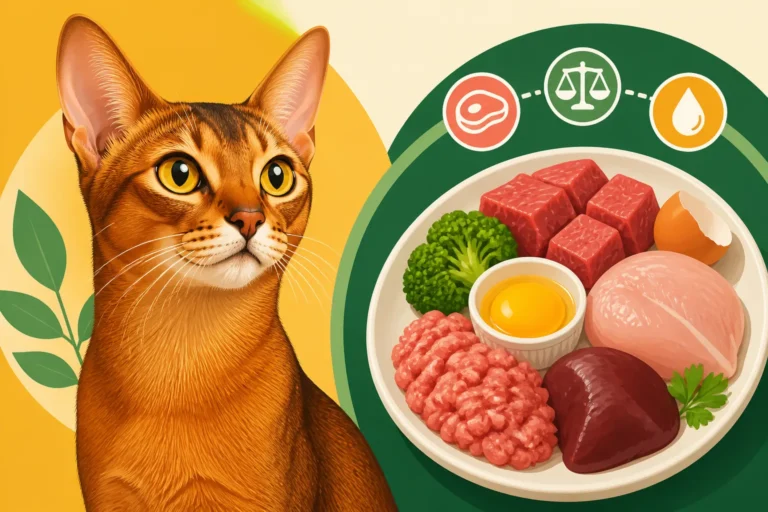
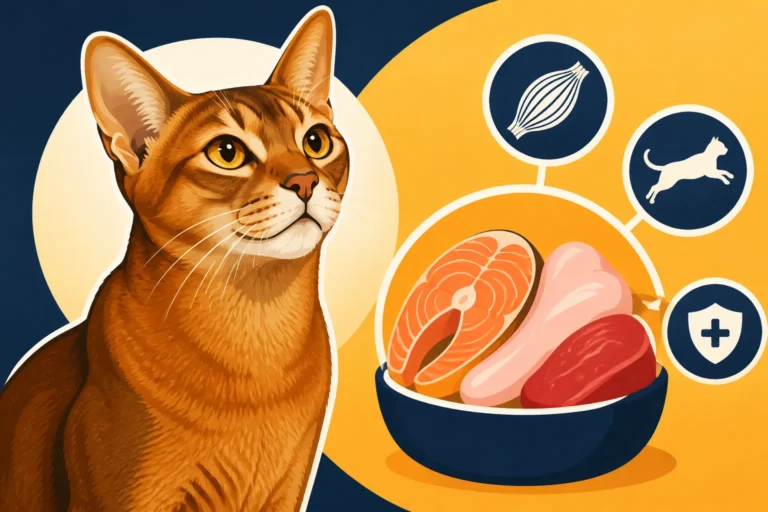
The quality and quantity of food your Abyssinian consumes are paramount to their development. A one-year-old Aby still has high energy requirements and needs a diet rich in high-quality animal protein to support their muscle mass and activity levels. Cheap fillers and low-quality ingredients just won't cut it for these athletic cats. Premium cat foods, including fresh, human-grade meal options tailored to a cat's needs, can be fantastic for maintaining ideal weight and condition. Which Protein Level Keeps an Abyssinian's Muscle On is a critical question for any Aby owner.
Feeding frequency also plays a role. Abyssinians tend to do well with multiple small meals throughout the day, rather than one or two large ones, to keep their energy levels stable and prevent them from gorging. Puzzle feeders can be a great way to slow down eating and provide mental enrichment. You can find many options on Amazon that challenge their minds while they eat. If your Aby is a very fast eater, or if they tend to graze, these tools can help ensure they're digesting properly and not over or under-eating. How to Portion an Abyssinian Across Three Sittings can be a useful strategy.
Activity Levels and Enrichment
We've touched on it already, but an Abyssinian's activity level isn't just a part of their personality; it's a major factor in their weight. These cats need consistent mental and physical stimulation to thrive. If they're not getting enough exercise, they can become bored, which can lead to destructive behaviors or, paradoxically, a decrease in their natural activity, potentially leading to unhealthy weight gain. Providing plenty of vertical climbing spaces, interactive toys, and dedicated play sessions is essential.
Think of it this way: a well-exercised Abyssinian is a happy and healthy Abyssinian. Their lean physique is a result of their constant motion and high metabolism. If you find your one-year-old Aby seems a little less active than usual, it could be a sign that they're not getting enough enrichment, or it could indicate an underlying health issue. Regular play not only burns calories but also keeps their muscles strong and their joints flexible, contributing to their overall healthy appearance. What Twenty Minutes a Day Does for an Abyssinian in terms of their physical and mental well-being.
Spaying/Neutering and Its Weight Implications
Most Abyssinians are spayed or neutered before they reach one year of age. This procedure, while essential for population control and preventing certain health issues, can sometimes lead to changes in metabolism and a tendency towards weight gain. Post-surgery, many cats require a slight adjustment to their diet to prevent them from becoming overweight. This doesn't mean they'll suddenly become chunky, but it does mean their caloric needs might decrease slightly.
It's important to monitor your Aby's weight and body condition closely in the months following their spay or neuter. If you notice them gaining too much weight, a conversation with your vet about adjusting their food intake or switching to a formula designed for neutered cats might be in order. The goal is to maintain that lean, athletic build they were meant to have. How Many Calories a Neutered Abyssinian Needs is a common question, and it's always best to get personalized advice.
When to Be Concerned About Your Abyssinian's Weight
While Abyssinians are known for their robust health and active lifestyles, there are times when changes in their weight or body condition warrant attention. Being proactive can make a significant difference in catching potential issues early.
Sudden Weight Loss or Failure to Gain
Perhaps one of the most concerning signs in a one-year-old Abyssinian is sudden or unexplained weight loss, or a failure to gain weight when they should be. Because they are naturally lean, even a small amount of weight loss can be significant. If your Aby is eating normally, seems active, but is still losing weight or failing to put on condition, it's definitely a reason to visit the vet. Weight loss can be a symptom of various underlying health problems, including dental issues, parasites, digestive problems, or more serious conditions like early-stage kidney disease or hyperthyroidism. Why a Lethargic Abyssinian Needs Blood Work Fast if you suspect a problem.
Even if they seem fine otherwise, don't dismiss consistent weight loss. Abyssinians are incredibly stoic and often hide illness until it's quite advanced. Their high energy can sometimes mask symptoms that would be obvious in a less active cat. If you feel their ribs becoming more prominent, or if their waist tuck becomes exaggerated, it's time for a professional opinion. How Fast an Abyssinian Drops Weight When Ill can sometimes be alarming.
Signs of Being Underweight or Overweight
Being underweight means your Aby isn't getting enough nutrition, either due to insufficient food, a poor quality diet, or an underlying health issue preventing nutrient absorption. Signs include very prominent ribs, spine, and hip bones, little to no muscle mass, a dull or sparse coat, and potentially lethargy or a lack of energy, though some will try to maintain their normal activity despite feeling unwell.
On the other hand, while less common in one-year-old Abyssinians, being overweight can also pose health risks. An overweight Aby might have difficulty feeling their ribs, have no discernible waist, and their abdominal tuck will be absent or even rounded. They might also show a decrease in their usual high energy levels, be less inclined to jump, or seem winded more easily. Why a Heavy Abyssinian Is Unusual and Worth Checking is important, as it can indicate something is amiss in their diet or health. Overweight Abyssinians are at higher risk for conditions like diabetes and joint issues later in life.
The Role of Regular Vet Checks
No matter how diligent you are at home, nothing replaces the expertise of your veterinarian. Regular check-ups are crucial for monitoring your Abyssinian’s health, including their weight and body condition. Your vet can accurately assess their BCS, discuss their diet and activity levels, and perform any necessary tests if they have concerns. For a one-year-old Abyssinian, their first annual check-up is a perfect time to discuss their growth and development.
Your vet can help you understand what's normal for your specific cat, considering their genetics and lifestyle. They can also screen for common breed-specific issues that might impact weight, such as early signs of kidney issues. This is why What an Abyssinian's Annual Checkup Costs is an essential part of responsible ownership. Don't hesitate to voice any concerns you have, no matter how small they seem. Early intervention is always best for your beloved Aby. How Often a Healthy Adult Abyssinian Needs Checking is usually yearly, but your vet might recommend more frequent visits if there are concerns.
Disclaimer
This article is for general informational purposes only and does not constitute professional advice. Laws, prices and regulations vary by location and change over time. Consult a qualified professional for guidance on your specific situation.