How Abyssinian Lifespan Compares to a Siamese’s
When you welcome an Abyssinian into your home, you're not just getting a pet; you're gaining a dynamic, engaging family member whose presence will light up your life for years to come. Naturally, you want to know how long you can expect that vibrant companionship, and it's common to wonder how their lifespan measures up against other beloved breeds, especially a famously long-lived one like the Siamese. This guide will delve into the typical lifespans of both the Abyssinian and the Siamese, explore the factors that contribute to their longevity, and offer practical advice to help your Abyssinian thrive for as long as possible.
Understanding the Average Lifespan for Abyssinians and Siamese
It’s completely normal to consider how many years you'll share with your feline friend. When we invest our hearts in these creatures, we want them to stay with us forever, and understanding their typical lifespan helps us prepare and provide the best care.
The Abyssinian's Typical Journey
Abyssinians are generally considered a robust and healthy breed, often enjoying a good long life. On average, you can expect an Abyssinian to live anywhere from The Twelve to Fifteen Years an Abyssinian Usually Gets, sometimes even longer if they receive exceptional care and avoid significant health issues. Many devoted Abyssinian parents report their beloved companions living well into their late teens, even reaching 18 or 19 years old. This makes them a moderately long-lived breed within the cat world, often surpassing the lifespan of some other pedigree shorthairs. For a broader perspective, you might be interested in comparing How Long an Abyssinian Lives Against Other Shorthairs.
Several factors play a crucial role in determining an individual Abyssinian's journey. Genetics from responsible breeding, a high-quality diet, consistent preventative veterinary care, and a safe, stimulating environment all contribute significantly. Think about it: a cat from parents who have been rigorously tested for common genetic conditions starts with a better hand than one from an unknown background. Likewise, an indoor Abyssinian is simply less exposed to the myriad dangers that can shorten an outdoor cat's life, from traffic accidents to infectious diseases and encounters with wildlife.
The Siamese's Long-Standing Reputation
The Siamese cat, with its striking looks and vocal personality, has long been celebrated as one of the longest-living cat breeds. It's not uncommon to hear stories of Siamese cats reaching 15, 20, or even more years of age. Their average lifespan is often cited as being between 15 and 20 years, placing them at the upper end of feline longevity. This impressive duration is a testament to their overall hardy nature when properly cared for.
However, even long-lived breeds like the Siamese aren't immune to health challenges. They can be prone to certain conditions, such as some forms of cancer, amyloidosis (though typically affecting the liver more than the kidneys, unlike the Abyssinian form), and certain types of heart disease. Their relatively lean build means any significant illness can show quickly, but conversely, their active nature often helps them maintain a healthy weight throughout their lives. Regular vet check-ups are just as vital for a Siamese as for any other cat, helping to catch potential issues early and manage them effectively.
Key Factors Influencing Longevity in Both Breeds
When we talk about how long our cats live, it's never just about breed. It's a complex tapestry woven from genetics, daily care, environment, and a dash of luck. Both Abyssinians and Siamese share many general needs, but each breed also comes with its own unique considerations.
Genetic Predispositions and Health Screening
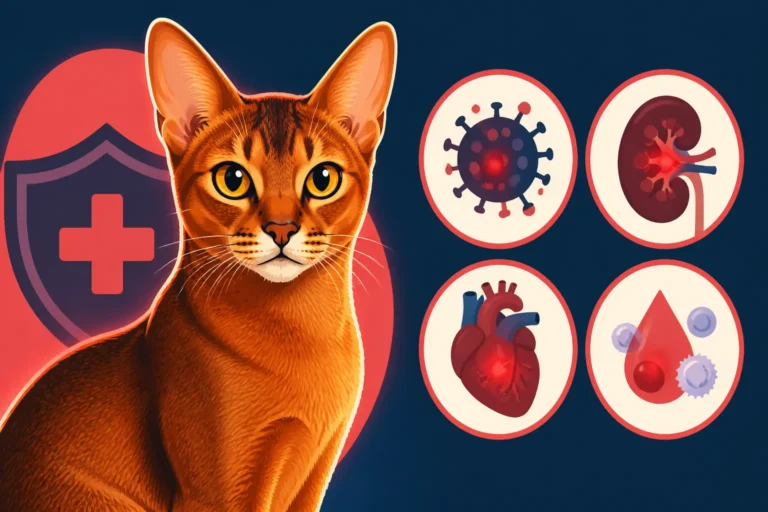
Understanding the genetic blueprint of your cat is paramount. For Abyssinians, there are a few key genetic concerns that responsible breeders actively screen for. You'll often hear about The Abyssinian Has Three DNA Tests and One Disease With None.
- Pyruvate Kinase Deficiency (PK Deficiency): This is perhaps the best-known genetic test for Abyssinians. Pyruvate Kinase Deficiency Is the Abyssinian's Best Known Test involves a mutation that affects red blood cells, potentially leading to intermittent or chronic anemia. A cat can be clear, a carrier, or affected. Reputable breeders ensure they never breed two carriers together to prevent affected kittens.
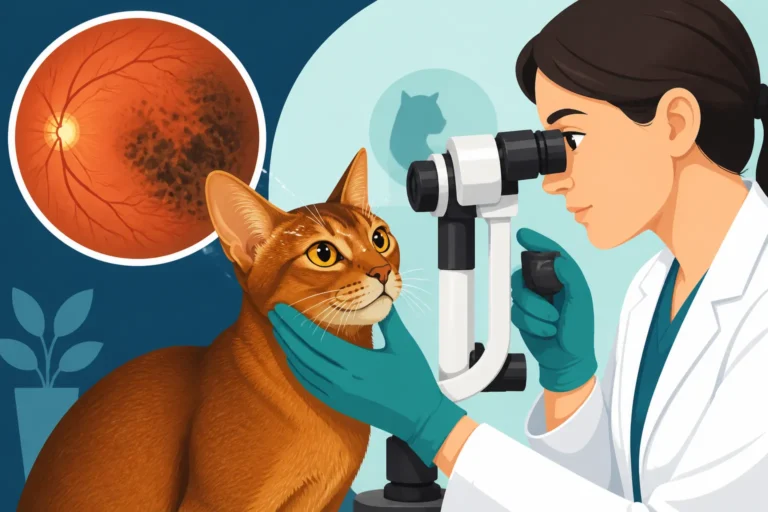
- Progressive Retinal Atrophy (PRA-rdAc): This inherited eye disease can cause blindness in Abyssinians, with PRA-rdAc Takes an Abyssinian's Sight by Five. Again, genetic testing allows breeders to make informed decisions and reduce the incidence of this heartbreaking condition.
- Renal Amyloidosis: This is the one Abyssinian health issue that, tragically, doesn't have a reliable DNA test. Renal Amyloidosis Is the Abyssinian Problem Nobody Can Test For is a condition where an abnormal protein (amyloid) deposits in the kidneys, eventually leading to kidney failure. Because there's no genetic test, breeders rely heavily on understanding their lines and family history, tracking any instances of early kidney disease in their cats. This makes researching an Abyssinian breeder's health practices incredibly important, and understanding What an Abyssinian Breeder Should Have Tested Before You Buy is a key step.
Siamese cats also have their own set of genetic predispositions. While generally robust, they can be prone to certain issues like progressive retinal atrophy (though a different form than the Abyssinian), some forms of inherited heart disease such as hypertrophic cardiomyopathy (HCM), and certain types of cancer. They also have a unique form of amyloidosis, which typically affects the liver rather than the kidneys. Because of these differences, Why No Gene Test Exists for Abyssinian Amyloidosis while other forms of amyloidosis are being researched in different breeds.
For both breeds, genetic health screening in breeding cats is a cornerstone of responsible breeding practices. It's about giving kittens the best possible start and ensuring the breed remains healthy for future generations.
Lifestyle, Environment, and Preventative Care
Beyond genetics, the day-to-day care and environment you provide have a monumental impact on your cat's longevity.
- Indoor Living: This is perhaps the single most important factor for maximizing the lifespan of both Abyssinians and Siamese. Indoor cats are protected from traffic, predators, parasites, and infectious diseases spread by other animals. While an Abyssinian might yearn for the outdoors, a secure "catio" or supervised leash walks can provide safe enrichment.
- Nutrition: A high-quality diet appropriate for their age, activity level, and any specific health needs is crucial. Both Abyssinians and Siamese are active cats, burning a lot of calories. They thrive on diets rich in animal protein. Understanding What an Abyssinian Costs to Keep Every Year often highlights that quality food is a significant, but worthwhile, investment. Avoid overfeeding, as obesity can lead to a host of health problems, shortening their lives.
- Hydration: Especially for Abyssinians, given their propensity for kidney issues like amyloidosis, adequate hydration is key. Encouraging water intake through fountains, multiple water bowls, and a diet rich in wet food can make a big difference.
- Veterinary Care: Regular annual check-ups are non-negotiable. These visits allow your vet to catch subtle changes early, provide necessary vaccinations, and perform routine screenings like dental checks and bloodwork as your cat ages. This proactive approach can make a huge difference in managing diseases effectively before they become critical. This is also where investing in pet insurance, like a plan from Healthy Paws, can truly be a lifesaver. Healthy Paws offers comprehensive coverage that can help ease the financial burden of unexpected illnesses or accidents, allowing you to focus on your cat's health without added stress.
- Dental Health: This is often overlooked but critical. Periodontal disease can lead to painful infections, tooth loss, and even impact vital organs. Regular brushing at home and professional dental cleanings are essential for both breeds, especially for Abyssinians who can be prone to juvenile gingivitis. More on this later!
- Mental and Physical Stimulation: A bored cat is an unhealthy cat. Both Abyssinians and Siamese are highly intelligent and energetic. They need plenty of play, vertical climbing spaces, and interaction to keep their minds sharp and bodies fit. An enriched environment contributes to lower stress levels, which in turn supports overall health. If you're an Abyssinian owner, you'll soon realize The Abyssinian Is the Busiest Cat in the House!
Practical Tips for Maximizing Your Abyssinian's Lifespan
You've brought this incredible bundle of energy and affection into your life, and you want to ensure they stay happy and healthy for as long as possible. There are many actionable steps you can take as an Abyssinian owner to extend their vibrant years.
Proactive Health Management
Being proactive about your Abyssinian's health is the best gift you can give them. This means more than just annual vet visits; it's about being observant and responsive.
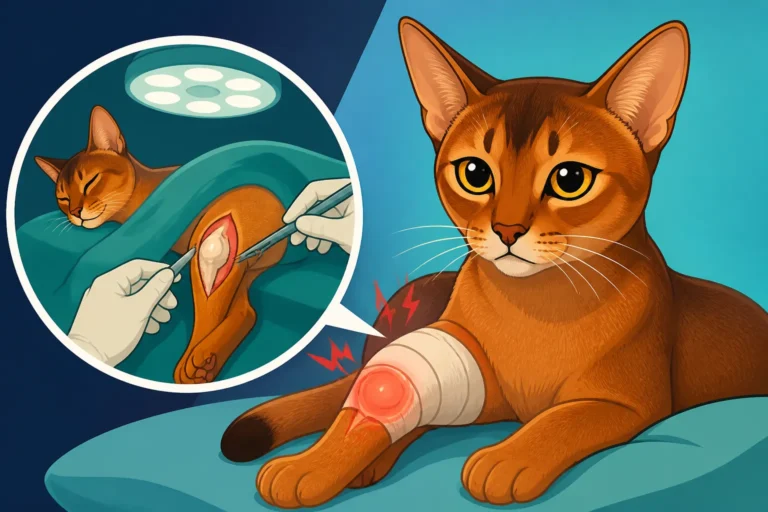
- Dedicated Dental Care: We simply cannot stress this enough for Abyssinians. They are notoriously prone to dental issues, particularly a condition called juvenile gingivitis, which can start as early as six months of age. Why an Abyssinian Kitten's Gums Fail at Six Months is a common and serious problem. If left untreated, this can progress to severe periodontal disease, requiring extensive dental procedures and even extractions much earlier than in other breeds. Daily toothbrushing, alongside regular professional cleanings, is paramount. If your vet recommends a gingivectomy to address overgrown gum tissue, don't hesitate; it can save their teeth and prevent a lot of pain.
- Weight Monitoring: While Abyssinians are typically lean and active, it's still crucial to monitor their weight. A sudden, unexplained weight loss can be an early indicator of underlying health issues, even if your cat seems energetic. It's often the first sign something is amiss, especially with conditions affecting the kidneys or thyroid. Regularly feeling their ribs and spine can help you assess their body condition.
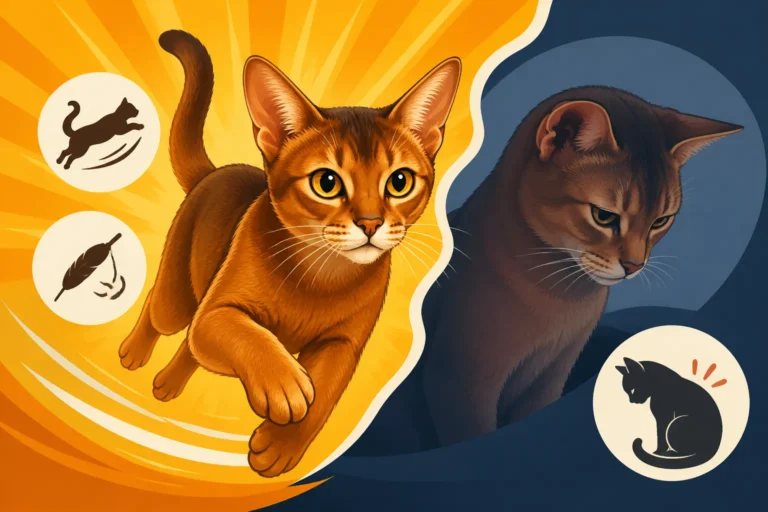
- Observing Behavior Changes: Abyssinians are masters at hiding illness, often maintaining their high energy levels even when uncomfortable. They're wired to conceal weakness. However, you know your cat best. A subtle decrease in appetite, an increase in thirst, changes in litter box habits, or a slight drop in their usual boisterous play could all be red flags. Don't dismiss these changes, especially if they are persistent. A sudden increase in thirst, for example, is a classic, early sign of kidney issues. This is why it's so important to recognize What Kidney Failure Looks Like in a Young Abyssinian.
- Early Detection Bloodwork: As your Abyssinian approaches middle age (around 7-8 years), talk to your vet about starting yearly senior blood panels. These panels can detect changes in kidney and liver function, thyroid levels, and blood cell counts long before clinical signs appear, giving you a head start on management. Using an effective pet insurance plan like those offered by Healthy Paws can make these regular diagnostic checks more accessible, ensuring you're able to take preventive measures without financial worry.
Enrichment and Mental Stimulation
A truly healthy life isn't just about physical well-being; it's about mental and emotional health too. For an intelligent and active breed like the Abyssinian, mental stimulation is as vital as food and water.
- Vertical Space is Key: Abyssinians are climbers and explorers. Providing ample vertical territory, such as tall cat trees, wall-mounted shelves, and access to window perches, is crucial for their happiness and physical fitness. They really need An Abyssinian Needs Height More Than It Needs Floor. These spaces allow them to survey their domain, get exercise, and feel secure. A bored Abyssinian without sufficient climbing opportunities can become destructive or anxious.
- Interactive Play: These cats thrive on engagement. Dedicate at least 15-20 minutes daily (and ideally more, split into several sessions) to interactive play with wand toys, laser pointers, or puzzle feeders. This satisfies their natural hunting instincts, burns off excess energy, and strengthens your bond. An Abyssinian who isn't sufficiently played with will find other, less desirable ways to entertain themselves, like opening cabinets or exploring forbidden countertops.
- Puzzle Feeders and Foraging: Instead of simply putting food in a bowl, make your Abyssinian "work" for some of their meals. Puzzle feeders challenge their problem-solving skills and slow down their eating, which can be beneficial. Hiding small portions of kibble around the house encourages their natural foraging behavior. This keeps their intelligent minds stimulated and prevents boredom.
The Emotional Aspect of Long-Lived Cats
Bringing an Abyssinian into your life is a significant commitment. Their relatively long lifespan means you'll share many precious years, experiencing all the joys and challenges that come with devoted pet ownership.
Cherishing Every Moment
Having a cat that lives for 15, 18, or even 20 years is an incredible gift. It means a prolonged period of companionship, laughter, and unconditional love. Abyssinians, with their playful and affectionate nature, truly become integral members of the family. They are often described as "people cats," forming deep bonds and often following their favorite humans from room to room. Every purr, every shoulder ride, every mischievous antic becomes a cherished memory over such a long tenure. It's about enjoying the journey together, appreciating each phase of their life, from their kitten zoomies to their dignified senior years.
Planning for Senior Years
Even the most energetic Abyssinian will eventually slow down. As they enter their senior years, typically around 10-12, their needs will gradually shift. Caring for an Abyssinian Past Ten involves a nuanced approach, combining continued excellent veterinary care with adjustments to their environment and routine.
- Increased Vet Visits: Your vet might recommend more frequent check-ups, perhaps twice a year, to monitor for age-related conditions like arthritis, hyperthyroidism, and kidney disease. Early detection is even more critical in senior cats.
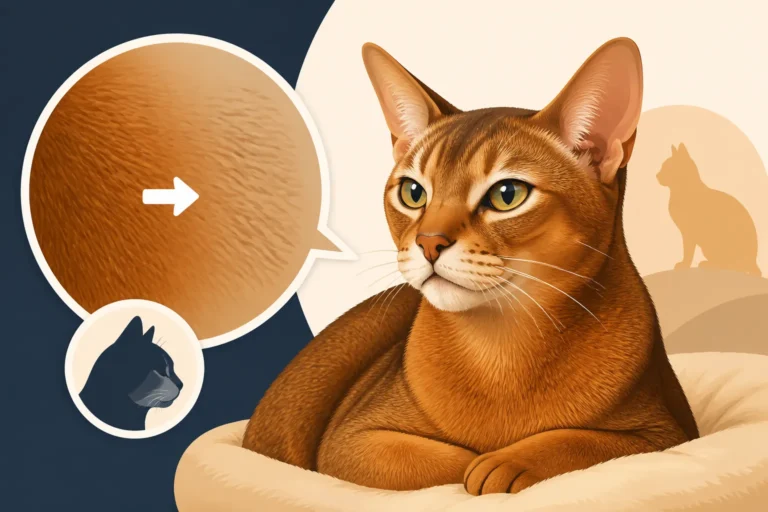
- Environmental Adjustments: While a senior Abyssinian might still enjoy climbing, they might need ramps or steps to access their favorite high spots if arthritis starts to set in. Soft, comfortable beds in warm, draft-free areas become more appealing. Recognizing What an Old Abyssinian Slows Down From can help you make subtle but impactful changes to keep them comfortable and mobile.
- Dietary Changes: Your vet might recommend a diet formulated for senior cats, often with adjusted protein and phosphorus levels to support kidney health, or supplements for joint support.
- Extra Comfort and Patience: Older cats may sleep more, play less intensely, and generally move at a slower pace. They might need more gentle handling and appreciate quiet time. Just like people, they can experience cognitive decline, so maintaining a consistent routine can be very reassuring. Remember that even if they can't climb to the top of the highest cat tree, they still value your presence and affection.
Breed Average Lifespan (Years) Common Genetic Concerns Key Prevention/Management The Abyssinian's ability to maintain a healthy weight is paramount. As your cat ages, its calorie needs often shift. Keep a close eye on their body condition score, ensuring they're not becoming too thin or overweight. Regular discussions with your vet about their nutrition and activity levels will help you tailor their care to their evolving needs.
Disclaimer
The information provided in this article is for general informational purposes only and is not intended as a substitute for professional veterinary advice. Always consult with a qualified veterinarian for any health concerns or before making any decisions related to your pet's medical care.