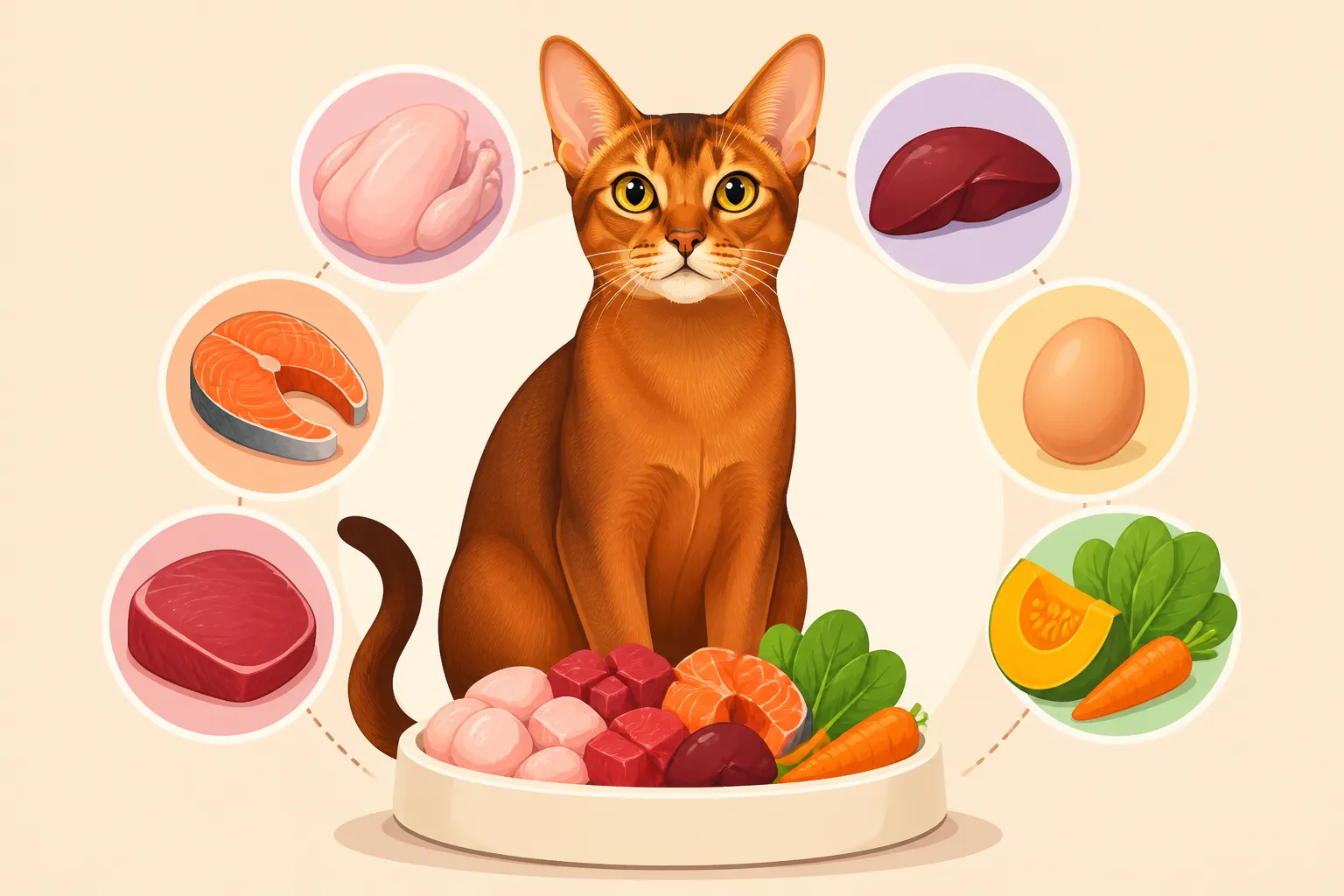
What an Abyssinian Eats in a Month
One of the first things you realize when you bring home an Abyssinian cat is that their energy is boundless, and that boundless energy translates directly into a serious appetite! It's natural to wonder how much that little dynamo is actually going to eat, and more importantly, how much it's going to cost you each month. This guide is here to break down what you can expect to spend on keeping your active Abyssinian well-fed and thriving.
Understanding Your Abyssinian's Unique Dietary Needs
It's tempting to think all cats are created equal when it comes to food, but Abyssinians really do march to the beat of a different drum. Their sleek, muscular bodies and endless curiosity mean they're burning through calories at a faster rate than many other breeds. They're not lazy lap cats; they're athletes in miniature, always ready for the next adventure, whether it's scaling your tallest cat tree or investigating that mysterious crinkle behind the sofa. This high metabolism is a huge factor in their dietary requirements.
Why Abyssinians Need High-Quality Protein
Because they're so active and lean, Abyssinians thrive on a diet rich in high-quality animal protein. This isn't just about giving them energy; it's essential for maintaining their muscle mass and supporting their overall health. You'll often notice that even a well-fed Abyssinian still looks slender and athletic, not chunky. Their bodies are designed for agility, and good protein provides the building blocks for that. Cheap fillers and by-products just won't cut it for these vivacious felines; they need real meat sources to truly flourish.
When you're looking at food labels, focus on identifiable meat sources like chicken, turkey, or fish listed as the first ingredients. Avoid foods where corn, wheat, or soy are high up on the list, as these offer little nutritional value for a carnivore like your Abyssinian. Think of it this way: your Aby is a finely tuned machine, and you wouldn't put low-octane fuel in a sports car. The quality of their diet directly impacts their energy levels, coat condition, and long-term health. Providing a good Which Protein Level Keeps an Abyssinian's Muscle On is key.
The Importance of Moisture Content
Beyond protein, moisture content is paramount for an Abyssinian. Cats, by nature, don't have a strong thirst drive because their wild ancestors got most of their hydration from their prey. Domestic cats often carry this trait, which can lead to chronic mild dehydration if they're primarily eating dry kibble. For Abyssinians, this is particularly important due to their predisposition to certain kidney issues, such as renal amyloidosis. A higher moisture diet helps keep their urinary tract flushed and supports kidney function.
This means that a diet heavy in wet food is generally recommended. While convenient, kibble just doesn't offer the hydration a cat truly needs. Consider incorporating multiple wet meals per day, or at least a significant portion of their daily calories from wet food. Some owners even add a little extra water to their wet food to boost hydration further. This simple change can make a significant difference in their long-term health and well-being, directly impacting the health of their kidneys. How Much Water an Abyssinian's Amyloid Risk Demands really highlights this concern.
Breaking Down Monthly Abyssinian Food Costs
Now let's get down to the brass tacks: what's this all going to cost you? The monthly food budget for an Abyssinian can vary quite a bit, primarily depending on the type and quality of food you choose, and where you buy it. It's not just about the bag price; it's about caloric density, nutrient absorption, and the long-term health benefits that prevent costly vet visits down the line. It's definitely not a place to skimp if you want a healthy, happy Aby.
Dry Food vs. Wet Food: A Cost Comparison
Generally speaking, dry kibble tends to be less expensive per calorie than wet food. A large bag of premium kibble might last a month or more, whereas wet food comes in smaller cans or pouches that add up quickly. However, as we discussed, dry food alone isn't ideal for an Abyssinian due to its low moisture content. Most Aby owners find a balance, perhaps offering high-quality wet food for most meals and supplementing with a small amount of kibble.
The real cost comes when you consider the overall impact on health. Investing in good wet food now can potentially save you a lot in vet bills later, particularly concerning urinary tract or kidney issues. Think about it: a few extra dollars a month on high-quality wet food is a small price to pay compared to emergency vet visits, specialized diets, or even ongoing medication for kidney problems. It's an investment in their future. Many people realize that Why Wet Food Protects an Abyssinian's Kidneys.
Exploring Different Food Options and Their Price Points
The world of cat food is vast, offering everything from budget-friendly kibble to gourmet fresh-prepared meals. For an Abyssinian, you're generally looking at the mid to high-end of the spectrum to meet their nutritional needs.
- Premium Kibble: A good quality kibble, often found at pet specialty stores or online retailers like Chewy, will typically cost more than supermarket brands. Look for grain-free options with a high meat content. While the bag might seem expensive upfront, it lasts.
- Canned Wet Food: This is a staple for many Aby owners. Prices vary wildly depending on brand, ingredients, and can size. Pate-style foods are often more calorie-dense than shredded or chunky varieties. Buying in bulk can sometimes offer savings.
- Pouched Wet Food: Similar to canned, but sometimes offers more novel proteins or specialized formulas. Often slightly more expensive per serving than traditional cans.
- Freeze-Dried or Dehydrated Raw: These options offer many benefits of raw feeding without the hassle. They are rehydrated with water before serving, boosting moisture. However, they are generally among the priciest options per serving.
- Fresh-Prepared/Human-Grade: Fresh meal services are gaining popularity for offering recipes made with human-grade ingredients, often tailored to your pet's specific needs. This is usually the most expensive route but offers top-tier nutrition and palatability.
Here's a general idea of how different food types might impact your monthly budget for an average adult Abyssinian, assuming they consume between 200-250 calories per day, which is quite common for their high energy levels:
| Food Type | General Monthly Cost Shape (for one Aby) | Pros | Cons |
|---|---|---|---|
| High-Quality Dry Kibble (standalone) | Lower end | Convenient, less mess, easy to store | Low moisture, can contribute to dehydration, dental issues over time |
| Mixed Diet (Wet majority, Kibble minor) | Mid-range | Good balance of nutrition, hydration, and some convenience | Requires careful portioning, more frequent buying |
| All Wet Food | Higher end | Excellent hydration, highly palatable, species-appropriate nutrients | More expensive, can be messier, daily can/pouch disposal |
| Freeze-Dried/Dehydrated Raw | High end | High protein, good moisture (when rehydrated), minimal processing | Very expensive, requires rehydration time |
| Fresh-Prepared | Premium | Human-grade ingredients, tailored nutrition, high palatability | Most expensive, requires fridge/freezer space, regular deliveries |
Keep in mind that these are general ideas. A well-bred Abyssinian with good health might eat less than a particularly active one, or a larger male might need more than a smaller female. How Many Calories an Adult Abyssinian Burns can help you refine your estimate.
Beyond the Bowl: Other Food-Related Expenses
It’s easy to focus solely on the main meals, but feeding an Abyssinian often involves a few other culinary considerations that can add to your monthly or annual costs. These aren't always "food" in the traditional sense, but they are essential parts of their diet and overall well-being.
Treats, Supplements, and Dental Chews
Abyssinians are intelligent and food-motivated, making treats an excellent tool for training, enrichment, and just showing them some love. However, treats add up, both in calories and cost. Opt for healthy, high-protein treats in moderation to avoid overfeeding. Remember, How Fast Treats Undo an Abyssinian's Weight is a real concern, even for lean Abyssinians.
Supplements might include omega fatty acids for coat health, joint support as they age, or probiotics for digestive health. While not always a monthly expense, these can be significant when purchased. Discuss any potential supplements with your vet to ensure they're necessary and appropriate for your cat's specific needs.
Dental health is another big one for Abyssinians. They are unfortunately prone to certain dental issues, including juvenile gingivitis and tooth resorption. While dental chews can offer some benefit, they are never a substitute for regular brushing and professional cleanings. Still, incorporating them can be a small preventative measure, but factor in their cost. Why Abyssinian Dental Work Is the Biggest Line in the Budget is a common truth for many owners.
Special Diets for Health Conditions
As your Abyssinian ages, or if they develop a specific health condition, your vet might recommend a prescription diet. These specialized foods are formulated to manage conditions like kidney disease, urinary tract issues, or allergies. They are almost always more expensive than over-the-counter foods and can significantly increase your monthly food budget.
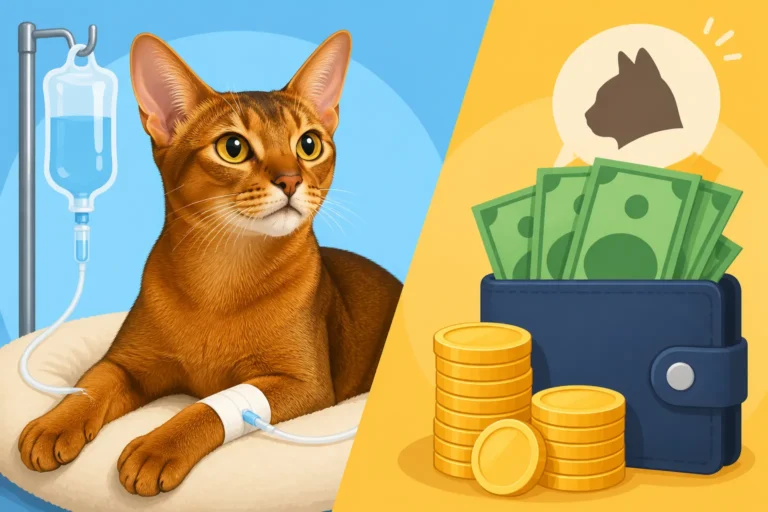
It's a reality that even with the best care, medical issues can arise. Having a plan for this, whether through savings or pet insurance, is wise. Companies like Healthy Paws can help manage the financial impact of unexpected health issues, which might include the need for prescription diets or emergency veterinary care. While a prescription diet isn't always needed, being prepared for the possibility is part of responsible Aby ownership.
Smart Shopping and Budgeting Strategies
The cost of feeding your Abyssinian might seem daunting, especially if you're aiming for that high-quality, moisture-rich diet. But there are definitely ways to be a savvy shopper and keep your budget in check without compromising your cat's nutrition.
Buying in Bulk and Subscription Services
One of the easiest ways to save money on pet food is to buy larger quantities. Whether it’s jumbo bags of kibble or cases of wet food, the unit price is often lower. This strategy requires storage space, but it’s worth it if you can manage it. Online retailers like Chewy are fantastic for this, offering competitive pricing and often free shipping on larger orders. They also frequently have sales and promotions, so keep an eye out.
Subscription services, offered by many online pet stores, can also be a game-changer. You set up a regular delivery schedule for your preferred foods, and often receive a discount for doing so. This not only saves you money but also ensures you never run out of food, which is a major convenience. Even services that deliver fresh food often offer subscription plans with built-in savings.
Comparing Brands and Ingredients
Don't be afraid to compare different brands, even within the premium category. Sometimes a lesser-known brand offers similar quality ingredients at a slightly lower price point. Always read the ingredient labels carefully. Look for whole meat as the first ingredient, minimal fillers, and appropriate protein/fat ratios for an active cat. Just because a brand is heavily advertised doesn't automatically mean it's the best or most cost-effective option for your Abyssinian.
It's also worth noting that switching foods too abruptly can upset your Abyssinian's stomach. If you decide to try a new brand for cost savings, introduce it gradually over several days to a week, mixing increasing amounts of the new food with decreasing amounts of the old. This helps their digestive system adjust smoothly. Don't forget, Why an Abyssinian Refuses a Sudden Food Change.
DIY Enrichment and Meal Stretching
While not strictly about food cost, getting more value out of each meal can help. Instead of just plopping food into a bowl, consider using puzzle feeders. These mentally stimulate your Abyssinian and slow down their eating, making a meal last longer and providing valuable enrichment. A small amount of kibble spread out in a puzzle feeder can keep them occupied for a surprising amount of time.
You can also make simple, cat-safe treats at home using ingredients like cooked chicken or salmon (without seasonings). This can be a more economical way to provide high-value treats than buying commercial options, and you have full control over the ingredients. It’s a great way to bond and provides a healthy alternative to store-bought varieties.
Ultimately, feeding an Abyssinian well is an ongoing financial commitment, but it's one that pays dividends in their health, happiness, and vibrant personality. Expect to budget a fair amount each month for their diet, understanding that it's a critical investment in their long, active lives. Understanding What an Abyssinian Costs to Keep Every Year really puts food costs into perspective as part of the overall picture.
Disclaimer
This article is for general informational purposes only and does not constitute professional advice. Laws, prices and regulations vary by location and change over time. Consult a qualified professional for guidance on your specific situation.