Why an Abyssinian Drops Food While Eating
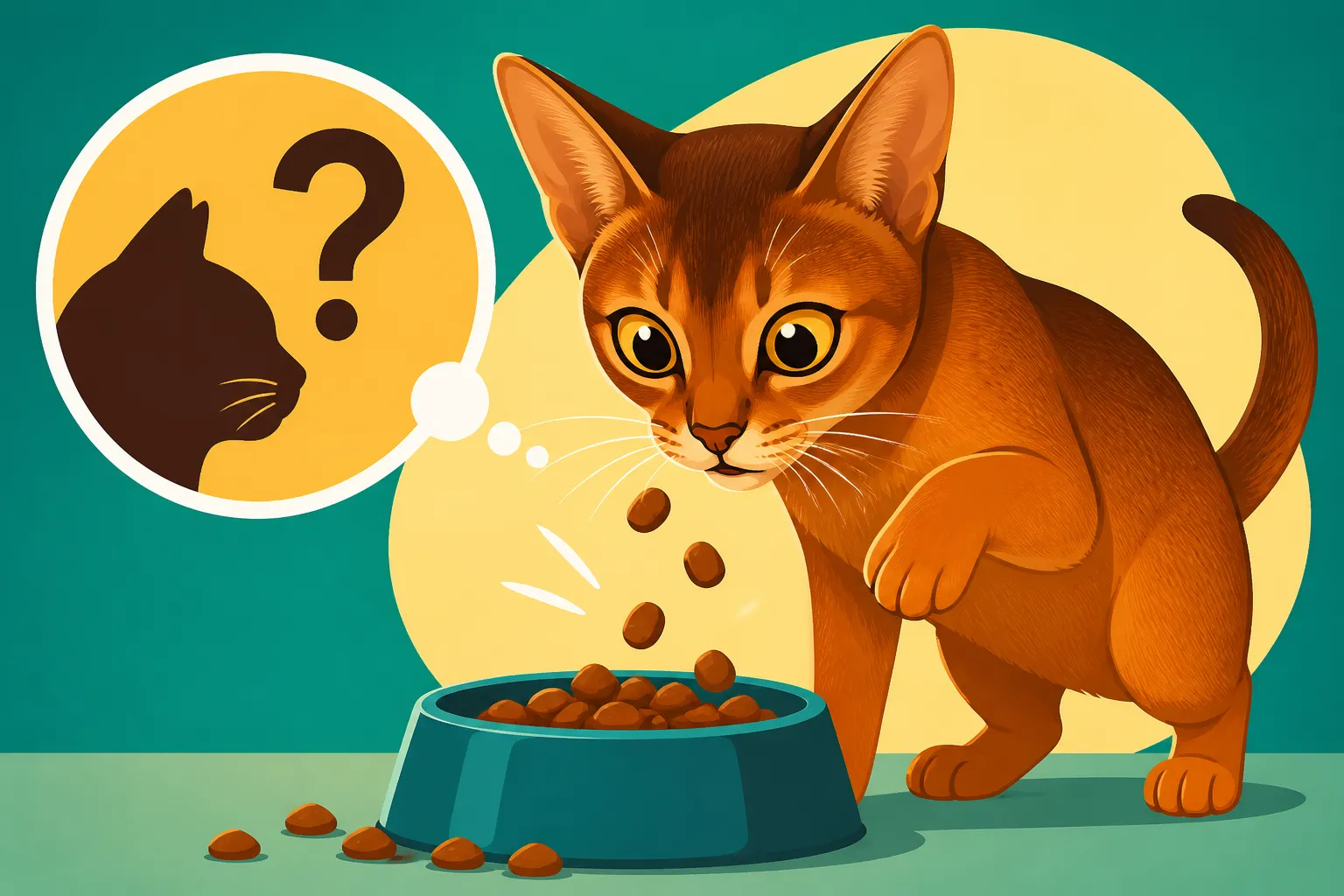
It can be incredibly frustrating, and honestly, a little worrying, when you notice your beloved Abyssinian dropping food while they’re trying to eat. You invest in quality food, you set up their feeding area, and yet, there they are, batting kibble across the floor or letting wet food slip from their mouths. It's not just a messy habit; it's a behavior that often signals something deeper is going on, and it's certainly not something you should ignore. This comprehensive guide will delve into the various reasons why your active Abyssinian might be struggling to keep their food where it belongs, from subtle health issues to environmental factors, and what you can do to help them eat more comfortably.
Unpacking the Physical Reasons Behind Dropped Food
When your Abyssinian starts dropping food, the first place your mind should go, and honestly, your vet should go, is straight to their mouth. Cats are incredibly adept at hiding pain, and oral discomfort is a common, yet often overlooked, culprit for messy eating habits.
Dental Distress and Oral Discomfort
Abyssinians, with their lean build and athletic nature, can sometimes fool us into thinking they're impervious to common feline ailments, but dental disease is a significant issue across all breeds, and Abyssinians are certainly not immune. Gingivitis, which is inflammation of the gums, can make eating incredibly painful. Imagine trying to chew your favorite meal with aching, bleeding gums; it's no fun, and you'd probably drop bits of food too. This issue can start surprisingly young for Abyssinians, often around six months of age. Why an Abyssinian Kitten's Gums Fail at Six Months offers a deeper dive into this phenomenon.
Beyond gingivitis, Abyssinians are also prone to tooth resorption, a condition where the tooth structure erodes away, exposing painful nerves. This is often an invisible agony for your cat, making every bite a potential jolt of pain. They might start favoring one side of their mouth, or suddenly have difficulty with crunchy kibble that they once loved. When a tooth hurts this much, your Aby isn't dropping food because they're being messy; they're dropping it because chewing is unbearable, and they're desperately trying to find a way to eat without pain. It's a heartbreaking situation that highlights why regular dental check-ups are so crucial. Sadly, Abyssinians can be susceptible to losing teeth younger than many other cat breeds, making preventative care even more critical. Why an Abyssinian Loses Teeth Younger Than Most Cats explains this further.
Jaw Pain, Misalignment, and Other Mouth-Related Issues
It's not always just about the teeth themselves. Sometimes, the problem lies with the mechanics of the jaw. While less common, an Abyssinian could be experiencing pain in their jaw joint, similar to TMJ issues in humans, though it presents differently in cats. This could be due to an injury, even a minor one you didn't notice, or an underlying inflammatory condition. If their jaw isn't moving smoothly or is causing discomfort, they might struggle to properly grasp and hold food, leading to it falling out of their mouth.
Additionally, other growths or abnormalities within the mouth, such as lesions, cysts, or even foreign objects stuck between teeth or in the palate, can interfere with eating. A tiny piece of string or a blade of grass lodged somewhere uncomfortable could be enough to cause your Aby to drop food repeatedly as they try to dislodge it or avoid the painful area. Even something as simple as a retained baby tooth, which hasn't fallen out when the adult tooth comes in, can cause irritation and misalignment, making it difficult to chew effectively. These subtle issues often require a thorough examination, sometimes even under sedation, to accurately diagnose.
Systemic Health Concerns Affecting Appetite
Sometimes, the mouth is perfectly fine, but your Abyssinian is dropping food because they just don't feel well overall. Cats are masters of stoicism, and a decreased appetite or awkward eating can be one of the few signs they give when something is wrong internally. Nausea, for instance, can make eating unpleasant, causing them to approach food hesitantly, chew poorly, and drop bits. Digestive upsets, food sensitivities, or even hairballs can cause enough discomfort to disrupt normal eating behavior.
More serious conditions, like kidney disease, can also manifest indirectly through changes in eating. An Abyssinian with kidney issues might feel generally unwell, nauseated, and have a reduced appetite. While not a direct cause of food dropping, it can lead to slower, more reluctant eating where food is handled less effectively. If your active Abyssinian seems more lethargic than usual, less interested in play, and is dropping food, it's a huge red flag. Why a Lethargic Abyssinian Needs Blood Work Fast cannot be stressed enough in these situations. Any change in your cat's eating habits, especially if accompanied by other subtle symptoms, warrants a trip to the vet for a full check-up, including blood work, to rule out underlying health problems.
Environmental and Behavioral Factors
Once you've thoroughly explored the physical possibilities with your vet, and hopefully ruled out any pain or illness, it's time to turn your attention to the environment and behavioral aspects of your Abyssinian's eating habits. Sometimes, the solution is much simpler than a medical diagnosis.
The Impact of Bowl Design and Placement
It might sound trivial, but the bowl itself can be a major player in why your Abyssinian is dropping food. Many cats experience "whisker fatigue," a real phenomenon where their sensitive whiskers repeatedly brush against the sides of a deep, narrow bowl, causing discomfort and stress. Abyssinians, with their expressive faces and prominent whiskers, can be particularly sensitive to this. When their whiskers are constantly irritated, they might pull their head back, causing food to fall from their mouth. Switching to a wide, shallow bowl – think more of a plate or a saucer – can often alleviate this immediately.
The material of the bowl matters too. Plastic bowls, while cheap and convenient, can harbor bacteria and retain odors, leading to chin acne in some cats. Why an Abyssinian's Chin Blackheads Come From Its Bowl delves into this issue. While chin acne itself might not directly cause food dropping, a generally uncomfortable or unhygienic eating experience can certainly contribute to a cat's reluctance to eat cleanly. Stainless steel or ceramic bowls are usually the best choices. Furthermore, the placement of the bowl is crucial. Is it in a high-traffic area? Near the litter box? Or perhaps next to another pet's bowl, creating perceived competition? Abyssinians are energetic and often prefer a calm, secure spot for their meals, so a busy or noisy feeding area could make them rush or eat anxiously, leading to dropped morsels.
Food Texture, Size, and Presentation
Just like people, cats have preferences when it comes to their food, and sometimes, the specific texture or size of the food itself is the issue. If the kibble pieces are too large, an Abyssinian might struggle to grasp them with their mouth or chew them effectively, resulting in pieces falling out. Conversely, if the kibble is too small, they might try to scoop too much at once, or it might be hard for them to pick up individually, leading to drops. For wet food, a dense pâté might be harder to manage than a chunky or shredded variety, or vice-versa, depending on your cat's specific mouth mechanics and preferences.
The temperature of the food can also play a role. Cats generally prefer their food at room temperature or slightly warmed, as this mimics fresh prey and enhances the aroma. Food straight from the fridge might be less appealing and harder to eat. Sometimes, Abyssinians, being quite intelligent and particular, will "fish" for specific pieces in their bowl, batting them out to examine them before eating. This can lead to a considerable mess. Ensuring your Abyssinian's diet aligns with their high energy levels and providing palatable, easy-to-eat options is key. Websites like Chewy and Amazon offer a wide variety of cat foods and puzzle feeders that you can explore to find the perfect fit for your Abyssinian. Understanding Which Food Budget Suits a High Energy Abyssinian is a good place to start when considering food options.
Stress, Anxiety, and Eating Habits
Our feline friends are creatures of habit and can be surprisingly sensitive to changes in their environment. Stress and anxiety can manifest in various ways, and sometimes, it directly impacts their eating. A sudden change in routine, a new pet or person in the house, loud noises, or even feeling vulnerable in their eating spot can make an Abyssinian eat quickly, haphazardly, or refuse to eat cleanly. They might grab a mouthful and retreat to a more "safe" location, dropping food along the way.
Abyssinians are known for their playful, curious nature, but this also means they can be easily distracted. If mealtime is perceived as rushed, or if there's a lot of activity around them, they might not focus on their food. This can lead to them dropping bits as they glance around, worried about missing out on something or feeling the need to eat quickly before something "happens." Think about how a child might gulp down their meal if they're eager to get back to playing; cats can exhibit similar behaviors. It's essential to create a calm, predictable, and safe eating experience for your Abyssinian. Observing subtle behavioral changes, like those described in Why an Abyssinian Hides Pain Behind Its Energy, can give you clues about their stress levels.
Practical Steps to Address Food Dropping
Once you've identified potential causes for your Abyssinian's messy eating, it's time to take action. This isn't just about cleaning up the floor; it's about improving their quality of life and ensuring they get proper nutrition without discomfort.
Seeking Professional Veterinary Guidance
I cannot stress this enough: your very first step should always be a comprehensive veterinary examination. Because so many reasons for food dropping stem from oral pain or underlying illness, ruling these out is paramount. Your vet will perform a thorough oral check, which might involve looking at the gums for signs of gingivitis or inflammation, checking for fractured teeth, or growths. Sometimes, a full dental exam requires sedation to get a proper view of all teeth, especially those at the back of the mouth. This is where issues like tooth resorption or hidden infections are often found. Don't shy away from this recommendation; it's the best way to pinpoint dental agony.
Beyond the mouth, your vet might recommend blood work, especially if your Abyssinian is showing other subtle signs of illness or weight loss. This can help detect metabolic diseases, kidney issues, or other systemic problems that could be making your cat feel unwell and impacting their desire or ability to eat cleanly. Discussing What an Abyssinian's Annual Checkup Costs and including a dental exam in that budget is a wise decision. If your vet discovers severe gum overgrowth, they might suggest a gingivectomy to improve your cat's comfort and ability to eat. What a Gingivectomy Involves for an Abyssinian provides more information on this procedure.
Optimizing the Eating Environment
Once medical issues are addressed, or if they've been ruled out, focus on transforming your Abyssinian's mealtime experience. Start with their bowls. Ditch deep, narrow bowls and invest in wide, shallow dishes made of stainless steel or ceramic. You can find excellent options on Chewy or Amazon. These materials are easier to clean, less likely to harbor bacteria, and won't irritate your cat's sensitive whiskers. Some cats even prefer eating from a flat plate.
Next, consider the location. Choose a quiet, low-traffic spot where your Abyssinian can eat undisturbed. This means away from busy doorways, noisy appliances, and certainly not right next to their litter box. If you have multiple pets, ensure each cat has their own dedicated, separate feeding station. This reduces any perceived competition or stress, allowing them to eat at their own pace. If your cat is older or has potential joint issues, an elevated feeder might also be beneficial, reducing strain on their neck and joints while eating.
Adjusting Food Type and Presentation
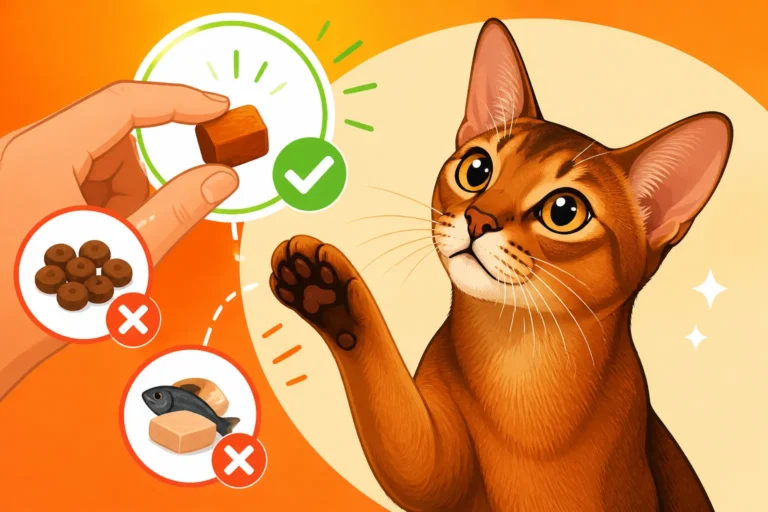
Experimenting with food can feel like a guessing game, but it's worth the effort. If your Abyssinian eats kibble, try different brands with varying kibble sizes and shapes. Some cats find smaller pieces easier to manage, while others might prefer a slightly larger, more substantial piece they can grasp. For wet food, explore different textures – pâté, shredded, chunky, or even flaked. Your cat might have a strong preference you haven't discovered yet. Fresh cat food often comes in a variety of textures that some cats find highly palatable and easier to consume.
Adding a little warm water to wet food can also help, enhancing the aroma and making it softer and easier to chew, especially if dental issues are a factor. Consider offering smaller, more frequent meals throughout the day rather than one or two large ones. This can prevent them from getting overly hungry and eating too quickly. If your Abyssinian tends to "fish" for individual pieces, you could try spreading their food out on a flat plate or using a slow-feeder bowl or puzzle toy for dry food. This encourages them to eat more deliberately, reducing the chances of food scattering. Remember that How Much Wet Food an Abyssinian Gets Through can vary, and tailoring portions to their active lifestyle is key.
Long-Term Management and Prevention
Addressing why your Abyssinian drops food is often an ongoing process, not a one-time fix. Establishing long-term strategies for dental health, consistent monitoring, and appropriate feeding can make a significant difference.
Regular Dental Care is Paramount
Given the strong link between oral health and eating habits, proactive dental care is not optional for Abyssinians; it's a necessity. This means sticking to a schedule of professional veterinary dental check-ups, often including cleanings under anesthesia. Your vet can provide guidance on How Often an Abyssinian Needs Its Teeth Cleaned, but it's often more frequent than owners realize, sometimes yearly or even more often for those prone to issues. These professional cleanings allow for thorough scaling, polishing, and examination of each tooth, addressing problems before they escalate.
Beyond professional care, try to incorporate home dental care from a young age. While it can be a challenge with a busy Abyssinian, even short, consistent sessions of toothbrushing with a cat-specific toothpaste can make a huge impact. Getting them used to having their mouth handled will also make vet visits less stressful. Routinely checking your Abyssinian's gums yourself for any redness or swelling is also a good habit. What Red Gums Mean in an Abyssinian Kitten is vital information for any Aby owner, as early detection can prevent much larger problems down the line.
Consistent Monitoring and Routine
Your Abyssinian's eating habits can be a fantastic barometer of their overall health. Make it a point to observe them regularly during meal times. Do they still drop food? Has the frequency changed? Are they eating with enthusiasm, or do they seem hesitant? Any sudden changes, like a complete refusal to eat or a significant increase in food dropping, warrant immediate veterinary attention. Keeping a close eye on their weight is also crucial, as subtle weight loss can be an early indicator of underlying health problems. How to Read an Abyssinian's Body Condition Through That Coat can help you assess their physique accurately.
Maintaining a stable and predictable routine for your Abyssinian can also reduce stress, which, as we've discussed, can impact eating. This means consistent feeding times, a consistent feeding location, and minimizing major disruptions in their environment whenever possible. Regular playtime and mental enrichment are also essential to keep a high-energy Abyssinian content and less prone to stress-induced behaviors. These habits, combined with regular What an Abyssinian's Annual Checkup Costs at the vet, form the foundation of long-term health and prevent many issues from arising.
Choosing Appropriate Food and Feeding Strategies
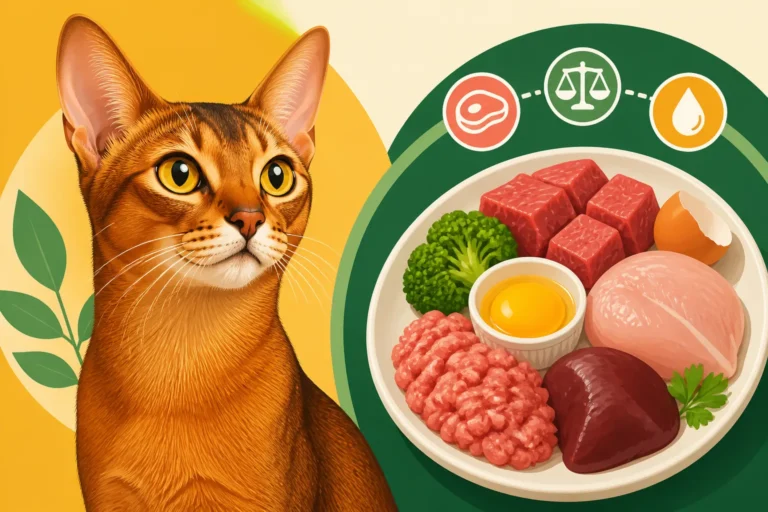
Ultimately, the goal is to provide your Abyssinian with food that is not only nutritionally complete but also easy and enjoyable for them to eat. This might mean investing in higher quality foods that use better ingredients and have textures that are easier on their mouth. Don't be afraid to read labels, looking for appropriate protein levels that support their active lifestyle. Consider whether wet food could become a larger part of their diet, especially if dental issues are a recurring problem, as it requires less chewing than dry kibble and provides essential moisture.
If your cat tends to eat too quickly, leading to dropped food, consider using a slow-feeder bowl or spreading their meal across a wider surface to encourage a slower pace. Meal feeding, where you offer measured portions at specific times, rather than free-feeding, allows you to better monitor how much your cat is eating and observe their eating behaviors more closely. It also means less food is sitting out to get stale or batted around. This mindful approach to feeding is just one more way we can show our Abyssinians how much we care, ensuring they're happy, healthy, and eating comfortably for years to come.
Disclaimer
This article is for general informational purposes only and does not constitute professional advice. Laws, prices and regulations vary by location and change over time. Consult a qualified professional for guidance on your specific situation.