The Abyssinian Nearly Disappeared From Britain Twice
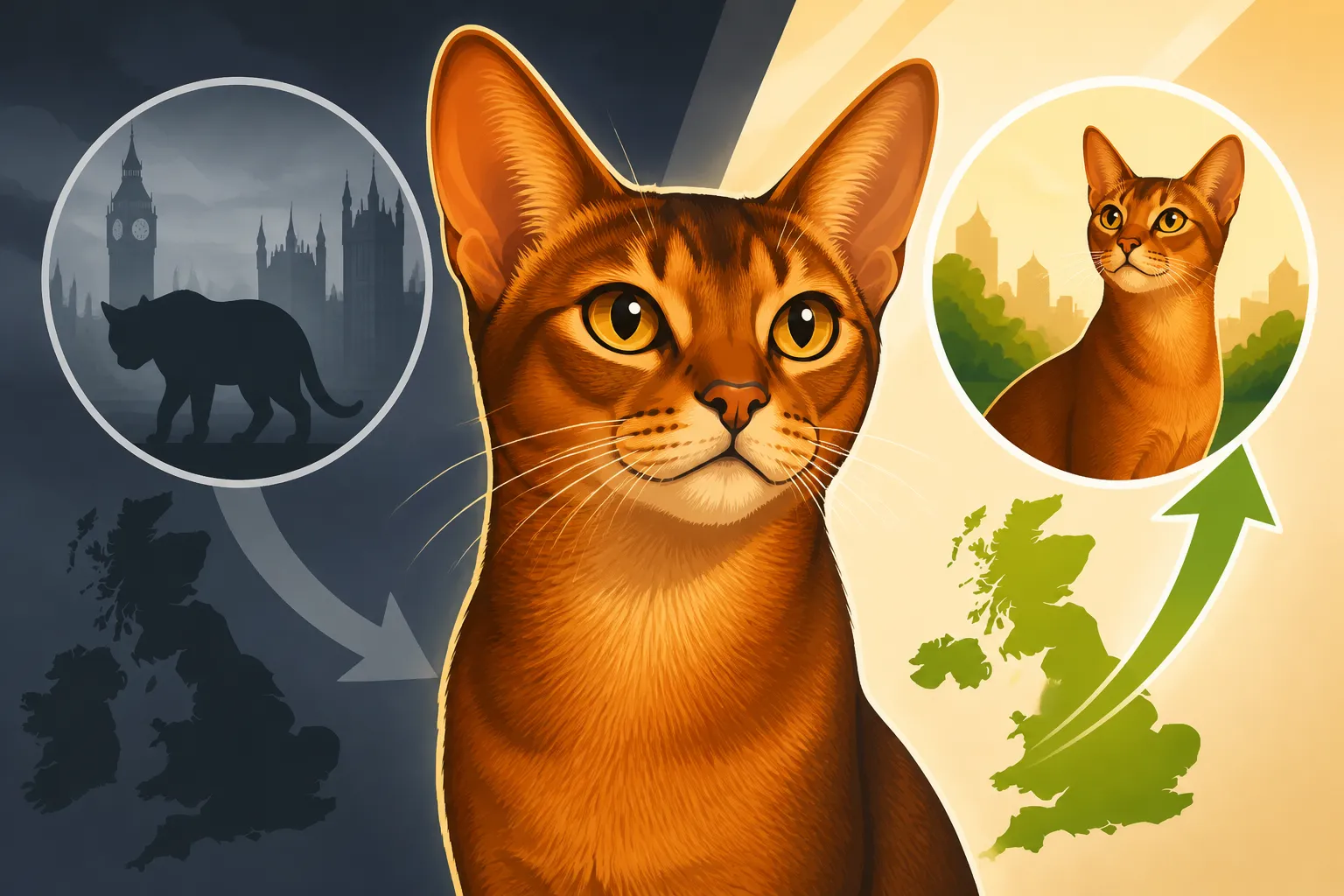
It's truly sobering to think about how close some of our beloved cat breeds have come to vanishing entirely. We often take their presence for granted, seeing them around us and assuming they've always been plentiful. But for the Abyssinian, that couldn't be further from the truth. This vibrant, intelligent breed, known for its stunning ticked coat and boundless energy, faced the brink of extinction not just once, but twice, right there in Britain. Understanding these historical challenges isn't just a fascinating dive into the past; it's a powerful reminder of the dedication of breeders and the fragility of even the most cherished pedigrees. This guide will explore the harrowing periods when the British Abyssinian population dwindled to dangerously low numbers, examining the causes, the valiant efforts to save them, and the lasting impact on the breed we adore today.
The Abyssinian's Early Arrival and Fragile Foundations in Britain
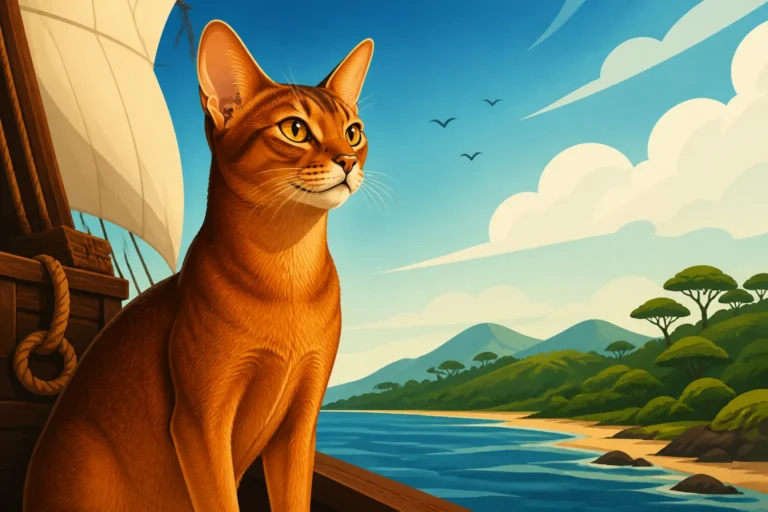
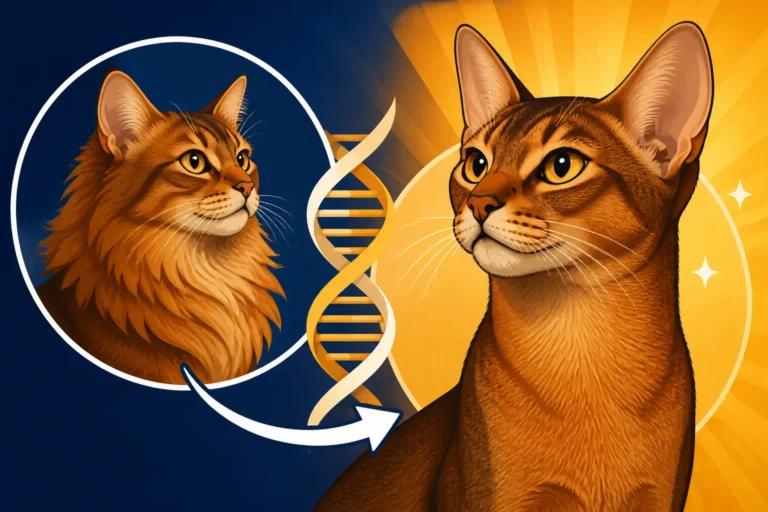
When we think of the Abyssinian, we picture an elegant, almost regal cat, a living work of art with its distinctive ticked coat. But the journey of this breed to widespread recognition, particularly in Britain where it first gained prominence, was far from smooth. The earliest records point to the mid-19th century as the period when cats resembling what we now call Abyssinians started appearing in Europe. One of the most famous, albeit largely anecdotal, stories revolves around a cat named Zula, purportedly brought back from Abyssinia (modern-day Ethiopia) by a British officer in 1868. While the romantic notion of its origins persists, modern genetic studies suggest a different story, tracing their ancestry closer to the Indian Ocean coast. The Abyssinian Is Probably Not From Abyssinia
Regardless of the exact origin point, these early Abyssinians were unique and captivated Victorian cat fanciers. They were quickly integrated into the burgeoning world of pedigree cat shows. Figures like Harrison Weir, often credited as the "father of the cat fancy," took great interest in the breed, documenting its distinctive appearance and temperament. Weir, in his 1889 book "Our Cats and All About Them," described them as the "Abyssinian, or rather, the 'Ticked' cat." He praised their striking appearance, noting the absence of tabby stripes and the uniform ticking across their coats. This early recognition helped solidify their place, but their numbers remained small, making them inherently vulnerable.
Establishing the Breed Standard and Initial Popularity
As the cat fancy grew in Britain, so did the efforts to define and standardize breeds. For the Abyssinian, this meant establishing a breed standard that outlined the desired physical characteristics, from coat color and ticking pattern to body type and head shape. Early Abyssinians varied quite a bit in appearance, reflecting their diverse genetic foundations and the lack of strict breeding programs in their initial stages. Breeders worked diligently to refine the type, focusing on the slender, athletic build, the large, expressive ears, and those captivating almond-shaped eyes that give the Abyssinian its alert, intelligent expression.
The breed quickly gained a niche following among those who appreciated its distinctive look and lively personality. Unlike some of the more sedentary breeds, Abyssinians were noted for their active, curious nature, a trait that remains a hallmark today. This early popularity, however, was still limited to a relatively small circle of dedicated fanciers. The gene pool was not extensive, and the geographical concentration of breeders meant that any widespread disruption could have a catastrophic effect. This was a breed built on passion and careful selection, but it lacked the sheer numbers that might have offered a buffer against future calamities.
The Precarious State of a Young Breed
The reality for any new or rare breed is a certain level of inherent instability. With fewer breeding animals, genetic diversity can be limited, and the impact of health issues or external disruptions is magnified. The early Abyssinian breeders were doing their best with the knowledge and resources available at the time, but they couldn't foresee the global events that would soon challenge their efforts in unprecedented ways. They laid the groundwork, defining the breed and nurturing its growth, but the foundations, while strong in dedication, were still numerically fragile.
It's easy to look back with hindsight and think about how things could have been done differently, perhaps by fostering greater genetic diversity or spreading the breed more widely. But in those days, international travel for animals was complex, and genetic understanding was rudimentary compared to what we have now. The priority was simply to establish and refine the breed. This left them ill-equipped for the shocks that were about to come, shocks that would wipe out entire lines and bring the Abyssinian to the edge of non-existence in its adopted homeland.
The First Near Disappearance: Devastation of Two World Wars
Imagine putting your heart and soul into a breeding program, carefully selecting queens and studs, planning litters, and nurturing kittens, only for global conflict to sweep it all away. This was the crushing reality for Abyssinian breeders in Britain during the first half of the 20th century. The First and Second World Wars delivered devastating blows that decimated the already small population of these magnificent cats.
World War I: The Initial Decimation
The outbreak of World War I in 1914 brought an immediate halt to many non-essential activities, and purebred cat breeding certainly fell into that category. Resources became scarce, and attention shifted entirely to the war effort. Maintaining a cattery, with the need for quality food, veterinary care, and the time commitment involved, became an immense luxury that few could afford, both financially and practically. Many breeders were called to service, or their families faced hardship, making it impossible to continue their work.
Cats, unlike some farm animals, didn't contribute directly to food production or labor, so their care often took a backseat. Breeding programs that had been carefully built over decades dissolved. Many cats were simply spayed or neutered to avoid the burden of future litters, or worse, they suffered from neglect or lack of proper nutrition. The delicate lines that had been established slowly withered away. By the end of the war in 1918, the Abyssinian population in Britain had shrunk dramatically. The meticulous records and lineage tracking, which were crucial for maintaining a pedigree breed, were often lost or abandoned amidst the chaos. It took years for any semblance of normality to return, and even then, the pool of available breeding Abyssinians was frighteningly small.
World War II: The Brink of Extinction
Just as British Abyssinian breeders began the slow, arduous process of rebuilding their lines after the First World War, an even greater catastrophe loomed. World War II, starting in 1939, was arguably even more devastating for the breed. This war brought widespread bombing campaigns, severe rationing, and an even more pervasive sense of national emergency. The impacts were far-reaching and left the Abyssinian breed hanging by a thread.
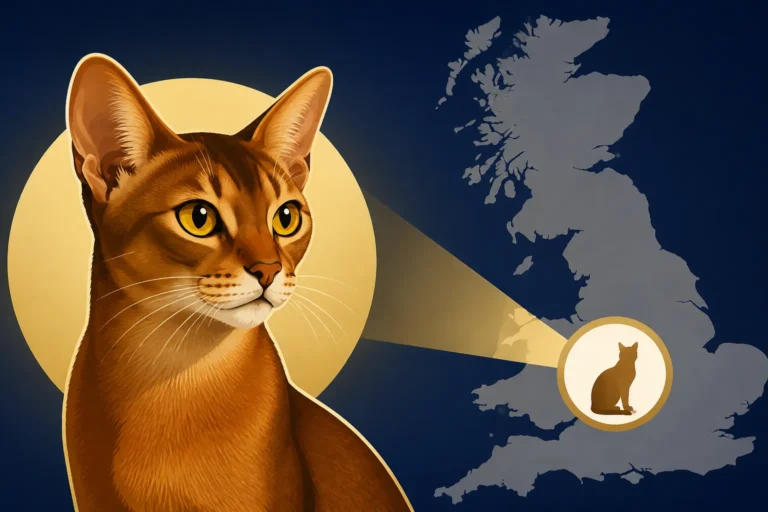
Food rationing was incredibly strict, and feeding a pedigree cat with specific dietary needs was a challenge many simply couldn't overcome. Pet owners were encouraged, or sometimes even forced, to put down their animals to conserve resources. Imagine the heartbreak of such a decision. Travel was restricted, making it impossible for breeders to transport cats for mating or to sell kittens. Catteries, often located in urban or suburban areas, were directly at risk from aerial bombardments. Buildings were destroyed, and cats were lost. The fear of what might happen to their beloved animals, combined with the sheer impossibility of maintaining them, led to many more lines disappearing. By the end of World War II, it's estimated that there were fewer than a dozen breeding Abyssinians left in the entire United Kingdom. This was a truly desperate situation, a genetic bottleneck that threatened to extinguish the breed on British soil forever. How British Abyssinians Nearly Died Out
The Resilience of a Few Dedicated Fanciers
Despite the overwhelming odds, a few incredibly dedicated breeders managed to hold on. These individuals, often working in secret or with immense personal sacrifice, kept a handful of Abyssinians alive through the darkest days. They scrimped, saved, and often shared precious resources to ensure that at least some representation of the breed survived. Their efforts were heroic and form the fragile bridge between the pre-war Abyssinians and those that exist today. Without these few tenacious individuals, the British Abyssinian would almost certainly have become a footnote in history.
It was these scant numbers that formed the basis for a monumental rebuilding effort once peace returned. The survival of the breed in Britain was not a given; it was a testament to extreme passion and determination in the face of widespread devastation. These two global conflicts served as stark reminders of how quickly a carefully cultivated breed can be erased when societal priorities shift to basic survival.
The Second Near Disappearance: The Scourge of Feline Leukemia
Just when it seemed the Abyssinian breed had pulled back from the brink in Britain after the World Wars, another, more insidious threat emerged: Feline Leukemia Virus (FeLV). This viral disease, which attacks the cat's immune system and can lead to various cancers and other illnesses, proved to be particularly devastating for pedigree cat populations in the mid-20th century. For the Abyssinian, whose genetic pool was already perilously small, FeLV represented a second, critical blow that brought them close to extinction once again.
The Rise of Feline Leukemia in Catteries
FeLV spreads through close contact between cats, primarily through saliva, nasal secretions, urine, feces, and milk. This made catteries, where cats live in close proximity and share resources, a perfect environment for the virus to spread rapidly. In the decades following World War II, as breeding efforts resumed and cat populations slowly grew, FeLV became a serious problem across many breeds. The understanding of viral diseases in cats was still evolving, and widespread testing was not yet available or common practice. This meant that infected cats could unknowingly pass the virus to others, creating silent epidemics within catteries.
Imagine the horror for breeders who had painstakingly rebuilt their lines, only to find their precious cats falling ill with a mysterious, often fatal disease. The symptoms of FeLV are varied and can be vague initially, ranging from lethargy and loss of appetite to recurring infections or the development of tumors. It was a heart-wrenching situation, as cats that seemed healthy could suddenly decline, and the spread within a breeding facility could be swift and unforgiving.
The Impact on the Already Limited Abyssinian Gene Pool
For the Abyssinian, the impact of FeLV was magnified due to the breed's already fragile numbers. The genetic bottleneck created by the World Wars meant that any disease that swept through the population had a much greater chance of causing severe damage. There simply weren't enough unrelated cats to draw upon if entire catteries became infected and had to be culled or closed. How Feline Leukemia Hit British Abyssinian Catteries
A single infected cat introduced into a small cattery could decimate years of breeding work. The heartbreaking choice faced by breeders was often between losing all their cats to the disease or making the agonizing decision to euthanize infected animals to protect the healthy ones. This led to further significant losses, reducing the gene pool even more and wiping out unique lines that had survived the wars. It wasn't just individual cats being lost; it was entire families, entire contributions to the breed's genetic diversity.
The Fight for Survival and the Dawn of Testing
The struggle against FeLV was a turning point for many cat breeds, including the Abyssinian. It prompted a desperate search for solutions and eventually led to significant advancements in veterinary medicine. The development of reliable FeLV testing methods was a game-changer. These tests allowed breeders to identify infected cats, isolate them, and prevent further spread, eventually enabling the eradication of the virus from many catteries.
This period was characterized by immense stress and vigilance among breeders. Rigorous testing protocols became essential, and the careful management of breeding programs took on new importance. While incredibly painful, the lessons learned from the FeLV crisis underscored the critical need for robust health screening and disease prevention in pedigree breeding. It was a stark reminder that simply having a few cats survive wasn't enough; they had to be healthy to ensure the long-term viability of the breed. This second near-disappearance solidified the understanding that modern breeding required a proactive approach to health, not just a reactive one.
American Breeders: The Unexpected Lifeline for British Abyssinians
While the Abyssinian population in Britain faced repeated existential threats, a different story was unfolding across the Atlantic. American breeders, having imported Abyssinians from Britain and other European countries in earlier decades, had established robust and thriving lines that were largely insulated from the direct impacts of the World Wars and, crucially, the initial widespread devastation of Feline Leukemia Virus in Europe. These American Abyssinians would become the unexpected lifeline for the struggling British breed.
Early Imports and Establishment in the United States
The Abyssinian made its way to the United States well before the major European conflicts. Early records suggest that the breed was introduced to America in the early 1900s. Dedicated American fanciers, captivated by the Abyssinian's unique appearance and lively temperament, began to establish catteries and promote the breed within the American cat fancy. They often imported fresh bloodlines from Britain and other European nations, slowly building a diverse genetic foundation. When the First Abyssinians Reached America
Because the American catteries were physically separate from the war-torn regions of Europe, they didn't experience the same direct decimation of their breeding stock. While they faced their own challenges, the sheer physical distance and different timelines of disease outbreaks meant that their populations remained relatively stable and grew over time. This geographical separation proved to be an unforeseen blessing, creating a vital genetic reservoir.
A Safe Haven for the Breed's Future
As the British Abyssinian population dwindled to critically low numbers during and after the World Wars, and later with the FeLV epidemic, American breeders continued their work, often unaware of the full extent of the devastation in Europe. They were preserving the Abyssinian without consciously knowing they were saving the entire breed. The thriving American lines held the genetic diversity that had been so drastically reduced in Britain.
This situation highlights the immense value of a global breeding community. Even if one region faces disaster, another part of the world might hold the keys to recovery. The American Abyssinians, descended from the same foundational cats that graced British shows, carried the genetic heritage that was on the verge of being lost forever in its original adopted home. Their flourishing numbers provided a critical pool of healthy, genetically diverse individuals. Which American Cattery Founded the Modern Abyssinian
Repatriation: Bringing Abyssinians Back Home
Once the full extent of the losses in Britain became clear, and as testing for FeLV became available, the focus turned to rebuilding. This meant looking to the American lines for help. American breeders, understanding the plight of their British counterparts, generously worked to facilitate the export of their Abyssinians back to the United Kingdom. This "repatriation" of the breed was a monumental effort, involving careful selection of breeding pairs, navigating complex international travel regulations, and meticulous health screening.
The cats arriving from America brought not only new bloodlines but also a sense of hope. They were healthy, vibrant examples of the breed, ready to contribute to the slow, painstaking process of re-establishing the Abyssinian in Britain. This international collaboration was absolutely essential; without the dedication and foresight of American breeders, and their willingness to share their valuable stock, the British Abyssinian story might have ended very differently. It's a powerful testament to the global community of pedigree cat fanciers and their shared commitment to preserving these magnificent animals.
Rebuilding Efforts and International Collaboration
The path back from the brink of extinction is never easy. For the British Abyssinian, it required immense dedication, strategic planning, and, crucially, strong international collaboration. The few remaining British cats, coupled with vital imports from the thriving American lines, formed the foundation for a slow but steady recovery. This period taught breeders invaluable lessons about genetic diversity, health management, and the power of a united effort.
Strategic Breeding Programs and Outcrossing
With so few Abyssinians left in Britain, careful breeding decisions were paramount. Breeders focused on maximizing genetic diversity from the available stock, meticulously tracking pedigrees to avoid inbreeding too closely. They utilized the imported American Abyssinians to infuse new blood, broadening the gene pool and strengthening the overall health and vigor of the population. This wasn't just about producing kittens; it was about ensuring the long-term viability of the breed.
In some instances, particularly in the immediate aftermath of the wars, limited outcrossing might have been considered, where Abyssinians were bred to other similar-looking domestic cats to introduce fresh genes and rebuild numbers more quickly. If this occurred, the offspring would then be carefully backcrossed to purebred Abyssinians over several generations to re-establish the correct breed type and conformation, while retaining a broader genetic base. Such decisions are always controversial within the pedigree community, but in dire circumstances, they can be a necessary evil to save a breed from disappearing entirely.
The Role of Registries and Health Certifications
The lessons learned from the FeLV crisis fundamentally changed breeding practices. Cat registries, which track pedigrees and maintain breed standards, began to emphasize the importance of health testing and responsible breeding. For Abyssinians, this meant that studs and queens were routinely screened for known genetic diseases. While the two main DNA tests known today (PK Deficiency and PRA-rdAc) weren't available until much later, the emphasis on identifying and mitigating infectious diseases like FeLV was a huge step forward. The Abyssinian Has Three DNA Tests and One Disease With None
Breeders became much more diligent in requiring health certifications from vets, and they understood the critical need for transparency in health records. This new focus helped to restore confidence in the breed and ensured that the recovering population was as healthy as possible. The meticulous record-keeping and screening practices of this era laid the groundwork for the comprehensive genetic testing protocols that modern Abyssinian breeders adhere to today.
The Power of a Global Community
The rebuilding of the British Abyssinian population was a powerful example of what can be achieved through international cooperation. American breeders provided the much-needed genetic diversity, while British breeders provided the unwavering commitment and local expertise to nurture the recovering lines. This exchange was facilitated by a shared passion for the breed and a recognition of the collective responsibility to preserve it.
Organizations like the Cat Fanciers' Association (CFA) in the US and the Governing Council of the Cat Fancy (GCCF) in the UK played crucial roles in this process. They provided the framework for registering cats, verifying pedigrees, and ensuring that breeding efforts adhered to established standards. This interconnectedness meant that the Abyssinian breed, despite its separate geographical populations, essentially functioned as a single, global entity when it came to conservation. Without this spirit of collaboration, it's highly likely that the Abyssinian would not be the beloved and relatively common breed it is in Britain today. Which Countries Rebuilt the Abyssinian Population
| Era | Key Challenges | Impact on Abyssinian Population | Recovery Strategy |
|---|---|---|---|
| Pre-WWI (Early 20th C) | Small foundational population, limited diversity | Always numerically small, vulnerable | Establishing breed standard, careful selection |
| World War I (1914-1918) | Resource scarcity, breeder displacement | Significant decline, lines lost | Personal sacrifice, minimal breeding |
| Inter-War Period | Slow recovery, lingering scarcity | Gradual, fragile growth | Rebuilding limited lines |
| World War II (1939-1945) | Bombing, severe rationing, culling of pets | Near extinction (fewer than a dozen left) | Heroic preservation by a few dedicated fanciers |
| Post-WWII – 1960s | Feline Leukemia Virus (FeLV) outbreak | Second major decline, loss of healthy lines | Increased health awareness, eventual FeLV testing |
| 1970s onwards | Rebuilding genetic diversity | Slow, steady growth, re-establishment | Imports from US, strategic breeding, health screening |
Lessons Learned and Ongoing Conservation Efforts
The harrowing experiences of the British Abyssinian serve as a powerful historical case study for breed conservation. The near-disappearances highlighted the critical importance of genetic diversity, responsible breeding practices, and a proactive approach to feline health. These lessons continue to shape how breeders and cat fanciers approach the Abyssinian today, ensuring its long-term survival.
The Enduring Importance of Genetic Diversity
The catastrophic reduction in Abyssinian numbers during both the World Wars and the FeLV epidemic underscored the absolute necessity of a broad and healthy gene pool. When a breed's population becomes too small, it faces what's known as a "genetic bottleneck," leading to increased inbreeding and a higher likelihood of expressing recessive genetic disorders. This reduces the breed's overall vigor and adaptability. Modern Abyssinian breeders are acutely aware of this, carefully managing breeding lines to maintain as much genetic diversity as possible.
This means looking beyond immediate show wins and focusing on the health and genetic makeup of potential breeding pairs. Breeders share information, and increasingly, genetic databases help inform breeding decisions to prevent the narrowing of the gene pool. It's a continuous balancing act between maintaining breed type and ensuring genetic health, a direct consequence of learning from past near-extinctions.
Health Testing as a Foundation of Responsible Breeding
The FeLV crisis particularly cemented the role of health testing in responsible breeding. Today, comprehensive health screening is standard for reputable Abyssinian breeders. Beyond testing for infectious diseases, breeders now utilize DNA tests for specific inherited conditions prevalent in the breed. For instance, Pyruvate Kinase Deficiency Is the Abyssinian's Best Known Test and PRA-rdAc Takes an Abyssinian's Sight by Five are two such conditions that responsible breeders routinely screen for. These tests allow breeders to make informed decisions, preventing the perpetuation of diseases that could weaken the breed.
A good breeder will not only test their breeding cats but also be transparent about the results, often providing copies of certificates for both parents. This commitment to health testing is a direct legacy of the hard-won battles against diseases that once threatened to wipe out the breed. It's a proactive measure that prioritizes the health and well-being of every Abyssinian kitten born. What an Abyssinian Breeder Should Have Tested Before You Buy
The Global Community's Continued Vigilance
The Abyssinian's journey through adversity has forged a strong, interconnected global community of breeders and enthusiasts. This community remains vigilant, recognizing that even today, no breed is truly immune to unforeseen challenges. They actively participate in registries, adhere to ethical breeding guidelines, and support research into feline health. The collective memory of the breed's near-extinction serves as a constant reminder that continuous effort is required to maintain the breed's health and vitality.
For prospective Abyssinian owners, this history highlights the importance of choosing a reputable breeder who understands and practices these conservation principles. A breeder who prioritizes health, genetic diversity, and adherence to breed standards isn't just selling a pet; they're contributing to the ongoing legacy and survival of this magnificent breed. By supporting such breeders, new owners also play a part in safeguarding the Abyssinian for future generations, ensuring that its vibrant presence will never again be on the brink of fading away. The journey has been fraught with peril, but the Abyssinian's resilience, thanks to dedicated humans, continues to shine through.
Disclaimer
This article is for general informational purposes only and does not constitute professional advice. Laws, prices and regulations vary by location and change over time. Consult a qualified professional for guidance on your specific situation.