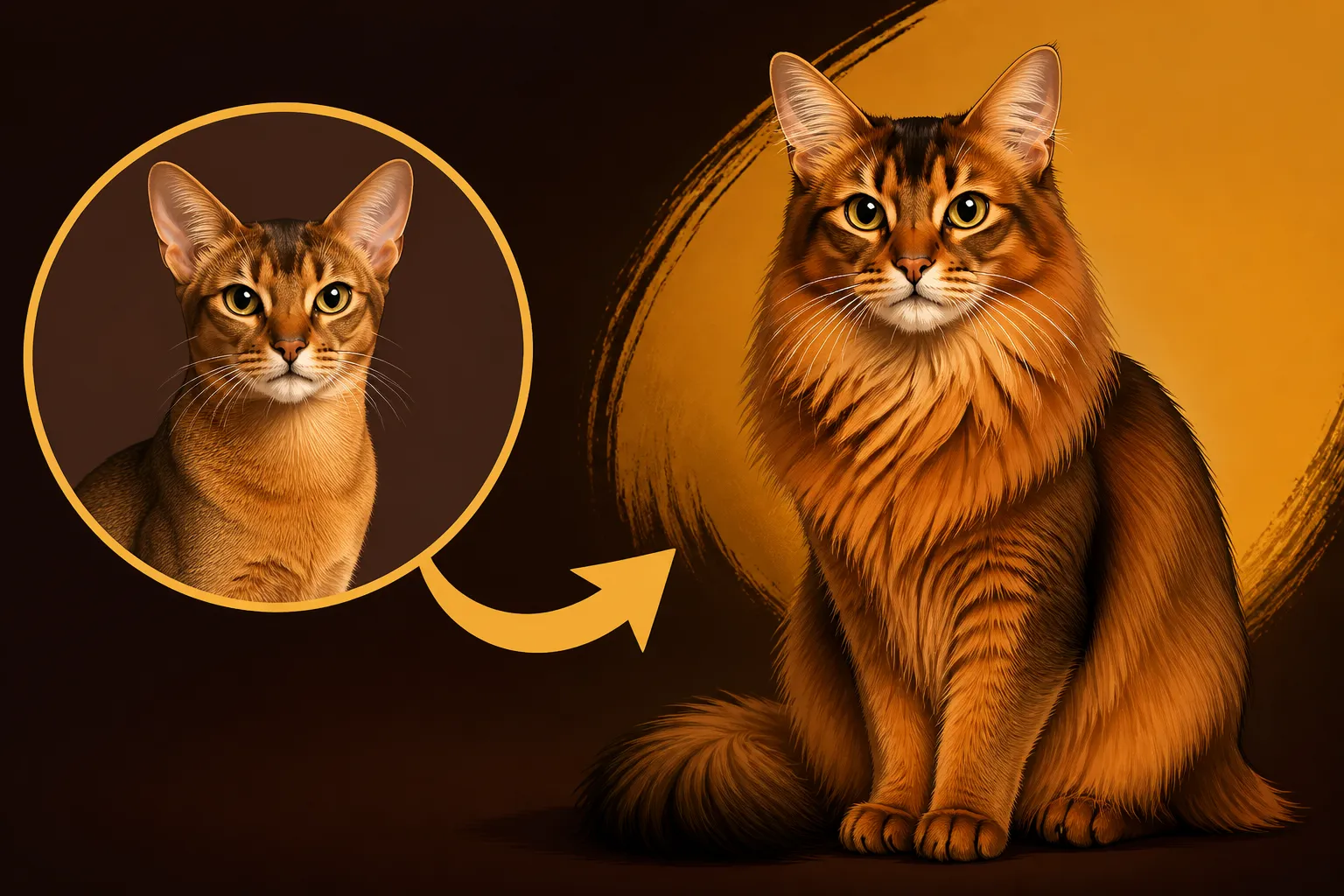
The Somali Is an Abyssinian With Long Hair
One common point of confusion for those new to the Abyssinian breed, or even experienced cat enthusiasts, is the existence of the Somali cat. Many people assume they are entirely separate breeds with no connection, but the truth is, the Somali is intrinsically linked to the Abyssinian, essentially being its long-haired counterpart. This guide will unravel the fascinating story of how the long hair gene emerged in Abyssinian lines and led to the recognition of a beloved new breed, helping you understand their shared heritage and distinct differences.
The Ticked Coat: Defining the Classic Abyssinian
When most people picture an Abyssinian, they envision a sleek, short-coated cat with a striking ticked pattern. This distinctive coat is, after all, one of the breed's most defining characteristics and a significant part of its ancient, almost wild appearance. It's the standard, the ideal, and what breeders have strived to perfect for generations.
What Makes an Abyssinian's Coat So Unique?
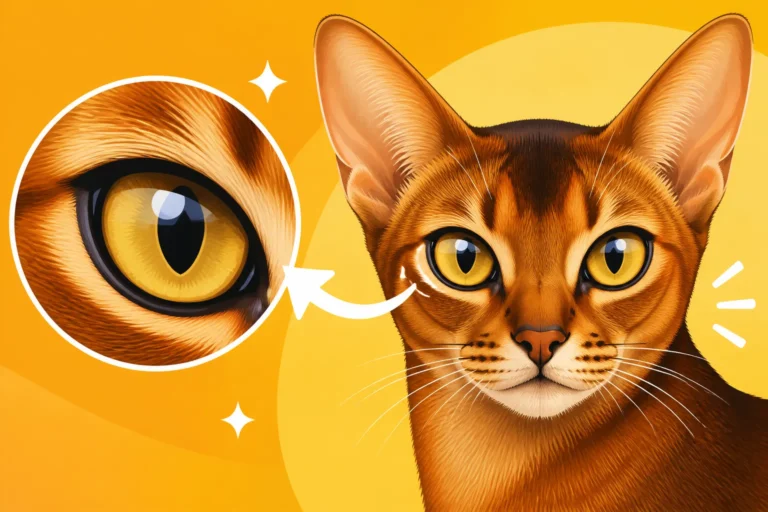
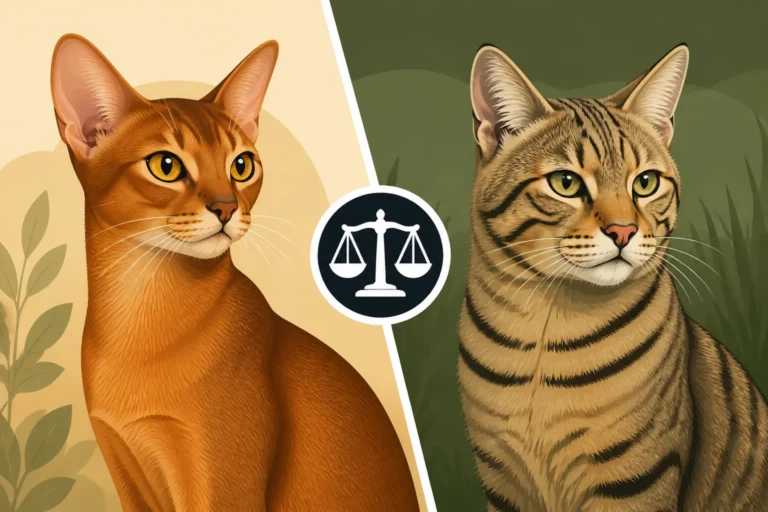
The Abyssinian's coat is a marvel of feline genetics and aesthetics. Unlike many tabby patterns with clear stripes or spots, the Abyssinian displays what's known as an agouti, or "ticked," pattern. This means that each individual hair has multiple bands of color, typically three or four, with lighter bands alternating with darker ones, usually ending in a dark tip. This banding gives the coat a shimmering, iridescent quality that changes as the cat moves, creating a wonderfully dynamic appearance without distinct markings.
What's also remarkable about the Abyssinian's coat is its texture and structure. It's incredibly fine, soft, and lies close to the body, giving the cat a remarkably smooth silhouette. This coat has very little undercoat, which contributes to its fine feel and also means that, compared to many other breeds, Abyssinians shed quite minimally. You won't find yourself constantly battling drifts of fur, which is a pleasant surprise for such an active cat. This unique combination of ticking, fine texture, and minimal shedding is truly what sets the classic Abyssinian apart in the world of pedigreed cats. The Ticked Coat Is the Whole Abyssinian Grooming Job
The Standard of the Breed: Short and Sleek
For decades, the short, ticked coat was not just preferred; it was the non-negotiable standard for the Abyssinian breed. Breeders and enthusiasts alike prided themselves on maintaining this specific trait, believing it to be fundamental to the breed's identity and historical look. Any deviation, especially the appearance of long hair, was often seen as an undesirable fault or even a sign of impure lineage. This rigid adherence to the short coat was understandable, given the focused effort to establish and refine the Abyssinian as a distinct breed in the cat fancy.
The short coat contributes significantly to the Abyssinian's athletic and graceful appearance. It highlights their muscular, lithe bodies and elegant lines, emphasizing their large, expressive ears and captivating almond-shaped eyes. The emphasis was always on a sleek, well-groomed look that exuded an almost wild elegance, reminiscent of ancient felines. This focus meant that kittens with anything other than the characteristic short coat were quietly "placed" as pets without registration, often without full disclosure of their genetic potential, as breeders worked diligently to select for the desired short-haired phenotype.
The history of the Abyssinian breed is steeped in this preference for the short coat, reflecting the desire to maintain a consistent and recognizable standard. Show judges would meticulously examine the coat, looking for the correct ticking and length, and any hint of a longer, fluffier texture would lead to disqualification. This relentless pursuit of the ideal short coat, however, also inadvertently masked a genetic secret that was patiently waiting to emerge, a secret that would eventually give rise to another beautiful breed.
The Unexpected Appearance of Long Hair in Abyssinian Litters
Despite the stringent focus on the short coat, genetic surprises have a way of surfacing. For years, long-haired kittens would occasionally appear in otherwise purebred Abyssinian litters, causing a mix of bewilderment and frustration among breeders who were striving for uniformity. These "fluffy Abyssinians," as they were sometimes affectionately or exasperatedly called, were a persistent enigma until the underlying genetics were better understood.
Whispers from the Past: Early Observations
The emergence of long-haired kittens in Abyssinian litters wasn't a sudden, new phenomenon; it was something that had been quietly happening for quite some time, often hushed up within breeding circles. Imagine the surprise and perhaps even dismay of a breeder, dedicated to the sleek Abyssinian standard, discovering a kitten with noticeably longer, softer fur nestled amongst its short-haired siblings. These occurrences were generally considered anomalies or "throwbacks," often attributed to an accidental outcross somewhere far back in the pedigree, even if no such outcross was officially recorded.
For many years, the standard practice was to quietly place these long-haired kittens in pet homes, sometimes at a reduced price, with strict agreements that they would be spayed or neutered and not bred. The idea was to eliminate the trait from the breeding pool and prevent its further spread, preserving the "purity" of the Abyssinian breed as it was understood then. There was a genuine concern that these kittens would be mistaken for mixed breeds or, worse, that their presence would somehow devalue the entire lineage. It was a frustrating situation for breeders who poured their heart and soul into their lines, only to have nature throw a genetic curveball.
However, these persistent appearances also sparked curiosity in some pioneering breeders. Instead of simply dismissing or hiding these kittens, a few individuals began to wonder about the genetic mechanisms at play. They suspected that this wasn't just a random mutation but rather a recessive gene that had been quietly carried through generations, perhaps hidden for so long because it only expressed itself when two carriers were bred together. This shift in perspective was the critical first step towards understanding, and eventually embracing, the long-haired variant.
The Genetic Basis: A Recessive Trait
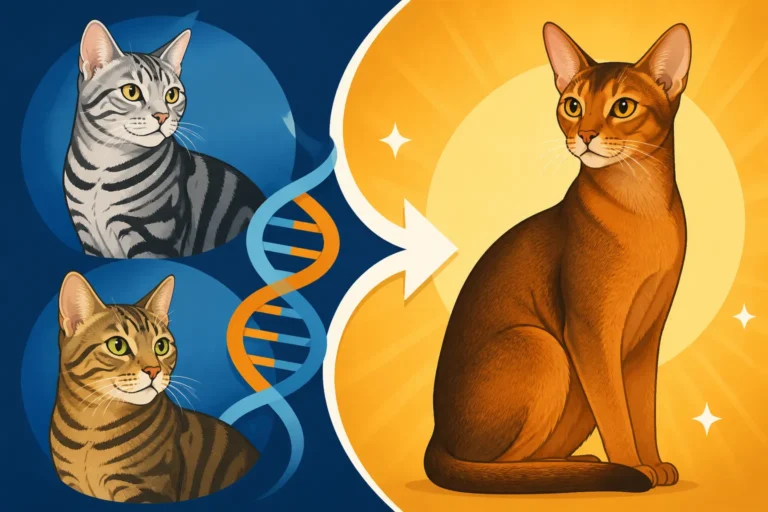
The mystery of the "fluffy" Abyssinian kittens eventually led to a better understanding of feline genetics, specifically regarding coat length. It turns out that the long hair trait is controlled by a single, recessive gene. This means that for a cat to display long hair, it must inherit two copies of this gene – one from its mother and one from its father. If a cat inherits even one copy of the dominant short-hair gene, it will have a short coat, even if it also carries a copy of the long-hair gene.
This genetic reality explains why the trait could remain hidden for so long within Abyssinian lines. A cat that carries one copy of the long-hair gene and one copy of the short-hair gene is called a "carrier." It looks just like any other short-haired Abyssinian, completely indistinguishable to the eye. However, when two such carriers are bred together, there's a statistical chance that some of their kittens will inherit two copies of the recessive long-hair gene and thus display long hair. This is why long-haired kittens could suddenly "pop up" in litters from seemingly pure short-haired parents.
Breeders who were initially baffled by these occurrences eventually grasped this concept. The recessive nature of the gene meant that generations of Abyssinian cats could carry the trait without ever showing it, quietly passing it down until the right genetic pairing occurred. Understanding this was a game-changer because it shifted the perspective from viewing these kittens as errors or impurities to recognizing them as a natural, albeit unexpected, expression of the breed's genetic diversity. It also paved the way for responsible breeding practices, using DNA tests to identify carriers and make informed decisions.
Why the Long Hair Gene Was in Abyssinians All Along
The presence of the recessive long hair gene in the Abyssinian gene pool isn't some strange anomaly; it's a testament to the breed's diverse and somewhat mysterious origins. While the Abyssinian is known for its short, ticked coat, its early development involved outcrossing with other domestic cats to establish the breed and expand its gene pool, especially during periods when the breed faced near extinction. These foundational cats, or even some of the later outcrosses, likely carried the long-hair gene, which then became integrated into the Abyssinian lines.
Consider the history of many modern cat breeds; very few were developed in complete isolation. Early cat fanciers and breeders often worked with local domestic shorthairs or other available breeds to achieve desired traits or to simply increase genetic diversity. In the case of the Abyssinian, records suggest that various cats were used in its early development in Britain, including potential crosses with local tabbies or other shorthairs. It's highly probable that some of these cats carried the long-hair gene (FGF5 mutation) without ever displaying it themselves, as they were phenotypically short-haired.
Once introduced, even if only one parent carried the recessive gene, it could be passed down through generations. Since it's recessive, it wouldn't be expressed unless a cat inherited two copies, meaning it could lie dormant and undetected for a very long time. This is a common occurrence in many animal breeds, where certain recessive traits, whether coat colors or lengths, can persist in the genetic background for centuries. So, rather than being an intrusion, the long-hair gene was simply a part of the Abyssinian's complex genetic tapestry from relatively early on, a hidden potential waiting for the right moment to reveal itself. Why the Long Hair Gene Was in Abyssinians All Along
From "Fluffy Abyssinians" to the Somali Breed
The journey from an unexpected "fluffy" kitten to a fully recognized and beloved breed, the Somali, is a testament to the dedication of pioneering breeders. It wasn't an easy path, often met with resistance and skepticism, but ultimately led to the establishment of a new breed that shares the heart and soul of the Abyssinian, simply adorned with a longer, more luxurious coat.
The Road to Recognition: Pioneers and Persistence
The road to formal recognition for the long-haired Abyssinian variant was long and arduous. For years, the idea of a long-haired Abyssinian was met with outright dismissal, even hostility, by some within the established cat fancy. The Abyssinian was defined by its short coat, and to suggest otherwise felt like an affront to the breed's identity. However, a small but determined group of breeders saw not a fault, but a unique beauty and an opportunity to expand the genetic heritage of the Abyssinian.
These pioneers faced significant challenges. They had to systematically prove that these long-haired cats were indeed genetically Abyssinian in every way except coat length. This involved meticulous record-keeping, careful selective breeding to consistently produce the long-haired trait, and extensive lobbying of cat registries. They believed strongly that these cats deserved recognition for their distinct aesthetic while retaining the Abyssinian's celebrated personality and intelligence. It was a fight against tradition and deeply ingrained perceptions, requiring immense patience and conviction.
The breakthrough came when enough individuals and their offspring could demonstrate consistent traits, including the Abyssinian's signature ticked pattern and vibrant personality, merely expressed on a longer coat. The tireless efforts of these dedicated individuals ultimately paid off, slowly shifting public and organizational opinion. This persistence laid the groundwork for the establishment of a new breed standard and eventually, the granting of championship status, proving that sometimes, breaking from tradition can lead to the creation of something equally, if not more, beautiful.
Who Bred the First Somali
While long-haired kittens had been cropping up in Abyssinian litters for decades, it was a dedicated American breeder, Evelyn Mague of Lyn-Lee cattery, who is widely credited with playing a pivotal role in establishing the Somali as a distinct breed. She recognized the beauty and potential in these "fluffy" kittens, which others had previously dismissed. Instead of shunning them, she embraced them, meticulously documenting their lineage and working to prove their genetic link to the Abyssinian.
Mague began a focused breeding program in the 1960s, deliberately breeding carriers of the long-hair gene to consistently produce these beautiful felines. She understood that by selecting for the long-hair trait, she could demonstrate that these cats were not genetic anomalies but rather a consistent, reproducible variant. Her efforts, along with those of other committed breeders, were crucial in gathering the necessary evidence and support to petition cat registries for official recognition. Who Evelyn Mague Was
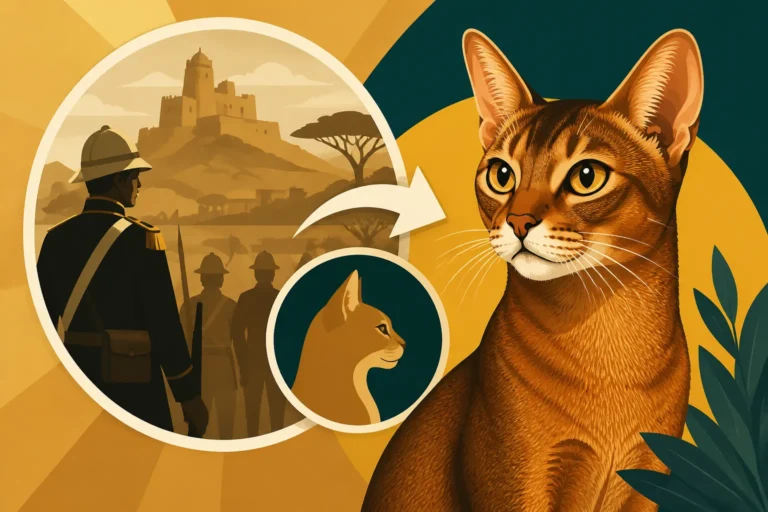
The name "Somali" was chosen for this new breed, and while it might seem geographically distant from the supposed origins of the Abyssinian (which itself is a misnomer, as we know the Abyssinian likely hails from Southeast Asia), it was a clever choice. Somalia borders Ethiopia (formerly Abyssinia), creating a thematic link that suggested a close relationship without implying they were simply "fluffy" Abyssinians. This distinct name helped cement their identity as a separate, albeit related, breed, allowing them to carve out their own niche in the cat fancy while still honoring their ancestral ties.
When the Somali Got Championship Status
The journey from being considered a "variant" to achieving full championship status was a significant milestone for the Somali breed, marking its official acceptance into the pedigreed cat world. After years of careful breeding, documentation, and advocacy by pioneers like Evelyn Mague, the first major cat association to grant the Somali Championship status was the Cat Fanciers' Association (CFA) in 1979. This was a monumental achievement, signaling that the Somali was no longer merely a curiosity but a recognized breed in its own right, deserving of competition and honor alongside other established breeds.
Achieving championship status meant that Somalis could now compete in conformation shows, earn titles, and contribute to the breed's official lineage. This opened doors for breeders to further refine the breed, focusing on health, temperament, and adherence to the newly established Somali breed standard. Other major registries around the world soon followed suit, recognizing the Somali's unique charm and its undeniable link to the Abyssinian. When the Somali Got Championship Status
The recognition was crucial for several reasons. It legitimized the breed, increasing its visibility and appeal to potential owners who might otherwise have been wary of a "non-standard" cat. It also allowed for greater genetic diversity within the Somali population, as breeders no longer felt compelled to hide or suppress the long-hair gene. The Somali, with its plumed tail, distinctive "trousers" on its hind legs, and luxuriant ticked coat, finally had its moment in the spotlight, celebrated for its unique beauty while embodying the vibrant, intelligent spirit of its Abyssinian ancestors.
A Tale of Two Coats: Distinguishing Abyssinian and Somali
While Abyssinians and Somalis share a common genetic lineage and a similar energetic personality, their most obvious difference, the coat, leads to a cascade of subtle distinctions in appearance, grooming needs, and even how they are perceived. It's truly a tale of two beautiful coats adorning the same spirited feline.
Physical Differences Beyond Coat Length
Naturally, the primary distinction between an Abyssinian and a Somali is the length of their coat. Abyssinians boast a short, close-lying coat, showcasing their sleek, athletic build. Their ticked fur accentuates their muscular frame and elegant contours, giving them a streamlined appearance that some describe as "miniature cougars." Every curve and muscle is visible, contributing to their wild, graceful aesthetic.
In contrast, the Somali presents a medium-long coat, often described as semi-longhaired. This longer fur creates a softer, more luxuriant outline. While the ticking is still very much present, the longer hairs soften the definition of their body, giving them a slightly fluffier, more regal look. Key areas where the length is most noticeable include a magnificent "ruff" around the neck, often described as a mane, and "breeches" or "trousers" on their hind legs, which are luxurious tufts of longer fur. Their tail transforms from the Abyssinian's relatively short, tapered tail into a glorious, full "fox brush" or plume. The ears often have distinct tufts of hair, adding to their wild charm.
These differences in coat length fundamentally alter the overall impression of each cat. The Abyssinian is all about sleek lines and understated elegance, while the Somali exudes a more opulent, plush beauty. Despite these visual divergences, looking beneath the fur, you'll still find the same lithe body, the same large, expressive ears, and the identical striking almond-shaped eyes that are hallmarks of both breeds. It's truly remarkable how one genetic difference can create such varied visual appeal within closely related cats.
Grooming Needs: Short vs. Long
Given their obvious coat differences, it should come as no surprise that the grooming needs of an Abyssinian and a Somali diverge quite a bit. If you’re used to the wash-and-wear nature of the Abyssinian, you’ll need to adjust your expectations and routine for a Somali.
The Abyssinian, with its remarkably fine, short, and close-lying coat, is generally considered a low-maintenance cat when it comes to grooming. A weekly brush with a rubber mitt or a soft bristle brush is usually sufficient to remove any loose hairs and keep their coat shining. The minimal undercoat means matting is rarely an issue, and their natural fastidiousness keeps them looking pristine most of the time. The grooming process for an Abyssinian often feels more like a bonding session than a chore, and they typically enjoy the attention. An Abyssinian Needs Brushing Once a Week and No More
The Somali, however, requires a more committed approach to grooming. While not as demanding as some truly long-haired breeds, their semi-long fur, especially the ruff, breeches, and plumed tail, can develop tangles and mats if not regularly attended to. A good quality slicker brush or a fine-toothed comb, possibly sourced from Chewy, should be used several times a week, if not daily, to keep their coat smooth and free of knots. Pay particular attention to the areas where fur is longest and friction is highest, such as under the "armpits" and around the "trousers." While they are still diligent self-groomers, they simply can't manage the longer fur on their own without some human assistance. Regular grooming not only keeps them looking their best but also helps to distribute natural oils, reduces shedding, and provides another opportunity for you to connect with your beautiful feline companion.
Behavioral Similarities: The Shared Spirit
Despite their distinct appearances, the most captivating aspect of both the Abyssinian and the Somali is their almost identical personality and temperament. This is where their shared ancestry truly shines through, demonstrating that the soul of the cat remains unchanged regardless of its coat length. If you've ever spent time with an Abyssinian, you'll immediately recognize that same vibrant, intelligent, and endlessly curious spirit in a Somali.
Both breeds are famously active, playful, and incredibly social. They thrive on interaction and often become deeply attached to their human families, following you from room to room, supervising your every activity. They are often described as "cats of perpetual motion," always exploring, climbing, and investigating. They possess a keen intelligence, making them highly trainable; many Abyssinians and Somalis enjoy learning tricks, playing fetch, and even walking on a leash. Their energy levels are consistently high throughout their lives, making them unsuitable for quiet, sedentary households. The Abyssinian Is the Busiest Cat in the House How Many Hours a Day an Abyssinian Stays Active
They also share a wonderfully expressive nature. Both breeds are known for their soft, trilling chirps and expressive body language, communicating their desires and opinions quite clearly. While they aren't typically "lap cats" in the traditional sense – they prefer to be with you rather than on you – they are incredibly affectionate and will often choose to perch on your shoulder, rub against your legs, or simply be in the same room. The sheer joy and vivacity they bring to a home are unparalleled. So, whether you choose an Abyssinian or a Somali, you're bringing a whirlwind of intelligent, playful, and loving energy into your life.
The Genetics Unpacked: Understanding the Longhair Allele
Delving into the genetics behind the long hair trait helps clarify why it appears, how it can be managed by breeders, and why the Somali is fundamentally an Abyssinian with a specific genetic tweak. Understanding the science removes the mystery and empowers breeders and owners alike.
The FGF5 Gene and Its Mutation
At the heart of cat coat length lies a specific gene known as Fibroblast Growth Factor 5, or FGF5. This gene plays a crucial role in regulating the hair growth cycle. In most cats, the FGF5 gene produces a protein that essentially signals hair follicles to stop growing once a certain length is reached, resulting in a short coat. However, a specific mutation, or alteration, within this FGF5 gene changes that signal.
When a cat inherits two copies of this mutated FGF5 gene, the signal to stop hair growth is either weakened or entirely absent. This allows the hair to continue growing for a longer period, resulting in a medium-long or long coat. It's a classic example of a recessive genetic trait: the normal, short-hair version of the gene is dominant, meaning if a cat has even one copy of it, its hair growth will be regulated to produce a short coat. Only when both copies of the FGF5 gene are the mutated, recessive long-hair variant does the cat actually express the long-haired phenotype.
Scientists have identified several different mutations in the FGF5 gene that can lead to long hair in various cat breeds, but the principle remains the same. For Abyssinians and Somalis, it’s a specific variant that causes the plush, semi-long coat characteristic of the Somali. This understanding has revolutionized breeding practices, allowing breeders to predict and manage coat length with precision, moving away from guesswork and toward informed genetic selection.
Identifying Carriers: The Importance of Genetic Testing
For breeders aiming to maintain an Abyssinian line free of the long-hair gene, or for those deliberately breeding Somalis, identifying carriers of the recessive long-hair allele is absolutely crucial. As we've discussed, a carrier Abyssinian looks exactly like any other short-haired Abyssinian; there's no visual cue to tell you it carries the long-hair gene. Without genetic testing, breeding decisions would be a shot in the dark, leading to unexpected long-haired kittens and potentially frustrating situations for breeders who want to stick strictly to the Abyssinian standard.
Thankfully, modern veterinary science offers affordable and accessible DNA tests that can pinpoint the presence of the FGF5 mutation. These tests typically involve a simple cheek swab, which can be collected by a vet or even by the owner at home and sent to a specialized feline genetics lab. The results will clearly indicate whether a cat is "clear" (meaning it has two copies of the short-hair gene and cannot pass on the long-hair trait), a "carrier" (one short-hair gene, one long-hair gene, will pass on the long-hair trait to 50% of its offspring), or "affected" (two long-hair genes, meaning it has long hair and will pass one copy to 100% of its offspring).
The implications of these tests are profound. For Abyssinian breeders, testing allows them to ensure they are only breeding clear cats, thus guaranteeing that no long-haired kittens will ever appear in their litters. For Somali breeders, it confirms that their breeding stock is carrying the desired gene. Moreover, for a pet owner purchasing an Abyssinian kitten, knowing the genetic status of its parents provides peace of mind that their kitten will indeed grow up with the characteristic short coat. This level of transparency and scientific backing has brought much-needed clarity and control to breeding programs for both Abyssinians and Somalis. How the Abyssinian's DNA Panel Is Ordered How a Carrier Abyssinian Differs From an Affected One
Why Two Clear Abyssinian Parents End the Problem
The beauty of understanding recessive genetics, particularly concerning the FGF5 gene, is that it provides a clear pathway for breeders to control coat length. If an Abyssinian breeder is committed to producing only short-haired Abyssinian kittens and avoiding the long-haired trait entirely, the solution is straightforward: ensure both parent cats are genetically "clear" of the long-hair gene.
When a cat is tested and found to be "clear," it means it possesses two copies of the dominant short-hair allele and zero copies of the recessive long-hair allele. Therefore, it can only pass on the short-hair allele to its offspring. If you breed two such "clear" Abyssinian parents together, every single kitten in their litter will inherit a short-hair allele from each parent. This guarantees that all offspring will be phenotypically short-haired and, importantly, will also be genetically "clear" themselves, meaning they cannot pass on the long-hair gene to their own future offspring.
This simple genetic principle effectively "ends the problem" of unexpected long-haired kittens for breeders who wish to avoid them. It removes the guesswork and reliance on visual assessment alone, which can be misleading since carrier cats look identical to clear cats. By utilizing readily available DNA testing and making informed breeding choices based on those results, breeders can maintain consistent lines of Abyssinians that strictly adhere to the short-haired breed standard, ensuring predictability and genetic integrity. Why Two Clear Abyssinian Parents End the Problem
Ethical Breeding and the Future of Both Breeds
The presence of the long-hair gene within Abyssinian lines and the subsequent establishment of the Somali breed highlights critical aspects of ethical breeding: transparency, genetic health, and the responsible management of inherited traits. It's a delicate balance that ensures the health and longevity of both magnificent breeds.
Managing the Long Hair Gene in Abyssinian Lines
For Abyssinian breeders, the approach to the long-hair gene is typically one of careful management. While some breeders may deliberately test and exclude carriers from their breeding programs to ensure all offspring are exclusively short-haired, others might choose to use a carrier in their breeding program if that cat possesses other exceptionally desirable traits, such as outstanding conformation or temperament. In such cases, the breeder would then ensure that the carrier is only bred to a cat that is "clear" of the long-hair gene. This ensures that while 50% of the kittens might still be carriers, none will actually have long hair, and they can then test the kittens to identify which ones are carriers and place them in pet homes with a spay/neuter agreement.
Transparency is paramount. Reputable Abyssinian breeders will be upfront about their cats' genetic testing results for FGF5, as well as other common genetic conditions like Pyruvate Kinase Deficiency and PRA-rdAc. They should readily provide copies of these test certificates for both parents. If a breeder is evasive or claims testing isn't necessary, it's a significant red flag. Which Diseases an Abyssinian Breeder Must Declare
Ultimately, the goal for Abyssinian breeders is to make informed decisions that serve the health and integrity of their lines. Whether they aim to entirely eliminate the long-hair gene or strategically manage its presence, the use of genetic testing and responsible breeding practices ensures that prospective owners receive healthy, genetically predictable kittens that meet the breed standard they expect.
The Value of the Somali in the Cat Fancy
The recognition and growth of the Somali breed are a testament to the value of genetic diversity and the appeal of different aesthetic expressions within a shared genetic background. The Somali isn't just a "fluffy Abyssinian"; it's a distinct breed that brings its own unique contribution to the cat fancy, appealing to those who adore the Abyssinian's personality but prefer a cat with a more flowing, luxurious coat.
Somalis offer a stunning visual appeal with their plumed tails, full ruffs, and soft, medium-long ticked coats that shimmer with every movement. They have carved out their own niche, proving that there's ample room for variations when those variations are consistently bred for health, temperament, and beauty. Their existence provides an alternative for cat lovers who are captivated by the active, intelligent, and social nature of the Abyssinian but are drawn to the elegance of longer fur.
Furthermore, the Somali serves as a vital genetic reservoir. By continuing to breed Somalis, the long-hair gene remains active and healthy within a recognized population. This prevents it from being entirely suppressed and potentially lost, which could limit future breeding options or genetic studies. The Somali's presence enriches the cat world, offering a breed that is as captivating in appearance as it is in personality, upholding the energetic and intelligent spirit of its ancestors while standing proudly on its own four well-plumed paws.
Why Abyssinians and Somalis Are Still Bred Together
While the Somali is now a fully recognized breed, it's not uncommon, and indeed, sometimes beneficial, for Abyssinian and Somali breeders to occasionally cross their lines. This practice, when done responsibly and with clear objectives, plays a crucial role in maintaining the genetic health and diversity of both breeds. It's not about "un-doing" the work of establishing separate breeds, but rather about strategic genetic management.
One primary reason for such cross-breeding is to introduce fresh bloodlines and broaden the genetic pool. If a Somali line becomes too narrow, a cross with a genetically sound Abyssinian can help to bring in new genes, strengthening the overall vitality and potentially reducing the risk of inherited health issues that can sometimes arise from limited gene pools. Similarly, an Abyssinian breeder might introduce a Somali (or a carrier Abyssinian from Somali lines) to gain a specific conformation or temperament trait that is particularly strong in certain Somali pedigrees, understanding that they would then need to manage the recessive long-hair gene in subsequent generations.
When Abyssinians and Somalis are bred together, all the resulting kittens will be short-haired, but they will all be carriers of the long-hair gene. These kittens can then be used in further breeding programs, either to produce more Somalis (by breeding two carriers together) or to strategically pass on desired Abyssinian traits while being mindful of the carrier status. Ethical breeders will always be transparent about these pairings, documenting them carefully and using genetic testing to track the long-hair gene. This careful interbreeding ensures that both Abyssinians and Somalis remain robust, healthy, and true to their shared, vibrant heritage.
Living with an Abyssinian or a Somali: What to Expect
Whether you choose a sleek Abyssinian or a plush Somali, you're bringing a bundle of energy, intelligence, and affection into your home. Their similarities in temperament mean that the daily realities of living with either breed are remarkably consistent, focusing on meeting their high needs for activity and companionship.
Energy Levels and Mental Stimulation
Let's be clear: neither the Abyssinian nor the Somali is a "couch potato" cat. These are highly active, intelligent, and perpetually curious felines who demand interaction and stimulation. They possess incredible energy levels, often racing through the house, climbing to the highest vantage points, and exploring every nook and cranny. If you're looking for a quiet, independent cat that will snooze on your lap all day, these breeds are not for you. The Abyssinian Is the Busiest Cat in the House
To keep an Abyssinian or a Somali happy and well-adjusted, you'll need to provide ample opportunities for both physical exercise and mental engagement. Daily play sessions with wand toys, laser pointers, and interactive games are not optional; they are essential. These cats thrive on "having a job" and love puzzle feeders that challenge their minds. Without sufficient mental and physical outlets, they can become bored, which often manifests as destructive behaviors like opening cabinets, pulling items off shelves, or incessant vocalization.
Think of them as small, agile athletes and clever problem-solvers. They love to learn tricks, play fetch, and engage in anything that stimulates their intelligent minds. Investing in a variety of toys, rotating them frequently to keep things fresh, and dedicating time each day to active play will go a long way in ensuring your Abyssinian or Somali remains a joyful and well-behaved member of your family.
Social Needs: Companion Cats
Beyond their boundless energy, both Abyssinians and Somalis are profoundly social creatures. They are not content to be left alone for extended periods and genuinely thrive on companionship, whether from their human family or other pets. If you have a busy lifestyle that requires you to be away from home for many hours a day, a single Abyssinian or Somali might struggle with loneliness.
These breeds often form deep bonds with their owners, becoming true shadow cats who follow you from room to room, keenly observing your activities. They participate in household life rather than simply coexisting. They will "talk" to you with soft trills and chirps, engaging you in conversation and making their presence known. This intense social need means they are often happiest in homes where they receive plenty of attention and interaction.
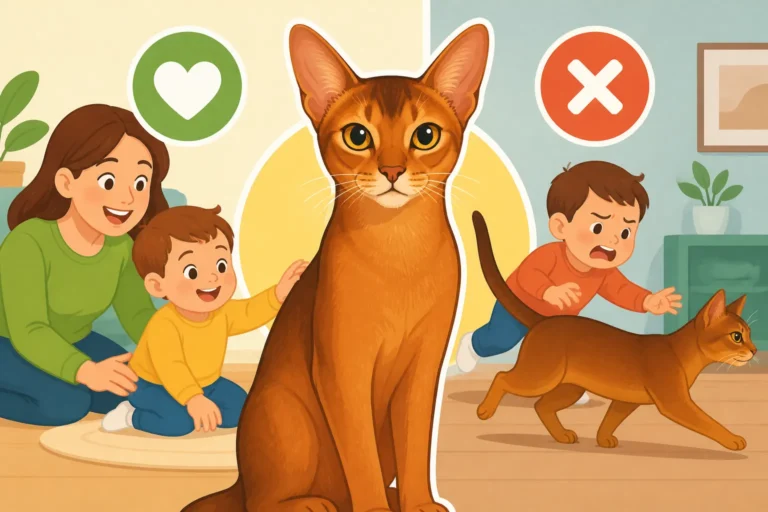
For individuals or families who are frequently out of the house, a second cat is almost a necessity for an Abyssinian or Somali. Another cat, especially one with a similar energy level, can provide the companionship and playmate they crave, preventing boredom and loneliness. They generally get along well with respectful dogs and older, considerate children, making them excellent family pets for active households. Their need for connection is as strong as their need for activity, making them wonderfully interactive companions for those prepared to meet their social demands. Why a Second Cat Suits an Abyssinian
Preparing Your Home for a Dynamic Duo
Bringing an Abyssinian or Somali into your home means preparing for an active, intelligent, and vertically-oriented feline. These aren't cats content to stay on the ground; they view their world in three dimensions and will seek out the highest perches available. So, catifying your home is less of an option and more of a requirement for their happiness and your sanity.
Investing in sturdy, tall cat trees is a must. Look for options with multiple levels, scratching surfaces, and cozy perches. Even better are wall-mounted shelves and catwalks that create vertical highways for them to explore. These give them the height they instinctively crave and allow them to survey their domain from above, which helps them feel secure and stimulated. When selecting these, consider the size and agility of an Abyssinian – they can jump impressively high and wide, so ensure shelves are securely mounted and spaced appropriately. Many great options can be found through retailers like Chewy. An Abyssinian Needs Height More Than It Needs Floor
Beyond vertical space, you'll want to secure anything precious or potentially dangerous. Abys and Somalis are notorious for opening cabinets, pushing things off counters, and investigating forbidden zones. Childproof latches on cabinets, especially those containing food, medications, or breakables, are highly recommended. Engage their minds with puzzle feeders instead of leaving food in a bowl, and provide plenty of robust, engaging toys to keep them occupied. A well-prepared home, rich in environmental enrichment, will create a safe and stimulating environment for your spirited Abyssinian or Somali, channeling their immense energy into positive exploration rather than mischievous destruction.
| Feature | Abyssinian | Somali |
|---|---|---|
| Coat Length | Short, close-lying | Medium-long, semi-longhaired |
| Coat Texture | Fine, sleek, minimal undercoat | Soft, plush, denser |
| Ticking | Prominent, shimmers | Prominent, slightly softer |
| Tail | Relatively short, tapered | Full, bushy "fox brush" |
| Ears | Large, tufted (minimal) | Large, often with distinct ear tufts |
| Ruff/Breeches | Absent | Present (mane, trousers) |
| Grooming | Low maintenance, weekly brush | Moderate, several times a week brushing |
| Shedding | Minimal | Moderate (due to longer hairs) |
| Temperament | Highly active, intelligent, social | Highly active, intelligent, social |
| Genetic Link | Parent breed | Long-haired variant of Abyssinian |
Disclaimer
This article is for general informational purposes only and does not constitute professional advice. Laws, prices and regulations vary by location and change over time. Consult a qualified professional for guidance on your specific situation.