What a Blue Abyssinian Looks Like
It can be incredibly confusing when you're first learning about Abyssinian cats, especially when breeders start talking about "blue" Abyssinians. You might imagine a cat with fur the color of the ocean or a bright sapphire, but the reality is much more subtle and, frankly, often a point of confusion for newcomers. This guide will walk you through exactly what a blue Abyssinian looks like, from the nuances of its ticked coat to the sparkle in its eyes, helping you understand this elegant variation of a beloved breed.
The Allure of the Blue Abyssinian Coat
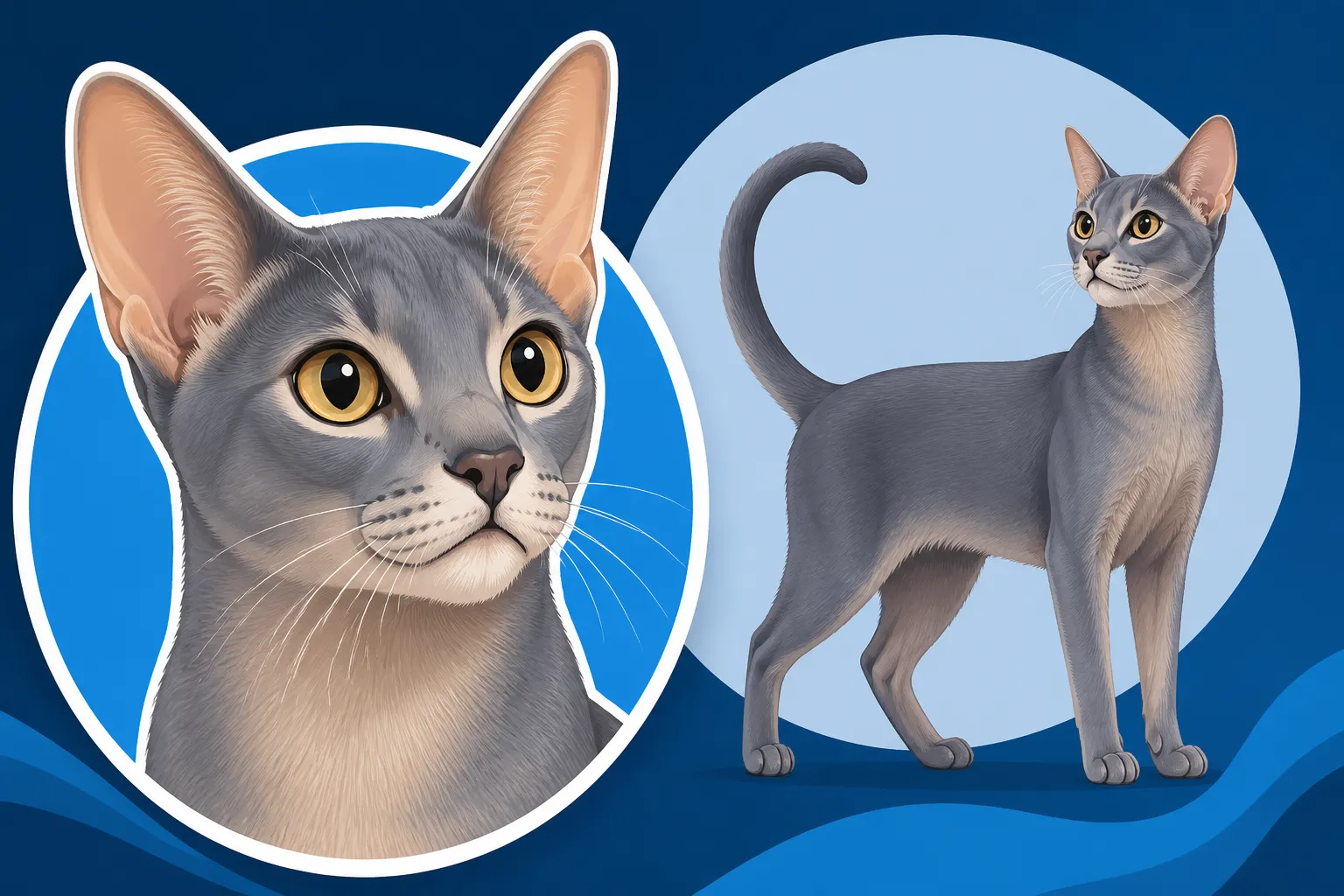
When someone says "blue Abyssinian," it's not the vivid, cartoonish blue you might picture. Instead, think of a deep, muted slate grey, often with warmer undertones that can make it appear almost taupe or plum in certain lights. It's a sophisticated, understated color that truly embodies the Abyssinian's regal nature. Many prospective owners are surprised when they first see a blue Abyssinian, expecting something brighter, but they quickly fall in love with its unique depth and shimmer.
Understanding the "Blue" in Abyssinian Terms
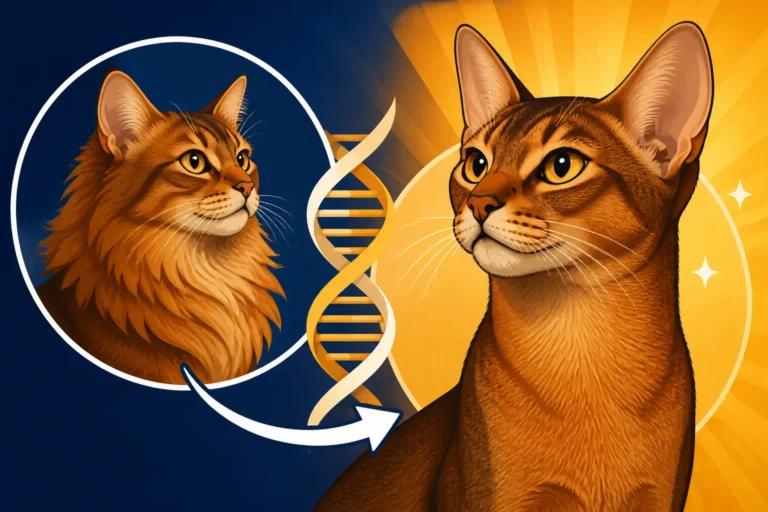
The "blue" in an Abyssinian is actually a diluted form of the ruddy (or usual) color, which is genetically black. This dilution gene essentially "waters down" the intensity of the black pigment, turning it into a soft, powdery grey-blue. Imagine taking a bold black paint and adding a touch of white – you don't get a stark grey, but a softer, smokier shade. This is precisely What Dilution Does to a Blue Abyssinian. The undercoat, or the banding closest to the skin, will typically be a warm cream or oatmeal color, creating a beautiful contrast that contributes to the overall iridescent effect of the coat.
This isn't a solid blue cat like a Russian Blue; it's still a ticked tabby, meaning each individual hair has bands of color. For a blue Abyssinian, these bands alternate between the diluted grey-blue and a lighter, sandy-cream color, leading to a breathtaking depth that you really have to see in person to appreciate. It's this intricate banding that gives the Abyssinian its signature "shimmer" as it moves, making it look as though liquid light is rippling over its fur.
The Distinctive Ticking Pattern of a Blue
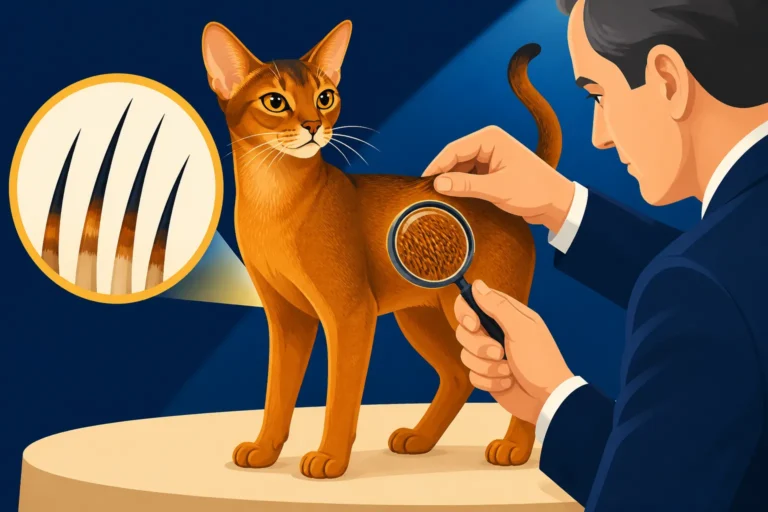
The ticking on a blue Abyssinian is perhaps its most defining characteristic, setting it apart from solid-colored cats and even other ticked breeds. Instead of stripes or spots, the ticking creates a uniform, flecked appearance across the body. Each individual hair on an Abyssinian's body typically carries three or four bands of color, with the darkest color at the tip. For a blue, this means bands of blue-grey alternating with a lighter, sandy-beige, culminating in a blue-grey tip. This is How Many Bands an Abyssinian Hair Carries, and it's what creates that famous "agouti" effect.
When you look closely at a blue Abyssinian, you won't see clear tabby stripes on the body, though some subtle ghost tabby markings might be visible on the legs or face, especially in kittens. The goal for breeders is a perfectly clear, untraced body ticking. The effect is truly mesmerizing; it's like looking at a miniature wild cat, perfectly camouflaged. This intricate ticking, combined with the diluted blue hue, makes the blue Abyssinian's coat a masterpiece of natural coloration.
How Lighting Changes the Blue Abyssinian's Appearance
One of the most fascinating aspects of an Abyssinian's ticked coat, particularly for the blue variety, is how dramatically its appearance can shift under different lighting conditions. What looks like a cool slate grey in bright daylight might take on warmer, almost purplish or taupe tones indoors under incandescent light. The way the light catches the individual bands on each hair creates an optical illusion, making the color seem to deepen, lighten, or even change hue entirely.
It's not uncommon for an owner to bring their blue Abyssinian home and suddenly see a slightly different shade than they remembered from the cattery, simply because the lighting is different. This chameleon-like quality is part of the breed's charm and explains why photos don't always do them justice. The depth and dimension of the blue coat are truly dynamic, often appearing softer and more muted in dim light, then shimmering with a silvery-blue sheen when sunlight hits it just right. If you're looking at pictures online, remember that the true beauty of a blue Abyssinian's coat often lies in its subtle variations, which digital images struggle to capture. You can find many products on Chewy that highlight a cat's healthy coat, which helps bring out these beautiful colors.
Beyond the Blue: Complementary Features
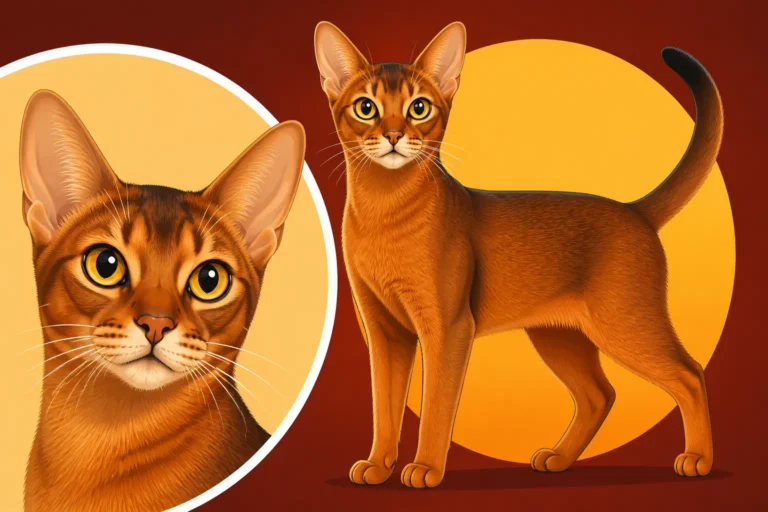
While the coat color is certainly the star of the show for a blue Abyssinian, it's the harmony of its other features that truly completes its stunning look. The eyes, the distinctive facial markings, and the graceful body all contribute to the overall impression of elegance and intelligence that defines the breed. These complementary features are carefully considered by breeders striving for What an Abyssinian Looks Like Against the Show Standard.
The Eye Color That Hypnotizes
The eyes of a blue Abyssinian are a striking contrast to their muted coat, often piercing and expressive. The breed standard calls for eyes that are large, almond-shaped, and brilliantly colored. For blue Abyssinians, the accepted eye colors are typically gold or green. A true Abyssinian eye is deeply expressive, often described as having an "oriental" look, contributing to their wild, yet refined, appearance.
Imagine golden eyes shimmering against the cool blue-grey of their face, or emerald green eyes that sparkle with curiosity. These intense eye colors create a captivating focal point, drawing you in and reflecting the Abyssinian's famously active and intelligent nature. The richer and deeper the eye color, the more desirable it is, adding another layer of beauty to their already unique coloration.
The Outline of the Abyssinian's Ears and Tail
The subtle details around the ears and tail also play a significant role in defining the blue Abyssinian's look. Their large, expressive ears are typically set wide apart, giving them an alert, attentive posture. For a blue Abyssinian, the ear tips and rims will usually be the darkest shade of blue-grey, echoing the ticking on their body. Inside the ears, you might notice lighter, sometimes almost fawn-colored, hair, creating a delicate contrast. This dark outlining on the ears adds definition to their graceful head shape.
Similarly, the tail is another area where the depth of the blue color is prominent. An Abyssinian's tail is generally long and tapers to a point, and for the blue variety, the tip of the tail will be a solid, rich blue-grey, matching the darkest banding of their coat. This unbroken block of color at the tail's end is a characteristic hallmark of the breed's ticking pattern. The contrast between the ticked body and the solid dark tail tip, along with Why an Abyssinian's Eye Rim Is Outlined in dark pigment, completes their polished appearance.
The Overall Body Type and Elegance
Beyond their mesmerizing coat and captivating eyes, the blue Abyssinian boasts a distinctive body type that speaks to its agile and athletic nature. They are often described as having a "foreign" body type – lithe, muscular, and medium-sized, with long, slender legs and small, oval paws. Despite their lean build, they carry a surprising amount of muscle, which is evident in their powerful jumps and graceful movements. How an Abyssinian's Body Type Is Called often emphasizes their elegant arch and well-developed musculature without being bulky.
When a blue Abyssinian moves, it’s a study in fluidity. Their movements are often compared to those of a wild animal, quick and precise, always alert to their surroundings. This athletic frame is perfectly complemented by their finely ticked blue coat, making them look like miniature wild cats gracefully navigating their environment. They have a certain regal bearing, holding themselves with an inherent dignity that belies their playful, sometimes mischievous, personalities. It's this combination of physical grace and sophisticated coloring that makes the blue Abyssinian so striking.
The Genetics Behind the Blue Hue
Understanding the "blue" in an Abyssinian isn't just about what you see; it's about the fascinating genetics working behind the scenes. Unlike many other cat breeds where "blue" might be a primary color, in Abyssinians, it's a specific genetic modification of the more common ruddy color. This makes the blue Abyssinian a testament to the intricate patterns of inheritance that create such diverse and beautiful felines.
How Dilution Affects the Abyssinian's Coat
The blue color in Abyssinians is the result of a recessive gene called the "dilution gene" (d/d). This gene, when present in two copies, dilutes the black pigment (eumelanin) found in the ruddy (black-based) Abyssinian coat. Instead of appearing black, the pigment granules are spread out and clumped, which makes the color appear as a softer, muted grey-blue. Think of it like taking a dense concentration of black ink and spreading it thinly; it no longer looks black but a lighter shade.
This dilution gene doesn't just affect the black pigment; it also dilutes the red pigment (phaeomelanin) if present in other colors like sorrel. However, for a blue Abyssinian, it specifically impacts the black-based areas of the ticked pattern, turning them from a rich black or brown to the characteristic blue-grey. Without this dilution gene, a cat carrying the underlying "black" genetic code would simply be a ruddy Abyssinian. It's a precise genetic tweak that results in this stunning, soft hue. You can learn more about this by researching How an Abyssinian's Coat Color Is Registered.
Blue's Relationship to Other Abyssinian Colors
The blue Abyssinian exists within a spectrum of colors recognized for the breed, each stemming from a primary pigment (black or red) and modified by dilution genes. The four primary colors are Ruddy (black-based), Sorrel (red-based), Blue (diluted ruddy), and Fawn (diluted sorrel). So, a blue Abyssinian is essentially the "dilute" version of a ruddy Abyssinian. This means that if you have a ruddy Abyssinian carrying the dilution gene, and it's bred with another cat also carrying that gene, you could get blue kittens in the litter.
It's a common misconception that blue is a rare or exotic color for Abyssinians. While it might be less common than ruddy or sorrel in some regions, it's a well-established and recognized color. Understanding this genetic relationship helps explain why blue Abyssinians often have relatives that are ruddy, or even fawn if the red gene is also present in their lineage. It's all part of the intricate tapestry of Abyssinian genetics.
The Blue Abyssinian in a Lineage
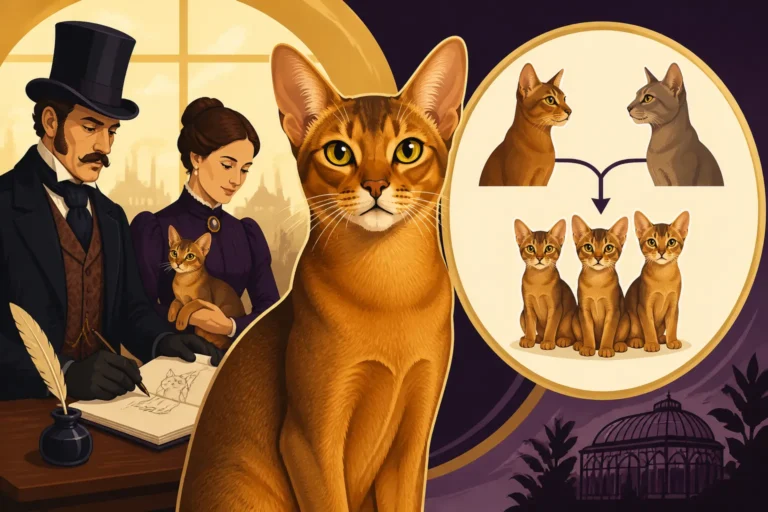
When considering a blue Abyssinian, particularly from a breeder, understanding its lineage is crucial, especially regarding its color. Because blue is a recessive trait, both parents must carry the dilution gene to produce blue kittens. This means a blue Abyssinian's parents might be blue themselves, or they could be ruddy Abyssinians who are "carriers" of the blue dilution gene. Knowing the color history of the parent cats can give you insight into the genetic health and predictability of the kittens' colors.
Breeders who specialize in blue Abyssinians will often carefully plan matings to ensure the desired color expression while maintaining other important breed characteristics like health and temperament. For instance, a breeder might pair a blue queen with a ruddy stud known to carry the blue gene to produce a healthy litter with a good chance of blue offspring. This meticulous approach helps ensure the integrity of the blue line and contributes to the overall genetic diversity and health of the breed. It's a complex dance of genetics, but one that dedicated breeders navigate to bring these beautiful cats into the world. If you're looking for a specific color like blue, it's always wise to inquire about the parents' genetic backgrounds, not just their visible colors.
Recognizing a True Blue: What to Look For
It's easy to be charmed by any Abyssinian, but if your heart is set on a blue, knowing what distinguishing features to look for is key. The nuances of color and pattern can be subtle, especially for an untrained eye. Understanding these details will help you confidently identify a genuine blue Abyssinian, whether you're looking at pictures or meeting one in person.
Distinguishing Blue from Other Dilute Colors
The primary challenge in identifying a blue Abyssinian often lies in distinguishing it from other dilute colors, most notably fawn. Both are dilute colors, but blue is the dilute of black, while fawn is the dilute of sorrel (which is red-based). This means a blue Abyssinian will have a cool, grey-based tone, sometimes with plum or taupe hints, but always rooted in grey. Its nose leather and paw pads will also be blue-grey, often edged with a darker color.
In contrast, a fawn Abyssinian will have a warmer, much lighter sandy or pinkish-beige coat, as it's the diluted version of sorrel. Its nose leather and paw pads will also reflect this warmer tone, appearing pinkish or old rose. While both are muted, the underlying pigment—black for blue, red for fawn—creates distinct temperature differences in their coats. If you place a blue and a fawn side-by-side, the blue will clearly appear cooler and more grey, while the fawn will be decidedly warmer and paler. It's a subtle but important distinction.
Common Misconceptions About Blue Abyssinian Appearance
One of the biggest misconceptions about blue Abyssinians is their perceived rarity or exoticness. While certainly beautiful, they are a recognized and established color, not a newly developed or "rare" variation that commands an exorbitant price due to novelty. Another common misunderstanding is that they will be a vibrant, bold blue. As discussed, the color is a muted, sophisticated grey-blue, not a bright, primary blue. Expecting a cartoonish blue will lead to disappointment, but embracing the elegance of their actual shade will be a delight.
Furthermore, some people might confuse a blue Abyssinian with other grey-colored cat breeds, such as a Russian Blue or Korat. However, the Abyssinian's distinctive ticked pattern, slender body, and large, almond-shaped eyes immediately set it apart from these solid-colored, rounder-faced breeds. The Abyssinian's coat is designed to shimmer and change with light, a characteristic not typically found in solid grey cats. Always remember the ticking; it's the Abyssinian's signature. Many useful resources on Chewy delve into breed-specific characteristics like these.
When a Blue Abyssinian Kitten's Color Develops
If you're looking at blue Abyssinian kittens, it's important to know that their adult color doesn't fully develop overnight. Abyssinian kittens, regardless of their final color, are often born looking somewhat "blotchy" or darker than their adult selves. The ticking pattern, which is so characteristic of the breed, gradually refines and clears as they mature. For a blue Abyssinian kitten, this means they might appear a bit darker or even less uniformly blue-grey in their early weeks.
The true blue hue and the clarity of the ticking usually start to become apparent around 3-6 months of age, and their coat can continue to develop and deepen in richness up to two years old. So, if you see a young blue Abyssinian kitten, don't expect its coat to be as perfectly developed and lustrous as an adult's. It's a gradual transformation, revealing the full glory of their "blue" as they grow. This developmental process is part of When an Abyssinian Kitten's Adult Ticking Arrives.
Here's a quick reference table to help distinguish between the core Abyssinian colors:
| Color | Primary Pigment Base | Dilution Status | General Appearance | Nose Leather & Paw Pads |
|---|---|---|---|---|
| Ruddy | Black | Undiluted | Warm reddish-brown, often with dark banding | Brick red, black pads |
| Sorrel | Red | Undiluted | Bright copper red, with chocolate-brown banding | Rose, pink pads |
| Blue | Black | Diluted | Soft slate grey, with warmer beige/oatmeal undertones | Blue-grey, blue pads |
| Fawn | Red | Diluted | Pale pinkish beige, with cream undertones | Old rose, pink pads |
The Blue Abyssinian in the Show Ring and at Home
Whether you're looking for a show-stopping champion or a beloved family pet, the blue Abyssinian brings its unique beauty and spirited personality to any home. Understanding the breed standards and how to best care for their distinctive coat will ensure your blue Abyssinian thrives, both aesthetically and physically.
Show Standard for a Blue Abyssinian
For those interested in showing, a blue Abyssinian is judged against a specific set of criteria that emphasizes the purity of its color and ticking. The ideal blue coat should be a soft, powder blue, with the darker bands on each hair being a deep slate blue, and the lighter bands a warm cream or oatmeal color. The overall impression should be one of a soft blue tone, free from any ruddy or sorrel tones. The ticking should be even and clear, without any barring or tabby stripes on the body, which are considered faults.
The darkest points, such as the tail tip, ear tips, and the outline around the eyes, should perfectly match the blue banding of the coat. A blue Abyssinian should exhibit the characteristic "agouti" pattern, where the individual hairs are banded, creating the shimmery effect, rather than solid color. Any visible barring on the legs or a "necklace" marking on the chest would be penalized. Judges are looking for an overall harmonious appearance, where the blue color is consistent and beautifully expressed throughout the entire cat.
Living with a Blue Abyssinian: Grooming and Care
Caring for a blue Abyssinian's coat is surprisingly low-maintenance, thanks to its unique structure. The ticking means that each hair has multiple color bands, and they typically have a very fine, close-lying coat with minimal undercoat. This translates to less shedding compared to many other breeds, which is a huge plus for homeowners. Regular grooming is more about maintaining the coat's natural shine and distributing skin oils than tackling mats or excessive shedding.
A weekly brush with a soft rubber grooming mitt or a fine-toothed comb is usually sufficient. This helps remove any loose hairs and stimulates the skin, enhancing that beautiful natural shimmer. You'll find many suitable grooming tools on Chewy. Beyond that, the focus should be on general health: Why Abyssinian Dental Work Is the Biggest Line in the Budget means regular dental care is paramount. Their active nature also means they need plenty of mental and physical stimulation, regardless of their coat color. A well-cared-for blue Abyssinian will have a healthy, lustrous coat that truly shows off its unique coloring.
How a Blue Abyssinian's Coat Ages
Just like us, a blue Abyssinian's coat can change slightly as they age, though generally, their beautiful color remains quite consistent. In their senior years, you might notice a very subtle lightening of their coat, or perhaps a slight dulling of that famous shimmer. This is a natural part of the aging process, as hair follicles produce less pigment or the coat texture changes slightly. It's rarely a dramatic shift, but rather a gentle softening of their characteristic blue.
Environmental factors can also play a role in how a blue Abyssinian's coat maintains its vibrancy. Prolonged exposure to direct sunlight, for instance, can sometimes cause a cat's coat to lighten or "bleach" over time. While Abyssinians love sunbathing, it's worth considering providing shaded spots or limiting intense direct sun exposure if maintaining the deepest blue is a priority. Keeping them on a high-quality diet and ensuring they're healthy overall will also contribute to maintaining a rich, vibrant coat throughout their lives. Ultimately, a blue Abyssinian will remain a stunning companion, with its unique coloration evolving subtly through the years.
Disclaimer
This article is for general informational purposes only and does not constitute professional advice. Laws, prices and regulations vary by location and change over time. Consult a qualified professional for guidance on your specific situation.