What an Abyssinian Costs to Feed Each Month
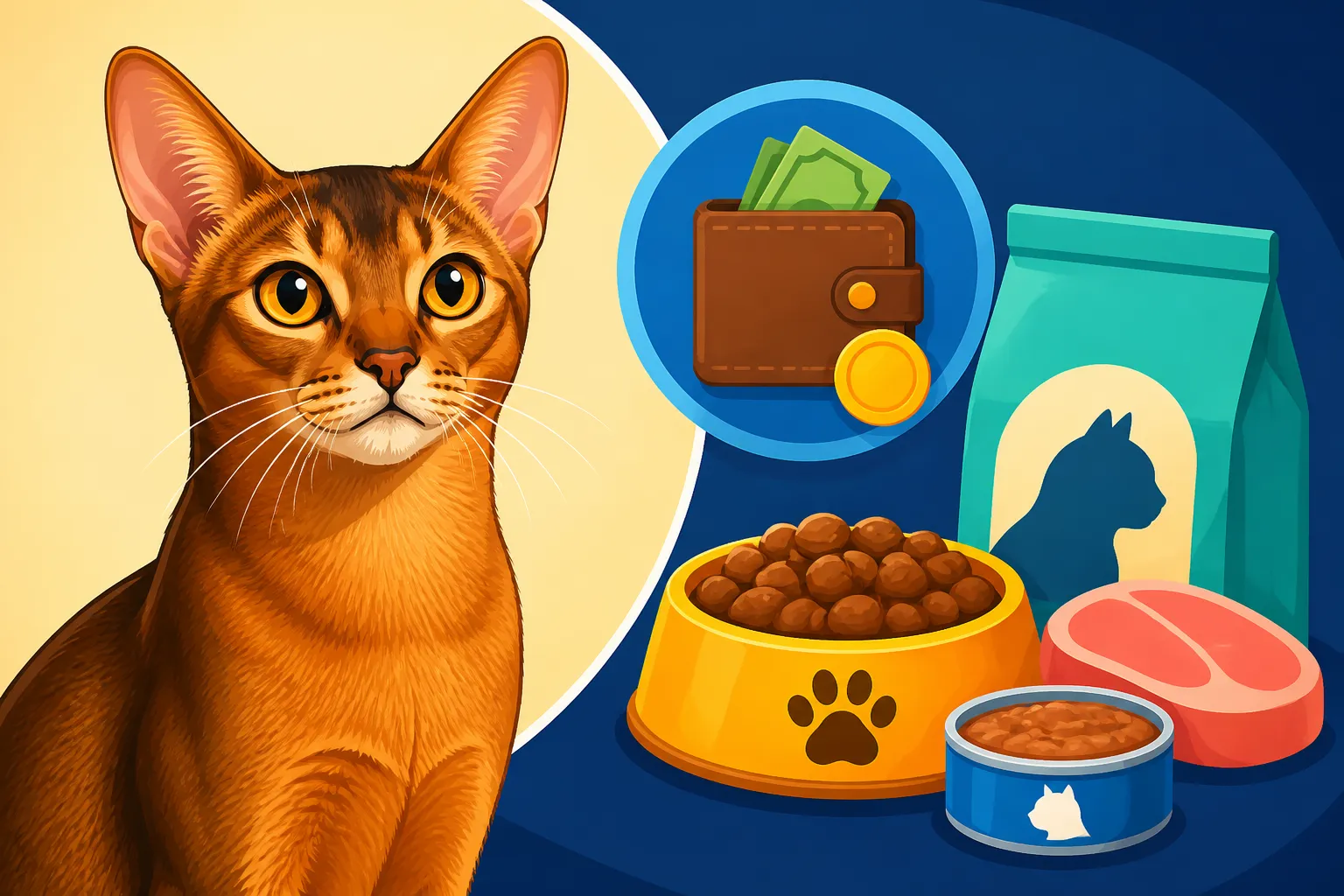
Owning an Abyssinian cat is an absolute joy, but let's be honest, their boundless energy and sleek, muscular physiques aren't built on air and sunshine alone. Many first-time Aby owners find themselves scratching their heads, wondering how much a cat that looks so lean can possibly eat, and what that translates to in cold, hard cash each month. This comprehensive guide will peel back the layers of your Abyssinian's diet, breaking down all the factors that influence what you’ll be spending to keep your energetic companion happy, healthy, and perfectly fueled.
Understanding Your Abyssinian's Unique Nutritional Needs
Before we even talk about specific food types or brands, it's crucial to grasp why an Abyssinian's diet isn't quite the same as, say, a laid-back Persian or a chunky British Shorthair. These cats are athletes, plain and simple, and their bodies demand fuel tailored to their lifestyle.
The Abyssinian's High-Octane Metabolism
If you've spent any time with an Abyssinian, you know they're practically a blur of motion. They climb, they jump, they chase, they explore—all day long. This isn't a cat content to lounge on the sofa for hours; they're constantly on the go, burning through calories at an impressive rate. This high activity level means their caloric needs are often surprisingly high for their relatively small, lithe frame. You might look at your slender Aby and think they don't eat much, but that simply isn't true for a healthy, active specimen. They convert food into pure, unadulterated energy, which is why How Many Calories an Adult Abyssinian Burns is often higher than you might expect for their size.
This constant energy expenditure means that skimping on food quantity or quality isn't just about saving a few dollars; it can genuinely impact their vitality and overall health. An underfed Abyssinian might become lethargic, lose that characteristic sparkle in their eye, and even become more prone to illness because their immune system isn't getting the nutritional support it needs. It's not about making them fat—Abyssinians are naturally lean—but about ensuring they have enough high-quality sustenance to power their vibrant lives. Think of it like fueling a performance sports car; you wouldn't put cheap, low-octane gas in it and expect it to run perfectly, would you?
Protein: The Cornerstone of an Abyssinian Diet
Given their muscular build and active nature, protein is absolutely paramount in an Abyssinian's diet. Cats are obligate carnivores, meaning their bodies are designed to derive nutrients from animal sources, and protein is the building block for everything from muscle tissue to enzymes and hormones. For an Abyssinian, who is always flexing those elegant muscles and maintaining that sleek physique, a diet rich in high-quality animal protein isn't just a recommendation—it's a necessity. Look for ingredients like chicken, turkey, fish, or beef as the first few items on any ingredient list.
A diet lacking in sufficient, digestible protein can lead to muscle wasting over time, reduced energy levels, and a dull, unhealthy coat. You might notice your Aby isn't climbing as high or running as fast if their protein intake isn't up to par. It's not enough to just have protein; it needs to be good protein, easily absorbed and utilized by their carnivorous systems. This is why you'll often see premium cat foods emphasizing real meat sources rather than plant-based fillers. When considering Which Protein Percentage an Abyssinian Needs, remember that adult cats typically thrive on diets with 30-45% protein or even higher, particularly if a significant portion comes from easily digestible animal sources.
Hydration: A Critical Factor Beyond the Bowl
This is an area often overlooked but is incredibly important for all cats, and especially Abyssinians, given their predisposition to certain kidney issues. Cats, by nature, don't have a strong thirst drive. In the wild, they get most of their hydration from their prey. Domesticated cats, however, often eat dry kibble, which contains very little moisture. This can lead to chronic, mild dehydration, putting a strain on their kidneys over time.
For an Abyssinian, maintaining excellent kidney health is a long-term goal for many owners and breeders due to concerns like amyloidosis. Therefore, ensuring adequate water intake isn't just good practice; it's a proactive health measure. Offering wet food, using water fountains (many cats prefer moving water), and placing multiple water bowls around the house can all encourage your Aby to drink more. You might be surprised to learn How Much Water an Active Abyssinian Drinks can fluctuate, but consistent access to fresh, appealing water sources is non-negotiable. Don't underestimate the power of hydration to support their urinary tract and kidney function throughout their lives.
Breaking Down the Monthly Food Budget Components
Now that we understand the 'why,' let's get into the 'what' and 'how much.' The monthly cost of feeding your Abyssinian isn't a single, fixed number; it's a dynamic figure influenced by the choices you make regarding food types, brands, and where you purchase them.
Dry Kibble: A Foundation, Not the Whole Picture
Dry kibble is often the most cost-effective and convenient component of a cat's diet. It’s easy to store, doesn't spoil quickly, and can be left out for free-feeding (though we'll talk about why that's not always ideal for Abyssinians in a moment). However, not all kibble is created equal. The quality varies wildly, and the ingredients directly impact both the nutritional value and the price. Premium kibbles will list meat as the first ingredient, contain fewer fillers like corn or soy, and have balanced vitamins and minerals. Cheaper kibbles might rely heavily on plant-based proteins or by-products, which aren't as digestible or beneficial for an obligate carnivore.
While kibble can provide essential nutrients, it's generally low in moisture, which, as we discussed, isn't ideal for a cat's long-term health. Why Kibble Alone Leaves an Abyssinian Short of Water is a critical point to remember, even if it seems convenient. Many Aby owners find that a combination of dry and wet food provides the best balance of nutrition, hydration, and budget management. When shopping for kibble, consider reputable brands and look into larger bags if you have storage space, as buying in bulk often offers a better per-pound price. Online retailers like Chewy often have auto-ship options that can save you a percentage on each order, making it a convenient way to keep a steady supply of your chosen kibble.
Wet Food: The Hydration & Palatability Powerhouse
For many Abyssinian owners, wet food isn't just a treat; it's an integral part of their cat's daily diet. Its high moisture content is a huge boon for hydration and overall urinary health, which is particularly important for breeds prone to kidney issues. Beyond hydration, wet food is often more palatable for picky eaters and provides a denser source of animal protein and fat. It comes in various textures – pâté, shredded, chunky, gravy – and different protein sources, allowing you to tailor meals to your Aby's preferences.
The cost of wet food can vary significantly based on the brand, ingredients, and even the size of the can or pouch. Economy brands might cost less per serving, but often contain more fillers or lower-quality proteins. Premium wet foods, especially those with limited ingredients or novel proteins, will naturally be more expensive. Many owners opt to feed wet food once or twice a day, supplementing with kibble, to get the benefits without breaking the bank. Choosing Which Wet Food Suits an Abyssinian might involve some trial and error, as they can be particular, but finding a high-quality option that they enjoy is a worthwhile investment in their health. Factor in at least one or two cans or pouches per day when calculating your monthly budget.
Raw or Fresh Food Diets: A Premium Choice
For owners dedicated to providing the most natural diet possible, raw or fresh-cooked food diets are increasingly popular. These diets typically consist of raw muscle meat, organs, and bones (or a finely ground equivalent), or gently cooked versions of the same. The philosophy behind these diets is to mimic what a cat would eat in the wild, providing highly bioavailable nutrients and maximum hydration. For an energetic breed like the Abyssinian, proponents argue it can lead to improved energy, shinier coats, and better digestion.
However, this premium choice comes with a premium price tag and often more effort. Sourcing human-grade meats, ensuring nutritional completeness, and safe handling are all critical. While some owners prepare homemade raw diets, this requires extensive research and often consultation with a veterinary nutritionist to ensure all essential nutrients are present. For those who want the benefits without the DIY hassle, fresh meal delivery services bring human-grade, pre-portioned meals directly to your door. This convenience is fantastic, but the monthly cost will be significantly higher than traditional kibble or even premium wet food. When exploring How to Balance a Raw Diet for an Abyssinian, be prepared for a learning curve and a higher financial commitment.
Factors Influencing Your Abyssinian's Food Costs
It's not just about what you feed them; several other factors play a huge role in the final tally of your monthly food budget. Understanding these can help you make more informed decisions.
Age and Activity Level
Just like humans, a cat's nutritional needs change throughout its life. An Abyssinian kitten, with its explosive growth and seemingly endless energy, will require more calories and protein per pound of body weight than a sedentary adult. Their little bodies are building bone, muscle, and developing rapidly, demanding a constant supply of quality fuel. How Many Calories an Abyssinian Kitten Needs is often surprisingly high for their small size, and they might eat more frequently.
As your Aby matures into a lively adult, their caloric needs stabilize, aligning with their ongoing high activity levels. They'll maintain that lean physique, still requiring a diet rich in protein and good fats. As they reach their senior years, perhaps around 10-12 years old, their metabolism might slow slightly, or they might become less active, leading to a marginal decrease in caloric needs. However, senior cats often benefit from easily digestible foods and may have specific needs for joint support or kidney health, which could influence the type of food you buy, even if the total quantity decreases. A highly active adult Abyssinian who spends hours playing will naturally need more food than one who has become a bit more of a lap cat in their older age.
Brand Loyalty vs. Budget-Friendly Options
The pet food market is vast, offering everything from economy brands found at the grocery store to ultra-premium, boutique selections. It's tempting to grab the cheapest bag, but with Abyssinians, quality often pays off in the long run. Higher-quality foods, while more expensive per bag, often contain more digestible ingredients, meaning your cat absorbs more nutrients from less food. This can sometimes offset the higher initial cost by requiring you to feed less overall, reducing waste.
However, "premium" doesn't always mean "best," and "budget-friendly" doesn't always mean "bad." It's about being an educated consumer. Look past clever marketing slogans and focus on the ingredient list: real meat as the first ingredient, minimal fillers, and appropriate protein/fat ratios. Sometimes a well-researched, mid-range brand offers excellent nutrition without the exorbitant price tag of a super-specialized brand. For example, some brands tout "grain-free" as a selling point, but for many Abyssinians, grains aren't necessarily harmful, and some grain-free formulas replace them with other carbohydrate sources that aren't inherently better. Understanding Why Grain Free Marketing Misses What an Abyssinian Needs can save you from overpaying for a trend that doesn't necessarily benefit your specific cat.
Special Dietary Needs and Veterinary Diets
This is where your monthly food budget can really see a jump. If your Abyssinian develops allergies, sensitivities, or a specific health condition like kidney disease, diabetes, or inflammatory bowel disease, their diet will need to change. Unfortunately, these specialized or prescription diets are often significantly more expensive than regular cat food. They are formulated with precise nutrient profiles to manage specific medical conditions, and they are typically only available through a veterinarian or with a vet's prescription.
For instance, if your Aby is diagnosed with early-stage kidney disease, a prescription kidney diet will be crucial for managing their condition and slowing its progression. How a Kidney Diet Buys an Abyssinian Time by reducing phosphorus and protein levels (of a specific type) can be invaluable, but it will come at an added cost. Similarly, food allergies might necessitate novel protein diets or hydrolyzed protein formulas, which are costly but essential for your cat's comfort and health. While these diets are an added expense, they are often a critical part of managing a health issue and preventing further complications. This is also where comprehensive pet insurance like Healthy Paws can truly shine, potentially covering consultation costs and some aspects of prescription food costs if they are medically necessary for a covered condition, though it's always important to check policy specifics.
Strategies to Manage and Optimize Your Abyssinian's Food Budget
Okay, so we know Abyssinians eat a fair bit, and quality food can be pricey. But there are smart ways to approach this to ensure your lively companion gets the best without completely depleting your savings.
Smart Shopping: Bulk Buying and Sales
One of the easiest ways to save on your Abyssinian's food is to shop smart. If your cat tolerates a specific brand of kibble or wet food and you have the storage space, buying in larger quantities can significantly reduce the per-unit cost. Many pet supply stores, both brick-and-mortar and online, offer discounts for larger bags of kibble. Online retailers, like Chewy, are particularly good for this, often providing incentives for recurring auto-ship orders. This not only saves you money but also ensures you never run out of food.
Keep an eye out for sales, coupons, and loyalty programs. Signing up for newsletters from your favorite brands or pet stores can alert you to upcoming promotions. Buying a year's supply of kibble isn't practical for most, but purchasing a few large bags when they're on sale can shave a good chunk off your annual spending. Remember to check expiration dates if you're stocking up, and store food properly in airtight containers to maintain freshness and prevent pests. It's all part of understanding that Why an Abyssinian's Lifetime Cost Dwarfs Its Purchase Price means every little saving adds up!
Meal Planning and Portion Control
Abyssinians, with their boundless energy, can sometimes act like they're perpetually starving. It's easy to fall into the trap of free-feeding, leaving a bowl of kibble out all day. However, this isn't always the best approach, either for their health or your budget. Free-feeding makes it difficult to monitor intake, can lead to overeating (though rare for a naturally lean Aby, it can happen), and doesn't encourage structured feeding times that many cats, even Abyssinians, can benefit from.
Instead, implementing a meal plan with portion control can ensure your Aby gets exactly the right amount of calories for their age and activity level, preventing waste and ensuring they don't develop unhealthy habits. Feeding two or three measured meals a day is often recommended. For example, How to Portion an Abyssinian Across Three Sittings can help manage their hunger and metabolism more effectively. This also gives you a chance to monitor their appetite and consumption, which can be an early indicator of health issues. Use a kitchen scale to accurately measure out kibble portions; eyeballing can often lead to over- or underfeeding.
DIY vs. Commercial: Cost-Benefit Analysis
When considering fresh or raw diets, many owners wonder if preparing food at home is more cost-effective than buying commercially prepared options. The answer is, it depends. On one hand, buying human-grade ingredients in bulk from a butcher or grocery store can sometimes be cheaper than buying pre-made raw or fresh food, especially if you have access to good deals. This route also gives you complete control over the ingredients, ensuring no hidden fillers or allergens.
However, the “cost” here isn't just financial. It's also a significant investment of time for research, meal planning, preparation, and ensuring nutritional completeness. Improperly balanced homemade diets can lead to serious health problems over time due to nutrient deficiencies or excesses. Commercial fresh food services take the guesswork and effort out of it, providing balanced, convenient meals. While more expensive upfront, they save you immense time and provide peace of mind regarding nutrition. For most owners, a hybrid approach—high-quality commercial foods with occasional homemade toppers or treats—strikes the best balance.
Beyond the Bowl: Associated Costs to Consider
Feeding your Abyssinian isn't just about the food itself. There are other related expenses that savvy owners factor into their monthly or annual budget. These aren't always immediately obvious but contribute to the overall cost of keeping your Aby well-fed and happy.
Treats and Supplements
Treats are often an indispensable part of an Abyssinian's life, especially for training, enrichment, or simply showing affection. Their intelligence and active minds mean they often respond well to puzzle feeders and interactive toys filled with treats. While relatively inexpensive individually, if you’re using a lot of treats for training or enrichment, this cost can add up over a month. Choose high-quality, low-calorie treats that complement their main diet. Which Treats an Abyssinian Will Actually Work For will vary from cat to cat, but most will happily work for a small piece of freeze-dried chicken or a commercial dental chew.
Supplements are another potential cost. While a well-balanced diet should provide most of what your Aby needs, certain situations might warrant supplements. For example, an older Aby might benefit from joint support supplements, or one with a sensitive stomach might need probiotics. Always discuss any potential supplements with your veterinarian to ensure they are necessary and appropriate for your cat's specific health needs. These can range from a few dollars to a significant monthly expense, depending on the type and brand.
Dental Health and Preventive Care
You might wonder what dental health has to do with food costs, but it’s intimately linked. Poor dental hygiene can lead to costly veterinary procedures down the line. Food choices can play a role; some dental kibbles are designed to help scrape plaque, though brushing is always more effective. However, the quality of their diet contributes to overall health, which in turn supports dental health. Unfortunately, Abyssinians are often prone to specific dental issues, like juvenile gingivitis and tooth resorption, which necessitate more frequent professional dental care.
A professional dental cleaning under anesthesia can be one of the most significant recurring veterinary expenses. Why Abyssinian Dental Work Is the Biggest Line in the Budget for many owners is due to their predisposition to gum disease and the need for regular cleanings, sometimes even yearly. While not a "food" cost in the traditional sense, investing in good quality food and providing home dental care (brushing their teeth!) can potentially reduce the frequency or severity of dental problems, thereby saving you money on expensive procedures in the long run.
Bowls, Feeders, and Water Fountains
Finally, don’t forget the initial investment in feeding equipment. While these aren't monthly costs, they are necessary one-time or infrequent purchases that support your Abyssinian's feeding routine. This includes food bowls (stainless steel or ceramic are often recommended for hygiene and to prevent "chin acne"), water bowls, and potentially more sophisticated equipment.
Many Abyssinians adore water fountains, which encourage them to drink more, an excellent investment given their kidney health considerations. Automatic feeders can also be a godsend for busy owners, ensuring your Aby gets their meals on time, even when you're not home. While a basic bowl set might cost very little, a quality stainless steel fountain or a programmable feeder can be a more substantial upfront expense. Factor these into your initial setup budget, not necessarily your monthly food spend, but acknowledge their role in the overall cost of ownership.
Here’s a quick overview of different feeding options and their general cost implications:
| Feeding Type | Pros | Cons | General Monthly Cost (Shape) |
|---|---|---|---|
| Dry Kibble (High Quality) | Convenient, cost-effective, good protein | Lower moisture, less palatable for some, potential for overeating | Moderate |
| Wet Food (Premium) | High moisture, highly palatable, high protein | More expensive, less convenient to leave out, can be messy | Moderate to High |
| Mixed (Kibble + Wet) | Balances cost, convenience, and hydration | Requires managing two types of food, storage | Moderate |
| Raw/Fresh (Commercial) | Optimal nutrition, high moisture, highly palatable | Very expensive, requires specific handling/storage, less common | High to Very High |
| Homemade Raw/Fresh | Complete control over ingredients, potentially cheaper than commercial raw | Significant time commitment, risk of nutritional imbalance if not done correctly, requires meticulous preparation | Variable (ingredients + time) |
The cost of feeding an Abyssinian each month is a variable sum, reflecting choices about quality, convenience, and your cat's individual needs. By understanding these factors and implementing smart strategies, you can ensure your Abyssinian receives the excellent nutrition they deserve without causing undue stress on your wallet.
Disclaimer
This article is for general informational purposes only and does not constitute professional advice. Laws, prices and regulations vary by location and change over time. Consult a qualified professional for guidance on your specific situation.