How an Abyssinian Reacts to a New Baby
Bringing a new baby home is an exciting, nerve-wracking time for any family, but when you have an Abyssinian cat, you might be wondering how this energetic, highly sensitive feline will cope with such a monumental shift in their world. These vibrant, active companions thrive on routine and attention, so a tiny human suddenly dominating the household can trigger a range of reactions, from curious investigation to genuine stress. This guide will walk you through preparing your Abyssinian for the arrival of a new baby, managing their initial introduction, and helping everyone co-exist peacefully, minimizing disruption for your beloved cat and ensuring a safe, happy home for your newest family member.
Understanding the Abyssinian's Unique Personality and Needs
Abyssinians are not your typical lounging lap cats. They are intelligent, highly active, and deeply bonded to their human families, often described as "cats who think they're dogs" due to their loyalty and playful nature. This means they are incredibly sensitive to changes in their environment and routine, and they crave mental and physical stimulation. A new baby represents a massive upheaval, not just in noise and smell, but in the time and attention available to your Abyssinian. Ignoring these fundamental traits can lead to stress, anxiety, and unwanted behaviors.
Why Abyssinians Are So Sensitive to Change
Our Aby friends thrive on predictability. They are creatures of habit, and their days are often structured around playtimes, meal schedules, and interaction with their favorite people. When a new baby arrives, everything shifts. The house becomes a cacophony of new sounds – crying, cooing, unfamiliar gadgets, and hushed human conversations. There are new smells – baby lotion, formula, soiled diapers – all foreign to your cat's highly developed sense of smell. Most significantly, your time and attention, which your Abyssinian has likely enjoyed in abundance, will be dramatically reduced. They might interpret this as rejection or a threat to their place in the family hierarchy.
It’s not just about the baby; it’s about the entire lifestyle adjustment. Think about how your Abyssinian follows you from room to room, supervising your every move. Why an Abyssinian Follows You Without Sitting Still They are truly "in your business," and when that business suddenly becomes all about a tiny, unpredictable human, their world can feel very destabilized. This breed needs constant engagement, and if they don't get it from you, they'll find their own entertainment, which might not always align with your new, sleep-deprived reality.
Common Abyssinian Reactions to a New Baby
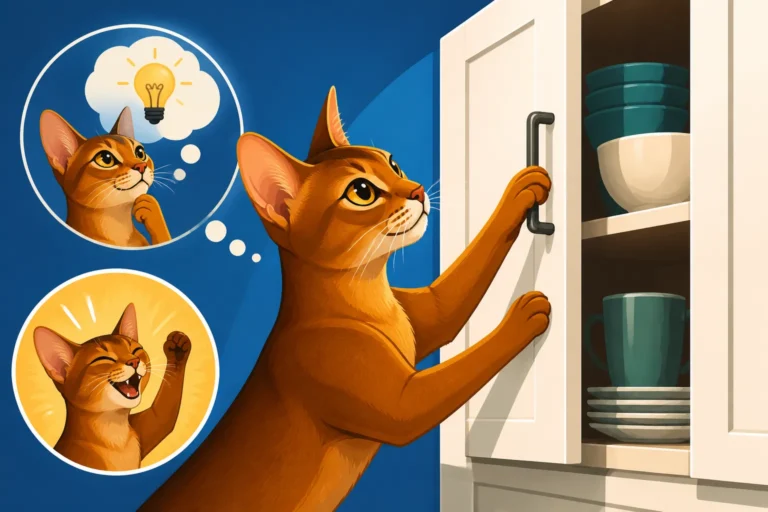
When faced with this massive shift, an Abyssinian might react in several ways. Some will be intensely curious, cautiously sniffing the baby, exploring new baby items, and trying to understand the source of all the commotion. Others might become withdrawn, hiding more often, seeking solace in quiet, out-of-the-way spots. What a Quiet Abyssinian Is Telling You You might notice changes in their eating habits, either eating less due to stress or more as a comfort mechanism. Some Abyssinians, unfortunately, can develop stress-related behaviors like inappropriate urination, excessive grooming (which can lead to bald patches), or increased vocalization. They might start "acting out" by knocking items off shelves or becoming more destructive in their play, which is often a desperate cry for attention or an outlet for pent-up energy. What an Abyssinian Does When It Is Bored Recognizing these subtle cues early on is crucial to intervening positively.
Preparing Your Abyssinian for the Baby's Arrival
The key to a smooth transition is preparation, starting long before the baby makes their grand entrance. This isn't just about baby-proofing your home for the infant; it's about cat-proofing your Abyssinian's world for the baby. Gradual changes are always better than sudden ones for this breed.
Gradual Introduction of Baby Sights, Sounds, and Smells
Start early by bringing baby items into the home. Set up the crib, changing table, and stroller. Let your Abyssinian explore these new objects at their own pace. Allow them to sniff blankets, baby clothes, and toys. This exposure helps them acclimate to the new scents and visual stimuli. You can even dab a tiny bit of baby lotion on your hands or play recordings of baby sounds (crying, cooing, lullabies) at low volumes, gradually increasing the volume over weeks. The goal is to make these new sensations less alarming and more normalized before the actual baby arrives.
It's also a good idea to start adjusting your Abyssinian's access to certain areas now. If you plan for the nursery to be off-limits, begin closing the door occasionally before the baby is born. This way, the restriction isn't directly associated with the baby. Conversely, make sure your Abyssinian still has plenty of high, safe places they can retreat to if they feel overwhelmed. Remember, An Abyssinian Needs Height More Than It Needs Floor, so ensure they have multiple escape routes and perches.
Adjusting Routines and Ensuring Continued Enrichment
One of the biggest impacts on an Abyssinian will be the inevitable shift in your daily routine. If you usually have dedicated playtime right after work, or a cuddle session before bed, these will undoubtedly be disrupted. Start making subtle changes to your Abyssinian's schedule before the baby comes. Shift feeding times by 15-30 minutes every few days, or introduce new play sessions at different times. This helps them become more adaptable to fluctuations.
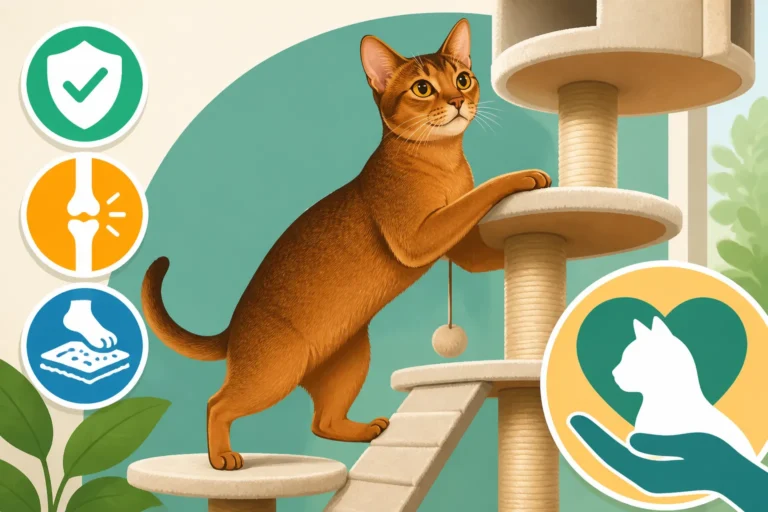
Crucially, ensure your Abyssinian continues to receive ample mental and physical stimulation. Invest in interactive toys, puzzle feeders, and robust cat trees or wall shelves. Why an Abyssinian Needs a Tall Cat Tree Brands like Amazon offer a wide array of options for enrichment. Schedule regular, dedicated play sessions, even if they're shorter, to maintain that bond and burn off energy. Consider clicker training your Abyssinian for a few new tricks; this mental engagement can build their confidence and give them a positive outlet. How to Teach an Abyssinian to Sit If your Abyssinian associates positive experiences with the changes happening around them, they’re less likely to develop anxiety.
Setting Up Safe Havens and Boundaries
Every Abyssinian needs a safe space where they can retreat and feel secure, especially with the arrival of a baby. Designate a "cat-only" zone, perhaps a spare room or a high perch in a quiet corner, complete with their food, water, litter box, and a comfy bed. This space should be off-limits to the baby. Ensure their litter boxes are clean and easily accessible. Which Litter Box Suits a Long Bodied Abyssinian
Consider installing baby gates to create physical barriers, allowing your Abyssinian to see and hear but not physically interact with the baby when supervision isn't possible. You can find various cat-friendly baby gates on Amazon that have smaller pet doors. These allow your cat to pass through while keeping the baby out. Another valuable tool can be a Feliway diffuser, which releases synthetic feline pheromones to promote a sense of calm and security. Place one in the areas where your Abyssinian spends most of their time, or in the nursery, to help ease any stress.
Introducing Baby and Cat: The First Weeks
The initial introduction needs to be calm, controlled, and positive. This is not a "throw them together and see what happens" scenario; it requires thoughtful planning and continuous supervision.
Bringing Baby Home: The Initial Encounter
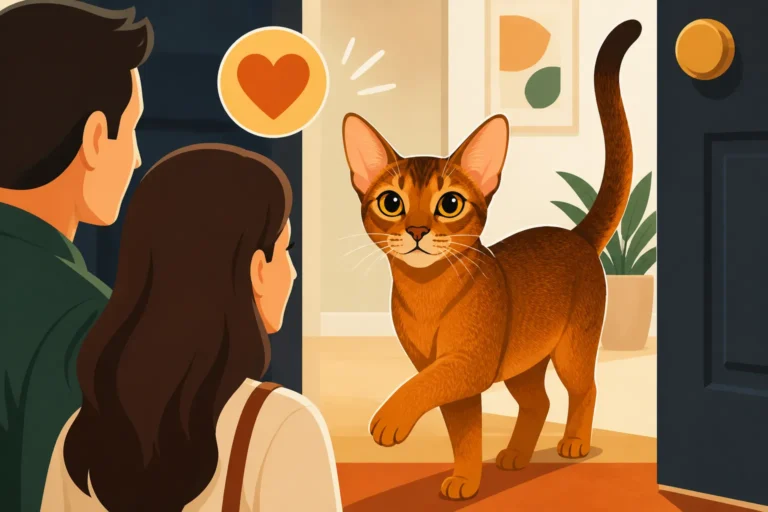
When you first bring the baby home, the most important thing is to manage your Abyssinian's curiosity and potential anxiety. Before the baby enters the house, have a trusted friend or partner bring a baby blanket or an item of clothing the baby has worn into the home. Let your Abyssinian sniff it, giving them positive reinforcement and treats while they investigate. This helps them associate the baby's scent with something pleasant.
Once the baby is home, keep the initial encounters brief and supervised. Hold the baby, and let your Abyssinian approach at their own pace. Never force an interaction. Speak in a calm, reassuring voice. Offer praise and treats to your Abyssinian when they are calm and curious in the baby's presence. If your cat approaches too closely or seems agitated, gently redirect them with a toy or by calling them away. Always make sure you're providing attention to your Abyssinian, even if it's just a quick stroke or a verbal affirmation, to show them they are still valued members of the family.
Supervising Interactions and Reinforcing Positive Behavior
Constant, vigilant supervision is non-negotiable during these early weeks and months. Never leave your Abyssinian alone in a room with the baby, even for a moment. This isn't just about protecting the baby; it's also about preventing negative experiences for your cat. A sudden baby cry or movement could startle your Abyssinian, leading to an accidental scratch or nip out of fear.
Use positive reinforcement heavily. When your Abyssinian is calm around the baby, offer a small, high-value treat or a gentle pat. If your Abyssinian tries to jump into the crib, gently remove them and redirect their attention to their designated climbing structures or a toy. The goal is to create a positive association between the baby and good things for your cat. Don't punish your Abyssinian for curiosity, but gently guide them toward appropriate behaviors.
Managing Attention and Avoiding Jealousy
This is where the rubber meets the road. Your Abyssinian, accustomed to being the center of attention, might feel displaced. It’s vital to continue giving them dedicated one-on-one time. Even 10-15 minutes of focused play or petting each day can make a world of difference. Try to incorporate your Abyssinian into your baby-care routine. For example, while you're feeding the baby, have your Abyssinian in the room, perhaps sitting on your lap or nearby, and give them a gentle stroke. This helps them associate the baby with shared, positive family moments rather than isolation.
Recruit family members or friends to help. While you're busy with the baby, ask them to engage your Abyssinian in play with their favorite wand toy (many excellent ones are available on Amazon) or a puzzle feeder. Remember, Why an Abyssinian Should Not Be Left Alone All Day, especially with a significant household change. Ensuring their social and energetic needs are met will prevent many behavioral issues.
Living Together: Managing Life with an Abyssinian and a Baby
As the baby grows, the dynamics will continue to evolve. Your strategies will need to adapt as well, focusing on ongoing safety, enrichment, and maintaining your Abyssinian's well-being.
Ensuring Safety for Both Baby and Cat
Safety remains paramount as your baby becomes more mobile and curious. Install sturdy screens on windows, ensure all baby products are stored securely, and keep small objects off the floor. As your baby starts crawling, teach them to be gentle with animals. Supervise all interactions closely, guiding your baby’s hands to stroke softly rather than grab. Never let your baby pull your Abyssinian’s tail or ears.
Your Abyssinian’s instinct might be to swat if startled or annoyed. While Abyssinians are generally good with older children, their high energy can sometimes lead to misunderstandings with very young ones. Why an Abyssinian Suits an Older Child Make sure your Abyssinian has multiple high perches and escape routes so they can always retreat if they feel overwhelmed or annoyed by the baby’s movements. Consider strategically placing cat trees or wall shelves from brands like Amazon that allow them to observe from a safe distance.
Adapting to the Growing Child's Interaction
As your child grows, they will naturally want to interact more with your Abyssinian. Continue to teach respect and gentleness. Explain that the cat is a living creature with feelings, not a toy. Teach your child to recognize your Abyssinian's body language – when they want to play, when they want to be left alone, and What an Abyssinian's Tail Says about their mood. A flattened ear or a rapidly twitching tail can indicate stress or irritation.
Maintaining your Abyssinian’s regular playtime and enrichment activities becomes even more important now. A well-exercised and mentally stimulated Abyssinian is less likely to be stressed or frustrated. Continue using puzzle feeders, rotational toys, and regular play sessions to keep them happy and engaged. How Much Play an Abyssinian Needs Each Day If your Abyssinian feels satisfied and secure, they are much more likely to be tolerant and affectionate with your child.
Long-Term Harmony: Routine and Understanding
Creating long-term harmony between your Abyssinian and your growing family revolves around maintaining consistency, providing outlets for your cat's natural behaviors, and understanding their needs. Regular vet check-ups are also crucial, as stress can sometimes manifest as physical ailments. Why a Lethargic Abyssinian Needs Blood Work Fast
Remember that your Abyssinian is a lifelong companion, and their needs don't vanish with the arrival of a baby. They still need your love, attention, and a stimulating environment. By understanding their unique personality, preparing adequately, and fostering a safe and respectful relationship from day one, your Abyssinian can become a loving, tolerant, and endlessly entertaining member of your growing family. It might take time, patience, and adjustment, but the bond between an Abyssinian and their human family is truly special and worth nurturing.
Comparative Overview: Abyssinian Reactions to Babies
To help visualize potential reactions and appropriate responses, here's a quick overview:
| Abyssinian Behavior | Likely Underlying Cause | Recommended Owner Action |
|---|---|---|
| Curious Sniffing/Approaching | Investigating new scent/sight | Allow, offer praise/treats for calm behavior; supervise closely; never force interaction. |
| Hiding/Withdrawn | Stress, feeling overwhelmed, seeking safety | Ensure safe retreat zones; increase quiet one-on-one time; consider Feliway diffuser; monitor eating/litter habits. |
| Increased Vocalization | Seeking attention, expressing stress | Identify if it's a plea for attention; provide dedicated play/petting; check for medical issues if persistent. |
| Inappropriate Urination | High stress, feeling displaced | Vet check to rule out medical issues; ensure clean, accessible litter boxes; increase security (safe space); Feliway. |
| Overgrooming | Anxiety, stress | Vet check; increase enrichment/play; provide more attention; ensure quiet retreat areas. |
| Swatting/Hissing (rare) | Fear, feeling threatened, overstimulated | Immediately separate; identify trigger; reinforce boundaries; never force interaction; seek professional advice if persistent. |
| Heightened Play/Destruction | Boredom, pent-up energy, seeking attention | Increase active play sessions; use puzzle toys; ensure adequate vertical climbing spaces. |
Disclaimer
This article is for general informational purposes only and does not constitute professional advice. Laws, prices and regulations vary by location and change over time. Consult a qualified professional for guidance on your specific situation.