What Makes an Abyssinian’s Coat Ticked Rather Than Striped
Have you ever looked at an Abyssinian cat and thought, "Wait, where are the stripes that nearly every other cat breed seems to have?" You're not alone! It's a common observation, and it speaks to one of the most distinctive features of this incredible breed: its ticked coat. This guide will dive deep into what makes an Abyssinian's coat so unique, explaining exactly why you see that shimmering, stripe-free marvel instead of traditional tabby patterns.
The Unique Beauty of the Ticked Coat
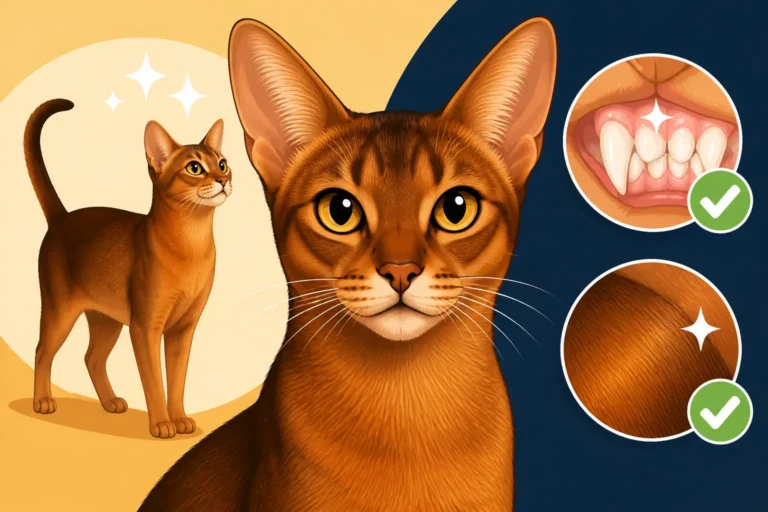
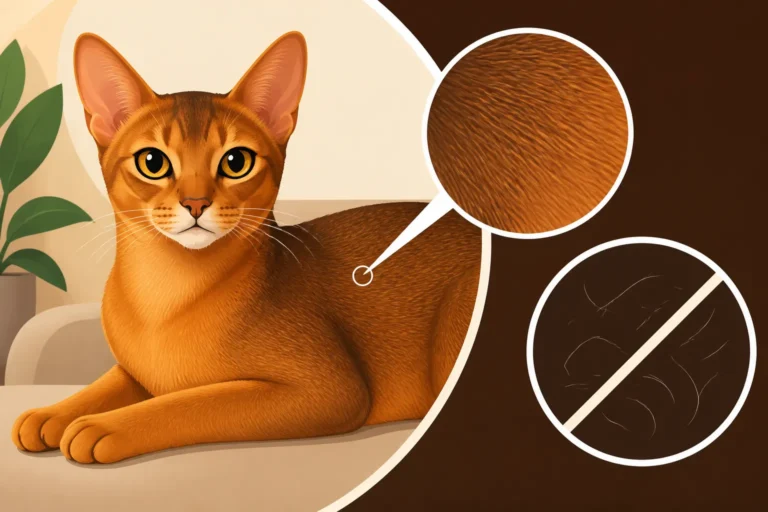
When you first encounter an Abyssinian, you might just see a cat with a rich, warm color that seems to shift and shimmer in the light. This isn't an illusion; it's the magic of the ticked coat. Unlike the clear stripes, spots, or marbling found in other tabby patterns, the Abyssinian's coat is characterized by individual hairs that have multiple bands of color along their length. It's a truly fascinating trait that sets them apart visually from almost every other feline.
This unique appearance can sometimes lead to misunderstandings, especially for those new to the breed. People might assume their Abyssinian is a "solid" color, or perhaps a very subtle tabby, but it's neither. The ticking is a complex genetic expression that creates a sophisticated, understated beauty, giving the cat a wild, undomesticated look that many find utterly captivating. It's a testament to the breed's natural elegance and distinguishes them as truly special.
What is Agouti Banding?
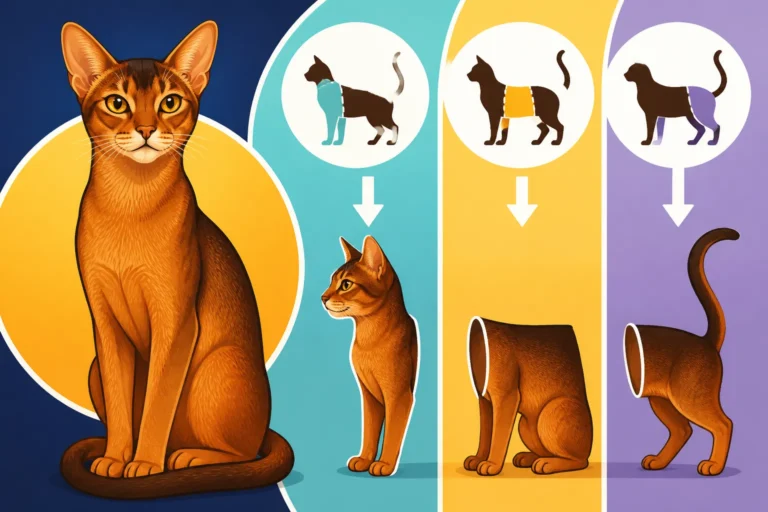
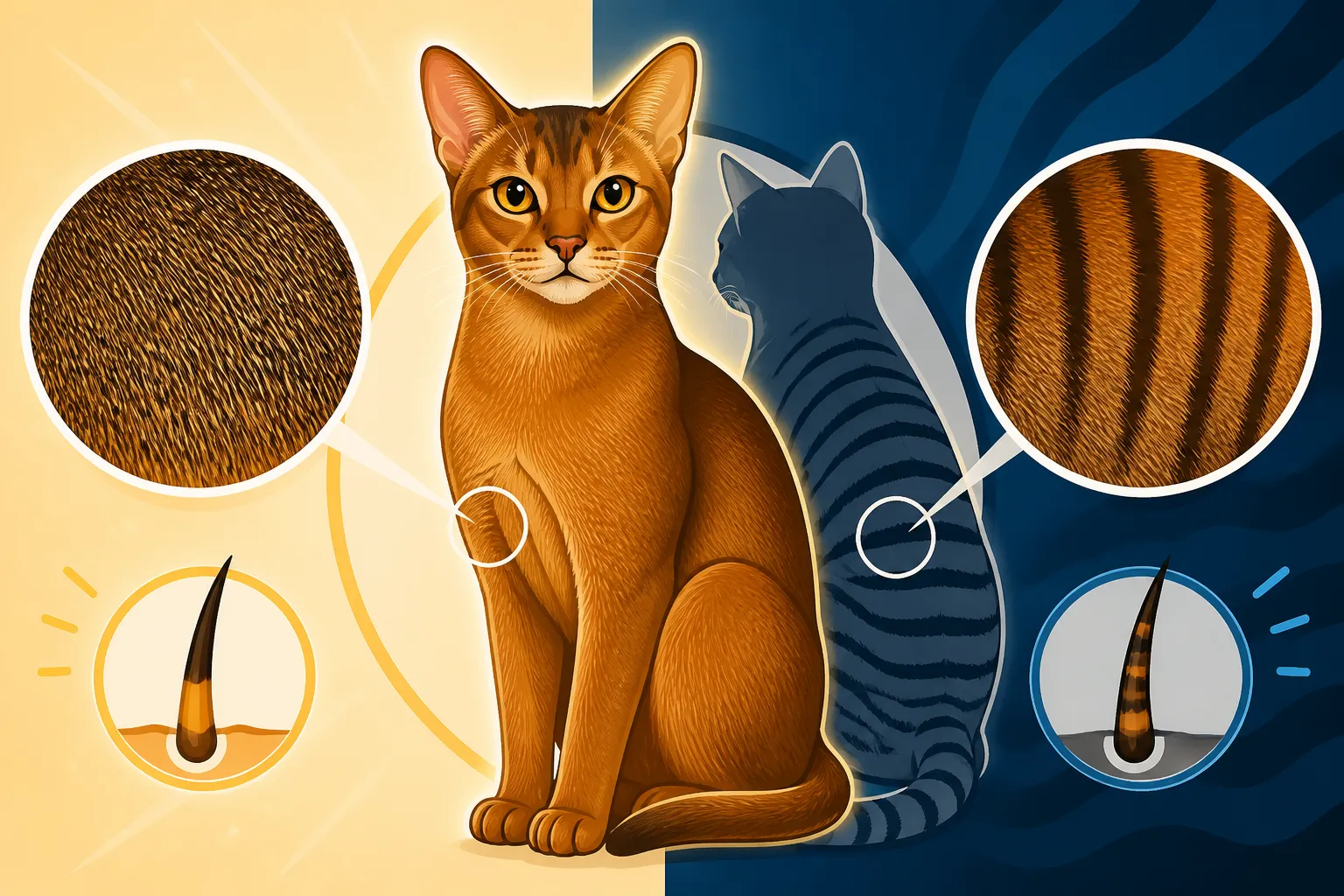
At the heart of the Abyssinian's ticked coat is something called agouti banding. Every single hair on an Abyssinian, except for those on its belly and the very tip of its tail, is banded with alternating light and dark colors. Imagine a tiny segment of hair, and instead of being one solid color from root to tip, it has perhaps three, four, or even more distinct color bands. These bands are usually a darker shade at the tip, a lighter shade in the middle, and then a darker shade again towards the root. How an Abyssinian's Agouti Banding Works delves deeper into the specifics of this pattern.
This isn't just a random coloring; it's a specific genetic trait that produces a dazzling effect. The agouti gene is responsible for this banding, controlling the distribution of pigment along each hair shaft. When you see an Abyssinian moving, the light catches these different bands, creating that characteristic shimmering or "ticked" appearance that almost resembles a wild rabbit or deer, giving them their nickname "bunny cats." It's a subtle yet dynamic pattern that makes their coat feel alive.
Why No Tabby Stripes on an Abyssinian?
The absence of traditional tabby stripes on an Abyssinian is a direct result of their specific genetic makeup, particularly the dominant agouti gene (A) combined with a specific modifier that suppresses the tabby striping pattern. Most cats carry the agouti gene in some form, but in many breeds, it allows the underlying tabby stripes to be visible. In Abyssinians, however, the expression of this gene is such that it "breaks up" any potential striping, distributing the color evenly across the body in the form of ticking instead.
Think of it this way: all cats have a tabby gene underneath their coat, even solid-colored ones. But in Abyssinians, another gene or set of genes acts to mask those stripes, replacing them with the beautiful ticking. This is why a "clear" Abyssinian will have virtually no ghost striping on its body or legs, presenting that smooth, shimmering appearance that is so prized. It's a genetic marvel that creates a distinctly uniform, yet deeply textured, coat without any discernible lines. Why an Abyssinian Has No Tabby Stripes explains this further.
The Genetics Behind the Ticking
Understanding the genetics of the Abyssinian's ticked coat can feel a bit like a science lesson, but it's crucial to appreciating why this breed looks the way it does. It all boils down to a fascinating interplay of genes that dictate color and pattern. This isn't just about what's visible; it's about the blueprint encoded within every cell of the cat's body.
The primary gene responsible for the ticked pattern is the agouti gene, symbolized as 'A'. A cat must have at least one dominant 'A' allele to express any form of tabby pattern, including ticking. However, simply having the dominant agouti gene isn't enough to create the Abyssinian's characteristic ticking; it also requires the presence of a specific modifier gene, often referred to as the Ticked (T) gene, in its homozygous dominant form (TaTa). This combination effectively suppresses the typical tabby markings, such as stripes or spots, allowing only the multi-banded hair shafts to come to the fore.
The Role of the Agouti Gene
The agouti gene acts like a switch, turning on and off the production of two different pigments: eumelanin (which creates black and brown colors) and pheomelanin (which creates red and yellow colors). When the agouti gene is "on," it allows for the production of pheomelanin, resulting in lighter bands. When it's "off," it produces eumelanin, leading to darker bands. This on-and-off cycling during hair growth is what creates the individual color bands on each hair shaft.
In the case of the Abyssinian, this gene is hyper-active, ensuring that the banding is uniform and extensive across most of the cat's body. Without this specific genetic expression, you'd see more traditional stripes or patches. It's a delicate balance that breeders have worked hard to maintain, preserving the signature look of the breed. This meticulous control over pigment distribution is what gives the Abyssinian its distinct wildcat appearance.
Why Multiple Bands on Each Hair?
The reason for multiple bands on each hair goes back to the precise timing and duration of the agouti gene's "on" and "off" cycles. During the anagen phase (the active growth stage) of hair development, the cells in the hair follicle produce pigment. For an Abyssinian's hair, these cells are programmed to periodically switch the type of pigment they produce. So, a hair might start growing with a dark band, then switch to a lighter band, then back to a dark one, and so on, before the growth phase ends.
This isn't a random occurrence; it's a finely tuned genetic mechanism. The number and distinctness of these bands contribute to the overall depth and richness of the coat. A well-ticked Abyssinian will have very clear, distinct bands, making the coat appear more vibrant and giving it that sought-after shimmering quality. This complex layering of color within each strand is truly what defines the Abyssinian coat. How Many Bands an Abyssinian Hair Carries explores this in detail.
How Ticking Develops in Abyssinian Kittens
Watching an Abyssinian kitten develop its full adult coat is quite a journey. They don't arrive with the perfectly ticked coats you see in adult show cats. Instead, their coats go through a fascinating transformation that can sometimes make new owners wonder if their little one is truly an Abyssinian! This is a completely normal part of their development.
The journey from a fuzzy kitten to a sleek, ticked adult is a gradual one, and patience is key. It's during this time that the underlying genetics start to really express themselves, but not without a few awkward stages along the way. Understanding this process can help you appreciate the final result even more.
The Blotchy Kitten Coat Phase
When Abyssinian kittens are very young, their coats often appear quite "blotchy" or even somewhat striped. This is completely normal and often referred to as "kitten fuzz." The ticking isn't fully developed yet, and sometimes faint tabby markings, known as "ghost markings," can be visible on their legs, tails, and even bodies. This can be a moment of confusion for new owners who are expecting that distinct, stripe-free ticking from day one. Why an Abyssinian Kitten Looks Blotchy at First explains this phenomenon.
As the kitten grows, these ghost markings typically fade, and the individual hair shafts begin to develop their full agouti banding. The coat starts to "clear" as the ticking becomes more pronounced and uniform. This transition usually happens over the first few months of their lives, and by the time they are around six months to a year old, their adult coat pattern should be much more evident. It's important not to worry if your young Abyssinian isn't perfectly ticked immediately; it's just part of their charming growth process.
When Adult Ticking Arrives
The full adult ticking usually begins to establish itself more clearly between four and six months of age, and often isn't fully mature until they are a year or even two years old. During this period, you'll notice the distinct bands on individual hairs becoming more defined, and the overall coat color will deepen and become richer. The "ghost markings" that were present in kittenhood will largely disappear, revealing the smooth, even ticking that is characteristic of the breed.
Environmental factors like diet, sun exposure, and overall health can also play a subtle role in how vibrant and clear an Abyssinian's ticking appears. A high-quality diet, for instance, supports healthy hair growth and pigment production. For items to support a shiny, healthy coat, many owners look to reputable pet supply sites like Chewy for specialized nutritional foods or supplements recommended by their vet. As the coat matures, the shimmer and depth will become more pronounced, a true reward for your patience. When an Abyssinian Kitten's Adult Ticking Arrives offers more insight into this timeline.
Maintaining the Ticked Coat's Luster
While the Abyssinian's ticked coat is relatively low maintenance compared to some long-haired breeds, it still benefits from regular care to keep it looking its best. The goal isn't just cleanliness; it's about enhancing that natural shimmer and ensuring the coat remains healthy and sleek. Think of it as a beauty regimen that keeps their unique coloring vibrant.
Proper care helps prevent matting, reduces shedding, and distributes natural oils that keep the coat soft and shiny. It's a small investment of time that pays off in a beautifully presented pet. Plus, regular grooming sessions are a fantastic way to bond with your Abyssinian and check them over for any skin or coat issues.
The Right Grooming Tools
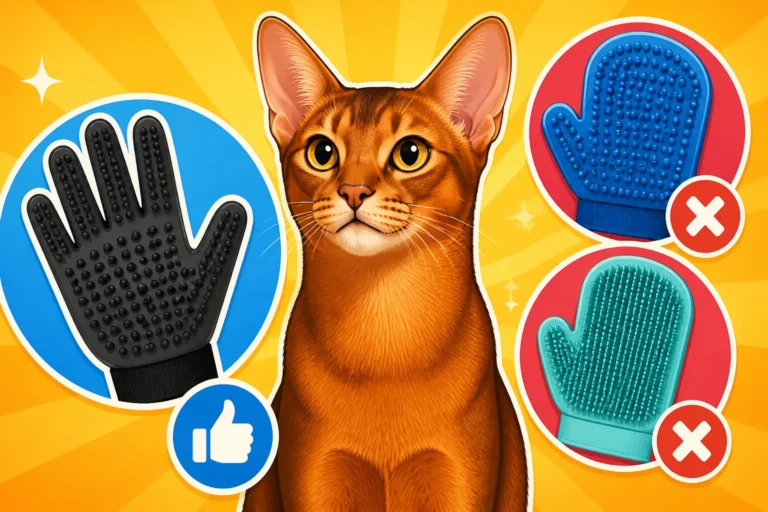
For an Abyssinian's fine, short, and ticked coat, the right tools are crucial. You want something that will remove loose hair and distribute oils without damaging the delicate ticking pattern. A soft rubber grooming mitt or a fine-toothed comb is generally ideal. Avoid harsh slicker brushes or de-shedding tools designed for cats with thick undercoats, as these can actually strip the minimal undercoat an Abyssinian has and disrupt the appearance of their ticking.
A gentle weekly session with a rubber mitt will help remove any shedding hairs and massage the skin, promoting circulation and healthy coat growth. Finishing with a chamois cloth can really bring out the natural luster and polish of their coat. You can easily find these types of grooming supplies on platforms like Amazon, offering a wide selection to suit your cat's specific needs. Which Grooming Mitt Suits an Abyssinian details the best tools.
Bathing and Coat Condition
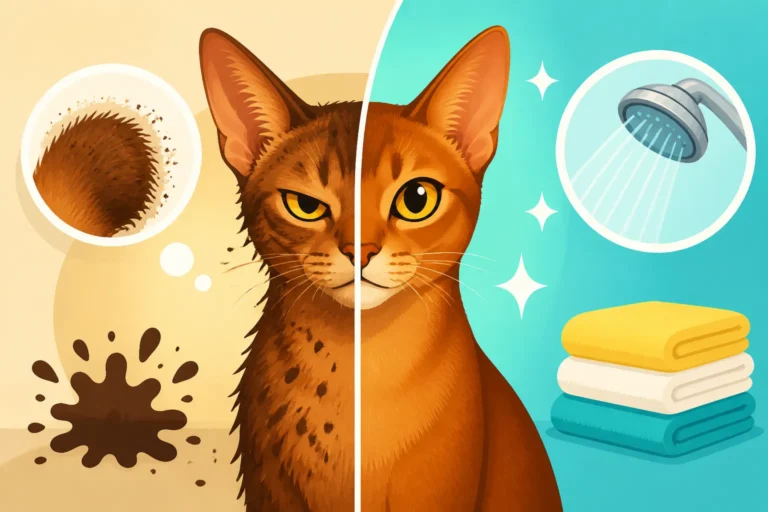
Abyssinians generally don't require frequent bathing, thanks to their short, single coat with very little undercoat. In fact, over-bathing can strip natural oils, leading to dry skin and a dull coat. Typically, a bath is only necessary if your Abyssinian gets particularly dirty or has a skin condition that requires medicated shampoo.
If a bath is needed, use a mild, cat-specific shampoo that won't irritate their skin or dry out their coat. Rinse thoroughly to ensure no residue is left behind, as this can dull the coat and lead to skin issues. A healthy diet, rich in essential fatty acids, is also vital for maintaining the coat's condition from the inside out.
Distinguishing Ticking from Other Patterns
It's easy to appreciate the Abyssinian's ticked coat, but truly understanding it means knowing how it differs from other common cat coat patterns. While many cat breeds share genetic similarities, the way these genes express themselves visually can be vastly different. This distinction is what makes the Abyssinian truly stand out in the feline world.
Sometimes, even experienced cat lovers might mistake a faintly marked tabby for an Abyssinian or vice versa, especially in mixed breeds. Knowing the tell-tale signs of a true ticked coat can help you identify and appreciate the breed's unique characteristics.
Ticking vs. Classic Tabby Stripes
The most obvious difference between ticking and classic tabby stripes is the absence of distinct lines. A classic tabby, whether mackerel (thin stripes) or blotched (swirling patterns), will have clear, defined stripes on its body, legs, and tail. The individual hairs within these stripes are usually solid-colored or have very minimal banding.
In contrast, the Abyssinian's ticked coat has no discernible stripes on the body. Instead, you see that gorgeous, uniform banding on each hair, creating a speckled or "salt and pepper" effect up close, and a shimmering appearance from a distance. While a faint "M" shape might still be visible on an Abyssinian's forehead, the body remains beautifully clear of stripes, a hallmark of the breed.
| Feature | Abyssinian Ticked Coat | Classic Tabby Striped Coat |
|---|---|---|
| Body Pattern | No distinct stripes; uniform speckling/shimmering | Clear, defined stripes (mackerel) or swirling patterns (blotched) |
| Hair Pigmentation | Each hair has 3-4 alternating light/dark bands | Hairs within stripes are mostly solid or minimally banded |
| Legs/Tail | May have minimal ghost barring, ideally clear | Often clearly striped or ringed |
| Forehead Markings | May have a faint 'M' shape | Clear 'M' shape is characteristic |
| Overall Effect | Wild, shimmering, "bunny-like" | Bold, linear, "tiger-like" |
Ticking vs. Spotted Tabby Patterns
Spotted tabbies, like the Ocicat or Bengal, have distinct, separated spots across their bodies. These spots can vary in size and shape but are clearly individual markings. Each spot typically consists of hair that is more solidly colored, contrasting with the lighter background.
An Abyssinian, on the other hand, will never have distinct spots. The ticking creates a texture, a depth of color, but not separate, defined spots. Even when the ticking is very fine, it maintains a blended, uniform appearance, rather than the mosaic of spots seen on a spotted tabby. The overall impression is one of seamless richness, not a collection of individual marks. Why an Egyptian Mau Is Spotted and an Abyssinian Is Not explains more about the difference.
Beyond Appearance: The Practicalities of a Ticked Coat
The Abyssinian's ticked coat isn't just about good looks; it comes with some practical benefits that new and experienced owners alike will appreciate. While no cat is truly "maintenance-free," the unique characteristics of this coat do make certain aspects of care a bit simpler, allowing more time for play and snuggles with your energetic companion.
Understanding these practicalities can also help manage expectations, especially for those who might be used to breeds with very different coat types. It's about recognizing that their beauty extends to their everyday needs.
Minimal Shedding and Allergy Concerns
One of the most appealing practical aspects of the Abyssinian's ticked coat is its minimal shedding. Because they have very little undercoat and their hair shafts are fine, they tend to shed significantly less than many other breeds. This can be a huge bonus for cleanliness in the home and for reducing the amount of cat hair on furniture and clothing. Why an Abyssinian's Single Ticked Coat Barely Sheds has more details.
While no cat is truly hypoallergenic, Abyssinians are often better tolerated by individuals with mild cat allergies due to their fine, low-shedding coat and lower production of Fel d 1 protein compared to some other breeds. It's not a guarantee, of course, but many people find that they experience fewer allergic reactions with an Abyssinian. If allergies are a concern, spending time with an Abyssinian before committing is always recommended.
Temperature Regulation for a Single Coat
The Abyssinian's single, short, fine coat means they don't have the insulating bulk that breeds with dense undercoats possess. This makes them quite sensitive to cold temperatures. You'll often find Abyssinians seeking out the warmest spots in the house – sunny windowsills, cuddled under blankets, or nestled close to their favorite humans. They aren't built for cold climates without extra warmth.
Conversely, this single coat can also make them more comfortable in warmer weather, as they don't overheat as easily as a thickly coated cat. However, always ensure they have access to shade and fresh water if the weather is particularly hot. Providing cozy, warm sleeping spots is essential, especially during cooler months. Why a Coat With No Undercoat Leaves an Abyssinian Cold offers further insights into their unique thermal needs.
The Cultural Significance of the Ticked Abyssinian
The ticked coat of the Abyssinian is more than just a genetic marvel; it's a defining feature that has woven itself into the breed's history and cultural identity. It's this wild, unstriped appearance that has charmed cat enthusiasts for generations and solidified the Abyssinian's place as one of the most elegant and distinct breeds.
This unique coat is intrinsically linked to the romanticized origins of the breed, often evoking images of ancient Egyptian cats and wild ancestors. While modern genetic studies might tell a slightly different story about their exact origins, the visual impact of the ticked coat continues to fuel this mystique.
Connecting to Wild Ancestors
The Abyssinian's ticked coat often draws comparisons to wild felines like the cougar or lynx, which also exhibit forms of ticking or agouti patterning that help them blend into their natural environments. This natural camouflage effect gives the Abyssinian a distinctly "wild" look, despite being a thoroughly domesticated and affectionate companion. It's part of why they are sometimes called "miniature cougars" or "little lions."
This resemblance to wild cats is a significant part of the breed's allure. It gives owners a connection to something ancient and untamed, right there in their living room. The ticked coat is a visual reminder of the deep genetic history that all domestic cats share with their wild cousins, making the Abyssinian a living piece of feline history. Which Wild Cat the Abyssinian Is Said to Resemble is an interesting read.
Why the Ticked Coat is Valued in the Show Ring
In the world of cat fancy, the Abyssinian's ticked coat is not just admired, it's a strict requirement for show quality. Judges meticulously assess the clarity, uniformity, and depth of the ticking, looking for a coat that is free from any discernible barring or striping on the body, legs, or tail. The more consistently and evenly each hair is banded, the more prized the cat's coat.
Faults like "necklace" markings on the chest or distinct rings on the tail can detract from a show cat's score. This emphasis on a "clear" ticked coat drives responsible breeding practices, as breeders strive to produce Abyssinians that perfectly embody this iconic trait. It's a testament to the breed standard and the dedication to preserving this stunning characteristic. How an Abyssinian's Ticking Is Judged in the Ring explores the finer points of show standards.
Disclaimer
This article is for general informational purposes only and does not constitute professional advice. Laws, prices and regulations vary by location and change over time. Consult a qualified professional for guidance on your specific situation.